REVIEW · ABHA
Highlights City Tour & Rijal Almaa
Book on GetYourGuide →Operated by Saudi Arabia Tours Dot Net · Bookable on GetYourGuide
High points, cloud views, and old villages.
This 6-hour Aseer circuit strings together three very different scenes: the climb to Jabal Sawda (Saudi Arabia’s highest point at 3,000 meters), the cloud-level walking at El Sahab Park, and the traditional stone-and-brick feel of Rijal Almaa. I like the way the day feels balanced—big nature views in the morning and a cultural stop that’s easy to slow down for photos and museum time. The one real drawback to plan for is the cold at altitude, plus the cable car option costs extra if you want that Abha-from-above moment.
What makes it work is the small-group setup (up to 5) and the hands-on guide. You get picked up in Abha by a driver who’s waiting for you with a name sign, then stays focused on what you want to see—some days that means adjusting the route timing to match your arrival or adding a short walk on-site. The only thing to keep in mind is that English skill can vary by guide, so if language-heavy context matters most to you, ask questions early and speak up for what you want.
In This Review
- Key highlights at a glance
- Aseer’s mountain circuit: what your day really feels like
- Jabal Sawda: Saudi Arabia’s highest point, 3,000 meters up
- Cable car add-on: the Abha view-from-above you can decide on
- El Sahab Park: walking into clouds and dealing with monkeys
- Rijal Almaa village: traditional architecture + a village museum
- Your guide and driver: small-group attention that can change the day
- Transfers, comfort, and what’s actually included (and what isn’t)
- Price and value: is $350 fair for this route?
- Who this tour suits best (and who should skip it)
- Quick practical packing and behavior tips
- Should you book this tour?
- FAQ
- How long is the tour?
- Where does the tour operate?
- What’s included in the price?
- What costs extra during the tour?
- How big is the group?
- Is there free cancellation?
Key highlights at a glance
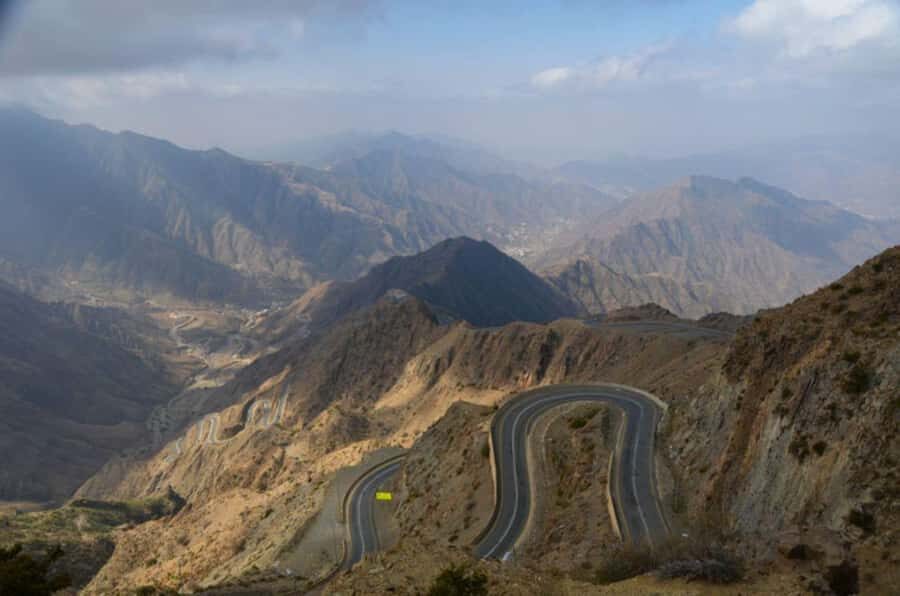
- Jabal Sawda at 3,000 meters: misty heights, cool air, and sweeping mountain views
- El Sahab Park = cloud views: “Sahab” means cloud, and you can literally walk into it
- Rijal Almaa’s traditional architecture: colorful old-style houses and strong regional character
- Photo planning help: your guide points you to panoramic spots for pictures
- Monkeys near the viewpoints: a small food tip can help, but keep it controlled
- Cable car is optional: extra ticket, but a clear view angle over Abha
Aseer’s mountain circuit: what your day really feels like
This tour is built for people who like variety without rushing. You’re in an air-conditioned van leaving from Abha, with an English-speaking driver/tour leader, and you get a tight route that still leaves room for short stops and actual viewing time. With a small group (up to 5), you’re not stuck in a big herd. You can ask the simple questions—how high, how cold, what to watch for—and your guide can adjust.
The pacing is the main reason this works. You’ll start high and cold at Jabal Sawda, then shift into the cloud atmosphere at El Sahab Park, and finish with Rijal Almaa, where you can take your time moving between viewpoints, the village museum, and photo spots. In a single day, you get mountain climate, a “cloud-on-the-hill” setting, and a traditional architecture village.
You can also read our reviews of more city tours in Abha
Jabal Sawda: Saudi Arabia’s highest point, 3,000 meters up
Jabal Sawda is not a casual viewpoint stop. At 3,000 meters above sea level, it changes how you feel—cooler air, mist, and a sense of height you don’t get at lower elevations. Even when the sky looks calm, the mountains and valleys can carry a misty softness that makes the views feel more peaceful than dramatic.
You’ll go for the climate and the scenery: green shrubs and trees, plus those layered valleys that appear and disappear as the weather shifts. If you’re hoping for clear, crisp photos, you still have a decent shot—just be prepared for shifting conditions. One of the best parts is simply standing still for a few minutes and letting your eyes adjust to the scale.
Practical tip: bring a jacket and you’ll be glad you did. The tour itself warns it can get really cold. If you run cold, also consider an extra layer. Your comfort at altitude matters because if you’re shivering, you don’t enjoy the view—or the photo time.
Also, if you prefer a more active moment, your guide may plan a short trek from the peak depending on the day and your pace. That came up in a real example of flexibility—so if you want a bit more walking, ask early and keep your expectations realistic.
Cable car add-on: the Abha view-from-above you can decide on
The cable car is an extra ticket, but it’s one of the few “switch it on if you want” parts of the day. The time commitment is clear: about 20–25 minutes to go downhill and a similar stretch back up, with each car seating roughly 8 adults comfortably.
The big payoff is a different viewing angle over Abha—especially when the mountain mood is rainy or misty. If the weather is wet, the atmosphere can feel more cinematic, and the lights and clouds can make the city look far more distant than usual. Just remember: rainy conditions usually mean more cold, more wind, and sometimes slippery spots around boarding areas.
What to do if you’re unsure: think about your priorities. If you want pure mountaintop time, skip it and spend longer at Jabal Sawda and viewpoints. If you want the “from above” angle, it can be worth the extra cost—just budget for it and dress for chilly weather.
El Sahab Park: walking into clouds and dealing with monkeys
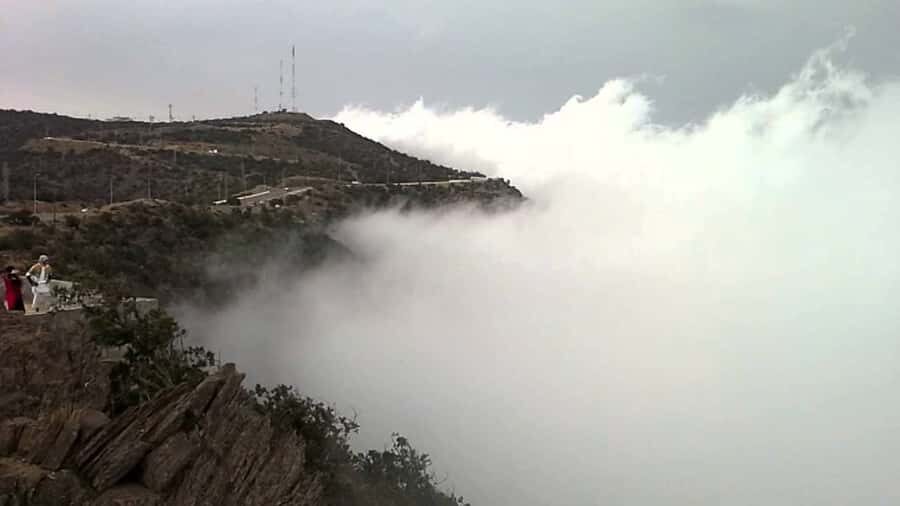
After the high point, the vibe shifts. El Sahab Park sits above the mountain and has a built-in cloud experience. The name matters: “Sahab” translates to cloud, and you really can feel it up there. The guide’s description is right on point—clouds can pass by constantly, and that moving layer can make the viewpoint feel like it’s changing every few minutes.
You’ll also have a chance to walk along the Cornish area as the clouds roll through. There are two top viewpoints that are very close together, so you can catch different angles without a long hike. This is a good stop if you’re not trying to burn energy but still want that “wow, we’re above everything” feeling.
Now, the practical part: monkeys. There are lots of them near the viewpoints, and they may expect food the moment they notice you. If you’re tempted to feed them, handle it carefully. Keep it small and controlled, and follow your guide’s lead on what’s appropriate on the day. The goal is to enjoy the interaction without turning it into chaos.
Rijal Almaa village: traditional architecture + a village museum
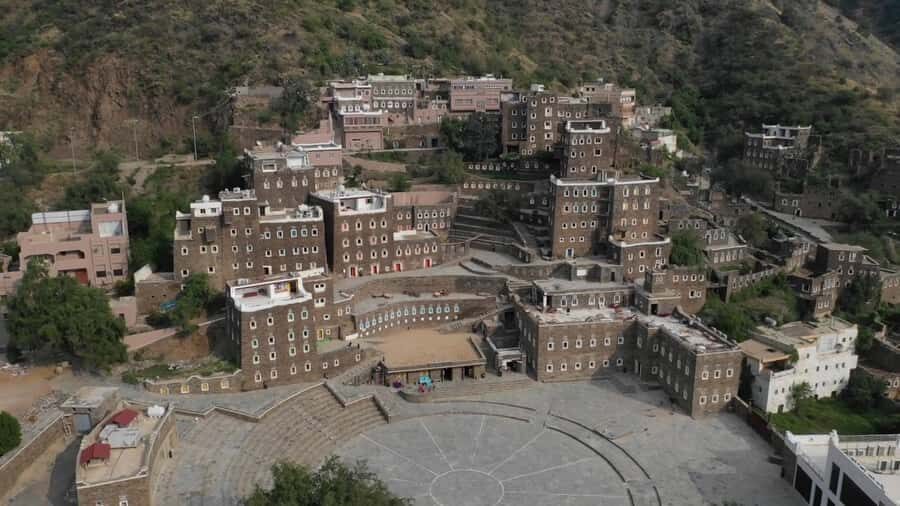
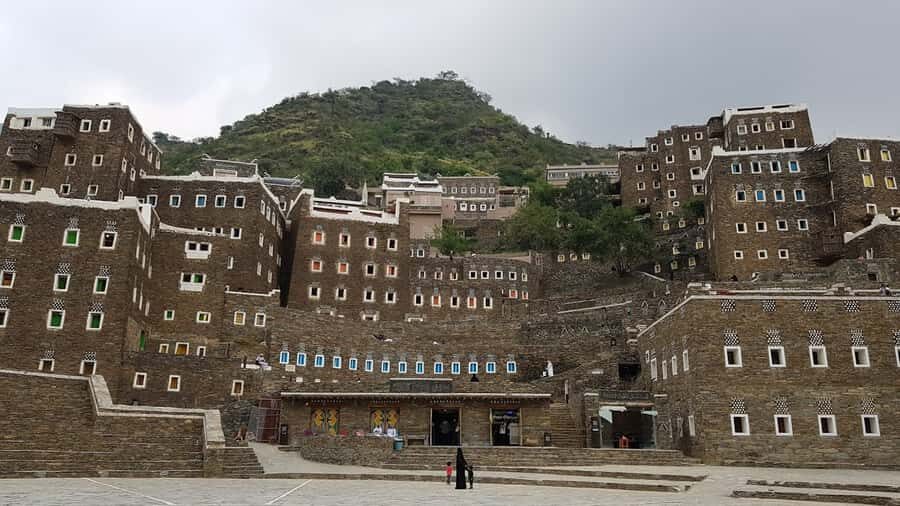
Then comes the culture stop. Rijal Almaa is known for its typical traditional Arabian architecture, with each region having its own local style—and here, the look is the one people picture when they think of classic Saudi village homes. Expect charming, colorful houses and a layout that’s very built for looking outward at the surrounding scenery.
The setting helps: you get stunning views, and the village carries strong historical atmosphere. It’s also on a tentative UNESCO World Heritage list, which is a useful clue that the place isn’t just a scenic “photo corner.” It’s recognized for cultural value, and that should guide how you behave there: slow down, respect the space, and treat it like a living heritage site rather than a theme set.
Getting there is part of the story too. From Abha, it’s described as 130 km by safe road (the tour takes the safe road) versus 65 km by unsafe road. That’s a big difference in comfort and safety, and it means the tour chooses the safer route even if it takes longer.
What you’ll do inside the village:
- Your guide will take you to best panoramic spots for photos.
- You’ll also visit the village museum, which is described as huge and located inside the village itself, with old pieces and descriptions in English and Arabic.
- The museum is said to be set up through efforts of local inhabitants to help save regional heritage.
That last detail matters. It’s not just a building that happens to contain artifacts. It’s presented as a community effort—so it feels more meaningful and less like a random stop to tick off.
Your guide and driver: small-group attention that can change the day
This is one of those tours where the guide quality affects your experience fast. You’ll meet your driver who is waiting with a name sign, and you won’t have to hunt around. Once you’re in the car, your guide talks about things you pass along the way, and you should feel like you’re getting individualized attention instead of a script read at speed.
There are a few examples of flexibility that tell you what to expect:
- A guide adjusted the start time to match an arriving flight.
- The plan was altered based on personal preference, including adding a short trek from the peak.
- An additional stop tied to local interest was added for that day’s rhythm.
In another real case, a traveler noted the tour expanded beyond Rijal Almaa to include places like a honey house and an area referred to as Saudi. That doesn’t mean every departure includes those stops, but it does suggest the tour leader may suggest extras depending on timing. If you care most about Rijal Almaa alone, ask for that focus before you go, so you don’t get more side stops than you wanted.
Language note: one traveler felt the English could be stronger. Most likely it’s still functional for touring, but if you’re the type who wants deeper explanations, speak up early. A good guide will respond to your needs quickly.
Transfers, comfort, and what’s actually included (and what isn’t)
You’re paying for a full, guided logistics package, not just sightseeing. The tour includes:
- All transfers by a modern air-conditioned van from your hotel in Abha
- English-speaking tour leader/driver
- Entrance fees
- All service charges and taxes
You’re not paying for:
- Any extras, which clearly includes the cable car ticket
- Tipping, which is listed as not included
One reason this matters for value is the “friction” factor. Mountain areas are not a place where you want to figure out the route and timing on your own day, especially if the weather is shifting. Having a van, a driver, and entrance fees handled means you can spend energy on the views and the village experience.
Price and value: is $350 fair for this route?
At $350 per person for a 6-hour small-group day, the big question is whether you’re getting something you can’t easily DIY. For most people, the answer is yes—because you get:
- A tight circuit that hits three major places (high altitude + clouds + heritage village)
- A guide who can help with photo timing and panoramic spots
- Entrance fees built in
- Air-conditioned transfers from Abha
Where it might feel pricey is if you’re only truly interested in Rijal Almaa and don’t care about Jabal Sawda or El Sahab Park. One traveler pointed out that Rijal Almaa can be reached by car in about 30 minutes one way (for them), and they suggested a cheaper plan focusing only on that village would be better. If you’re in that boat, ask whether you can do a more focused option.
There’s also a personal-value angle. If you can’t share a seat because you’re traveling solo, pricing rules can sometimes make the cost feel higher than you expect. One person flagged paying as though two seats were needed. That isn’t a surprise of the landscape—it’s just how some small-group pricing can work. If you’re booking alone, confirm how solo pricing is handled so you’re not surprised.
Who this tour suits best (and who should skip it)
This day fits you if you:
- Want mountain altitude views and don’t mind cold weather
- Like cloudy-weather scenery, not just sunny-day postcards
- Care about traditional Saudi architecture and want a guided visit to Rijal Almaa plus the village museum
- Want photo help without spending time planning viewpoints yourself
- Prefer a small group where you can ask questions
You might skip it if:
- You’re only interested in one stop (like Rijal Almaa) and would rather make a shorter independent plan
- You hate cold weather and don’t have layers
- You don’t want any extra costs for options like the cable car
Quick practical packing and behavior tips
- Pack warm layers. The tour explicitly warns it can get cold at elevation.
- Bring a jacket even if Abha feels warm earlier. Weather changes fast in the mountains.
- For the monkeys at El Sahab Park, consider that a small food option can be part of the experience, but keep it controlled and follow your guide’s cues.
- If you care about the itinerary focus, tell your guide what you want early—some days the route can adjust.
Should you book this tour?
I think this is a strong booking if you want one organized day that covers three different “Saudi scenery moods”: high-mountain climate, cloud-hill atmosphere, and a traditional village museum visit. The price makes sense when you value guided routing, entrance fees, and the fact that you won’t be improvising in mountainous traffic.
Book it if you’re traveling with friends or family and want a calm, small-group day with a guide who pays attention to your pace. Consider asking questions before you confirm if you’re traveling solo or only want one main stop—those are the two spots where value can shift fast.
FAQ
How long is the tour?
The tour duration is 6 hours.
Where does the tour operate?
The tour is in Aseer Province, Saudi Arabia, with pickup from Abha.
What’s included in the price?
The price includes modern air-conditioned van transfers from your hotel in Abha, an English-speaking tour leader/driver, entrance fees, and all service charges and taxes.
What costs extra during the tour?
Any extras are not included. The cable car is mentioned as an additional ticket.
How big is the group?
It’s a small group limited to 5 participants.
Is there free cancellation?
Yes. You can cancel up to 24 hours in advance for a full refund.
If you tell me your travel month and whether you’re more into photos, hiking, or village history, I can suggest what to prioritize during the 6 hours.