REVIEW · AL MADINAH PROVINCE
Madina: Guided Tour of the City’s Historical Sights
Book on GetYourGuide →Operated by Transmove E-Trade LLC · Bookable on GetYourGuide
Medina history gets real with the right guide.
This guided tour strings together the spiritual core of the city with the moments that shaped early Islam, walking you past the Masjid Nabvi area and then out toward Uhud and Ghazwa Khandaq.
I especially like two things: the way the stops connect events to place, not just names, and the practical, respectful guidance you get while moving between sites. I’ve also heard how the experience often includes thoughtful attention from guides like Uzair, who’s praised for clear English, patient pacing, and safe, smooth driving. The only real drawback to plan for is that Medina is holy, so the dress and etiquette rules can feel strict at first—especially if you’re coming in from outside the region.
In This Review
- Key Highlights Worth Marking on Your Mental Map
- Why Medina’s Battle Sites Feel Different With a Real Route
- Entering the Day at Masjid Imam Bukhari and the Masjid Nabvi Area
- Uhud: Graves, Mountains, and the Places Linked to Key Martyrs
- Ghazwa Khandaq and the Saba Masajid (Seven Mosques) Stops
- Masjid Qibalatain and Masjid Jumah: Switching Directions, Staying Focused
- Masjid Quba and the Two Nafil Moment
- Wells and Museums: Beer Al Khatm, Beer Ghars, and As Saffiyyah
- Dress Code and Rules: What You Need to Bring (and Avoid)
- Price and Value: $99 Per Group Up to 4
- Languages, Guide Style, and the Comfort Factor
- Who Should Book This Medina Historical Sights Tour
- Should You Book This Guided Tour?
- FAQ
- What does the price mean for up to 4 people?
- What’s included in the tour?
- Are non-Muslims allowed, and what dress rules apply?
- Can I pray at Masjid Quba during the tour?
- Is there always drinking water during the tour?
- Is the tour suitable for pregnant women or older seniors?
Key Highlights Worth Marking on Your Mental Map
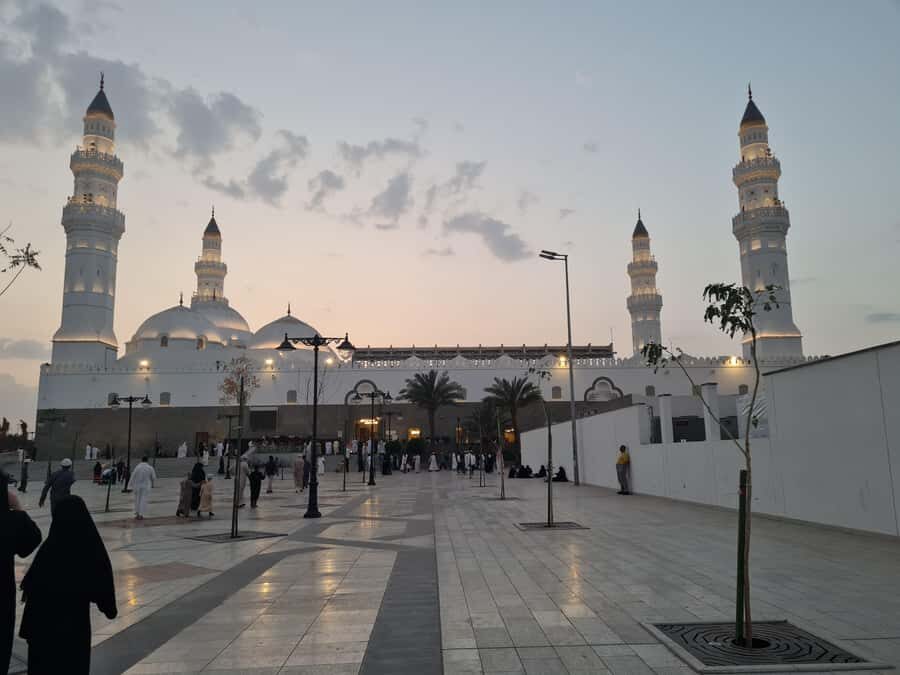
- Masjid Nabvi area, then Masjid Imam Bukhari: you start with a mosque that carries deep local meaning.
- Uhud stops tied to specific shuhada sites: you see places associated with Hazrat Ameer Hamza and Musab Bin Umair.
- Ghazwa Khandaq and the Saba Masajid (Seven Mosques): you get a focused circuit for the trench campaign.
- Masjid Qibalatain and Masjid Jumah: two big identity-and-prayer-story stops in one flow.
- Masjid Quba with 2 nafil prayers: this is a spiritual highlight, said to equal one Umrah.
- Wells and museums (Beer Al Khatm, Beer Ghars, As Saffiyyah Museum): small details that make the story feel anchored.
Why Medina’s Battle Sites Feel Different With a Real Route
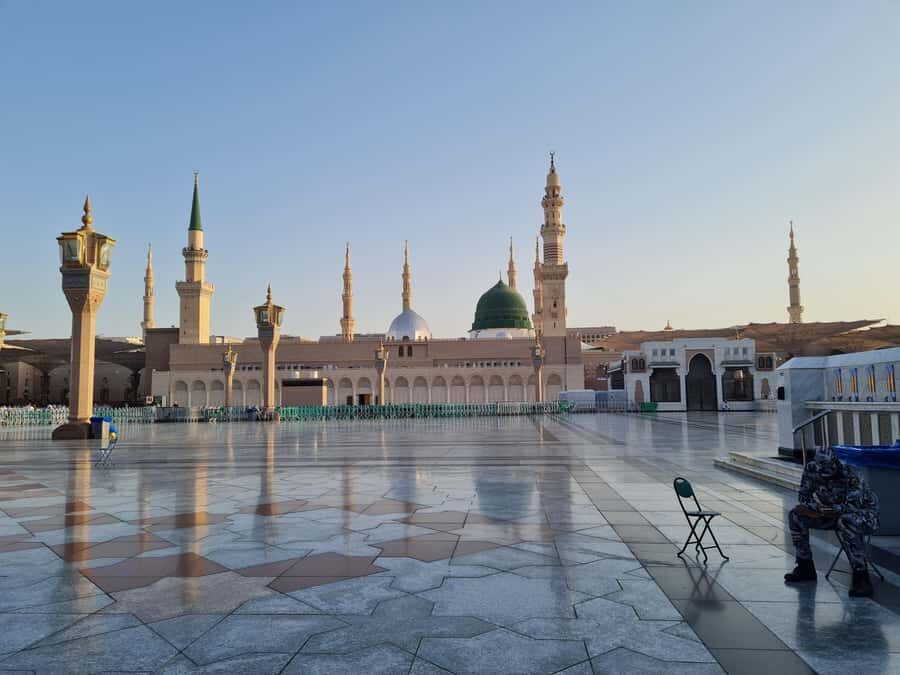
Medina isn’t just “pretty old buildings.” It’s a living set of locations where history and worship overlap. That’s why this kind of guided circuit works so well: you move efficiently, and the guide helps you understand why each stop matters, not just what it is.
I also like the pacing style built into the tour design. You’re not sprinting through 10 places in 30 minutes. Instead, you’re given time to stand, look, and take in explanations at battle-related landmarks and mosques.
One more thing that matters for comfort: the tour is done in a vehicle with a small group (up to 4 per group). In a city where heat and crowds can be real, that alone can make the whole day feel calmer.
You can also read our reviews of more tours and experiences in Al Madinah Province.
Entering the Day at Masjid Imam Bukhari and the Masjid Nabvi Area
Most tours in Medina either focus on one neighborhood or one mosque. This one starts you with Masjid Imam Bukhari, which sets a thoughtful tone right away. From there, the route passes the area around Al Masjid an Nabawi before you head toward the more “story places” tied to events.
If you’re trying to get your bearings fast, this is a smart way to do it. You get the grand spiritual center in context, then you move outward toward Uhud and the Trench campaign. The day starts broad, then becomes specific.
And practically speaking, this sequence helps with the logistics of prayer and respect. You’ll be dealing with sacred-site etiquette soon enough, so it’s better to settle into the mindset early.
Uhud: Graves, Mountains, and the Places Linked to Key Martyrs
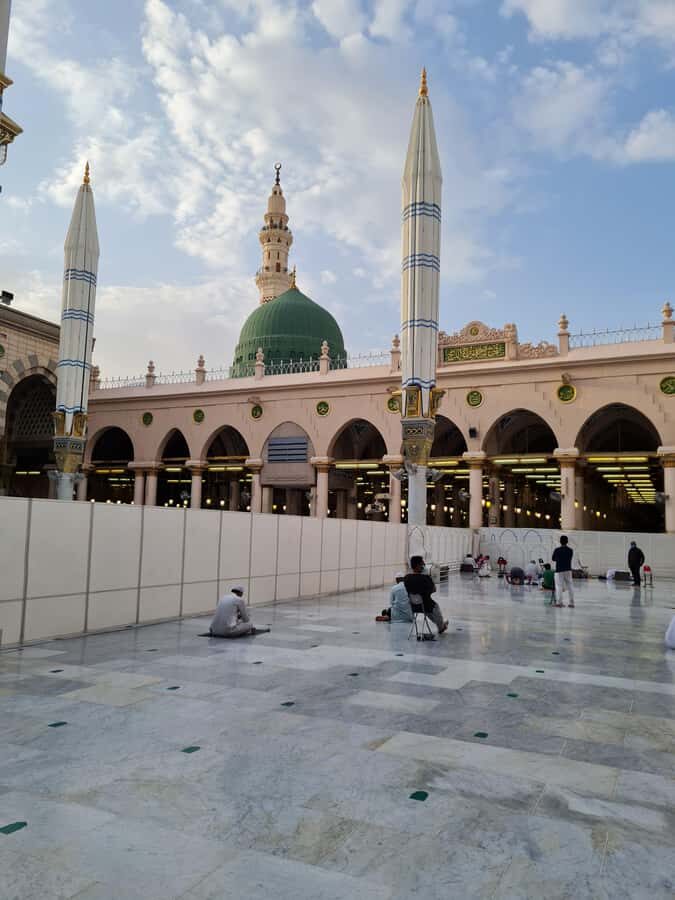
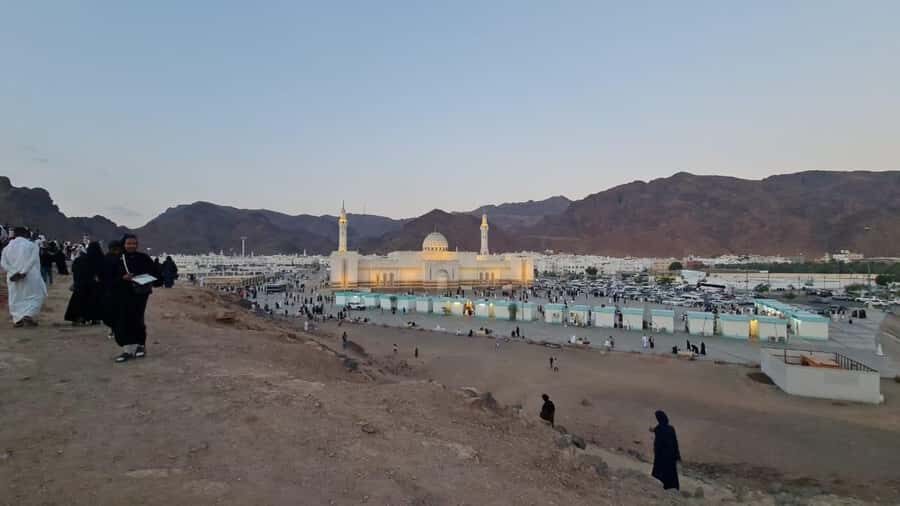
Uhud is where the tour turns from sightseeing into something heavier. You’ll visit the War of Uhud sites and see areas associated with the graves of Hazrat Ameer Hamza, Musab Bin Umair, and other shuhada. That matters because you’re not only looking at a location—you’re learning why people still reflect here.
The tour also includes Masjid Shuhada, plus views connected to Mount Uhud and Mount Rumah. I like how this gives you a “place picture” rather than only a word picture. When you can see the shape of the terrain, the story starts making more sense.
A tip: wear comfortable shoes and expect some walking between points. Even if the route is mostly guided and grouped, these are outdoor, moving-in-between-stops locations.
Ghazwa Khandaq and the Saba Masajid (Seven Mosques) Stops
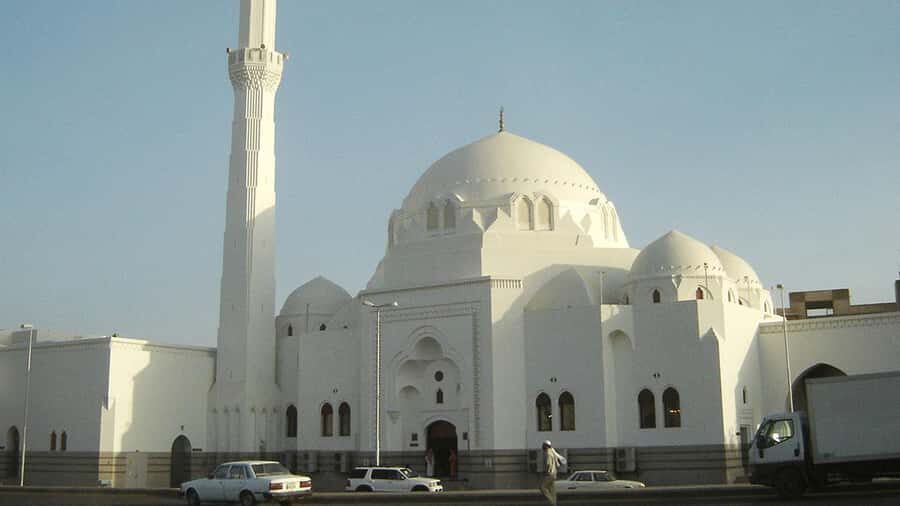
Next comes the War of Trench (Ghazwa Khandaq) area, which is often harder to visualize than Uhud because it’s spread across several meaningful locations. Here, the tour focuses on key masjids connected to the campaign, including stops linked to Masjid Fatha.
You’ll also encounter multiple names for this same “Seven Mosques” stop: Saba Masajid and similar references. The tour includes dua at Masjid Fatha, which is a nice moment to pause and transition from history talk to spiritual reflection.
Other listed points in this trench section include Masjid Salman Farsi and the broader Saba Masajid set of locations. I like that it doesn’t treat Ghazwa Khandaq like one stop. It’s handled like a network of prayer-linked places.
Masjid Qibalatain and Masjid Jumah: Switching Directions, Staying Focused
If you like history with a clear spiritual angle, Masjid Qibalatain is a standout stop. The tour brings you here after the Trench-related circuit, so by now you’ve already learned how Medina’s sites connect to early Islamic events.
You’ll then continue to Masjid Juma and also visit the house of Atban Bin Malik from outside. Even from the outside, this matters. These are the kinds of residential and neighborhood-adjacent locations that remind you the story wasn’t only fought in open land—it also lived in community spaces.
I also appreciate that the tour doesn’t overload this stretch with too much “extra.” The structure stays clear: masjid, reflection, then onward.
Masjid Quba and the Two Nafil Moment
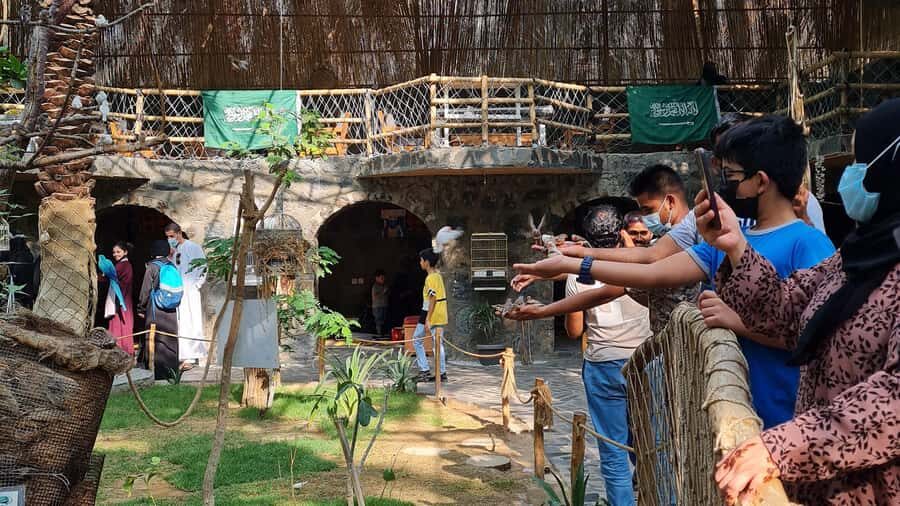
One of the most spiritual parts of the tour is the Masjid Quba visit. The experience notes that you can pray 2 nafil at Quba Mosque, which is said to equal one Umrah.
That’s the kind of detail you should plan your body and mind around. If you can, show up ready for a short prayer window—comfortable clothing, respectful focus, and time to handle ritual steps calmly.
Quba is also one of those places where the guided explanation can help you slow down. Even if you’ve heard the stories before, having the sites presented in the same day as Uhud and Ghazwa Khandaq can make the “continuity” feeling stronger.
Wells and Museums: Beer Al Khatm, Beer Ghars, and As Saffiyyah
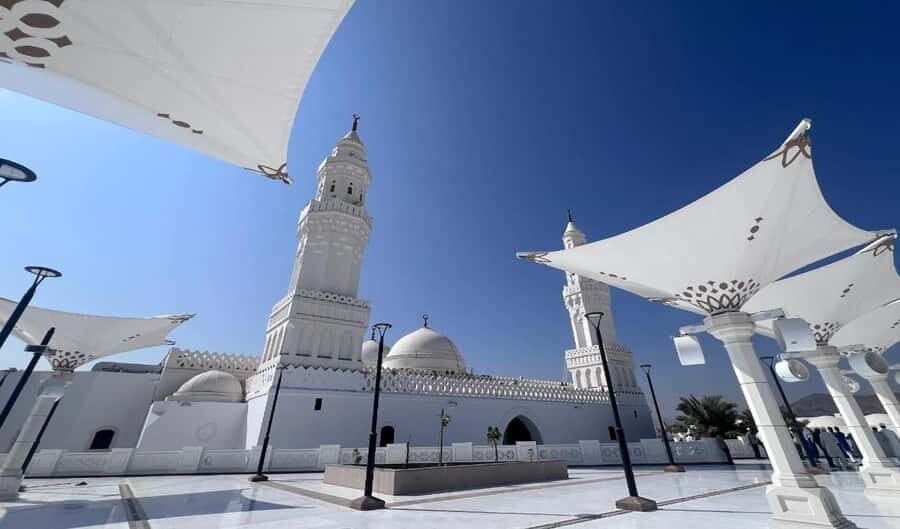
Not every Medina tour includes the “smaller” landmarks. This one does, and that’s part of why it feels more real.
You’ll see Beer Al Khatm, described as the well where the ring fell, and Beer Ghars, listed as the beloved well of Prophet Muhammad (SAW). The tour also includes the Salman Farsi Well and Farm.
Then there are stops that shift the mood from outdoors landmarks to structured cultural context, including As Saffiyyah Museum and the International Fair and Museum.
I like this mix because Medina history isn’t only battles and big prayers. It’s also water stories, daily-life memory, and how later generations preserved the meaning of those places.
One practical consideration: the tour notes that water might not always be available to drink due to maintenance work at wells. Bring water when you can, and don’t assume every stop will have it on hand.
Dress Code and Rules: What You Need to Bring (and Avoid)
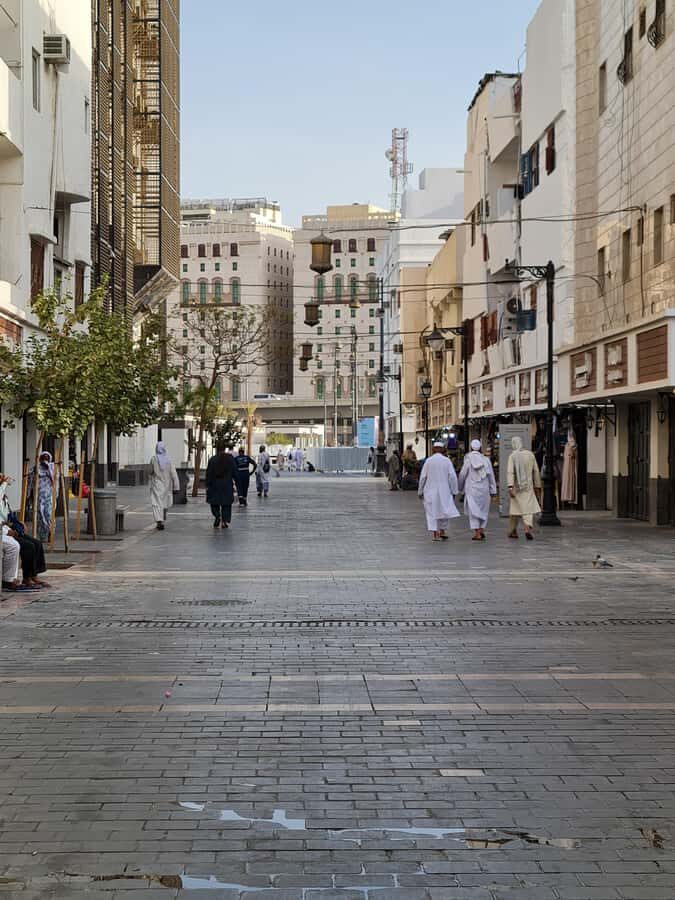
Because this is a holy city, you need to treat clothing and behavior like part of the itinerary—not an afterthought. You’ll be asked to follow rules on what you wear and how you present yourself.
What to bring:
- Comfortable shoes
- Hat
- Camera
- Sunscreen
- Water
Not allowed:
- Shorts
- Smoking
- Short skirts
- Alcoholic drinks in the vehicle
- See-through clothing
For non-Muslims, the guidance is clear:
- Cover your hair with a cloth or hijab
- Women: if you’re wearing shorts, tights, jeans, or T-shirts, you’ll need an abaya (or you can buy one; it’s described as not expensive)
- Men: decent clothing is OK, but avoid shorts
This is the main “friction point” for first-timers. If you show up ready with the right clothing, the day feels smooth. If you don’t, you may lose time adjusting before you can relax into the visits.
Price and Value: $99 Per Group Up to 4
At $99 per group (up to 4 people), this tour is priced like a small-private experience rather than a big coach deal. That matters, because with a small group you can usually get a more personal flow at each site.
Think of value in two layers:
- You’re paying for time and context, not just transportation and entry. The itinerary is built around places that need explanation to land emotionally and spiritually.
- You’re paying for fewer hassles: the vehicle setup and tight route planning can save energy in Medina’s heat and in areas where navigation isn’t straightforward.
If you’re traveling solo, it may still be worth it if you care about guided storytelling and want a calmer pace. But if you can, forming a group of two to four usually gives you the strongest value.
Languages, Guide Style, and the Comfort Factor
This tour is offered with multiple languages, including Arabic, English, Hindi, Punjabi, and Urdu. That’s a big deal in Medina, where understanding matters. You want to catch the meaning behind the sites, not just the location names.
In recent groups, a guide named Uzair has been highlighted for clear English explanations, safe driving, and going above and beyond—like helping with an unexpected situation and providing refreshments. Whether or not your guide is the same person, the consistent theme is respectful hosting and careful coordination.
The vehicle is also described as clean and comfortable, and the day is run with easy pick-up and drop-off coordination. When you’re spending time at religious sites, smooth logistics can make you feel more present.
Who Should Book This Medina Historical Sights Tour
This is a strong fit if you:
- Want a structured route through Masjid Imam Bukhari, Uhud, Ghazwa Khandaq, Qibalatain, Jumah, and Quba
- Like guided context tied to specific names and places (like the shuhada and well landmarks)
- Prefer a small group and vehicle-based logistics over lots of independent transit
It’s also a good choice if you’re traveling with family members who would benefit from patience and clear explanations.
Two cautions from the tour info: it’s not suitable for pregnant women and not suitable for people over 70. If you’re in either category, you’ll want to pick a different format that better matches mobility needs.
Should You Book This Guided Tour?
Book it if you want Medina to feel organized and meaningful—history plus worship, linked stop by stop. The combination of battle sites (Uhud and Ghazwa Khandaq), major masjids (Qibalatain, Jumah, Quba), and the water-story landmarks (Beer Al Khatm and Beer Ghars) gives you a fuller sense of place than a quick hit.
Skip or rethink it if:
- You’re not comfortable with holy-city dress rules and hair covering expectations for non-Muslims.
- You or your group needs a mobility-friendly plan beyond what this format is set up for.
- You’re expecting lots of drinking-water availability at every well stop (the tour notes it may be limited at times).
If you go in prepared—comfortable shoes, hat, sunscreen, and the right clothing—you’ll likely leave with a stronger mental map of Medina, not just photos.
FAQ
What does the price mean for up to 4 people?
The tour price is listed as $99 per group, and the group size is up to 4. That means it’s designed as a small-group format rather than a large shared coach experience.
What’s included in the tour?
The included stops and experiences are: Masjid Imam Bukhari, exploration of the Battle of Uhud sites, Battle of the Trench (Ghazwa Khandaq), dua at Masjid Fatha (Seven Masajid), Masjid Qibalatain, Masjid Quba, Masjid Jumah and the house of Atban Bin Malik from outside, Beer Ghars, and the Salman Farsi Well and Farm.
Are non-Muslims allowed, and what dress rules apply?
Non-Muslims can join, but Medina is a holy city for Muslims, so you must follow specific etiquette. The guidance includes covering hair with a cloth or hijab; women may need to wear an abaya if wearing shorts/tights/jeans and a T-shirt; and men should avoid shorts and wear decent clothing.
Can I pray at Masjid Quba during the tour?
Yes. The tour highlights that you can pray 2 nafil at Quba Mosque, and it’s stated that this equals one Umrah.
Is there always drinking water during the tour?
Not always. The tour notes that some time water is not available to drink due to maintenance work at wells, so you should bring water when possible.
Is the tour suitable for pregnant women or older seniors?
No. The tour information states it is not suitable for pregnant women and not suitable for people over 70.