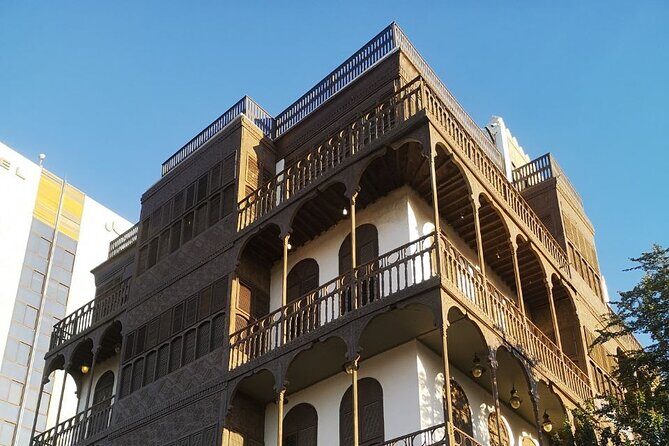
REVIEW · ALULA
AlUla Old Town Experience
Book on Viator →Operated by Gray Line - Kurban Tours · Bookable on Viator
Old Town AlUla feels like time travel on foot. This experience is interesting because you don’t just stare at stones—you walk with a Rawi who helps connect the place to the people who lived, traveled, and prayed here. I love the way the old streets and mudbrick remnants are preserved, and I also love how the area feels lived-in today, with shops and cafés placed right around the heritage. One thing to consider: it’s only about 1 hour, so if you’re the type who needs to roam for hours with no structure, you may want a longer option.
The other practical win is that you get pickup and drop-off at Winter Park, plus entrance fees are included in the price. At $27 per person, this is a straightforward way to get oriented in AlUla Old Town without hunting logistics. Keep in mind it depends on weather, so plan your day with a little flexibility.
In This Review
- Key highlights at a glance
- Why AlUla Old Town Still Feels Human
- Getting Started: Pickup From Winter Park at 9:00 am
- Your One-Hour Walk Through AlUla Old Town
- Mudbrick Streets, 10th-Century Castle Views, and Town-Square Energy
- Construction Stories: How Pilgrims and Settlers Shaped the City
- Shops, Cafés, and Henna: Culture You Can Touch (Not Just Look At)
- Price and Value: What $27 Buys You Here
- Who This Tour Is Best For (and Who Might Want to Skip It)
- Practical Tips So You Enjoy the Full Hour
- Should You Book AlUla Old Town Experience?
Key highlights at a glance
- A guided walk with a Rawi that connects buildings to real life: settlers, pilgrims, travelers
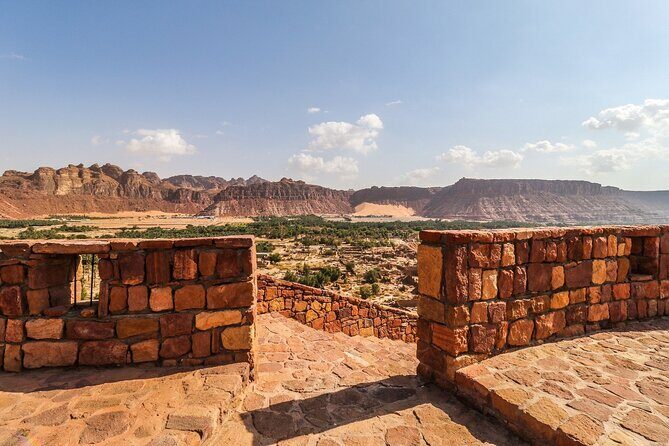
- Preserved mudbrick and stone remnants plus views tied to older eras
- Quick, focused timing at about 1 hour, starting at 9:00 am
- Heritage + everyday shopping feeling, including places to try henna
- Small group max of 30 people so you’re not swallowed in a crowd
Why AlUla Old Town Still Feels Human
AlUla’s Old Town isn’t presented like a museum you shuffle through. The best part is that it reads like a living neighborhood—because it was. The area was inhabited from before the 12th century all the way until the early 1980s, and that long timeline still shows in the way the town is laid out and restored.
What I like most is the human angle: you’re learning about pilgrims, travelers, and permanent settlers, and how each group shaped the city. The story isn’t just about what the buildings look like. It’s about why they were built, and how the construction methods worked for the people using the town day after day.
You’ll also get a sense of why this place matters to researchers. The old town holds unique oral histories and living memory that other heritage sites in the region can’t replicate in the same way. That’s the difference between seeing old walls and understanding an old way of life.
You can also read our reviews of more tours and experiences in AlUla.


Getting Started: Pickup From Winter Park at 9:00 am
This experience is built for people who don’t want to figure out timing and entry on their own. Pickup and drop-off are offered at Winter Park in AlUla, and the start time is 9:00 am. That early morning slot is smart here, since you get daylight for photos and a calmer first walk through the streets.
You’ll also have driver assistance in English or Arabic, which can take the edge off if your Arabic is still “hello, please, thank you.” And since you receive a mobile ticket, you don’t have to juggle paper confirmations.
One small practical note: because the tour is about an hour, you’re not being “parked” somewhere and left to wander. You’ll want to arrive ready to walk and keep moving.
Your One-Hour Walk Through AlUla Old Town
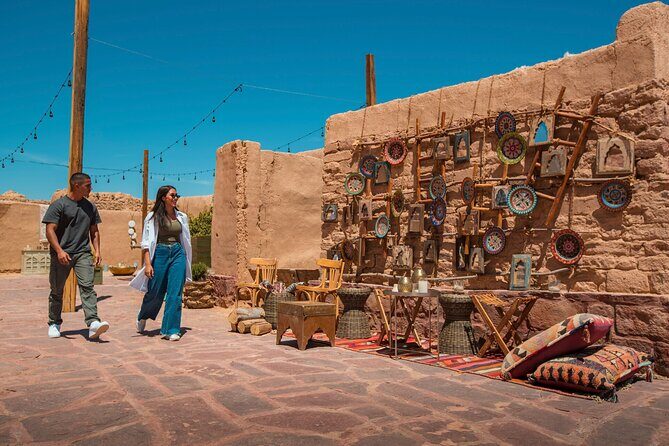
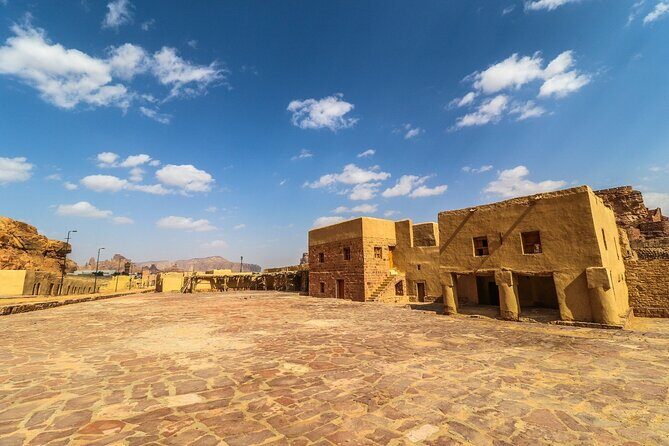
You’ll begin in AlUla Old Town, where the focus stays tightly on the heritage area itself. The Rawi leads you through a maze of remnants—original stone and mudbrick building traces that help you picture how the town functioned. It’s the kind of walking route where you’ll turn a corner and suddenly the town feels different, like you just changed neighborhoods.
The tour is short on purpose. In about an hour, you get enough structure to understand what you’re looking at, without burning half your day. That makes it a good fit if you’re also planning other AlUla sights.
As you walk, you’ll learn how the town was shaped by different groups over time. The old town had 900 houses, 500 shops, and five town squares, so even if you can’t see every single element, the scale gives you context fast. Think of it like getting the “map in your head” rather than just collecting a few photos.
Mudbrick Streets, 10th-Century Castle Views, and Town-Square Energy
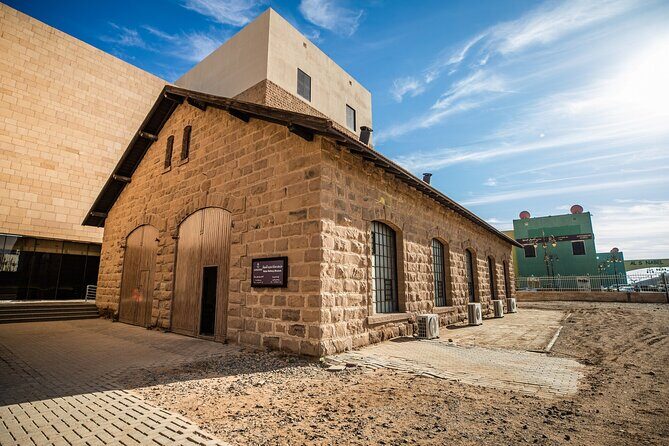
Old Town AlUla is famously photogenic, but the real value is that the visuals match what you’re hearing. You’ll get views of an AlUla Castle dating back to the 10th century, and that works because the town layout places you at the right angles to notice the relationship between everyday life and power.
The square stops are especially useful. With five town squares, you get moments where you can pause and understand how people gathered—where news traveled, where trading happened, and where social life likely clustered.
Here’s the balanced reality: because so much of the area is made of remnants and restored edges, you might not see “intact” buildings everywhere. But that’s also the point. You’re meant to read the site: stone lines, mudbrick textures, and building patterns that point you back to older ways of building and living.
If you like historical places but hate feeling trapped in a lecture, this works well. The story stays connected to what you can see while you walk.
Construction Stories: How Pilgrims and Settlers Shaped the City
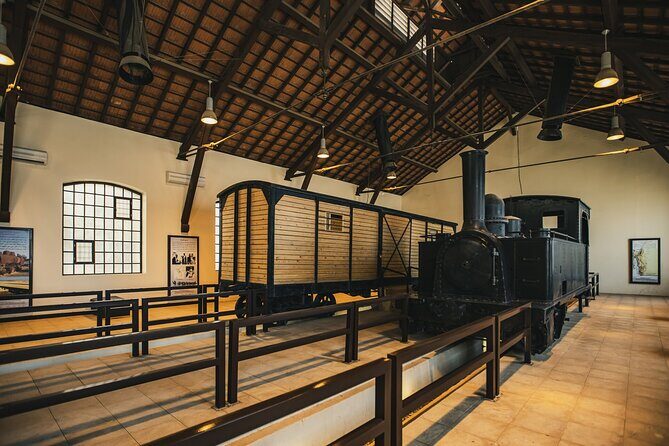
One reason this experience feels different from generic guided tours is the focus on motives and methods. You’ll learn about settlers and pilgrims—why they came, what they needed, and how that translated into construction choices.
It helps to think of the old town as a network for movement and survival. Pilgrims and travelers needed routes, storage, meeting areas, and services. Permanent settlers needed homes and day-to-day stability. When you understand those needs, the town stops looking like random old lanes and starts looking like a practical system built for specific human routines.
Also, you’ll get the sense that AlUla Old Town isn’t just a place for distant history. It was part of daily life until the early 1980s. That bridge between centuries is one of the reasons the experience feels grounded rather than abstract.




Shops, Cafés, and Henna: Culture You Can Touch (Not Just Look At)
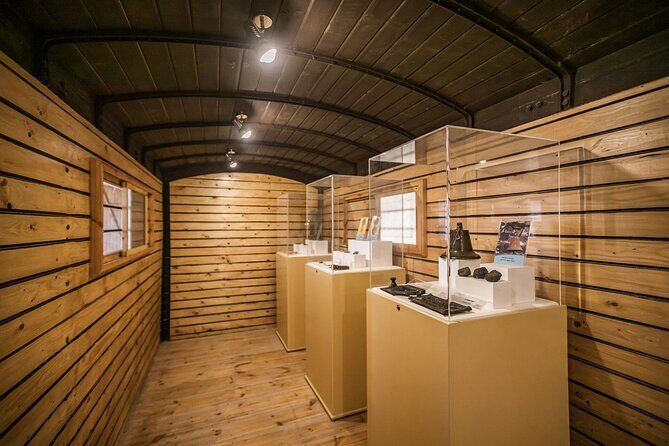
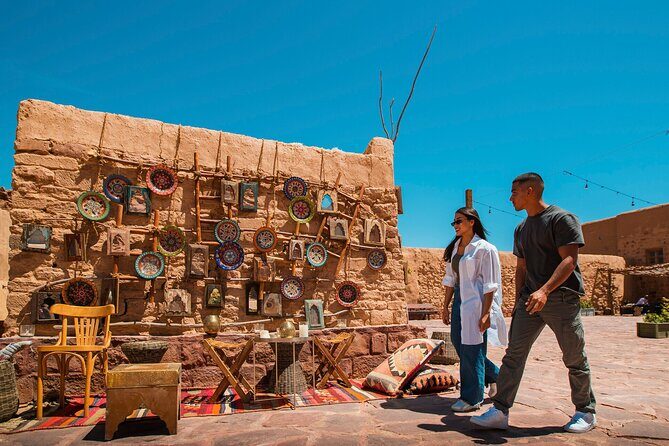
You don’t walk through a sealed-off ghost town. Shops and cafés are integrated around the restored heritage area, so you can keep the experience real while you’re there. I like that the modern experience doesn’t pretend to erase daily life. Instead, you get an Old Town feel with places to stop, browse, and snack if you want.
One practical, fun detail: you can find a henna shop in the old town, and it’s an easy way to take home a small souvenir that’s connected to the culture of the place. If you’re curious, this is one of the few spots where trying henna fits naturally into the setting rather than feeling like a tourist add-on.
A tip: since the tour itself doesn’t include food or beverages, use your free time in the shops/cafés after you’ve done the main walk. That way, you don’t rush to find water halfway through the guided part.
Price and Value: What $27 Buys You Here
Let’s talk money with clear expectations. The price is $27.00 per person, and what you get is not just “someone talking” while you walk. You get pickup and drop-off from Winter Park, a guide (a Rawi), entrance fees, and driver assistance in English or Arabic. The duration is about 1 hour, so the cost is aligned with a short, purposeful experience.
For me, this is good value because entrance fees and transport usually add up quickly when you plan on your own. Here, those costs are folded into one price, which makes the decision simple—especially if you’re doing multiple activities in AlUla and don’t want to spend your brainpower on logistics.
The only “value” caution: because it’s short, you may want to plan your day so you don’t feel like you just arrived and already need to leave. If you’re planning around it, you’ll feel the payoff.
Who This Tour Is Best For (and Who Might Want to Skip It)
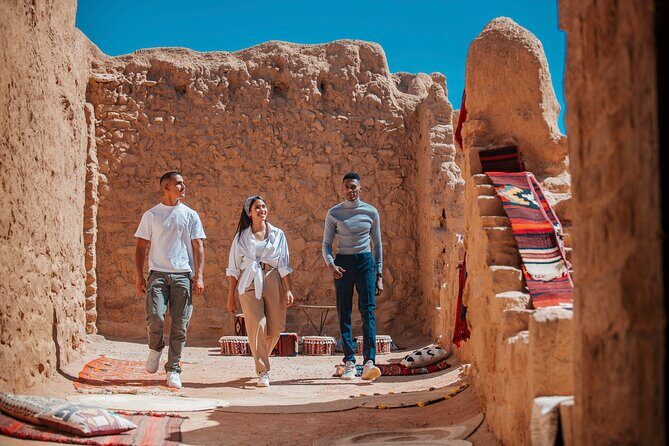
This experience is a great match if you want a guided way to understand AlUla Old Town without losing the thread. If you like history but want it delivered through walking, with stories tied to what you see, you’ll probably enjoy it.
It’s also a good option if you’re traveling with someone who needs a simple plan. Pickup at Winter Park, a defined start time, a small group size (max 30 travelers), and a one-hour format make it easy to slot into a schedule.
You might want to choose something else if you prefer long, unscripted wandering or if you’re looking for a deep, multi-hour deep-history format. This one gives you orientation and highlights, not an all-day course.
Practical Tips So You Enjoy the Full Hour
A few things will make your walk smoother:
- Wear comfortable walking shoes. You’re moving through old-stone and mudbrick remnants, and you’ll want stable footing.
- Bring a small camera habit. You’ll get castle views from the town area, and the restored streets are photo-friendly.
- If you’re sensitive to heat or sun, consider what time you’ll be outside. Starting at 9:00 am helps.
- Use the shops time wisely. The shopping and cafés are part of the atmosphere, but the guided story happens during the walk.
And don’t forget the weather factor. This experience requires good weather, and if it gets canceled due to poor weather you’ll be offered another date or a full refund. So treat it like a plan that needs decent skies.
Should You Book AlUla Old Town Experience?
Yes, I’d book it if you want a focused introduction to AlUla Old Town with a local Rawi guiding you through what the streets mean. At $27 with pickup from Winter Park and entrance fees included, it’s a clean, practical way to see the heritage area and still leave time for shopping and cafés on your own.
Skip it (or plan a different format) if you’re the kind of visitor who needs long hours to soak in a place without any schedule. This is designed as a one-hour “get your bearings fast” experience, not a full-day exploration.
If you’re visiting AlUla and want Old Town to make sense—not just look pretty—this is a solid choice.