REVIEW · RIYADH
Historical Riyadh Self-Guided Audio Walking Tour
Book on Viator →Operated by Vidi Guides · Bookable on Viator
Riyadh is best heard on foot. This self-guided historical audio tour gives you short, story-rich stops across central Riyadh at your own pace, from Al Masmak Fortress to Ath Thumairi Gate. I like that the audio frames what you’re looking at in plain language, so the city doesn’t feel like random landmarks.
My favorite part is the built-in help: offline mode and a GPS map make the route easier than most “walk and guess” plans. The main thing to consider is that this experience depends on your tech working, since headphones and a phone aren’t included and the tour is audio-first.
In This Review
- Key things to know before you go
- Getting Your Bearings at Al Masmak Fortress
- Al Safat Square: where the oldest area changes shape
- Qayasriat Al Kitab bookshop and the “thinking Riyadh” stop
- Imam Turki Bin Abdullah Grand Mosque: why people came here
- Souq Al Zal: the market rhythm of carpets, perfume, and food
- Al Thumairi Street handicrafts and the clock tower built in 1966
- Ath Thumairi Gate and the Qasr Al Hokm street-level feeling
- Price and value: why $9.56 can make sense here
- Timing, comfort, and walking pace (so you don’t miss the vibe)
- Who this Riyadh audio walk is best for
- Should you book this self-guided Riyadh tour?
- FAQ
- How much does the Riyadh Historical Self-Guided Audio Walking Tour cost?
- How long is the tour?
- Do I need headphones to use the audio?
- Do I need an internet connection while walking?
- Does the tour include navigation help?
- Where does the tour start and end?
- Are admission tickets included for the stops?
- Is the group size limited?
- Can I cancel for a full refund?
Key things to know before you go
- Offline listening means you’re not trapped by spotty signal in older streets.
- GPS map guidance helps you keep moving between sites without backtracking.
- Short audio chapters at each stop make it easy to pause, shop, or snack when you want.
- Free-to-enter stops listed keep the cost focused on the tour itself (but double-check any specific site access).
- A compact route ends on Al Thumairi Street, so it naturally turns into a shopping and photos finale.
Getting Your Bearings at Al Masmak Fortress
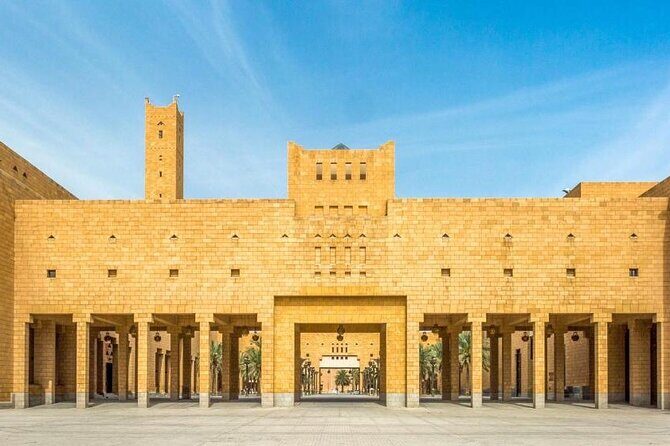
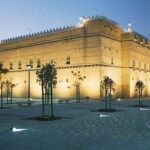
You start outside Al Masmak Fortress, a cornerstone for the story of modern Saudi Arabia. The audio gives you the big picture first: the Royal Saudi family and King Abdulaziz’s recapture of the fortress in 1902. Even if you only catch it from the outside, you get the why behind the walls.
One practical upside: this is a strong kickoff even if you’re tired or arriving without a plan. You’re not just looking at stone. You’re learning the timeline while you stand where it happened. That matters in Riyadh, where “old” and “new” can feel close together.
Timing note: the stop is listed as 5 minutes with admission marked free, but don’t assume every building inside is always open. If the fortress museum area is restricted on the day you go, you’ll still get the historical context from the audio, and you can move on. This is an audio walking route first, not a guaranteed museum ticket.
My tip: When you finish listening at Al Masmak, take a quick reset and decide your pace. This tour works best when you don’t rush the chapters. You’ll naturally slow down once the story starts making sense.
You can also read our reviews of more tours and experiences in Riyadh.



Al Safat Square: where the oldest area changes shape
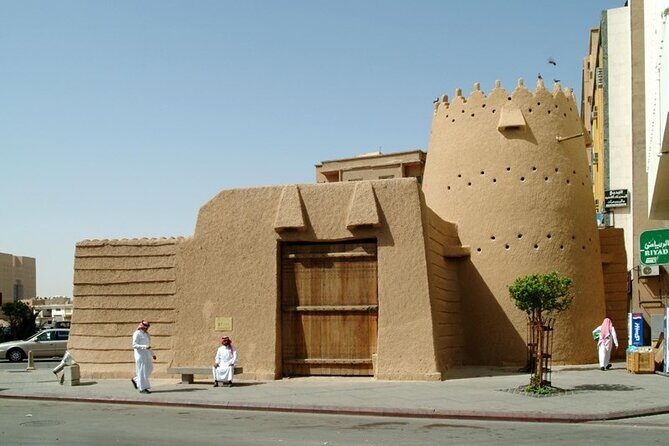
From the fortress, you head toward Al Safarat, which sits in Al Safat Square. This area is tied to the reign of Imam Turki bin Abdullah, and the audio explains that the square was redesigned during early city planning for the modern Riyadh.
Here’s what I like: the audio challenges the easy assumption that “old neighborhoods stay old.” The story notes that the area is among the oldest parts of Riyadh, yet it still went through major changes. As the city plan expanded, neighborhoods opened up, and the traditional narrow streets and tightly packed housing were replaced by wider, more modern layouts.
That’s a useful lens while you walk. You start to read the city as something that kept getting rebuilt, not something that froze in time. If you’ve ever felt Riyadh can look both traditional and brand-new in the same block, this stop helps you understand why.
What to watch for: Keep an eye on how the street width and the feel of the built environment shifts as you move on. Even if you’re not an architecture person, the audio does a good job connecting those changes to leaders and planning decisions, not vague “history vibes.”
Qayasriat Al Kitab bookshop and the “thinking Riyadh” stop
Next comes Qayasriat Al Kitab, a bookshop scene set among palm trees and small fountains. This stop is short, but it’s memorable because it breaks the tour out of the “only forts and mosques” mold.
The audio connects the shop to the wider cultural life of Riyadh. It describes a place where intellectuals, readers, and writers gather—right in the center of the city near the Palace of Governance. That’s a different kind of landmark, and it changes how you picture Riyadh. Not just governance and markets, but books, ideas, and writers.
The audio also points you toward other cultural sights you could add later, including the King ʿAbd al-ʿAzīz Historical Centre, the National Museum, and Al-Jinādiriyyah (mentioned as a major national cultural festival). Even if you don’t visit them, the tour helps you recognize that Riyadh’s cultural calendar isn’t only one-size-fits-all.
Practical move: If the bookshop feels open and welcoming, pop in for a quick look and use it as a natural pause. This is also a great moment to cool down if the day is hot.
Imam Turki Bin Abdullah Grand Mosque: why people came here
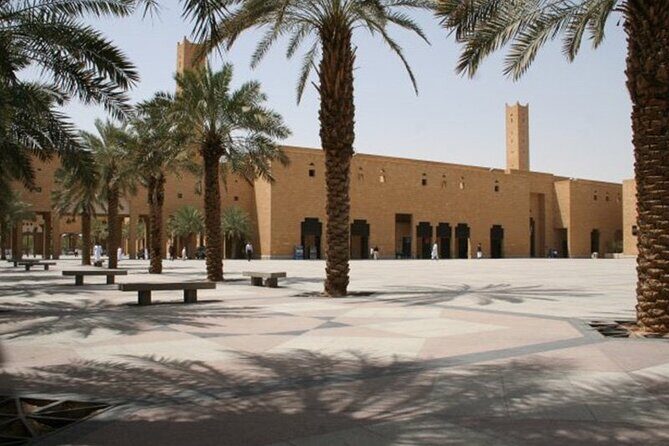
The tour then visits Imam Turki bin Abdullah Grand Mosque, often called the Great Mosque. The audio explains it was established during Imam Turki bin Abdullah’s reign in the 19th century, and that it’s one of Riyadh’s most significant mosques.
One detail I really like here: the audio doesn’t just treat it as a place for worship and photos. It also describes a social function—citizens could come to meet and speak to their ruler. That turns the mosque into a civic landmark, not only a religious one.
If you’re trying to understand how cities work, that’s a key takeaway. It tells you that leadership, community, and public space were linked in ways that might not be obvious from today’s street view.
Respect and timing: Since this is a functioning mosque, plan to dress appropriately and keep your focus on the visit. The stop is listed as 10 minutes, so don’t rush. You’ll get more out of it if you listen, then stand back for a moment and notice the rhythm of people arriving and leaving.
Souq Al Zal: the market rhythm of carpets, perfume, and food
Now you hit Souq Al Zal, described as an authentic market in the heart of Riyadh. The audio frames it as a place over 100 years old, still used by Saudis for everyday purchases and bartering.
This stop is where the tour becomes practical and sensory. The audio mentions what you’ll see and do there: carpets, perfumes, traditional clothes, and food. It also gives you a longer arc by explaining how markets appeared thousands of years ago and how trade continues to evolve into modern Saudi life.
Even if you’re not shopping, Souq Al Zal is valuable because it tells you what daily life looks like when you’re off the big-ticket tourist track. You’ll also get a better feel for local shopping culture, which is very different from buying a souvenir from a single fixed price.
My tip for a better souq experience: plan to spend time here only if the shops are open and active. The tour itself doesn’t force you to keep moving at high speed. Let the market set the pace—browse, listen, take a couple photos, then move on when you’ve had enough.
You can also read our reviews of more guided tours in Riyadh


Al Thumairi Street handicrafts and the clock tower built in 1966
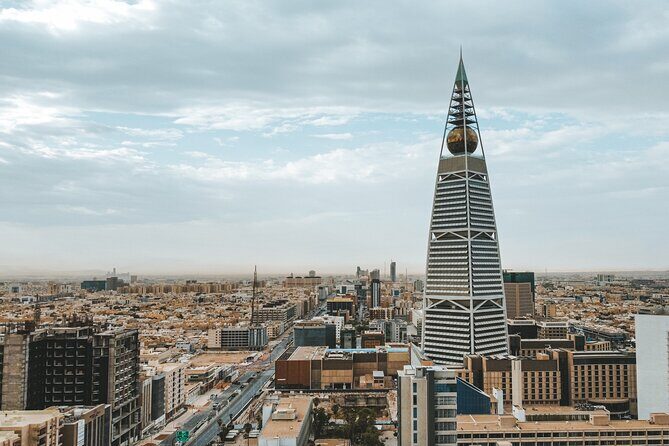
After the souq, you stroll Al Thumairi Street—a favorite for handicrafts and local gifts. The audio sells it as one of Riyadh’s most famous streets, and it lines up nicely with what you’re doing: by now you understand the city’s story, and you’re ready for something tactile.
The most concrete “anchor” detail on this stretch is the clock tower at the end of the road, built in 1966. The tour makes that feel intentional, like a visual marker that modern Riyadh wanted for public life.
This is also your chance to buy without feeling rushed. The stop is listed as 10 minutes, and that’s enough time to check a few stalls, compare items, and decide what feels worth carrying home. If you like gifts with story behind them, this is the moment to go hunting.
Photo strategy: The tour includes “Instagram hotspots,” and this street is exactly where you’ll benefit. Look for a clean background, then let your audio context guide what you point the camera at.
Ath Thumairi Gate and the Qasr Al Hokm street-level feeling
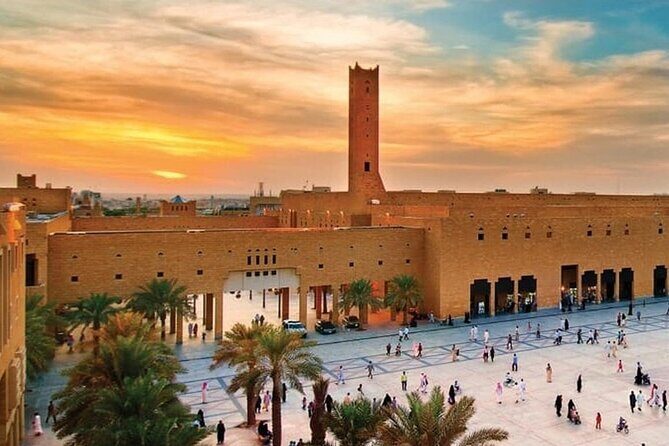
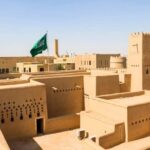
You finish at Ath Thumairi Gate, described as a reconstruction of an old city gate. The audio connects it to the Qasr Al Hokm project, which reconstructs parts of old Riyadh’s heart using the original materials from the old wall.
This ending works because it’s not just a random “final stop.” The gate gives you a physical transition point—from walking among older streets and civic sites into something that tries to restore the sense of the city wall and its boundary.
The stop is listed as 10 minutes, and I’d use it as your wrap-up. Listen to the final chapter, then take a few minutes to look around. If you’ve been paying attention to the stories you heard earlier, this gate tends to click into place: you can literally feel how a walled city relates to markets, mosques, and governance.
Simple takeaway: you end with a place that explains Riyadh’s layered past, not just a place to mark the end of your phone battery.
Price and value: why $9.56 can make sense here

At $9.56 per person, the value is really about how much “guided structure” you get for the money. For that price, you’re buying historical context plus a guided route that helps you navigate central Riyadh without guesswork.
This tour is also short enough to fit into almost any itinerary. The listed duration is about 50 minutes (approx.), but it’s designed for you to stretch longer if you slow down for shopping, snacks, or lingering by a mosque or souq scene.
What you’re not paying for is stuff like headphones (not included) or any guaranteed museum entry. That’s why the best value comes when you’re comfortable being flexible: if a building area is closed, you still get the audio story and you still walk an interesting route that ends in a practical place to shop.
My rule of thumb: If you want a quick, structured intro to central Riyadh without joining a group tour, this price is easy to justify.
Timing, comfort, and walking pace (so you don’t miss the vibe)
This is a self-guided walk, so your biggest variable is timing. The route hits places where daily activity matters—souqs and shopping streets especially.
If you can choose your hour, aim for a time when the market streets feel alive. One useful tip: avoid doing it on Friday before 4pm, because public life and shop activity can lag earlier in the day. Another practical pattern to remember is that some shops may not feel fully open in the morning, so plan accordingly if your goal includes browsing and shopping.
Comfort-wise, the stops are short—often 5 to 10 minutes each. That makes it easy to pause without breaking flow. You can also step aside for refreshments or a quick sit, then jump right back into the next audio chapter.
Gear you’ll want: bring your own headphones and make sure your phone is charged. Offline mode is included, but only if you download ahead of time. Also, keep your screen brightness reasonable so you’re not cooking your battery while you follow the GPS.
Who this Riyadh audio walk is best for
This tour is ideal if you:
- want a quick, organized first look at central Riyadh
- like short audio chapters and walking at your own pace
- plan to end with handicraft shopping on Al Thumairi Street
- appreciate history explained in a practical, site-by-site way
It’s less ideal if you want a fully led, live guide experience. This is self-guided, and the payoff is the audio + route, not real-time Q&A.
Because the tour is capped at a maximum of 10 travelers, it feels like a product built to stay small and focused. Even though it’s self-guided, that cap can matter for how quickly any support issues get handled.
Should you book this self-guided Riyadh tour?
If your goal is a clear intro to central Riyadh that mixes forts, civic landmarks, a bookshop stop, a major mosque, and a souq-to-shopping finish, I think this is a smart pick. The GPS + offline audio combo is the key that makes it feel low-stress, especially in a city where you might not want to constantly ask for directions.
Book it if you’ll use the audio properly (download ahead, bring headphones, walk the chapters in order). Skip or reconsider if you don’t want to rely on your phone for navigation and listening, or if you need guaranteed entry to specific museum spaces.
If you like your travel with structure but not crowds, this is an easy win.
FAQ
How much does the Riyadh Historical Self-Guided Audio Walking Tour cost?
It costs $9.56 per person.
How long is the tour?
The tour is about 50 minutes, though it can last longer depending on how much time you spend at the stops.
Do I need headphones to use the audio?
Yes. Headphones are not included, so you’ll need to bring your own.
Do I need an internet connection while walking?
No. The tour supports offline mode, so you can download tours in advance and listen without WiFi.
Does the tour include navigation help?
Yes. It includes location-aware GPS mapping so you can follow the route and avoid getting lost.
Where does the tour start and end?
It starts outside Al Masmak Palace Museum at 3153، 6937 Al Thumairi St, Ad Dirah, Riyadh 12634, Saudi Arabia, and it ends on Al Thumairi Street near Ath Thumairi Gate.
Are admission tickets included for the stops?
Admission tickets are listed as free for the stops on the route, but the audio tour itself is what you’re paying for.
Is the group size limited?
Yes. The tour has a maximum of 10 travelers.
Can I cancel for a full refund?
Yes. You can cancel up to 24 hours in advance for a full refund.