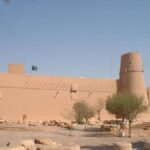
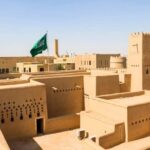
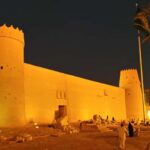
Diriyah hits fast—history and food in one afternoon. This 3-hour outing takes you into Ad Diriyah inside the UNESCO At-Turaif heritage area, then carries you into a typical high street and a local restaurant meal with traditional tea and dinner.
I like how the tour stays guided but still gives you room to wander and shop at your own pace. I also like that you get air-conditioned transport plus bottled water, which matters in Riyadh.
One thing to consider: the schedule is tight. The outing is only about three hours, and if you prefer a slower, linger-long type of sightseeing, you’ll want to set expectations early with your guide about how you want to spend time.
In This Review
- Key Highlights You’ll Actually Feel
- Diriyah in About 3 Hours: The Smart Way to Start Riyadh
- Arriving at Bujairi Terrace: Where the Tour Starts and How to Plan
- Ad Diriyah and At-Turaif: Why Mud-Brick Architecture Needs a Guide
- The High Street Break: Shopping Time Without Feeling Like You’re Being Sold
- Traditional Dinner: What Makes the Meal Feel Like Part of the Tour
- Pacing and Group Size: What 50 People Means for Your Day
- Price and Value: Is $130 Worth It?
- Who This Tour Fits Best (and Who Might Prefer Another Plan)
- Should You Book the Diriyah Tour with Traditional Dinner?
- FAQ
- Where does the tour start?
- What time does it begin?
- How long is the experience?
- Is dinner included in the price?
- Do I need to pay for admission to Ad Diriyah?
- Is there WiFi or a restroom on board?
- How big is the group?
- Can I cancel for free?
Key Highlights You’ll Actually Feel
- At-Turaif focus at Ad Diriyah: mud-brick architecture and Najdi-style details, with a guide to translate what you’re seeing
- Traditional dinner is the point: not just food, but tea, sweets, and explanation of what’s on your table
- Shopping time in Diriyah: you’ll have room to browse the high street and local spots with your guide
- Small-group feel: capped at 50 travelers, so it’s not a cattle-car tour
- Practical transport and comfort: air-conditioned vehicle and bottled water included
Diriyah in About 3 Hours: The Smart Way to Start Riyadh
If you’re trying to build a first impression of Riyadh without spending a whole day commuting or figuring out what’s worth your time, this is a clean starter plan. It’s built around a single historic anchor—Diriyah / At-Turaif—and then a real-world taste of daily life through food and browsing.
The tour starts at 3:30 pm and runs about 3 hours total, including travel between stops, and it ends back at the meeting point. That timing is useful: you get the light and atmosphere for heritage buildings, and then you roll right into the meal when the day cools off.
It’s also unusually straightforward for a heritage + dinner combo. You don’t need to manage tickets for Ad Diriyah, and dinner is included—so you can budget confidently rather than guessing what’s extra once you arrive.
A few more Riyadh tours and experiences worth a look



Arriving at Bujairi Terrace: Where the Tour Starts and How to Plan
The pickup is at Bujairi Terrace Drop Off (Al Bujairi, Diriyah). Since the tour meets and returns to the same place, you can keep your afternoon simple: no moving around to different pickup points, no wondering how you’ll get home at the end.
You’ll be in an air-conditioned vehicle with bottled water included, which is a real quality-of-life upgrade in Saudi Arabia’s heat. One practical catch: the tour info says there’s no restroom on board, so you’ll want to use facilities before you go or plan on quick breaks during the stops.
Also note the small logistics details that can trip people up: there’s no WiFi on board, and you’ll rely on mobile reception for any last-minute maps or messaging. The good news is you’ll have a mobile ticket, so you’re not juggling paper.
Ad Diriyah and At-Turaif: Why Mud-Brick Architecture Needs a Guide
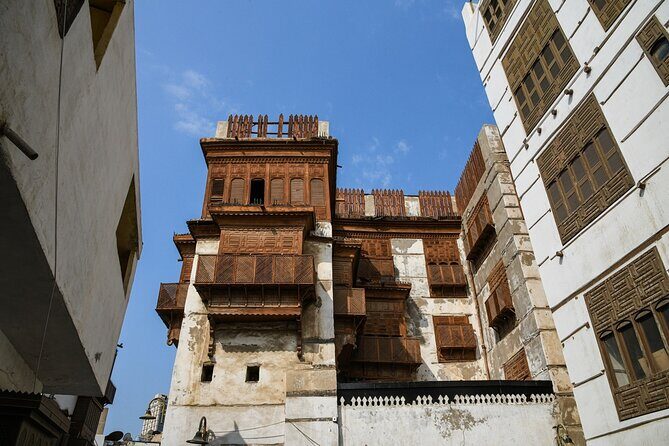
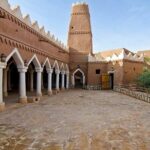
Your first stop is Ad Diriyah, within the UNESCO At-Turaif heritage area. This is where the tour earns its keep. The buildings are mud-brick and Najdi-style, and if you’re just looking without context, it’s easy to see shapes and textures without understanding what makes them historically important. A strong guide turns it into a “wait, I see that now” experience.
In practical terms, expect about 1 hour 30 minutes at this site. That’s not enough time to become an architecture student, but it is enough to:
- spot different building features and learn what they signaled in daily life
- understand how the area fits into the story of Diriyah
- ask quick questions as you walk, so nothing feels like a blur
What I’d aim for during this block: don’t rush through every doorway or wall line just to “cover it.” If the guide explains one or two details deeply—materials, design choices, or how people used these spaces—you’ll remember more than if you try to hit everything. The stops are structured so you can learn without feeling stuck.
Guides on this tour are repeatedly praised for bringing the sites to life in English and for explaining not only what you’re looking at, but also what it meant. Names that come up often include Nada and Suliman, and both are described as attentive and organized with good pacing.
The High Street Break: Shopping Time Without Feeling Like You’re Being Sold
After the heritage stop, you’ll have time to wander a typical high street and shop at your own pace while still staying with the group. This is one of the best parts of the format because you can do two things at once:
1) keep the cultural context from the heritage area
2) actually spend time in local retail life instead of speed-walking past it
You’ll get a chance to browse with your guide and (in good cases) get pointers on what’s worth your attention. In the experience feedback, guides like Nada and Suliman are specifically credited with introducing people to shops and creating a relaxed atmosphere—so you’re not stuck feeling like every purchase is an ordeal.
A smart move here: go in with one small shopping goal. For example, decide you only want to look for tea items, sweets packaging, or a small souvenir you can carry easily. When you keep the goal small, you won’t burn time trying to decide on the spot.
Traditional Dinner: What Makes the Meal Feel Like Part of the Tour
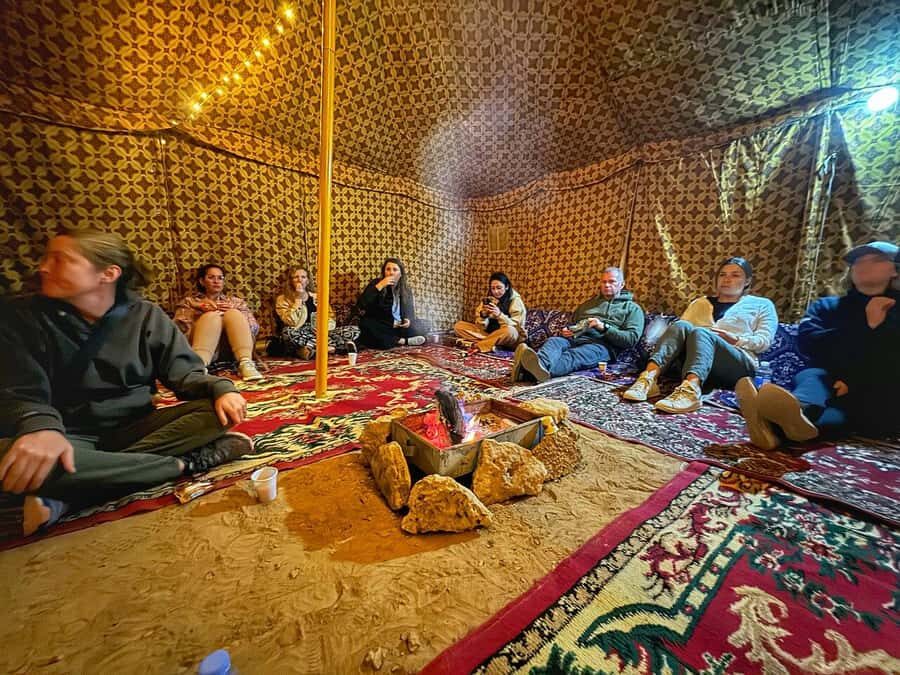
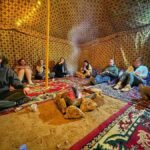
The dinner is the heart of this outing. You’re not just fed; you’re guided through it. The tour includes a traditional meal and—based on the on-the-ground experiences shared—often comes with tea and sweets before or alongside dinner.
What stands out is the way the meal gets explained. People describe an experience where the guide talks through the dishes so you understand what you’re tasting rather than eating in silence. That matters. In a heritage setting, food is one of the quickest ways to connect to culture without needing a museum ticket or a long lecture.
Dinner is included, and the tour notes indicate a local restaurant stop for the meal. That also means you’ll eat away from the “only tourist restaurants” bubble, which is usually where value and authenticity improve.
One more practical detail: if you have any dietary needs, it’s worth checking in during booking. The tour data doesn’t list dietary options, so I wouldn’t assume the menu can be customized automatically.
A few more Riyadh tours and experiences worth a look



Pacing and Group Size: What 50 People Means for Your Day
The group cap is 50 travelers, which is large enough that you may sometimes hear the guide over your own pace, but small enough that the day shouldn’t feel like a megabus. Also, since this is a short tour, it tends to move with purpose—heritage, then meal, then back.
The pacing is also where reviews show contrast. Most experiences describe a calm rhythm and guides who let you set the pace. But there’s at least one account where the experience felt like it split into two halves, with the second part ending more abruptly.
How you protect yourself from that risk:
- arrive a little early at the meeting point
- be clear about your priorities for time during the first stop
- if you want extra time shopping or at a specific area, ask early rather than assuming it’ll happen automatically
Most of the feedback emphasizes attentive, caring guides. Names that show up with repeated praise include Nada for careful guidance and dish explanations, and Suliman for being informative and helpful, including waiting until an Uber arrived. That kind of follow-through makes a difference when you’re trying to keep your evening plans smooth.
Price and Value: Is $130 Worth It?
At $130 per person for about three hours, this isn’t a bargain-basement add-on. The value is in what’s bundled and how little thinking you have to do:
- Ad Diriyah entry is free (so you’re not paying extra once you’re there)
- Dinner is included, which is usually the most expensive part of a heritage-themed half day
- Air-conditioned transport and bottled water reduce your “in the moment” costs and stress
- A guide handles the meaning of what you see, plus helps you navigate shopping areas
If you were to replicate this on your own, you’d likely spend time figuring out entry/timing, then pay separately for transport, a traditional meal, and a guide (or guide-level explanations) to make the heritage stop click. Here, you’re paying for structure and interpretation, and that’s exactly what makes it feel worth it for a first visit.
The only reason I’d hesitate is if you already love architectural sites and prefer to explore totally independently. In that case, a fixed-route guided tour may feel more scheduled than you want.
Who This Tour Fits Best (and Who Might Prefer Another Plan)
This experience is ideal if you want:
- a first look at Diriyah without building a complicated day
- a guided explanation at At-Turaif / Ad Diriyah
- traditional food that’s treated as part of the story, not just an afterthought
- some shopping time that doesn’t feel like a forced detour
It also suits couples and solo visitors who want a cultural start and then freedom afterward. The tour ends back at the starting point, which makes it easier to plan your next move by yourself.
If you’re the type who hates itineraries and prefers long, self-directed wandering, consider whether the tight time box will frustrate you. This is designed to pack a lot into a short evening, and that can feel either efficient or rushed depending on your style.
Should You Book the Diriyah Tour with Traditional Dinner?
I’d book it if you’re trying to hit the strongest “what to see + what to eat” combo in Riyadh’s heritage area—especially if it’s your first trip and you want context fast. The built-in dinner and tea component, plus the free entry at Ad Diriyah, makes the price easier to justify.
I’d think twice only if you’re very sensitive to pacing or you know you’ll want to stay far longer in one spot than the schedule allows. If that’s you, message your guide at the start about your preferred timing so the day doesn’t feel like it runs ahead of you.
Overall, it’s the kind of evening plan that’s simple to understand, easy to budget, and likely to leave you with more than photos—because you’ll walk out knowing why these mud-brick walls and dishes matter.
FAQ
Where does the tour start?
The tour starts at Bujairi Terrace Drop Off (PHPF+WRF, Al Bujairi, Diriyah 13711, Saudi Arabia).
What time does it begin?
It starts at 3:30 pm.
How long is the experience?
It runs for about 3 hours (approx.), including transportation to each location.
Is dinner included in the price?
Yes. Dinner is included, along with bottled water.
Do I need to pay for admission to Ad Diriyah?
No. The ticket for Ad Diriyah is listed as free.
Is there WiFi or a restroom on board?
There is no WiFi on board, and a restroom on board is not included.
How big is the group?
The tour has a maximum group size of 50.
Can I cancel for free?
Yes. You can cancel up to 24 hours in advance for a full refund. Canceling less than 24 hours before start time is not refundable.