REVIEW · JEDDAH
Jeddah : Jeddah’s Traditional Tour
Book on GetYourGuide →Operated by Gray Line UAE & OMAN · Bookable on GetYourGuide
Old Jeddah rewards anyone with a good eye. This short tour mixes heritage stops like the Ukash Mosque and Beit Nassif with a modern feel from Tahlia Street. I love that you get both the postcard views and the street-level details that make Jeddah feel like a real place.
Two parts are especially strong for me: the Tayyebat Museum (it’s a fast way to wrap your head around Jeddah’s long story) and the Old Jeddah architecture you see up close—especially when the tour hits Beit Nassif and the mosque area. You also get a practical mix of photo-friendly viewpoints and guided context, not just a drive-by.
One thing to keep in mind: the tour can feel partly structured and partly self-paced depending on the stop. In a few experiences, people reported the need to navigate to a meeting point within limited time, so you’ll want to pay attention to instructions and stay punctual.
In This Review
- Key highlights that make this tour worth your time
- Setting Off: 4 hours in Jeddah means smart pacing, not long wandering
- Tahlia Street: the best 30 minutes you’ll spend learning the city’s present
- Old Jeddah’s spine: Old Market, galleries, and the feel of older streets
- Beit Nassif: architecture you can’t fake later with photos
- Ukash Mosque: a calm, meaningful landmark in Old Jeddah
- Gabel Street’s old gold market: the trading story in one street
- SuperDome Jeddah photostop: a quick modern contrast
- Tayyebat Museum in Al Faisaliyah: where traditional Hijazi design clicks
- Jeddah Corniche: the Jeddah sign, the fountain, and a sea-breeze reset
- Ending at the Jeddah Waterfront: history meets modern coastal life
- Price and value: does $54 make sense for 4 hours?
- Meeting your guide and staying on schedule: a practical reality check
- Who this tour is best for (and who should look elsewhere)
- Should you book this Jeddah Traditional Tour?
- FAQ
- How long is the Jeddah Traditional Tour?
- What does the tour cost?
- Does the tour include hotel pickup and drop-off?
- Are entrance tickets included?
- What areas and landmarks does the tour cover?
- What languages do the driver and/or guide speak?
- Are food and drinks included?
- What is the cancellation policy?
- Can I reserve and pay later?
Key highlights that make this tour worth your time
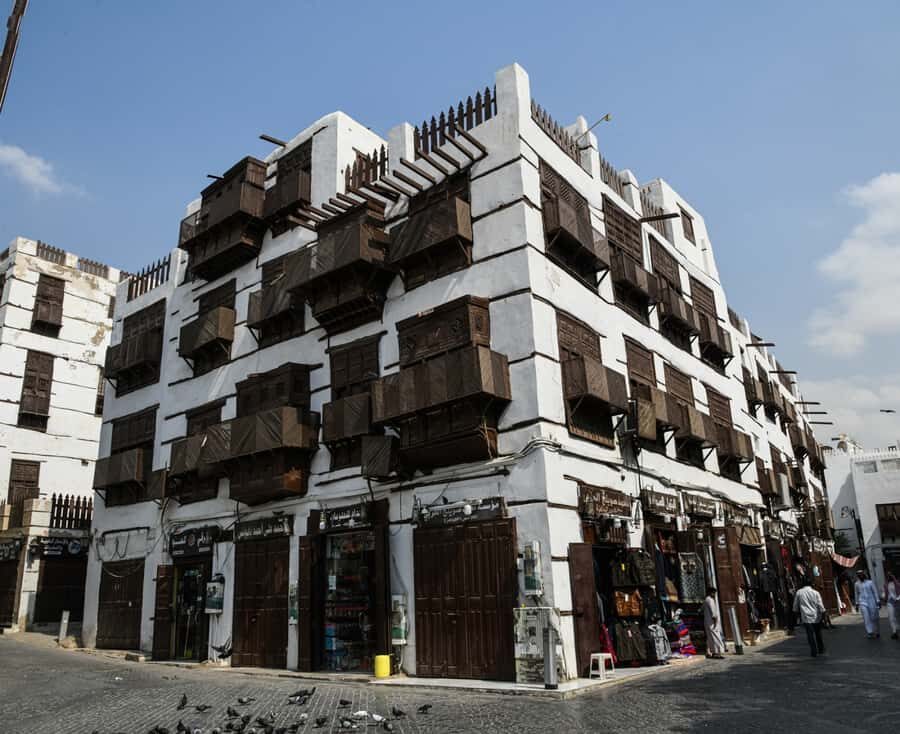
- Old Jeddah core landmarks: Old Market and galleries, with stops designed for quick, meaningful viewing
- Beit Nassif: an attention-grabbing building that’s easy to remember even after the tour ends
- Ukash Mosque: a classic local sight that turns architecture watching into the main event
- Tahlia Street walking time: shops, eateries, and street energy while your guide explains what’s changing
- Tayyebat Museum (Al Faisaliyah): a multi-room setting that helps you visualize traditional Hijazi design
- Jeddah Corniche and Waterfront: finishing with the sea air and the iconic Jeddah sign and fountain
Setting Off: 4 hours in Jeddah means smart pacing, not long wandering
This is a 4-hour highlights tour, built for people who want the “this is Jeddah” overview without spending an entire day planning routes. You start with hotel pickup and a driver who helps you get from neighborhood to neighborhood, which matters in a city where the charm is spread out.
The early part of the day is about orientation. You cruise along Tahlia Street first—one of the most useful ways to get your bearings because it’s lined with shops and places to eat. As you walk that strip, your guide talks through what you’re seeing, and the street becomes more than a corridor of stores. It turns into a snapshot of how Saudi Arabia is changing day to day.
You’ll also notice the rhythm: drive time, short stops, and then a walk when it makes sense. That structure is good for staying on schedule, but it also means you won’t have hours to linger inside every alley and shop you pass. If you’re the type who wants to browse slowly, keep that in mind before you book.
You can also read our reviews of more tours and experiences in Jeddah.


Tahlia Street: the best 30 minutes you’ll spend learning the city’s present
Tahlia Street is one of the easiest places to understand modern Jeddah. The tour builds in time for a walk there—a daily walk on Tahlia, as the experience describes it—so you’re not just sitting in a vehicle while the city goes by.
What makes this section work is the mix of practical and visual. Shops line both sides, and the eateries give you plenty of options if you want to grab a snack on your own time (food and drinks aren’t included). Even if you’re not shopping, the street teaches you something: how locals move, where people pause, and what “everyday” looks like right now.
A good rule for this part: keep your camera ready, but don’t spend all your energy photographing. The real value is listening to the guide’s context about what you’re seeing, then using photos as memory anchors.
Old Jeddah’s spine: Old Market, galleries, and the feel of older streets
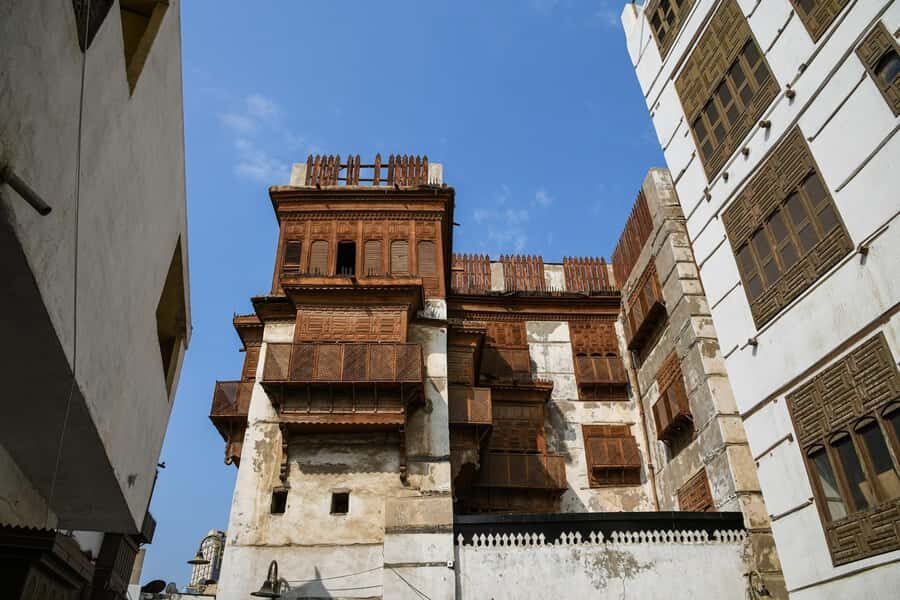
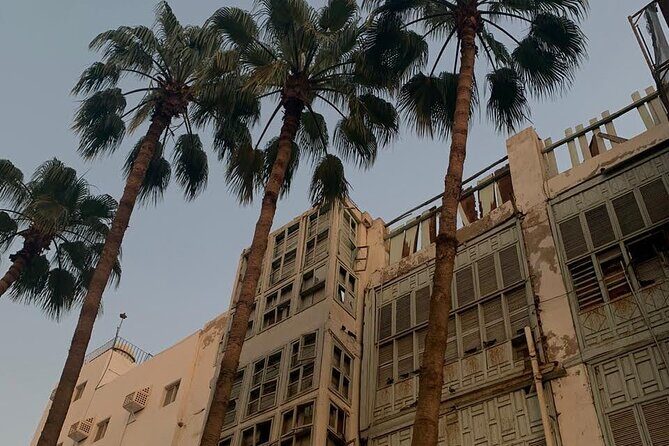
Once the tour turns toward the Old Jeddah area, the vibe changes fast. The route is designed around landmarks you can recognize and remember—Old Market and nearby galleries first—so you get a sense of what used to be the city’s commercial core.
This isn’t about ticking boxes. It’s about learning how Jeddah functioned as a port city and trade hub. In Old Jeddah, the spaces tell stories: narrow pathways, clusters of buildings, and the way markets organize themselves around foot traffic.
One drawback worth noting: the pace here can be quick. You’ll see a lot, but you won’t get an hours-long “wander and discover” session. If you want to browse at length, plan to do that afterward using what you learned here.
Beit Nassif: architecture you can’t fake later with photos
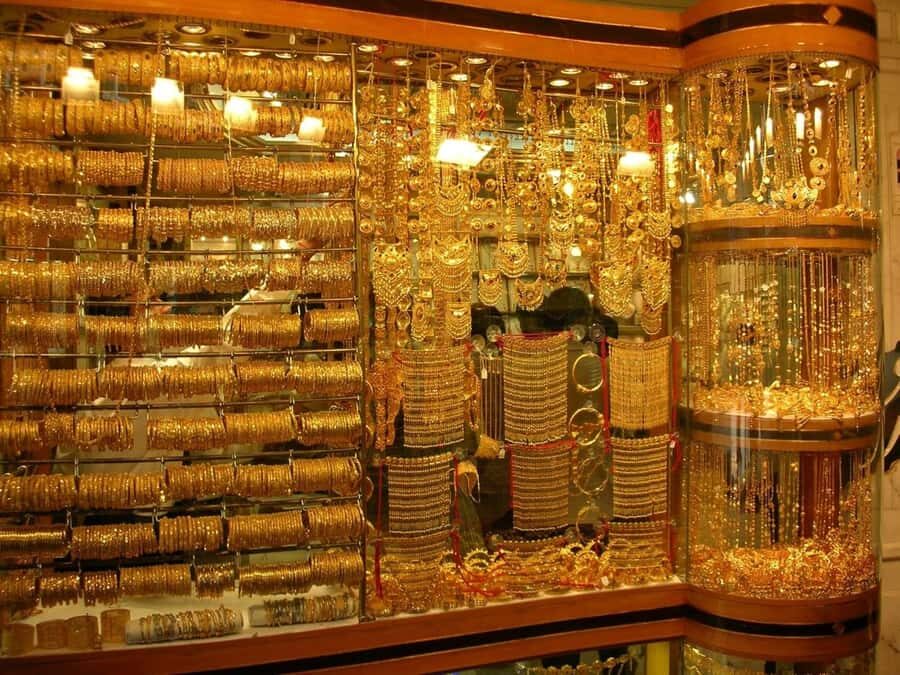
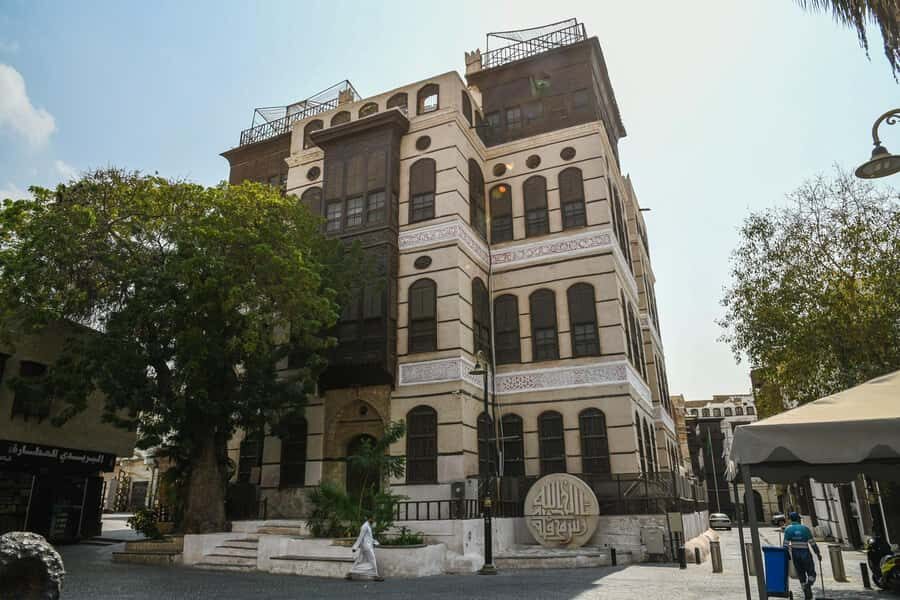
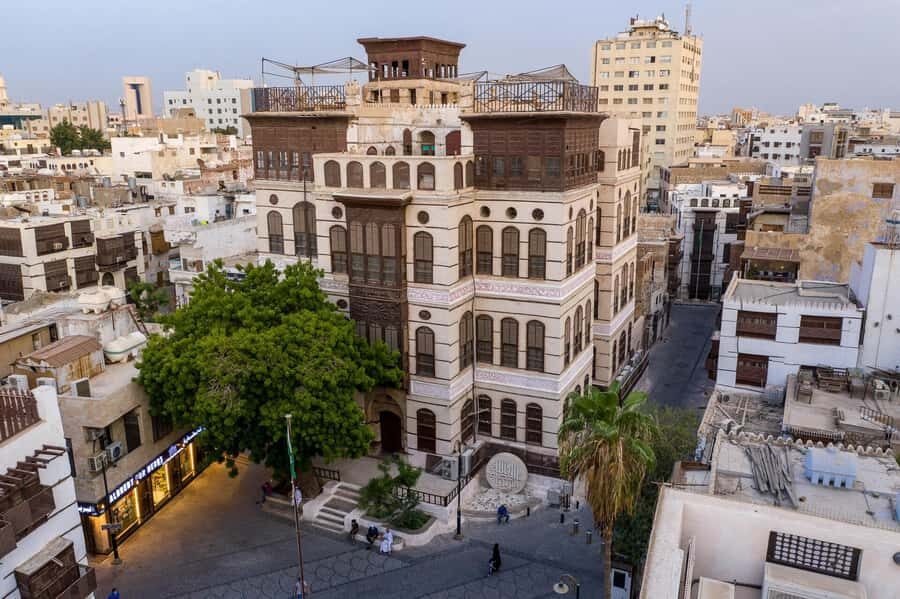
Beit Nassif is one of those stops that makes the whole tour feel more grounded. It’s included specifically because it’s visually strong—something you can notice even if you’re not an architecture expert.
From a visitor’s perspective, this matters. When you only visit museums and big viewpoints, cities can start to feel abstract. A stop like Beit Nassif gives you a concrete detail to hold onto: the shape, the design, and the sense of a home or building that reflects its time.
If you’re traveling with someone who usually complains about “just looking at buildings,” this is often the kind of stop that flips the script, because it’s easier to appreciate with your eyes than with a lecture alone. Just take a few minutes here without rushing the angles. One or two slower looks will pay off.
Ukash Mosque: a calm, meaningful landmark in Old Jeddah
The tour includes a visit to the Ukash Mosque, which is a key piece of Old Jeddah’s identity. Even if you’re not planning to go deep into religious details, the mosque stop does two useful things:
1) it gives the architecture a purpose (not just decoration), and
2) it helps you understand that Jeddah’s heritage isn’t only about buildings—it’s also about community life.
Keep expectations realistic. This is a highlights tour, so you’re there for viewing and context, not a long stay. You’ll want to follow on-site guidance about movement and behavior. If your schedule is tight, do not count on extra time for lingering.
This stop also tends to be memorable because it’s visually distinct and emotionally quieter than markets. That contrast is one reason the tour feels balanced.
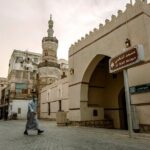




Gabel Street’s old gold market: the trading story in one street
The experience calls out the old gold market on Gabel street, and that’s a smart inclusion for anyone who wants trade history without reading a textbook. Markets like this don’t only sell items; they show how people gathered, how commerce worked, and what kinds of goods mattered in older Jeddah.
It’s also a great photo area—good light, lots of detail, and a street feel that’s hard to recreate elsewhere. If you want a practical tip, it’s this: before you take photos, look once for overall context (where the street bends, how shop fronts line up), then go closer for details. Your photo set will look more intentional later.
SuperDome Jeddah photostop: a quick modern contrast
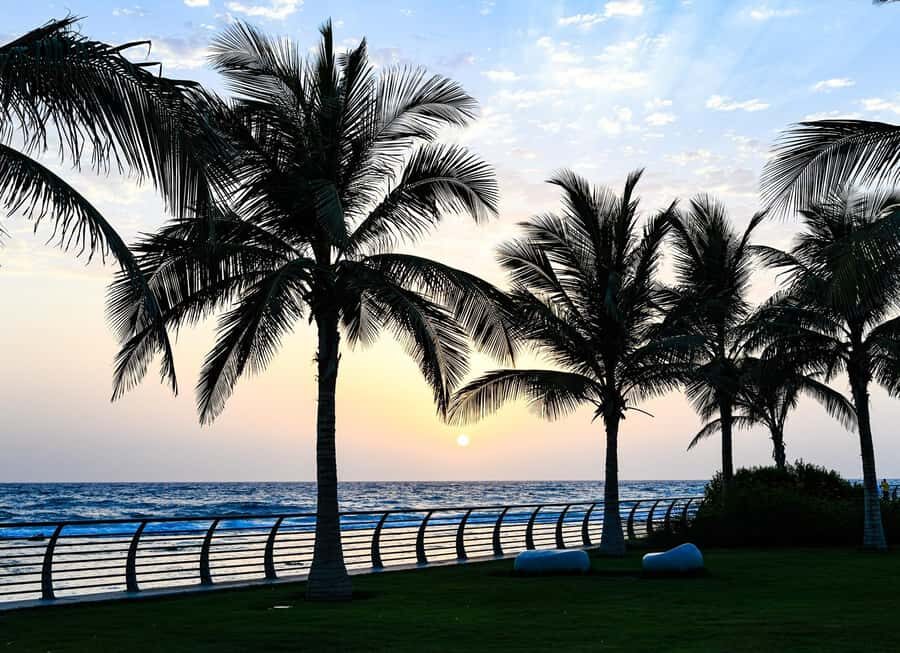
There’s a SuperDome Jeddah photostop during the tour. It’s brief, but it serves a purpose: it adds a modern anchor near the end or middle of the route so you don’t walk away feeling like you only visited the past.
Think of it like a visual punctuation mark. Old Jeddah gives you texture; the modern photostop gives you scale.
If you’re the type who prefers only historic sights, you might feel this is a lighter moment. But for most visitors, the contrast helps the whole trip feel like one complete snapshot rather than a one-note theme.
Tayyebat Museum in Al Faisaliyah: where traditional Hijazi design clicks
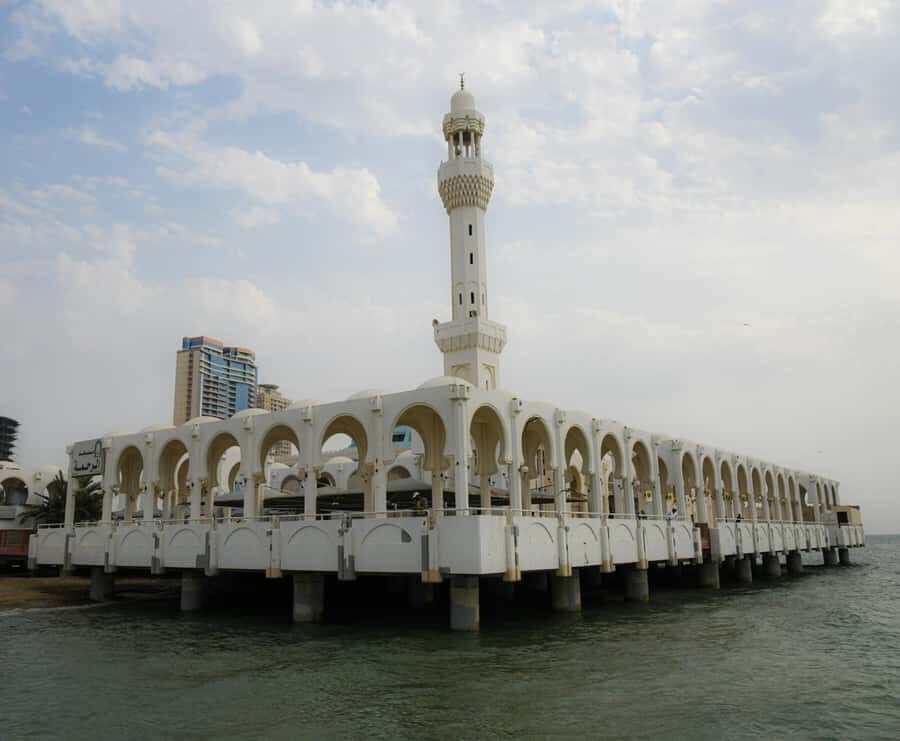
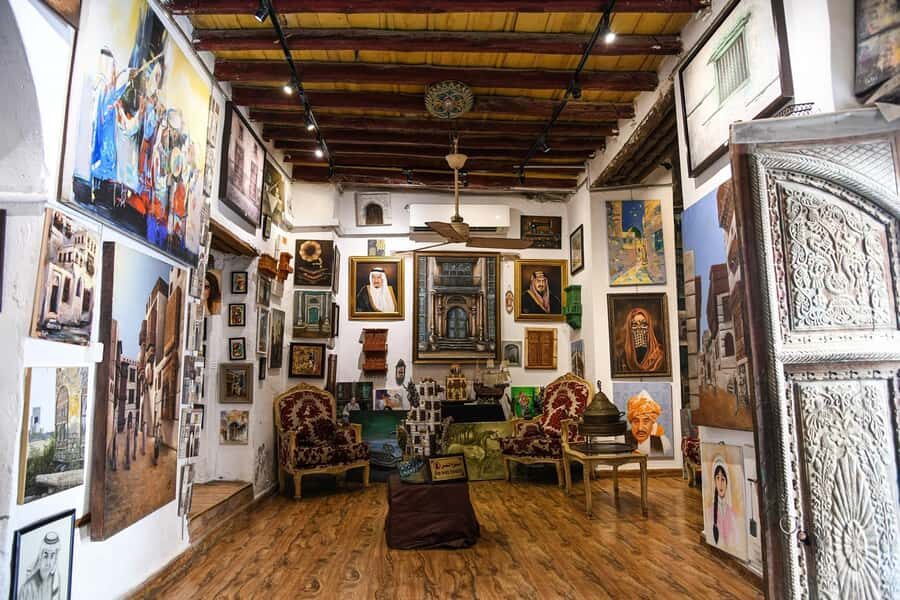
The Tayyebat Museum is one of the best parts of this tour. It’s located in the Al Faisaliyah district, and the museum setting uses multiple rooms to recreate traditional Hijazi architecture of the old city.
That “multi-room” setup is important. It means you’re not stuck with one big hall where everything feels distant. Instead, the rooms help you see how people lived and moved through spaces—how architecture shapes daily experience.
From a value perspective, this stop does a lot in a short time. You’re seeing a carefully arranged representation of Jeddah’s long and cosmopolitan past, which helps you connect the dots between what you saw in Old Jeddah and why it looked the way it did.
If you’ve only got one museum stop in town, this one is a strong choice for understanding the local style quickly. The tour’s 4-hour structure makes the museum feel like the centerpiece rather than an optional add-on.
Jeddah Corniche: the Jeddah sign, the fountain, and a sea-breeze reset
After the museum, the tour heads to the Jeddah Corniche, including landmark stops like the Jeddah sign and fountain. This is where the tour’s mood shifts again—from heritage rooms and older streets to open air and coastline views.
The Corniche is useful because it gives you a breather. Even if you’re not a beach person, it’s one of the easiest places to process what you’ve seen so far. Your brain gets a reset after museums and markets.
This is also a practical stop for photos that actually look like Jeddah. The sign and fountain are instantly recognizable, and they’re the kind of landmarks that make it easy to orient yourself later.
Ending at the Jeddah Waterfront: history meets modern coastal life
The tour finishes at the Jeddah Waterfront, described as a place where history and modernity blend. That final stretch is designed to land you near the water, which helps the experience feel complete and relaxed.
A hotel drop-off follows, which is a big plus when you’re traveling with limited time. You get the main sights without needing to figure out how to get across town afterward.
If you’re planning dinner after, this is a good position to be in. Just remember food isn’t included on the tour, so you’ll want to decide where you want to eat once you see what’s nearby.
Price and value: does $54 make sense for 4 hours?
At $54 per person for a 4-hour experience, the value comes down to what you’re getting besides the sightseeing.
You’re covered for:
- Hotel pickup and drop-off
- Driver assistance
- Entrance tickets
Entrance tickets and pickup alone can be a deal in most cities. Add in multiple landmark stops—Old Jeddah sites, the museum, and Corniche/Waterfront—and the price feels more reasonable because you’re not paying separate entry fees while also saving time on transit.
That said, a short tour is never perfect. In a couple of experiences, people pointed out that some parts can feel a bit self-paced or time-limited. So I’d call this good value if you’re comfortable moving at a guided pace, and less ideal if you want long, slow wandering.
Meeting your guide and staying on schedule: a practical reality check
The tour runs with an English/Arabic driver, and the experience includes guide context during key areas. Still, in real-world tours, meeting points and timing matter as much as the attractions.
Some visitors have reported difficulty finding the guide at the start and suggested clearer on-site identification. Others felt the schedule left too little time for navigation and self-direction.
So do yourself a favor:
- Confirm the exact pickup meeting details before you leave your hotel.
- Keep your phone charged and accessible for quick coordination.
- Arrive a little early and don’t treat the first meeting like a casual meetup.
If you handle that, the tour can feel smooth and enjoyable. If you don’t, the 4-hour limit can start to feel tighter than it needs to.
Who this tour is best for (and who should look elsewhere)
This tour is a strong match if you want:
- a high-impact Old Jeddah overview without spending a full day,
- a museum stop that helps you understand the city’s design traditions,
- enough time on Tahlia Street to see everyday Jeddah, not only heritage sites.
It’s less ideal if you:
- hate structured time limits,
- want hours to browse shops inside Old Jeddah at your own tempo,
- prefer tours where you never have to think about meeting points or short transitions.
It also suits solo travelers who want a guided path, and couples or small groups who want their memories shaped by good context rather than random walking.
Should you book this Jeddah Traditional Tour?
I’d book it if your goal is a 4-hour Jeddah sampler that includes the essentials: Old Jeddah landmarks, the Ukash Mosque and Beit Nassif for architecture lovers, Gabel Street for the market story, and the Tayyebat Museum to tie it all together. The Corniche sign and waterfront finish give you a satisfying, photo-friendly landing.
I’d hesitate if you’re the type who needs long, unhurried browsing time or you get easily stressed by tight transitions. In that case, consider a longer Old Jeddah-focused plan instead.
FAQ
How long is the Jeddah Traditional Tour?
The tour duration is 4 hours.
What does the tour cost?
It costs $54 per person.
Does the tour include hotel pickup and drop-off?
Yes, hotel pickup and drop-off are included.
Are entrance tickets included?
Yes, entrance tickets are included.
What areas and landmarks does the tour cover?
You’ll visit Old Jeddah landmarks such as the Old Market and galleries, Beit Nassif, the Ukash Mosque, and the old gold market on Gabel street. The tour also includes time on Tahlia Street, the Tayyebat Museum, the Jeddah Corniche (including the Jeddah sign and fountain), and the Jeddah Waterfront, plus a SuperDome Jeddah photostop.
What languages do the driver and/or guide speak?
English and Arabic.
Are food and drinks included?
No, food and drinks are not included.
What is the cancellation policy?
You can cancel up to 24 hours in advance for a full refund.
Can I reserve and pay later?
Yes. The option is Reserve now & pay later, meaning you can book your spot and pay nothing today.