REVIEW · JEDDAH
Historic District Tour in Jeddah by a Local Guide
Book on Viator →Operated by Ayat · Bookable on Viator
Jeddah’s old town hits fast. This Historic District Tour in Jeddah is a focused 3–4 hour route through Al-Balad, the UNESCO World Heritage area where coral-stone buildings and old lanes still tell the story of how the city grew. You’ll move gate to mosque to market to house-museum, with a local guide who knows what to point at and what to skip.
What I like most: you get real context for the architecture and the pilgrim-trade history behind the scenes, not just stop-and-photo commentary. And you get practical comfort built in—traditional Saudi coffee or tea with dates and sweets, plus snacks and bottled water—so the walking feels doable.
One thing to consider: this is old-town walking, with no lifts inside historic houses. If stairs or narrow interiors are tough for you, plan your pace and tell Ayat what you want to prioritize.
In This Review
- Key highlights you should care about
- Why Al-Balad in Jeddah feels like a time machine
- Price and value: what $127.50 really covers
- Start at Bab Alfurdhah, then Bab Jadid sets the tone
- Walking Al-Balad itself: houses, museums, cafes, and markets
- Nassif House Museum: the big house moment
- Al Shafei Mosque and the street-level sacred sites
- Souq Al Alawi and Qabel Trail: where old markets show up
- Zawiya 97 and the craft departure point
- Art gallery time and a pilgrim-era monument stop
- Tariq Abdulhakim Center: museum stop with direction
- Coffee, tea, dates, and snacks: the smart “break” system
- Practical tips: shoes, stairs, and how to handle no-lift houses
- Who this tour fits best (and who should adjust)
- Should you book this Al Balad Historic District Tour?
- FAQ
- How long is the Historic District Tour in Jeddah?
- Where does the tour start and end?
- What’s included in the price?
- Is transportation included?
- Is this a group tour?
- Which major sites are on the route?
- Are admissions included?
- Is the tour suitable for people with mobility challenges?
- What if weather is bad?
- What’s the cancellation policy?
Key highlights you should care about
- Ayat’s guiding style: patient, attentive to the group, and flexible if you want to slow down or move faster
- Historic hits in a tight loop: Bab Jadid, Al Shafei Mosque, Souq Al Alawi, Qabel Trail, and house-museum time
- Included refreshment breaks: tea or coffee with dates and sweets, plus snacks and water
- Local culture stops: Zawiya 97 placemaking for crafts, plus art gallery time
- Museum fees covered: helpful if you don’t want to think about extra tickets mid-walk
Why Al-Balad in Jeddah feels like a time machine
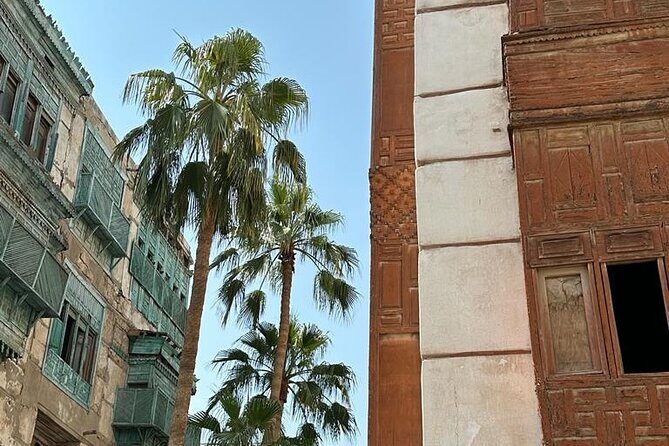
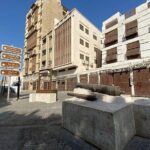
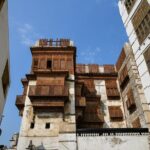
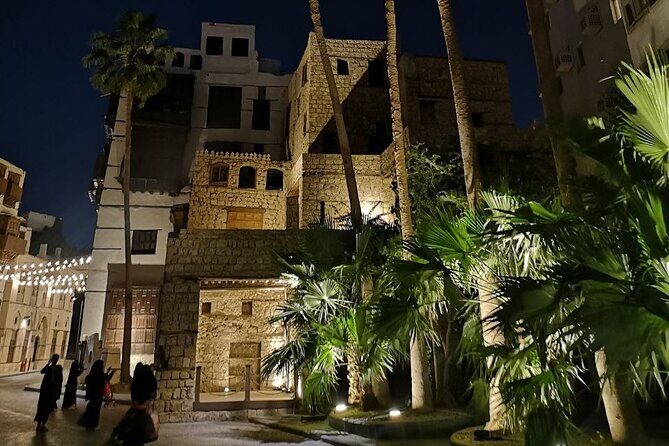
Al-Balad (Historic Jeddah) is the kind of place where the streets already do the storytelling. The district is recognized as a UNESCO World Heritage Site since 2014, and that matters because the area wasn’t just preserved—it was kept meaningful. You’ll see the signature coral-stone architecture, the kind of heavy, cool-looking stonework that makes the lanes feel different from modern Jeddah.
What makes this tour work is the pace. Instead of trying to cover everything in a rushed checklist, you get a sequence that makes sense: enter through an old gate, read the street-level life in the markets, then slow down inside major historic landmarks. It’s an easy way to understand why Jeddah became a key port city tied to pilgrims traveling to Makkah.
And yes, you’ll be walking. But it’s the kind of walk where each turn gives you something to notice—doorways, wind-catchers, shaded corridors, and the way the buildings hug the alley system.
You can also read our reviews of more guided tours in Jeddah

Price and value: what $127.50 really covers
At $127.50 per person for about 3–4 hours, this is not a bargain-bucket tour. It’s a comfort-and-content tour. The value comes from what’s included: museum fees, plus bottled water, traditional coffee or tea with dates and sweets, and snacks.
There’s also a “less thinking” factor. Museum stops can add up fast when you’re traveling and juggling budgets. Here, the tour package already handles those entry costs, so you can spend your energy on the sights, not on ticket math.
One more value point: it’s listed as a private tour/activity, meaning it’s just your group. That matters in a place like Al-Balad, where small group spacing helps you actually hear stories and look closely at details instead of constantly playing human bumper cars in narrow lanes.
Start at Bab Alfurdhah, then Bab Jadid sets the tone
Your tour begins at Bab Alfurdhah (near Al-Balad), and you’ll start by meeting at Bab Jadid—one of the oldest gates of the old town. This is a smart opening. A gate is a threshold. Once you know what a gate meant (control, entry points, the movement of goods and people), you start noticing patterns in everything that comes after.
Bab Jadid is also quick—about 5 minutes—but don’t let the time fool you. Think of it as warming up your eyes. You’re not looking at a museum display; you’re standing where people historically entered and exited, and then you move straight into the Al-Balad core.
If you’re the type who likes first impressions: this start gives you momentum. If you’re the type who likes facts: your guide sets the historical frame early, so later stops land harder.
Walking Al-Balad itself: houses, museums, cafes, and markets
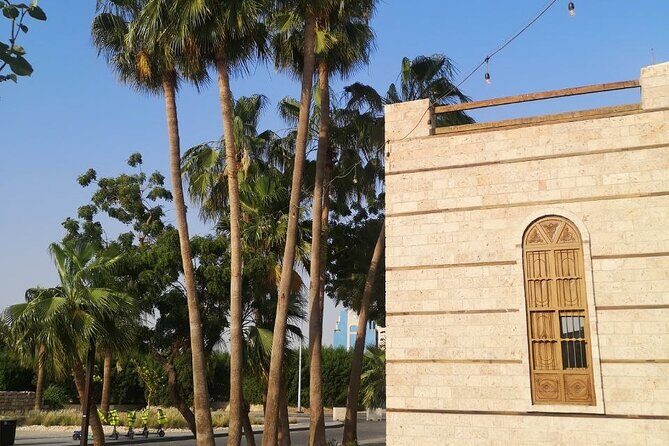
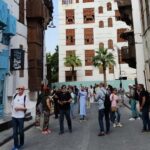
The heart of the experience is time in Al-Balad itself (around 2 hours). This is where the district feels real rather than staged. You’ll see old houses, much of it restored, and a mix of uses—some buildings turned into museums and art spaces, others functioning as cafes and gathering points.
This is the part where you learn the difference between seeing pretty old streets and understanding why they’re special. Coral-stone architecture isn’t just a look; it’s a response to climate and daily life. The alley layout and building fronts tell you how people moved, where they met, and how the city worked as a trading port.
And then there’s the “everyday culture” element. You’re not only visiting landmark buildings. You’re also getting to the older market rhythm—where commerce, crafts, and local food culture blend together. The tour is built so you don’t just arrive at history; you walk through it while it’s still alive.
Nassif House Museum: the big house moment
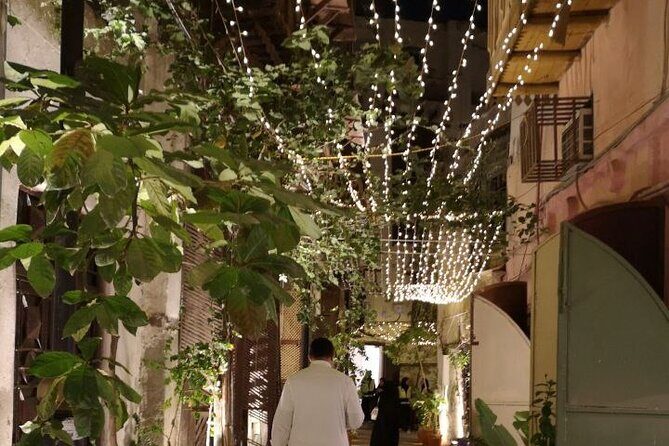
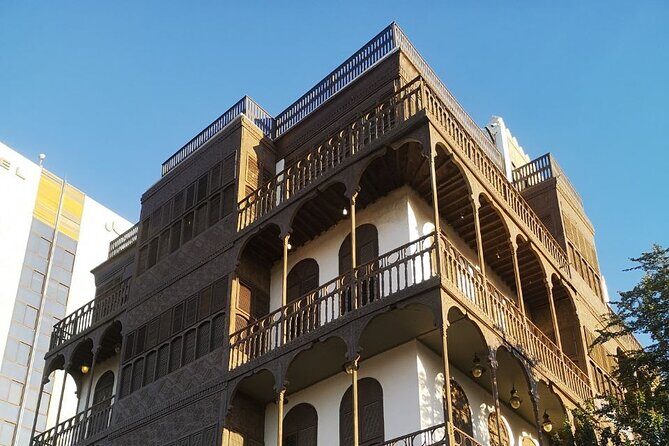
One of the most notable stops is the Nassif House Museum. It’s given around 5 minutes, but the importance here is what it represents: how high-status homes functioned in the old town. Even in a short visit, house-museums tend to change how you read everything else you’ve seen on the street.
If you’re the kind of person who loves architecture details—doors, openings, room arrangements—this stop is likely to please you. Also, the tour notes there are no lifts inside historic houses, which means this is not a “push-button easy” environment. You might need to take your time, especially if you want to look at interiors.
My practical advice: keep your expectations matched to the time you’re there. This isn’t a long independent museum day. It’s a guided stop that helps you understand the structure and story, then moves you along before your feet revolt.
You can also read our reviews of more historical tours in Jeddah



Al Shafei Mosque and the street-level sacred sites
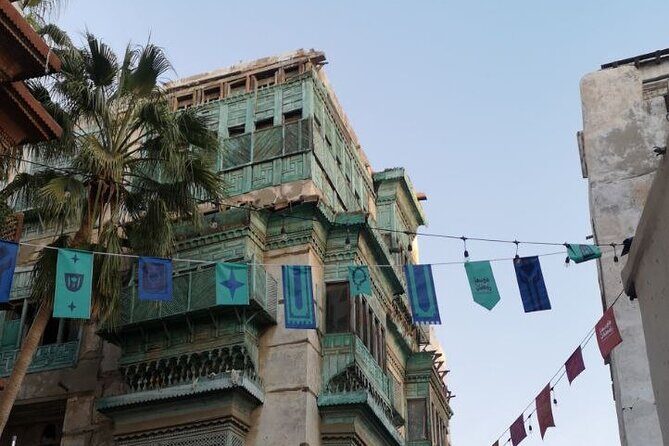
Next up is the Al Shafei Mosque, described as the oldest mosque in the old town, again around 5 minutes. It’s a quick stop, but sacred sites work differently than buildings you only view from the outside. You notice how the street feels around it, and you start connecting religious space with daily movement.
This is also one of those stops that can reset your focus. Al-Balad can feel like a maze (in a good way). The mosque gives you a clear landmark, so later markets and centers feel easier to navigate.
Because this tour moves fast between key points, I’d suggest you use this stop to look slowly for a minute. Let your guide’s context land, then check the surrounding street texture—shadows, entrances, and the way people pass by.
Souq Al Alawi and Qabel Trail: where old markets show up
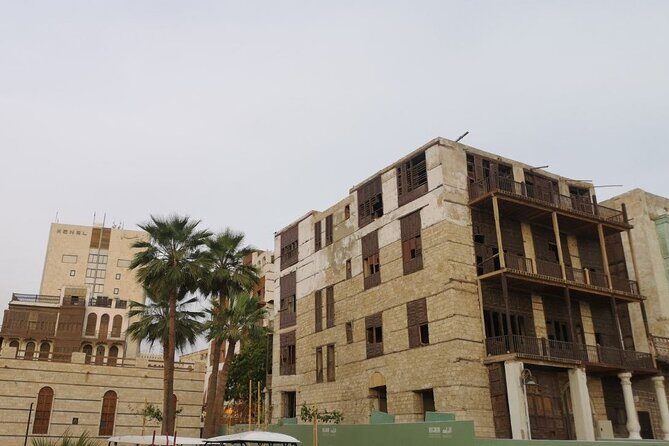
Two market stops anchor the shopping-and-crafts side of Al-Balad:
- Souq Al Alawi (about 20 minutes)
- Qabel Trail (about 5 minutes)
Souq Al Alawi gets more time, which is useful because markets reward lingering. You’ll see old market life and get a guided sense of what you’re looking at and how the area historically functioned. This is the place for questions like: What’s the street structure telling me? What trade patterns might have looked like here?
Qabel Trail is shorter, so treat it as a connective tissue stop. It helps you understand how the market network worked through multiple lanes and nodes rather than one big bazaar.
If you’re shopping, go with a plan. Markets are great for small finds, and you might end up tempted by crafts and souvenirs. The tour’s included stops and snacks also help—because you’ll make better choices when you’re not hungry and overheated.
Zawiya 97 and the craft departure point
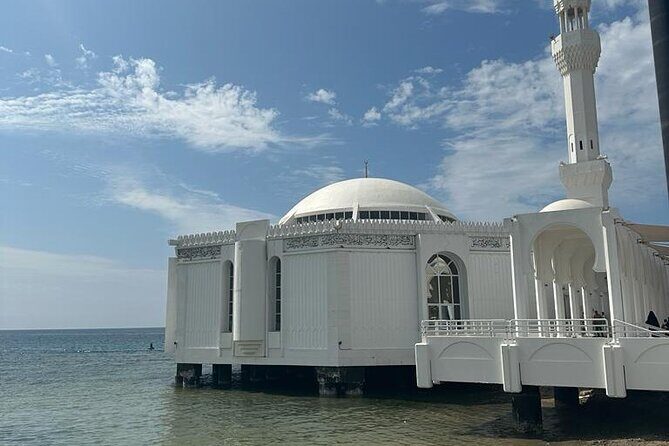
A standout cultural stop is Zawiya 97 (around 10 minutes). It’s described as a placemaking initiative and a point of departure for crafts in Historic Jeddah. That phrasing matters. This isn’t only about looking at artifacts behind glass. It’s about understanding the living craft ecosystem around the district.
This is a good pause in the walking rhythm. You’re shifting from markets and houses into creative culture—how people preserve methods, how work gets taught, and how the district supports makers rather than just tourists.
If you like hands-on culture, this stop is likely to make the rest of the tour feel more meaningful. You’ll start seeing design choices in buildings and shops as part of a wider local practice.
Art gallery time and a pilgrim-era monument stop
You’ll also have time at an art gallery stop. The point isn’t just art as decoration; it’s another lens on how historic areas keep producing meaning. Even when the subject is contemporary, it helps you understand how Al-Balad continues to operate as a cultural center.
There’s also a stop for a historic monument in an old area of Jeddah associated with pilgrims traveling to Makkah—described as a place that has witnessed hundreds of millions of pilgrims. That scale is hard to picture until you’re standing in a spot tied to the motion of history: people passing through, following routes, relying on a port city that could handle arrivals.
This combination—gallery plus pilgrim-era context—works because it mixes “why people came” with “what the city became.”
Tariq Abdulhakim Center: museum stop with direction
The tour includes Tariq Abdulhakim Center Museum (about 15 minutes). For many visitors, this is the best middle-of-the-tour anchor: long enough to absorb, short enough to keep the energy moving.
Museums in historic districts can be tricky. Some are more interpretive and some are more collection-based. Either way, a guided visit helps you not just look, but understand what matters. Since your time is limited, you benefit from your guide pointing out the themes you should pay attention to.
Also, one practical note from experience in places like this: museum hours can vary. In an old-town area, you can’t always assume everything is open at the moment you arrive. Ask your guide on the day what’s accessible so you don’t get stuck doing plan B in your head.
Coffee, tea, dates, and snacks: the smart “break” system
This tour builds in breaks that don’t feel random. You get traditional Saudi coffee or tea, typically with dates and sweets, plus snacks and bottled water. These are small things, but they help you enjoy the walking instead of just surviving it.
It also gives you cultural context. Tea and coffee aren’t just refreshments; they’re a social pause. In Al-Balad, those pauses help you reset your attention—so you notice architecture again after a street-market burst of activity.
And yes, I appreciate that it’s included. In a paid tour, you don’t want to keep searching for small purchases just to keep going.
Practical tips: shoes, stairs, and how to handle no-lift houses
A couple of practical points keep this tour enjoyable:
- Wear shoes you trust. Al-Balad streets and interiors can be uneven and narrow.
- Plan for stairs. The tour notes there are no lifts inside historic houses. If you want to enter any house museum, move at your pace and focus on the areas you can comfortably reach.
- Good weather matters. The experience requires good weather. If it’s canceled because of poor weather, you’re offered another date or a full refund.
Also, the tour is near public transportation, which is handy if you’re coming from a hotel in modern Jeddah. You don’t need private transportation to make this work, since private transport isn’t included—meaning you’re likely meeting and walking within the district.
Who this tour fits best (and who should adjust)
This fits best if you want a guided “first chapter” in Jeddah’s old town. It’s especially good for:
- First-time visitors who want structure and context
- People who like architecture and old markets
- Short on time situations, like a layover day where you need to see real Al-Balad highlights without getting lost
It might be less ideal if you have strong mobility limitations or need an elevator-friendly route. You can still participate, since most people can join, but the lack of lifts inside historic houses can be a dealbreaker for some.
Also, it’s a private tour/activity for your group, which helps if you’re traveling with kids, older adults, or anyone who needs a slower tempo. Your guide can tailor the pace based on what you care about most.
Should you book this Al Balad Historic District Tour?
Book it if you want a guided walkthrough that combines architecture + markets + museum context in a half-day format. The included coffee/tea with dates and sweets, snacks, bottled water, and museum fees make it feel like you’re paying for time with a guide, not for lots of separate tickets.
Skip it or plan around it if stairs and old-building interiors are difficult for you, or if you’re hoping for a long, sit-down museum day. This tour is designed for movement and orientation, not for spending hours in one building.
One final reason to lean yes: the guide behind the experience is Ayat, and the feedback pattern is consistent—she takes care of each person, adjusts to interests, and keeps things friendly while still giving solid context. In a place as maze-like as Al-Balad, that kind of guiding makes the difference between seeing old walls and truly understanding them.
FAQ
How long is the Historic District Tour in Jeddah?
It runs about 3 to 4 hours.
Where does the tour start and end?
It starts at Bab Alfurdhah and the walk finishes at Jeddah Old Gate in Al-Balad.
What’s included in the price?
The tour includes bottled water, coffee and/or tea (traditional Saudi coffee or tea with dates and sweets, or other preferred traditional drinks), snacks, and museum fees.
Is transportation included?
No. Private transportation is not included.
Is this a group tour?
It’s listed as a private tour/activity, meaning only your group participates.
Which major sites are on the route?
You’ll pass Bab Jadid, spend time in Al-Balad, visit Nassif House Museum, stop at Al Shafei Mosque, visit Souq Al Alawi, include Qabel Trail, see Zawiya 97, include an art gallery stop, and visit Tariq Abdulhakim Center Museum.
Are admissions included?
Admission tickets are listed as free for multiple stops, and museum fees are included in the package.
Is the tour suitable for people with mobility challenges?
Most people can participate, but there are no lifts inside historical houses, so stairs may be involved.
What if weather is bad?
The experience requires good weather. If it’s canceled due to poor weather, you’ll be offered a different date or a full refund.
What’s the cancellation policy?
You can cancel for a full refund if you cancel at least 24 hours in advance of the experience’s start time. Free cancellation is available.