REVIEW · JEDDAH
Jeddah: Al-Balad Old Town Historical City Guided Tour
Book on GetYourGuide →Operated by Saudi SoulTours · Bookable on GetYourGuide
Al-Balad turns a walk into a story. In Jeddah, this guided tour brings the old town to life with Sulaiman and sometimes Ziad leading you through narrow lanes, heritage houses, and key cultural stops. I especially like the mix of inside visits (many house-museums you can enter) and outside walking where you see how people live along the alleyways. I also like how the guide connects the architecture to faith and everyday Saudi culture, with time built in for questions and photo moments.
One thing to plan for: you’ll be walking a lot on old-stone streets. Some people in the group asked for a slower pace and were accommodated, but you should still wear comfortable shoes and expect uneven ground.
In This Review
- Key highlights that make this tour worth your time
- Entering Al-Balad: what 4 hours feels like on the ground
- Price and logistics: what you’re really paying for
- The Al-Balad walk: lanes, heritage houses, and museum time
- Traditional village segment: why it works so well
- Souq Al Alawi: shopping time that doesn’t feel rushed
- Mosques and faith context: where the tour turns from facts into meaning
- Pace, group size, and comfort: how to get the best version of this tour
- Food and drinks: the optional part that often becomes the favorite part
- What to do after the tour: using your new Al-Balad “map”
- Who this tour is best for
- Should you book the Jeddah Al-Balad Old Town Historical City Guided Tour?
- FAQ
- What’s the duration of the Al-Balad Old Town tour?
- How much does the tour cost per person?
- Where are pickup locations offered?
- What languages are the guides?
- Is transportation included?
- Is the tour wheelchair accessible?
Key highlights that make this tour worth your time
- Hotel pickup plus air-conditioned driving so you start relaxed, not stressed
- House-museum visits included (many openings happen inside historic homes)
- Souq Al Alawi shopping window with a real chance to browse, not just pass by
- Optional local tastes like Subia, Arabic tea, Arabic coffee with sweets, and traditional food
- Mosque and faith context when the route includes stops such as Al Shaffie Mosque (as seen on past tours)
- A small-group feel that lets you talk, not just follow along like a herd
Entering Al-Balad: what 4 hours feels like on the ground
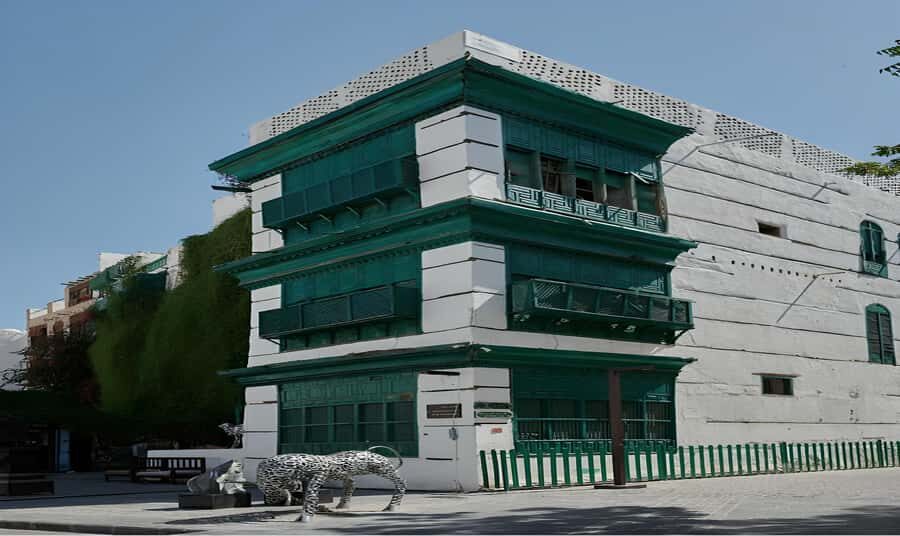
Al-Balad is the kind of place where you quickly stop thinking of it as a “district” and start thinking of it as a maze with a point. The tour covers about 2 square kilometers of Jeddah’s historic center, and the value is that a guide helps you read what you’re seeing instead of wandering and hoping for the best.
You’ll start with pickup from one of several convenient points, then a short ride into the old town area. Once you’re on foot, the pace is guided but adjustable. Some groups mention the guide walking quickly, while others request a slower rhythm and get it—so don’t be shy about telling your guide how you want to move.
The tour lasts 4 hours, but it doesn’t feel like four hours of nonstop walking. There are built-in pauses and free time that help you cool down, take photos, and actually use the souk and shops instead of only getting a peek.
You can also read our reviews of more guided tours in Jeddah

Price and logistics: what you’re really paying for
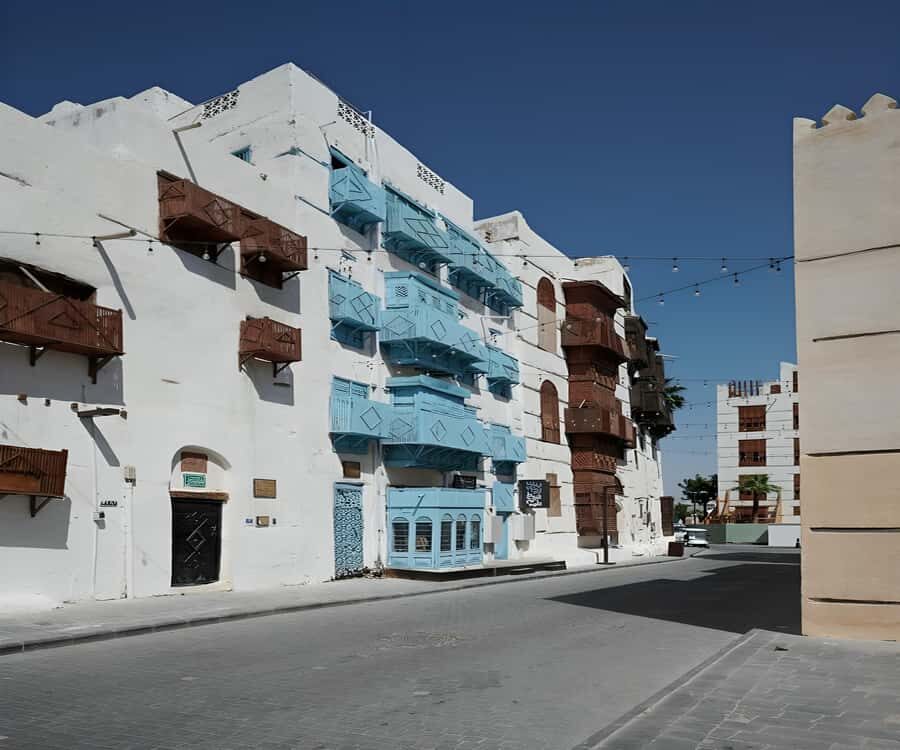
At $120 per person, the math depends on what you value: company, context, and convenience. Here, you get hotel pickup plus an air-conditioned vehicle, so you’re not spending your first hour figuring out where the old town starts and how to reach it.
You also get a live guide in English and Arabic, which matters in Al-Balad because the most interesting parts are the details: why a doorway looks the way it does, what a building was used for, and how faith shows up in daily life. Based on past experiences with guides like Sulaiman, the talking-to-people part can be a huge part of the payoff.
A key value point: the tour includes access to museums and key historic sites at no extra cost. That’s important because old-town tours often tack on separate entry fees that quietly inflate the total.
Finally, the tour runs with free cancellation up to 24 hours in advance and a reserve-and-pay-later option. Even if you never use that flexibility, it’s a sign the operator expects you’ll book without feeling locked in.
The Al-Balad walk: lanes, heritage houses, and museum time
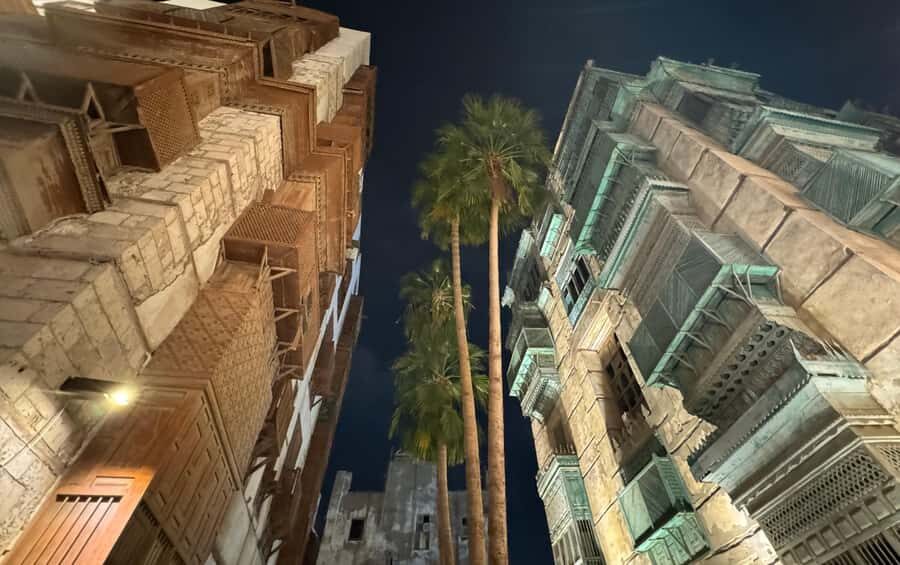
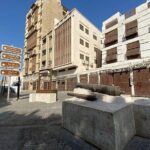
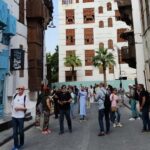
Al-Balad is famous for its maze-like streets, and the best way to enjoy it is with a guide who can slow the chaos down. The tour has a dedicated Al-Balad segment with a break and about 30 minutes of free time. That’s enough to grab a drink, check out nearby shops, or step back and take the big picture in.
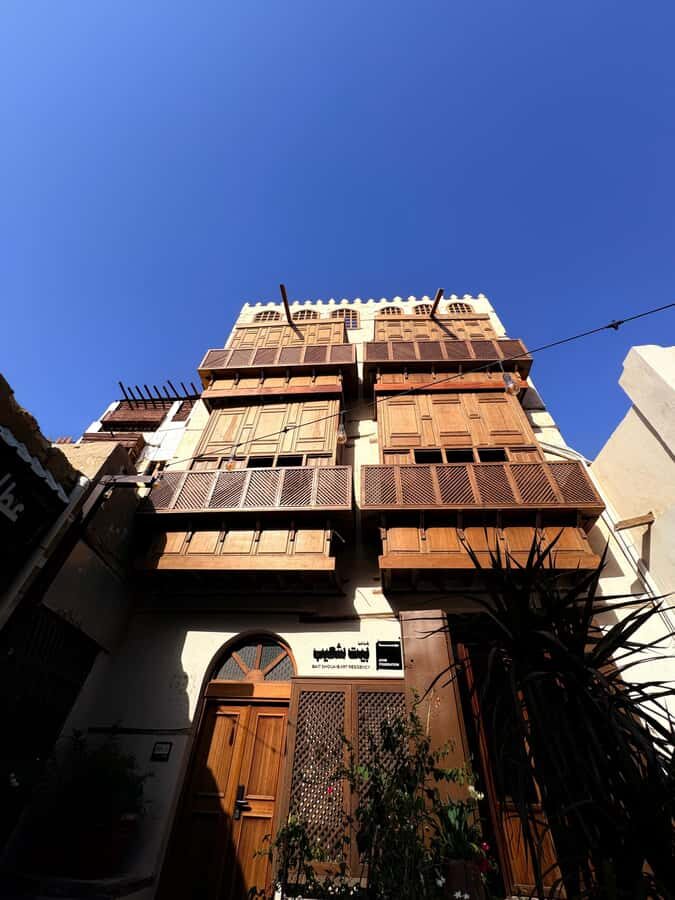
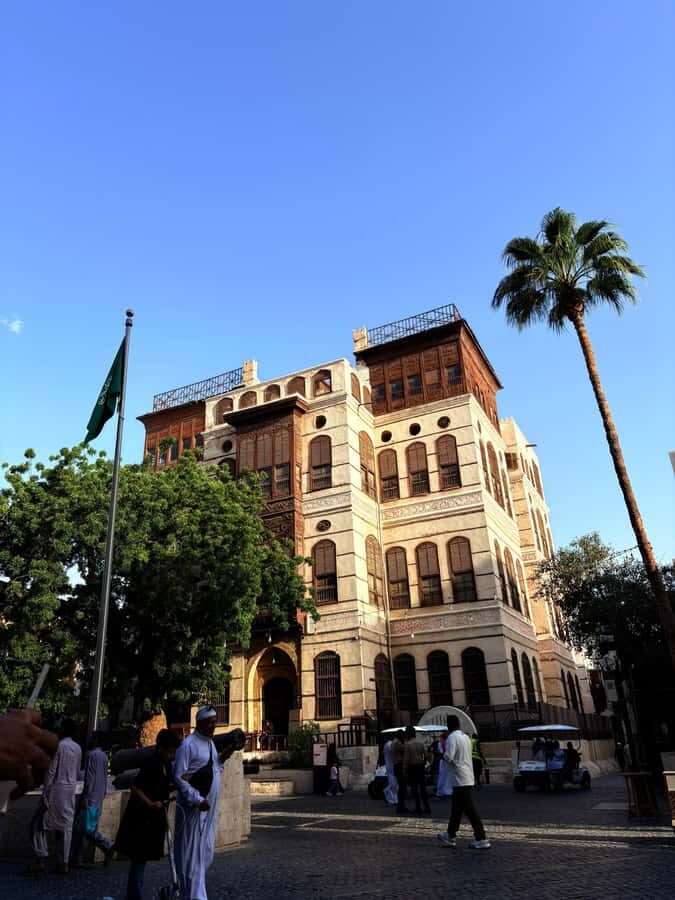
What you’re likely to experience here is more than just a “look from the street” tour. Guides commonly take you inside multiple historic houses used as museums. One practical benefit: indoor stops give you a break from sun and heat, and they also let you see the interior layout and materials that street views don’t show.
You’ll also learn how these buildings connect to Jeddah’s role in trade, movement, and religious life. The stories you hear can range from local folklore to explanations tied to Islam—plus some guides bring in bigger-picture origin stories tied to the idea of humankind’s beginnings. Treat those as cultural lore, and enjoy them as part of how people explain their world.
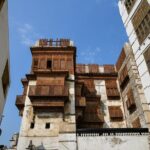
A small-but-real tip: bring patience for narrow alleys. They’re narrow for a reason. The guide’s job is to keep the group moving, but you’ll still want time to look up—balconies, windows, and decorative details are where a lot of the magic is.
Traditional village segment: why it works so well
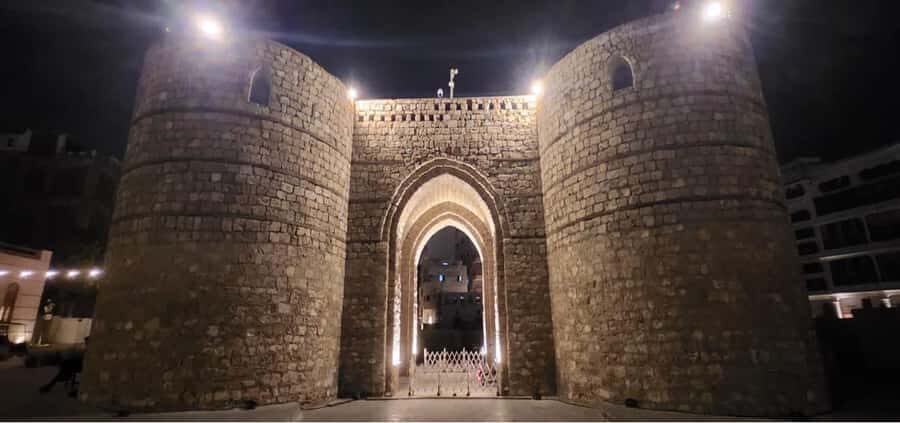
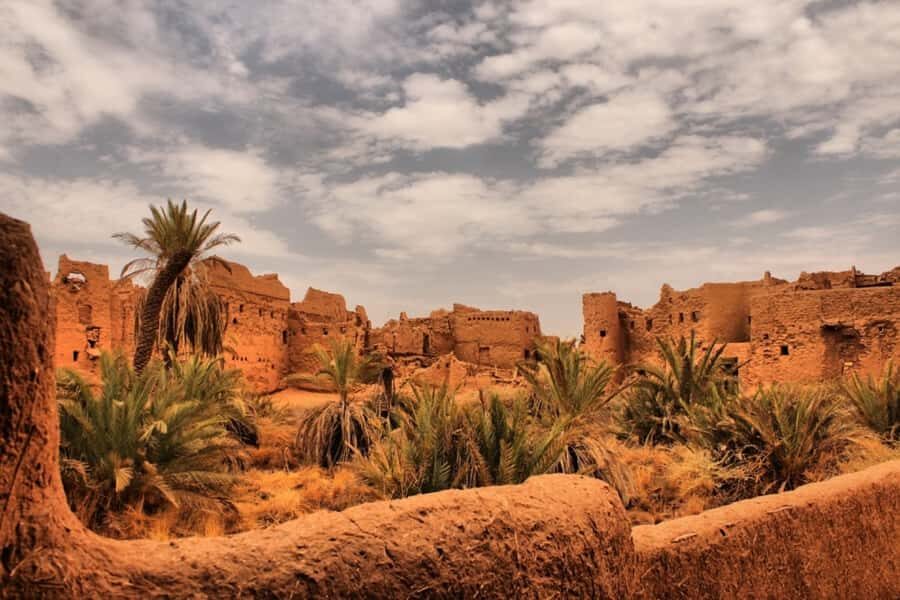
One of the tour’s strongest parts is the “traditional village” time. You’ll get guided walkthroughs and walking (about 1 hour in the first village segment), plus additional pass-by moments later. The point isn’t to treat it like a theme park. It’s to show how community life used to be organized and how daily routines fit into the built environment.
This is where you can learn the meaning behind the shapes of streets and houses. Instead of only hearing dates and names, you start understanding practical things: where people gathered, how homes were designed, and what the layout suggests about social interaction.
From past experiences, guides also use this stop to talk about faith and traditions in a respectful, human way. That often lands well for visitors who want cultural context without feeling lectured. It’s the difference between seeing a building and understanding why it matters to the people who lived around it.
If you’re sensitive to crowds or noise, you’ll still be able to enjoy this part. The walking is paced, and there are breaks that help you regroup.
Souq Al Alawi: shopping time that doesn’t feel rushed
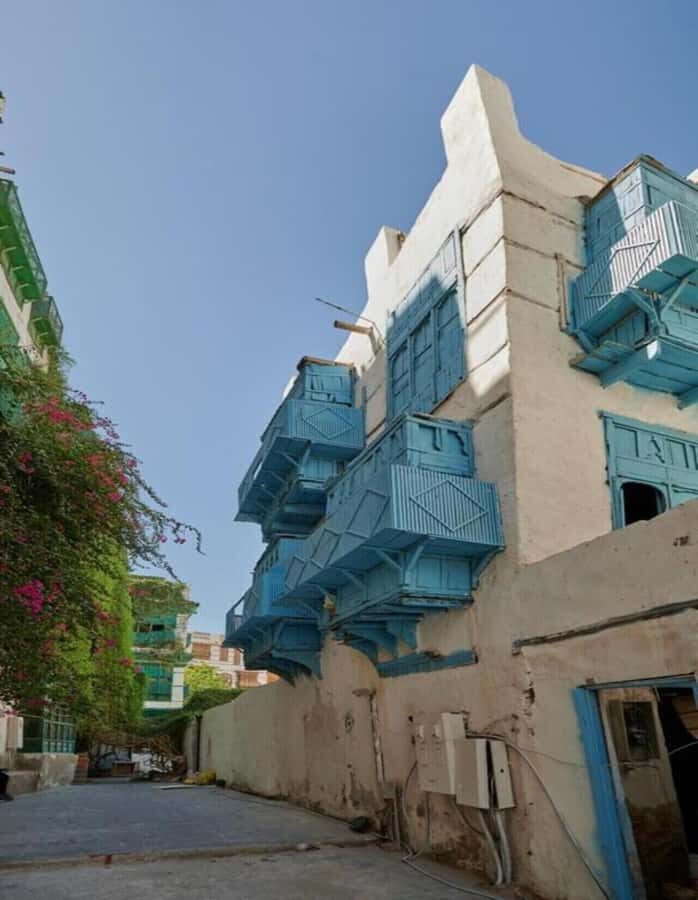
Souq Al Alawi is where the tour becomes practical. You get a break plus shopping time (about 35 minutes), and then you pass by other parts of the area afterward. That shopping window is long enough to do something with it: compare items, ask questions, and pick up small souvenirs without feeling like you’ve been dumped in a market and abandoned.
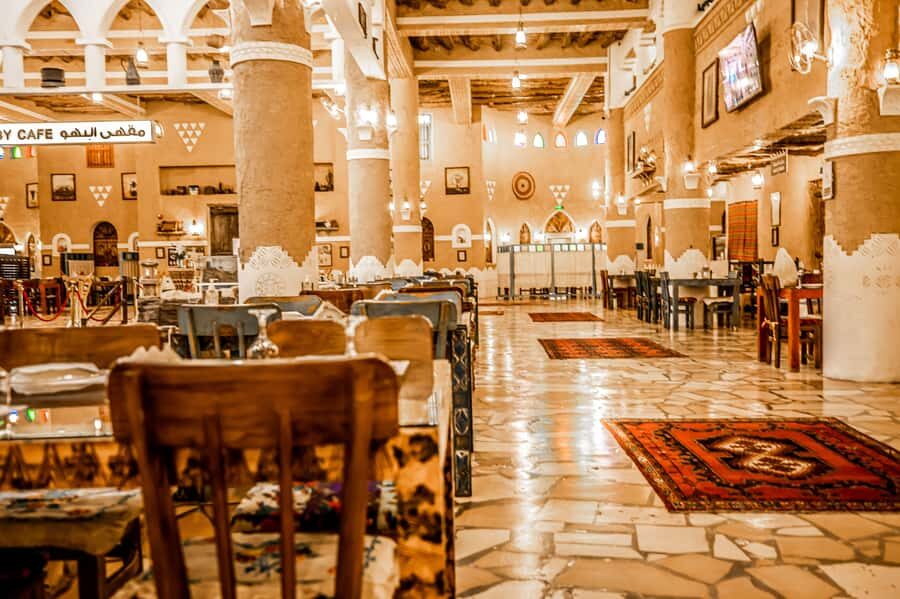
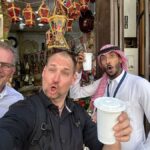
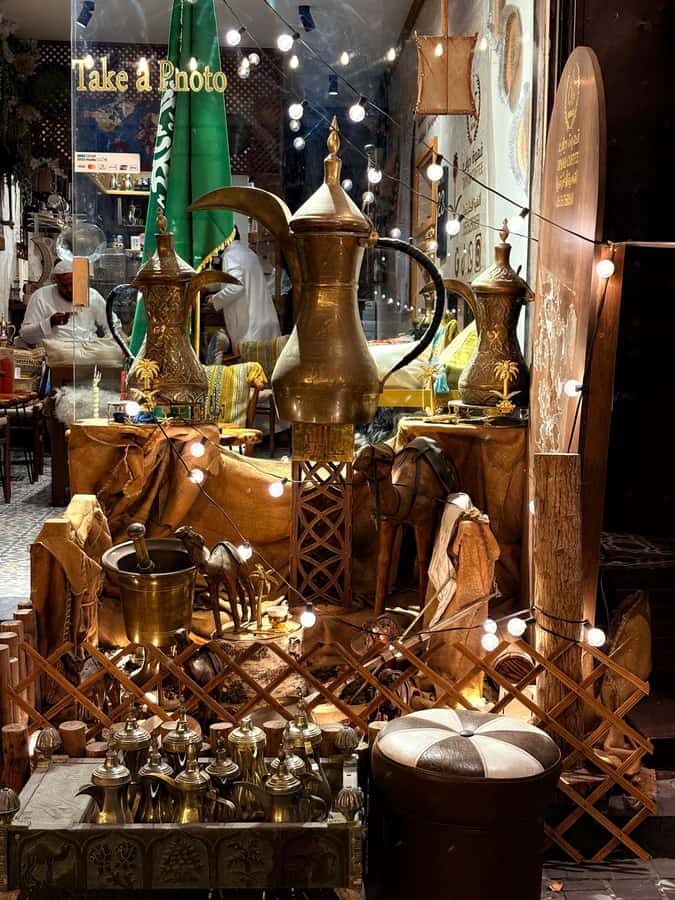
This is also a great spot to take advantage of food and drink stops. Several experiences mention grabbing things like Subia, Arabic tea, Arabic coffee with sweets, and fruit juices. Even if you don’t plan to buy much, that’s part of the experience—snack breaks are where the tour turns from sightseeing into real local rhythm.
Want a rule of thumb? Use the souq time to buy what you actually want to carry home. The lanes can be photogenic, but shopping works best when you’re relaxed and not on a tight schedule.
One note for planning around the calendar: the old town can feel quieter on Friday. If you have the flexibility to avoid Friday if you want more street energy, that’s worth considering.
You can also read our reviews of more city tours in Jeddah





Mosques and faith context: where the tour turns from facts into meaning
A history walk is good. A history walk that explains faith and daily life is better. Some routes include a stop at Al Shaffie Mosque, where past guests were introduced to Sheik Mohammed for a presentation about beliefs in Islam. Not every tour will necessarily include the same exact moments, but when it’s part of the plan, it adds real depth.
Even without the mosque stop, the guide’s stories about Islam and Jeddah tend to show up through architecture, etiquette, and daily life details. That’s why this tour often feels personal rather than checklist-based.
What I like about this approach is that it usually doesn’t push beliefs. Instead, the guide gives context: what visitors should understand, how locals think about certain spaces, and why specific traditions matter. It’s the kind of explanation that makes you feel safer and more comfortable asking questions.
Pace, group size, and comfort: how to get the best version of this tour
If you care about comfort, this is one tour where your communication matters. Some guests ask the guide to slow down, and the guide adapts. Others notice a quicker walking pace, so your fitness level will matter—but the tour still includes breaks and free time to keep you from feeling trapped on the move.
Shoes are non-negotiable. The old streets can be uneven, and you’ll be walking enough that fashion will lose to function. If you need a lighter pace, tell your guide early. Guides on past tours have shown they can accommodate.
Group size can also shift. One small group experienced a tour with just three people. A smaller group is a big deal because it means more time for Q&A and fewer awkward moments where you’re stuck behind someone slowing down.
Weather timing matters too. One practical suggestion that keeps coming up: aim for tours that fall around dusk or at night if you want the streets to look different with lights. Day has clarity for photos and open storefront energy; night can feel calmer and atmospheric.
Food and drinks: the optional part that often becomes the favorite part
You get a chance to try traditional Arabian meals by locals if you want. Even if you don’t go full foodie, expect small tastings and drinks as part of the experience.
From past accounts, common treats include:
- Subia and Arabic tea
- Arabic coffee with sweets
- Fruit juices
- Traditional Saudi food recommended by the guide
The value here is not just the taste. It’s learning how to order, what dishes mean, and how locals think about hospitality. In many old-town settings, food feels like a side note. On this tour, it’s part of understanding the culture.
If you have dietary restrictions, ask your guide what’s available. The tour includes breaks and free time, so you’re not only relying on one fixed stop.
What to do after the tour: using your new Al-Balad “map”
When you finish, you’ll likely feel like you can finally walk Al-Balad without getting lost—or at least without getting lost as painfully. Guides explain patterns: which alleys lead toward key landmarks, where views open up, and which buildings have stories attached.
Use that knowledge right away. If you have extra hours, come back and repeat the lanes you liked most. This is where your guide’s explanations turn into a personal walking route.
Also, if you’re interested in architecture or faith context, keep an eye out for signage and quiet details when you’re wandering afterward. You’ll notice more because your brain has categories now.
Who this tour is best for
This tour is a strong match if you want:
- A guided old-town walk in Jeddah with meaningful cultural context
- Time inside historic house-museums rather than only street views
- A chance to taste local drinks like Arabic coffee and Subia
- A respectful introduction to Islam in everyday settings, including mosque context when it’s included
It’s also a good pick for first-time visitors who want to understand what they’re seeing fast. One theme from past experiences is how much guests appreciated being able to ask questions and get answers in English (and Arabic when relevant).
If you hate walking, avoid this one. Even with breaks, it’s still built around walking old streets and seeing multiple parts of the neighborhood.
Should you book the Jeddah Al-Balad Old Town Historical City Guided Tour?
If you want an old town experience that feels guided, not random, book it. The combination of hotel pickup, a professional English/Arabic guide, house-museum access at no extra cost, and food/drink moments makes it good value for a 4-hour window.
I’d say especially yes if:
- You want to understand Al-Balad’s buildings and culture, not just photograph them
- You like small-group attention and conversation
- You’re open to optional tastings and a mosque stop when included
I’d think twice if:
- You want minimal walking or flat, easy sidewalks
- You prefer fully self-guided time with no explanations
FAQ
What’s the duration of the Al-Balad Old Town tour?
The tour runs for 4 hours.
How much does the tour cost per person?
The price is $120 per person.
Where are pickup locations offered?
Pickup is available from multiple points, including Jeddah Al-Sulaymaniyah Station (Haramain Railway), Jaffali Mosque, Sheraton Jeddah Hotel, Jeddah Intercontinental Hotel, Crowne Plaza Jeddah (IHG), and Jeddah.
What languages are the guides?
The live tour guide speaks English and Arabic.
Is transportation included?
Yes. The tour includes hotel pickup and an air-conditioned vehicle.
Is the tour wheelchair accessible?
Yes, it’s wheelchair accessible.