REVIEW · AL ULA
From AlUla: Hegra, Dadan and Ikmah Highlights Tours
Book on GetYourGuide →Operated by Riyadh Trip · Bookable on GetYourGuide
Hegra is what you come for. This AlUla day tour pairs UNESCO-listed Nabataean tomb scenery with a walk through AlUla’s mud-brick Old Town, so you get both big ancient views and a real sense of how people lived long ago. I especially like the air-conditioned coach between sites, and I also like that the guide ties the stops together with history as you go. The main drawback to weigh up is that you do not get inside the tombs, so you’ll be sightseeing from the outside only.
The day’s structure is simple: hotel pickup, a comfortable ride via the Winter Park Visitor Center, time at the main Hegra necropolises, a quick souvenir stop, then a transfer to Old Town before heading back to your hotel. If Hegra is your must-see, I’d also plan to confirm your pickup details and timing in advance, because there have been reports of last-minute changes and weak communication.
In This Review
- Key highlights worth your attention
- How the day starts: hotel pickup to Winter Park Visitor Center
- Hegra’s UNESCO impact: seeing the Nabataean world from the outside
- Jabal AlAhmar necropolis: 18 tombs carved in reddish-brown rock
- Tomb of Lihyan son of Kuza: the 72-foot centerpiece
- Jabal AlBanat and Jabal Ithlib: when the rockwork looks different
- Climate comfort between sites: why the air-conditioned van matters
- The souvenir stop at the handcraft pavilion
- Old Town AlUla after Hegra: mud-brick alleys and the 45-metre fort
- Where the experience can disappoint: communication and timing concerns
- Price and value: is $99 a good deal?
- Who should book, and who should think twice
- My practical verdict: should you book this tour?
- FAQ
- Is tomb entry included in this tour?
- What’s the pickup and meeting process?
- Which places in Hegra will we visit?
- Will I also have time in AlUla Old Town?
- What languages are offered?
- What should I bring for the day?
- What’s the cancellation window?
Key highlights worth your attention
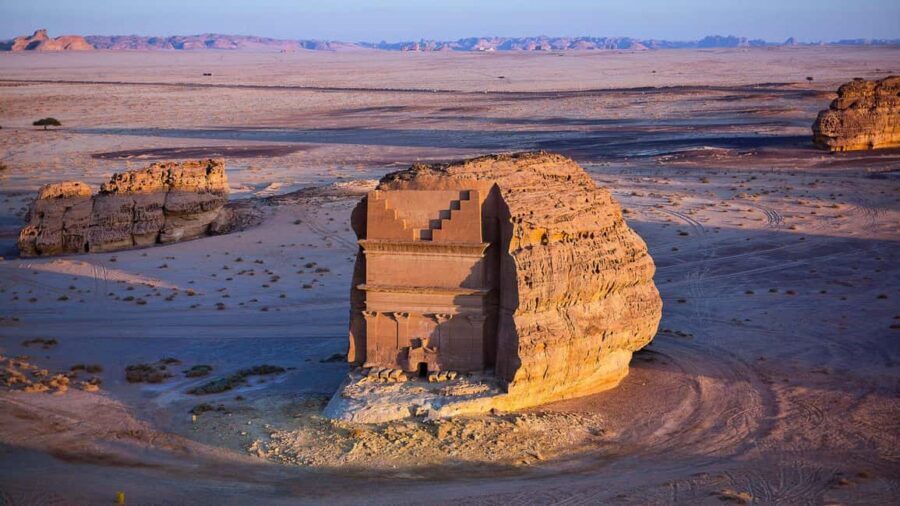
- Hegra UNESCO, outside-only tomb viewing: you’ll see the rock-cut tombs, but not enter them
- Jabal AlAhmar’s 18 tombs: a necropolis scene carved into reddish-brown rock
- The Tomb of Lihyan son of Kuza (72 feet tall): the main “wow” stop for scale and photo ops
- Jabal AlBanat and Jabal Ithlib: a carved chamber you can spot from the viewing areas
- AlUla Old Town on incense and pilgrimage routes: mud-brick alleys with 14 gates and a 45-metre fort watching over them
- Comfort between stops: transfers are by modern air-conditioned van/coach, with climate control during the day
How the day starts: hotel pickup to Winter Park Visitor Center
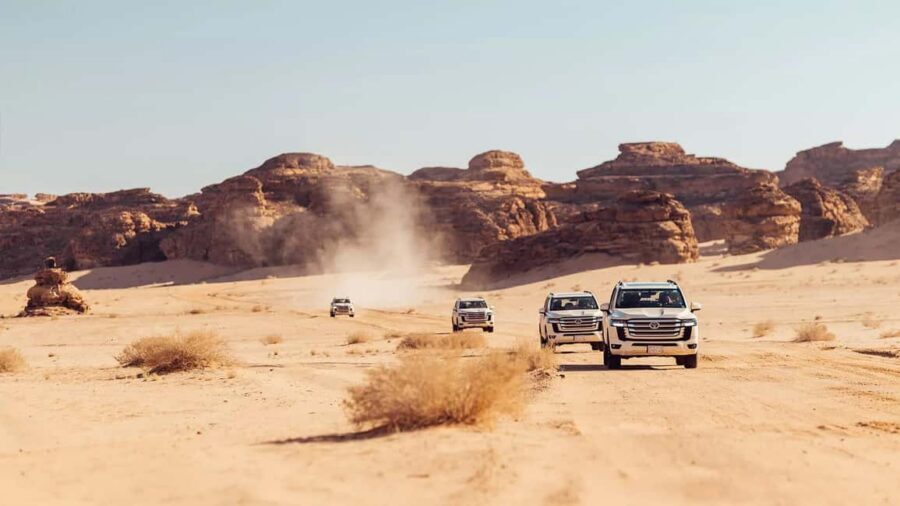
Your day begins with pickup from your hotel in AlUla. From there, you’ll ride to the Winter Park Visitor Center on a modern, air-conditioned vehicle. This matters more than it sounds. Hegra is all about rock, sun, and long viewing distances, so being able to cool down between sites keeps the experience enjoyable rather than exhausting.
Once you arrive at the visitor area, you meet your guide and start moving into the Hegra zone. The tour runs with a tour leader/driver, and the pace is set to get you to multiple necropolises without you needing to negotiate transport on your own.
You can also read our reviews of more tours and experiences in Al Ula.
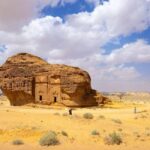

Hegra’s UNESCO impact: seeing the Nabataean world from the outside
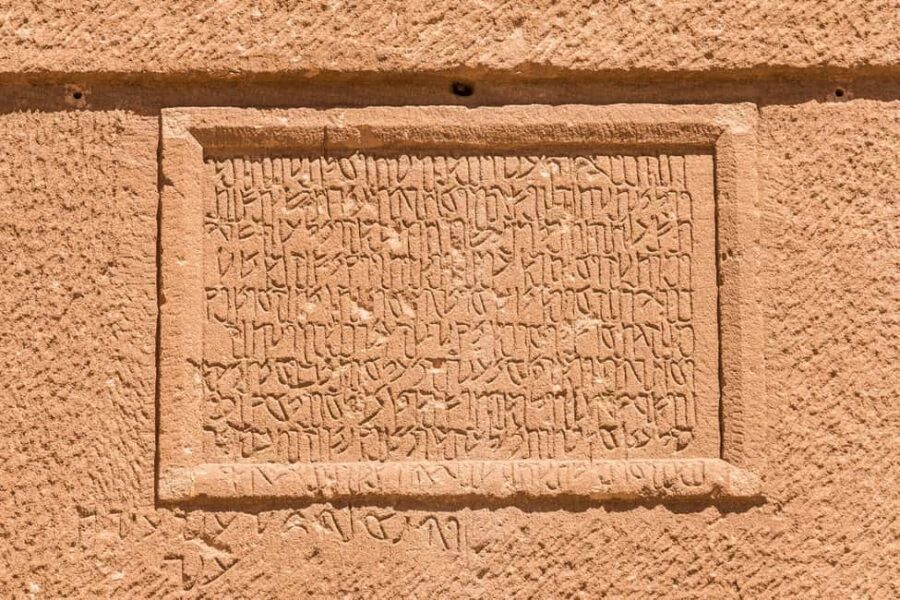
Hegra is Saudi Arabia’s first UNESCO World Heritage site, and it’s a serious one. You’re walking through a Nabataean landscape where tombs were cut into stone, built for a civilization that treated the desert like a corridor for trade and ideas. This tour is designed to show you the most important tomb clusters and necropolises in a single outing.
One key rule shapes the whole experience: tombs are not entered. That means you won’t go inside doorways or walk through interior chambers. Instead, you’ll view the rock-cut faces, tomb fronts, and carved details from the outside while your guide explains what you’re looking at.
If you’re the kind of traveler who wants architecture close-up, this outside-only approach can feel limiting at first. But it also keeps the focus on the bigger picture: the way the tombs sit in their landscape, the color of the stone, and the scale of structures like the tall main tomb at Hegra.
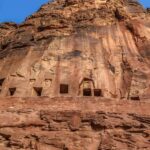
Jabal AlAhmar necropolis: 18 tombs carved in reddish-brown rock
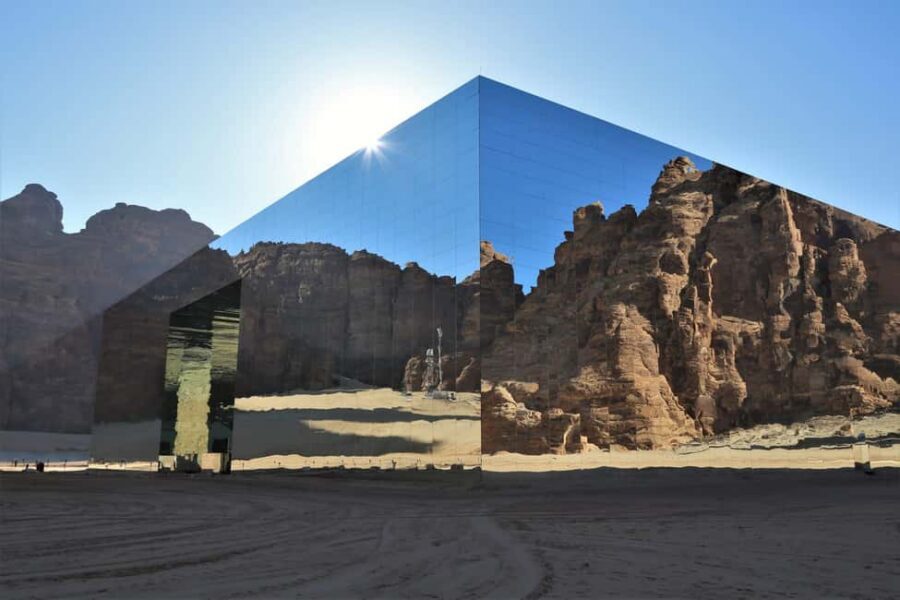
Jabal AlAhmar is one of the first “scan-the-horizon” moments of the day. You’ll stop in a necropolis area where 18 tombs are cut into reddish-brown rock.
This is where good guidance pays off. Without context, rock-cut tombs can blur together. With a guide, you start noticing the differences in scale and placement—how the Nabataeans used the mountain face like an architectural canvas. For photos, you’ll want to take advantage of the lighting here. Depending on the sun angle, the reddish tone can either glow or look flat, so time your shots as the light shifts.
Practical tip: bring water and wear shoes with solid grip. You’ll likely walk on uneven ground around viewing points, and comfortable footing is what keeps you moving instead of pausing every five minutes.
Tomb of Lihyan son of Kuza: the 72-foot centerpiece
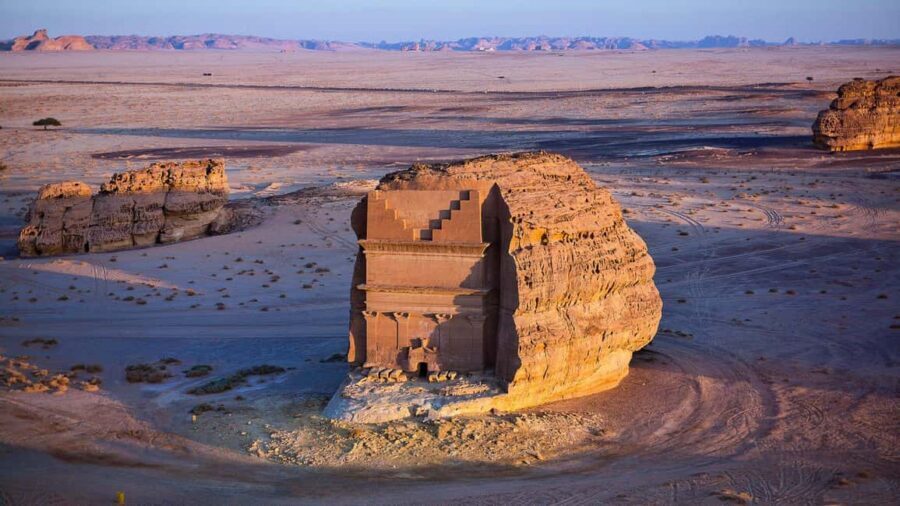
Next comes the Tomb of Lihyan son of Kuza, which the tour highlights as the largest tomb in Hegra. It towers at 72 feet, and even if you know nothing about Nabataean history, your eyes will do the math: this is the landmark.
When you’re viewing from outside, the “wow” comes from proportions. This tomb isn’t just a cut-out; it reads as a statement in the landscape—height, presence, and stonework that’s meant to be seen from a distance. If you care about photography, this is your best bet for dramatic compositions. Try a few angles: one from farther back to show scale, and one closer to pick up the stone’s texture and carving edges.
Jabal AlBanat and Jabal Ithlib: when the rockwork looks different
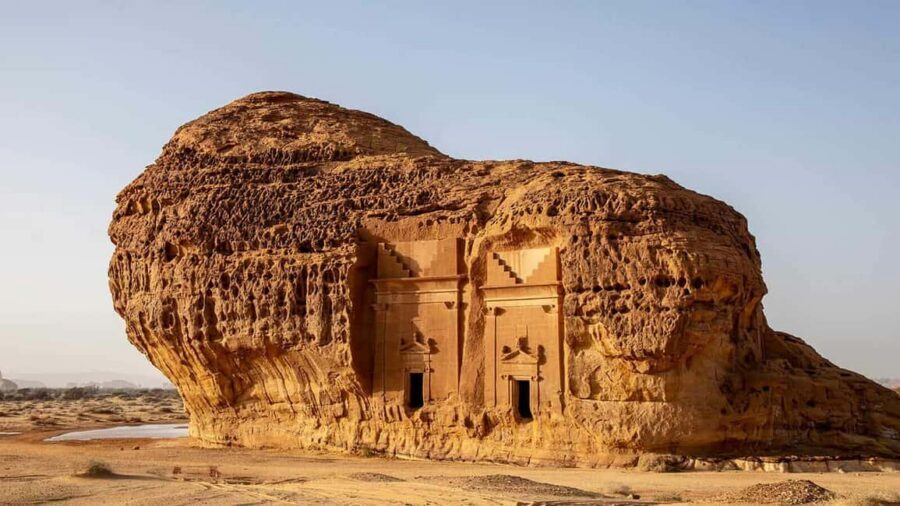
After the main tomb stop, you’ll head to Jabal AlBanat necropolis. This area is useful because it doesn’t feel like a repeat of the first viewpoint. You’ll get to see Jabal Ithlib, described as a large room carved into waved rock.
That “waved rock” detail is important: it’s a reminder that Hegra isn’t just tombs placed on a mountain. The natural rock form and the carvings interact. In your photos, you can often see where the carved space interrupts the rock’s natural flow—another moment where a guide’s explanation helps you notice what you might otherwise miss.
If you’ve got limited time in Hegra, this stop gives you a different visual flavor, so your day doesn’t become one long sequence of similar-looking facades.


Climate comfort between sites: why the air-conditioned van matters
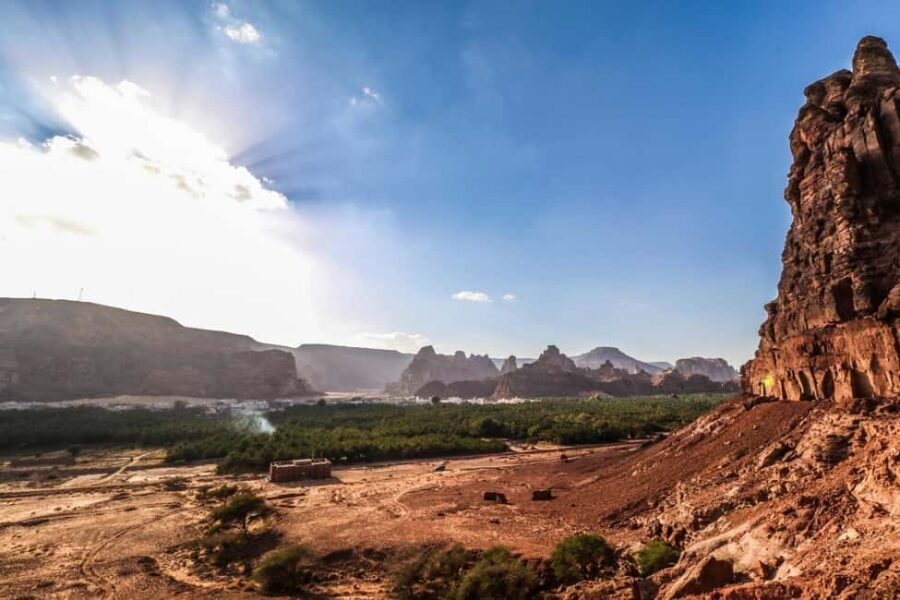
This tour includes transfers by modern air-conditioned van, and the itinerary moves you between multiple sites with climate-controlled transport. In AlUla, that’s not a luxury detail. The day can get hot fast, and you’ll be spending time outside looking at stonework where shade can be limited.
That said, the best value you’ll get from the air-conditioned comfort is if you’re flexible with pacing. If there are delays, you’ll still be sitting in a vehicle for part of the day—so it’s smart to keep your expectations realistic. Have water ready, and don’t count on the exact same sequence if your day runs into timing issues.
The souvenir stop at the handcraft pavilion
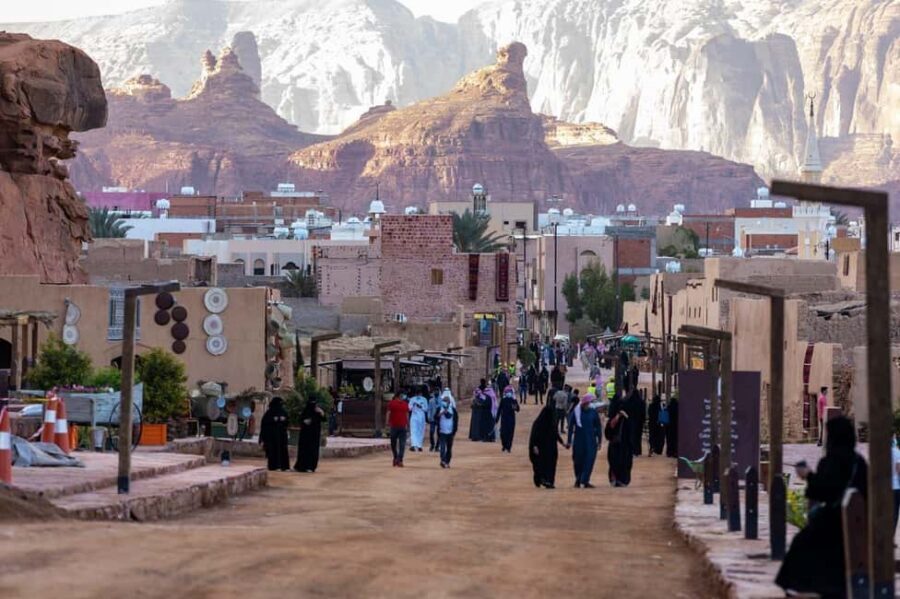
At some point during the day, you’ll have a stop at a handcraft pavilion. It’s not framed as a shopping marathon, but it’s there so you can bring something back that feels connected to the place.
If you’re shopping, take a moment to look for items that relate to traditional craft rather than generic trinkets. And if you’re short on time, set a quick budget before you start browsing—then you can enjoy the stop without it eating into your sightseeing.
Old Town AlUla after Hegra: mud-brick alleys and the 45-metre fort
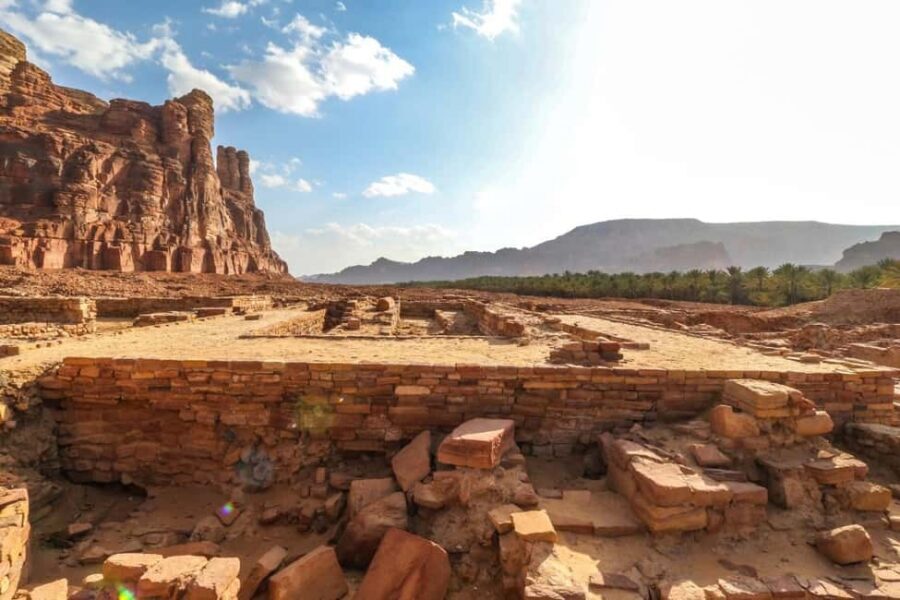
The tour doesn’t end at Hegra. You’ll transfer to Old Town and wander historic alleys lined with hundreds of mud-brick houses.
This part works well because it changes your perspective. Hegra shows Nabataean tomb architecture carved into stone. Old Town shows daily life patterns: tightly packed homes laid out like an impenetrable fortress, with narrow lanes that help you feel how people moved through space in a pre-modern settlement.
Old Town is described as dating back to the 12th century, positioned on ancient incense trading routes and also linked to the pilgrimage path from Damascus to Makkah. And it’s not just storybook scenery: you can also see how the settlement’s defense mattered. The town had 14 gates, overlooked by a 45-metre-high fort dating to around the 10th century.
If you like places where history is still physically present, this walk is the right kind of payoff. You’re not just staring at ruins; you’re moving through the framework that shaped community life.
Where the experience can disappoint: communication and timing concerns
I want to be straight with you: some feedback around this tour has been harsh, and it clusters around communication and schedule reliability. There have been reports of last-minute cancellations of the Hegra portion, and reports of unclear pickup guidance that left someone arriving without a clear plan, followed by a cancellation.
There are also reports of a wasted morning tied to the Dadan and Ikmah portion, plus frustration about long waiting time before reaching Hegra. The important takeaway for your decision is simple: if Hegra is the reason you’re booking, treat timing confirmation as part of the job.
What you can do right now:
- Confirm your pickup time and exact pickup point in advance.
- If the tour includes Dadan and Ikmah stops in the name, ask what you’ll actually see there and how much time you’ll get (so you’re not stuck with a short or unclear segment).
- Build in mental flexibility. Even a great Hegra viewpoint can feel frustrating if your day gets shuffled.
Price and value: is $99 a good deal?
At about $99 per person, this tour isn’t expensive compared to many guided heritage days—but it’s also not a bargain if your key expectations aren’t met.
Here’s how I’d judge value for your money:
- Good value angle: You get hotel pickup and drop-off, air-conditioned transfers between sites, entrance fees, and a guide for the story behind the tomb landscape and Old Town setting. That’s a lot of “logistics handled for you.”
- Potential value trap: The tombs are not entered, so you’re paying for guided viewing and history, not for an inside-tomb experience. If you want interiors, this tour won’t scratch that itch.
- Risk factor: If you’re unlucky with communication or timing, the value drops quickly because you’re paying for a schedule that depends on smooth coordination.
Overall, I’d say the price makes sense if you’re mainly after the UNESCO Hegra views plus a real Old Town walk, and you’re comfortable with outside-only tomb access. If you’re planning around very tight travel timing, I’d be more cautious.
Who should book, and who should think twice
This experience is a strong fit if:
- You want a guided Hegra UNESCO day without figuring out transport yourself.
- You’re happy with outside-only tomb views and want explanations that connect the scenery to Nabataean life.
- You also want Old Town AlUla at the end, not just rock-cut tombs.
Think twice if:
- You want a guaranteed, unaltered schedule down to the minute, or you get stressed by last-minute changes.
- You specifically came for detailed access inside tombs (this tour does not include entry).
- You’re expecting the Dadan and Ikmah portion to be a full and satisfying segment, because some people felt it wasn’t worthwhile relative to time spent.
My practical verdict: should you book this tour?
If your top priority is seeing Hegra’s Nabataean necropolises—especially Jabal AlAhmar and the Tomb of Lihyan son of Kuza—then this tour is worth considering. The sights are the star, and when the day runs smoothly, the stonework and scale deliver the kind of visual memory that sticks.
But don’t ignore the warning signs. Because there have been reports about pickup confusion and last-minute changes, I’d treat this as a tour you should plan carefully for, not a set-it-and-forget-it add-on. Confirm pickup details early, and be clear about what you’ll actually see during any Dadan and Ikmah segment.
If you can do that, you’ll likely leave with the best part: a guided route through Hegra’s tomb landscape plus Old Town’s mud-brick alleys and fort views.
FAQ
Is tomb entry included in this tour?
No. To protect the heritage sites, the tour does not include entry to any of the tombs. You can visit and see the tombs from the outside only.
What’s the pickup and meeting process?
The tour leader/driver picks you up from your hotel, then you board a comfortable coach at the Winter Park Visitor Center to start the Hegra portion.
Which places in Hegra will we visit?
You’ll visit areas including Jabal AlAhmar (with 18 tombs), the Tomb of Lihyan son of Kuza, and the Jabal AlBanat necropolis to see Jabal Ithlib.
Will I also have time in AlUla Old Town?
Yes. After the Hegra portion, you’ll transfer to Old Town and wander the historic alleys and mud-brick houses, then return to your hotel.
What languages are offered?
The tour is available in English and Arabic.
What should I bring for the day?
Bring comfortable shoes, water, and comfortable clothes for walking and time outdoors.
What’s the cancellation window?
You can cancel up to 24 hours in advance for a full refund.