REVIEW · AL ULA
AlUla: Hegra Shared Tour
Book on GetYourGuide →Operated by Riyadh Trip · Bookable on GetYourGuide
Rock tombs in the desert can’t be faked. This Hegra visit in AlUla brings you to Saudi Arabia’s first UNESCO World Heritage Site, with rock-carved tombs and named lookout-style stops like Jabal Ithlib and Jabal AlAhmar. The whole experience is built around a guided, bus-based route, so you spend less time guessing and more time watching the carvings and rock forms.
I especially like the way this tour mixes major named tomb areas with scenic jabal viewpoints. You’re not just ticking boxes—you’re seeing how the Nabataean world shaped its burial spaces into the rock itself, with stops that make you slow down and look. Another plus: the included entrance fees and English/Arabic Rawis make the experience feel complete without extra scrambling.
One drawback to keep in mind: entry timing is strict. Your slot is fixed, late arrivals can lose your entry, and the tour notes emphasize that the booking is not the entry ticket—so you’ll want your e-ticket and ID ready and follow the operator instructions carefully.
In This Review
- Key things to know before you go
- Hegra UNESCO: why this AlUla site deserves your attention
- Price of $55: what you’re paying for (and how it adds up)
- Winter Park pickup and the bus timing system
- The ride and the sand driving feel
- Jabal Ithlib and Jabal AlBanat: how the route teaches the terrain
- Tomb of Lihyan son of Kuza: the named anchor point
- Jabal AlAhmar and Jabal Alkhuraymat: viewpoints with meaning
- Handcraft Pavilion: a practical culture stop
- Guides, language, and what to listen for
- Rules that matter: IDs, WhatsApp, and no audio recording
- Reliability reality check: how to protect your day
- Who should book this Hegra shared tour (and who shouldn’t)
- Should you book AlUla: Hegra Shared Tour?
- FAQ
- Where is the pickup location for the Hegra tour?
- What does the $55 price include?
- What should I bring for entry?
- Is audio recording allowed during the tour?
- Are alcohol and drugs allowed?
- Do I need to arrive early?
- Is the tour suitable for wheelchair users?
- Can I cancel and get a refund?
Key things to know before you go
- Hegra access is by scheduled slot: you’ll need to match your arrival to the time windows.
- The site tour is by bus: it’s not a long walking day, but you are in vehicles much of the time.
- Stops include Jabal Ithlib, Jabal AlBanat, and more: the named jabal points help you understand the layout.
- You’ll visit the Tomb of Lihyan son of Kuza: a standout named tomb stop in the route.
- A Handcraft Pavilion stop is included: plan for some time to browse and reset.
- Shared tour reliability matters: a few past bookings reported pickup issues, so confirm via WhatsApp.
Hegra UNESCO: why this AlUla site deserves your attention
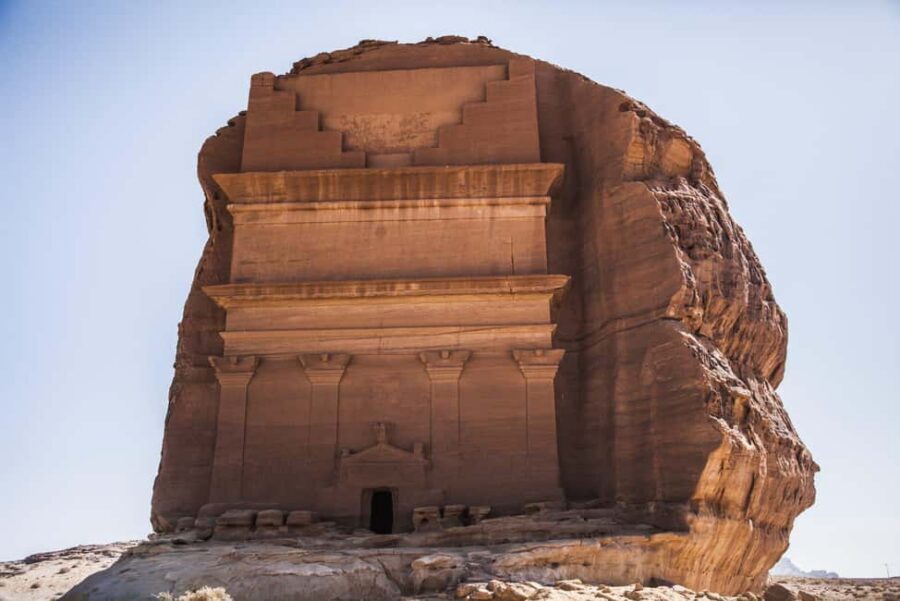
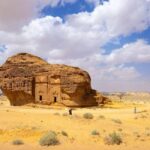
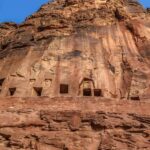
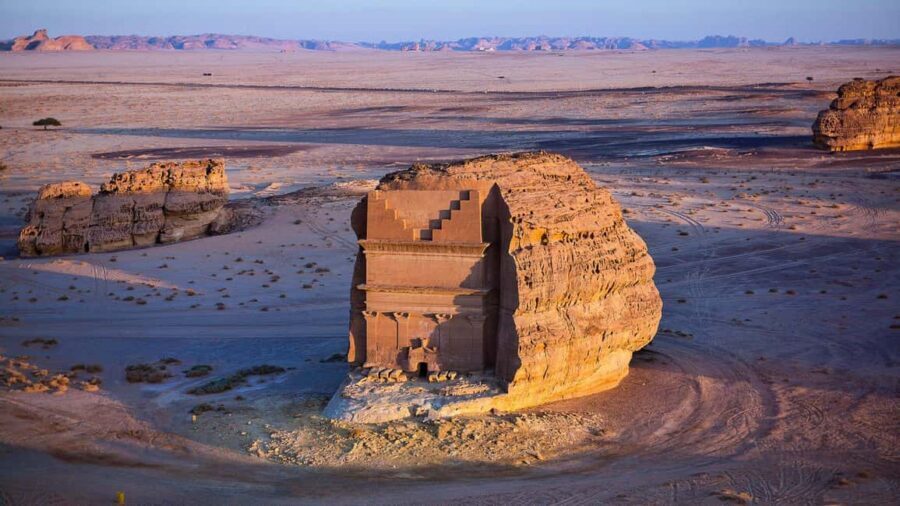
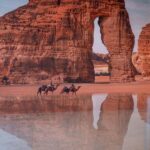
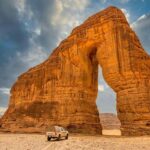
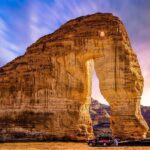
Hegra (also spelled Hegra/Hegra) is one of those places where the setting does half the explaining. It’s the largest preserved site of the Nabataean civilization south of Petra, and you’re looking at more than 110 tombs carved from giant rock formations. That’s not a small detail—it tells you why the whole area feels like an open-air museum built into stone.
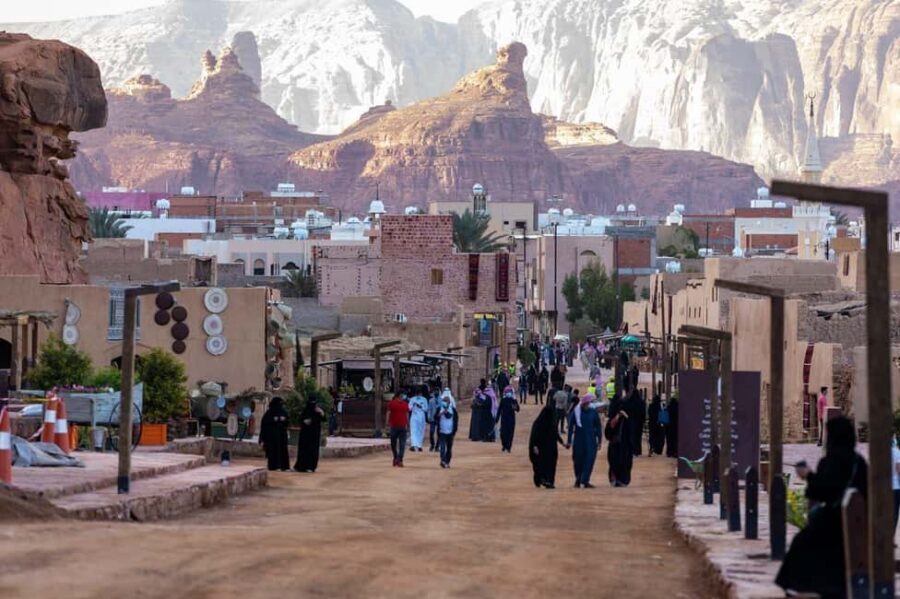
In AlUla, you’re also in a part of history that links the ancient incense route. The area was a market city on that historic trade line connecting India and the Persian Gulf to the Levant and Europe. When you’re standing near rock-carved tombs, you’re not just seeing burial sites—you’re seeing evidence of a landscape that mattered to people moving goods, ideas, and wealth.
This tour is designed for first-timers. Instead of throwing you into the site with no structure, it strings together key named spots so you can connect the dots. Even if you don’t know Nabataean history, the names of the stops help you track where you are and what you’re meant to notice.
You can also read our reviews of more tours and experiences in Al Ula.

Price of $55: what you’re paying for (and how it adds up)
At $55 per person, the value here comes less from the vehicle and more from what the package includes. Your ticket covers entrance fees, a local-group setup with transfers by bus, a tour leader/driver, and English/Arabic Rawis (guides). It also includes service charges and taxes, plus transportation from Winter Park to Hegra and free parking at Winter Park.
If you were to DIY this, you’d likely spend time sorting out entrance access and transportation, then still need an explanation for what you’re looking at. This tour’s bargain is that the guidance and the entry are bundled. For many people, that saves both money and stress.
That said, the overall rating shown for the tour is 2.2 with 9 reviews. Some of the negative comments focus on pickup problems and missed service. So treat this as a fair bargain if everything runs smoothly, but not something to take lightly if you’re arriving late, don’t confirm your slot, or are counting on a calm, risk-free start.
Winter Park pickup and the bus timing system
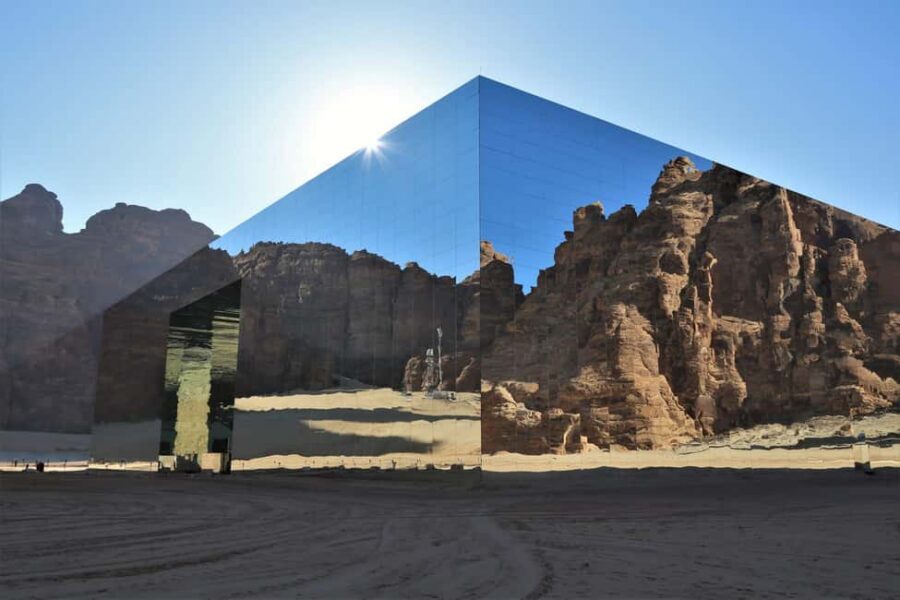
Your meeting point is Winter Park Bus Stop (the experience pick-up point). The tour ends back at the meeting point, so you don’t have to think about a separate drop-off.
Here’s the part that trips people up: bus timing inside the schedule. The notes say buses from Winter Park will depart 45 minutes before your booked time, and you should arrive at Winter Park one hour before your booking time for entrance formalities. So even if your slot says one thing, your real-world plan should be earlier.
The practical move: arrive early, keep your documents in hand, and don’t treat the schedule like a loose suggestion. Late arrival can mean being denied entry, and then you’d need to purchase a new ticket. That’s not theoretical—this is exactly how the entrance policy is described.
The ride and the sand driving feel
Inside the experience, expect that the tour around Hegra is by bus. That shapes the whole feel of the day. You’ll be in a vehicle for site movement, and your time on foot is likely limited compared to how big the site is.
One review highlight that matters: being in a desert vehicle is its own experience. The comments also point out that sand driving requires special skills, which can be rough if you’re in the wrong kind of vehicle or with an unprepared driver. In other words, plan for motion and occasional bumps.
Also, don’t build your day around wildlife spotting. The emphasis here is the tombs, the rock formations, and the guided explanations. If wildlife happens, it’s a bonus. If it doesn’t, you’re still here for the main event.
Jabal Ithlib and Jabal AlBanat: how the route teaches the terrain
The itinerary highlights stops at Jabal Ithlib and Jabal AlBanat. The names matter because they help you understand what you’re seeing: “jabal” means mountain, and in Hegra the rock forms are part of the story. You’re not looking at a single monument—you’re looking at a system of rock-carved places that connect burial practice to landscape.
When you reach a jabal stop, focus on orientation. Ask your Rawis to point out where carvings and entrances sit relative to the rock face and the surrounding formations. You’ll likely notice that the stone isn’t just background. It’s part of the design, built into how the site is read from different angles.
A shared tour format means you’ll get enough time to look without wasting it. The downside of shared timing is that if you love lingering for photos, you’ll want to be ready to move when the group does. Still, for most first-timers, the structure keeps you from getting lost.

Tomb of Lihyan son of Kuza: the named anchor point
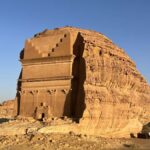
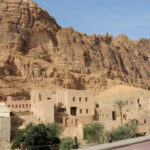
A standout stop on the route is the Tomb of Lihyan son of Kuza. This is the kind of place where having a guide pays off. Without context, you might see a carved tomb area and move on. With a Rawis explaining who Lihyan was (and why his tomb is identified by name), you’re more likely to notice details tied to function and status.
Even without inventing specifics, you can still prepare yourself for what to do. When you arrive at a named tomb stop:
- Look at the rock surface and carved areas first.
- Then listen for explanation about the tomb’s identification.
- Finish with a quick scan of your surroundings so you understand the tomb’s position within the wider Hegra setting.
This is also where patience helps. These sites reward slow looking. If you’re rushing, the carvings won’t land.
Jabal AlAhmar and Jabal Alkhuraymat: viewpoints with meaning
Next up, the tour includes Jabal AlAhmar and Jabal Alkhuraymat. The fact that multiple jabal areas are built into the route suggests you’ll be seeing the site from different “readable” angles. That matters because Hegra is made to be understood spatially. You don’t just look at one face—you track how rock forms frame tomb locations.
If you care about photography, this is where you’ll likely want your camera ready. The light and rock color can change as you move, and the jabal areas give you natural structure for composition. Just remember: audio recording is not allowed on the tour. Bring your own notes if you want to remember the guide’s key points.
This part of the day is also a good chance to hydrate and reset mentally. You’re already learning a lot by listening, and these viewpoint-style stops can feel like a breather while still staying focused.
Handcraft Pavilion: a practical culture stop
The experience includes a Handcraft Pavilion stop. Even if your main reason for booking is Hegra’s tombs, this kind of pause helps you transition from history mode into people mode.
What I like about including a pavilion in a heritage tour is that it keeps the day grounded. You’re not only learning about ancient societies. You’re also getting a chance to connect with modern craft culture in the same broader AlUla area. Don’t expect it to replace a museum. Think of it as a chance to browse, ask questions, and carry a small piece of the region home.
Guides, language, and what to listen for
The tour provides English/Arabic Rawis (guides). Even if your language is only one of those, it helps to know you’ll get interpretation rather than a silent walkthrough.
When you’re listening, your best strategy is to ask yourself one question during each stop: what about this rock space is meaningful? Guides usually structure their explanations around how the tombs relate to the terrain, how locations were chosen, and how the named stops fit into the larger Nabataean story. If you keep that mindset, you’ll get more out of every jabal stop.
Rules that matter: IDs, WhatsApp, and no audio recording
Before you go, take the tour instructions seriously. Here are the big ones you can act on now:
- Bring a passport or ID card.
- Audio recording is not allowed.
- Alcohol and drugs are not allowed.
- Your booking time has a fixed slot, and late arrival can mean denied entry.
- The tour notes stress that your booking time and slots are fixed, and that this is not the entry ticket by itself.
You’ll also need to handle WhatsApp. The notes say you must enter your WhatsApp number during registration. They also ask you to contact the tour provider via WhatsApp before booking to check availability.
And don’t arrive empty-handed. The instructions say to bring your new e-ticket and ID for entry. So treat this like a real ticketing event, not just a meet-and-go.
Reliability reality check: how to protect your day
Let’s talk bluntly. The rating is low, and some negative feedback is about service not happening—driver not turning up, no pick-up on calls, and a spoiled day. There are also mentions that refunds were handled through the booking platform in at least one case.
So here’s how you protect yourself:
- Confirm via WhatsApp as the instructions ask.
- Arrive early enough to absorb delays.
- Keep your e-ticket and ID ready.
- If something feels off, contact the provider right away using the WhatsApp method named in the tour instructions.
No tour is risk-free, but you can cut your risk by being organized. In a strict-slot, timed-entry setting, being prepared is the difference between a great day and a lost one.
Who should book this Hegra shared tour (and who shouldn’t)
This is a good fit if you want:
- Guided structure at a UNESCO World Heritage Site.
- A route that mixes named rock locations and a tomb stop like Lihyan son of Kuza.
- Fewer planning headaches because entrance fees and transfers are bundled.
- A bus-based format that isn’t centered on long walking.
It’s probably not your best match if you:
- Need wheelchair accessibility (it’s noted as not suitable for wheelchair users).
- Have altitude sickness concerns (not suitable per the notes).
- Have low fitness level constraints (also noted as not suitable).
- Get stressed by strict timing and fixed entry slots.
Should you book AlUla: Hegra Shared Tour?
If you’re comfortable following instructions and showing up early, this can be a solid value. For $55, you’re getting entrance fees, guided stops across multiple named jabal areas, the Tomb of Lihyan son of Kuza, bus-based site touring, and a Handcraft Pavilion pause—plus convenient Winter Park pickup and parking.
But with the service reliability concerns reflected in the rating, I’d book only if you can do two things: confirm via WhatsApp and arrive with extra time. If you’re the type who hates strict schedules, or you’re traveling with tight timing, you might want to consider a more reliable alternative.
If you do book, go in prepared. Bring the right ID, bring your e-ticket, keep audio recording off your plans, and keep your expectations aligned: this is a heritage route focused on tombs and rock formations, not a wildlife safari.
FAQ
Where is the pickup location for the Hegra tour?
The meeting point is Winter Park Bus Stop (the experience pick-up point). The tour also ends back at the same meeting point.
What does the $55 price include?
The price includes transfers in the site by bus with a local group, a tour leader/driver, entrance fees, all service charges and taxes, transportation from Winter Park to the Hegra site, English/Arabic Rawis (guides), and free parking at Winter Park.
What should I bring for entry?
You should bring your passport or ID card. You’re also instructed to bring your new e-ticket for entry.
Is audio recording allowed during the tour?
No. Audio recording is listed as not allowed.
Are alcohol and drugs allowed?
No. Alcohol and drugs are not allowed.
Do I need to arrive early?
Yes. You should arrive at Winter Park one hour before your booking time, and buses depart 45 minutes before your booked time. Late arrival can result in denied entry.
Is the tour suitable for wheelchair users?
No. The tour is not suitable for wheelchair users.
Can I cancel and get a refund?
Yes. The cancellation policy states you can cancel up to 3 days in advance for a full refund.