REVIEW · AL ULA
Al-Ula: Old Town, Hegra, and Elephant Rock Day Tour
Book on GetYourGuide →Operated by Abha Trips · Bookable on GetYourGuide
AlUla packs four eras into one easy day. I love wandering the 800-year-old Old Town maze of mud-brick lanes and historic mosques, and I love ending with Elephant Rock at sunset. The main tradeoff is the sun and the amount of walking, and the tour isn’t suitable for wheelchair users.
What makes this day feel worth it is the human pace. Guides like Hatim, Rasha, and Mohamed Al Bokhari are praised for keeping things organized without rushing, meeting the group’s rhythm, and making history feel practical in English and Arabic.
In This Review
- Key Things That Make This Day Tour Click
- How the 6-Hour AlUla Circuit Works (and Why It Matters)
- AlUla Old Town: Mud-Brick Streets and a Pilgrim Stop
- AlUla Oases: Date Palms, Citrus, and Ancient Water Wisdom
- Hegra UNESCO Site: Nabataean Tombs and Inscriptions You Can Actually Read
- Elephant Rock at Sunset: The Desert’s Signature Shape
- Price and Value: Is $199 Fair for This Mix of Sites?
- What to Pack for AlUla Day Heat and Modesty Rules
- Who This Tour Suits Best (and Who Should Skip It)
- Final Call: Should You Book This AlUla Old Town, Hegra, and Elephant Rock Tour?
- FAQ
- How long is the AlUla Old Town, Hegra, and Elephant Rock day tour?
- What does the tour cost?
- What’s included in the price?
- What languages are the guides?
- Where do you get picked up and where do you return?
- Are smoking, alcohol, and drugs allowed?
- Is photography allowed?
- Is it suitable for wheelchair users or people with mobility impairments?
Key Things That Make This Day Tour Click
- A tight 6-hour route through Old Town, oases, Hegra, and Elephant Rock, so you don’t waste time figuring things out
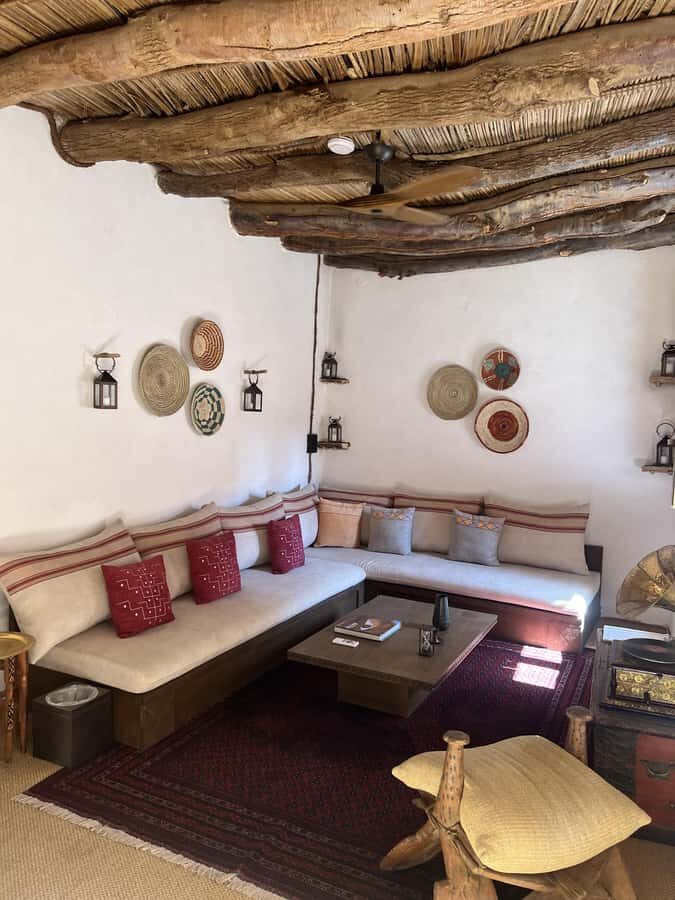
- Old Town’s mud-brick details, including narrow alleys and historic mosques that show how daily life worked here
- Ancient irrigation in the oases, where date palms and citrus grow thanks to long-used water systems
- UNESCO-listed Hegra with rock-cut tombs, carvings, and inscriptions tied to Nabataean trade routes
- Elephant Rock at sunset, when the sandstone glow turns into your best photo moment
How the 6-Hour AlUla Circuit Works (and Why It Matters)
This is a guided day tour built around seeing the big four of AlUla without getting lost in logistics. You start in AlUla, ride out with roundtrip transportation, and return to AlUla after about six hours. That time window is a blessing if your AlUla stay is short, but it also means you should treat it like a focused walking day, not a slow stroll.
The tour includes snacks and a live guide (Arabic and English). Snacks might sound small, but in hot desert conditions they matter. A guide who slows down when people need breaks is the difference between a great day and a tired one. The feedback you’ll see from guides such as Hatim is that they try to match the group pace instead of sprinting through stops.
Also, the order of sights is smart: you move from built heritage (Old Town) to the green contrast of the oases, then to UNESCO rock-cut tombs at Hegra, and finally to Elephant Rock when the light shifts. That flow keeps the day from feeling like one long museum visit.
You can also read our reviews of more tours and experiences in Al Ula.

AlUla Old Town: Mud-Brick Streets and a Pilgrim Stop
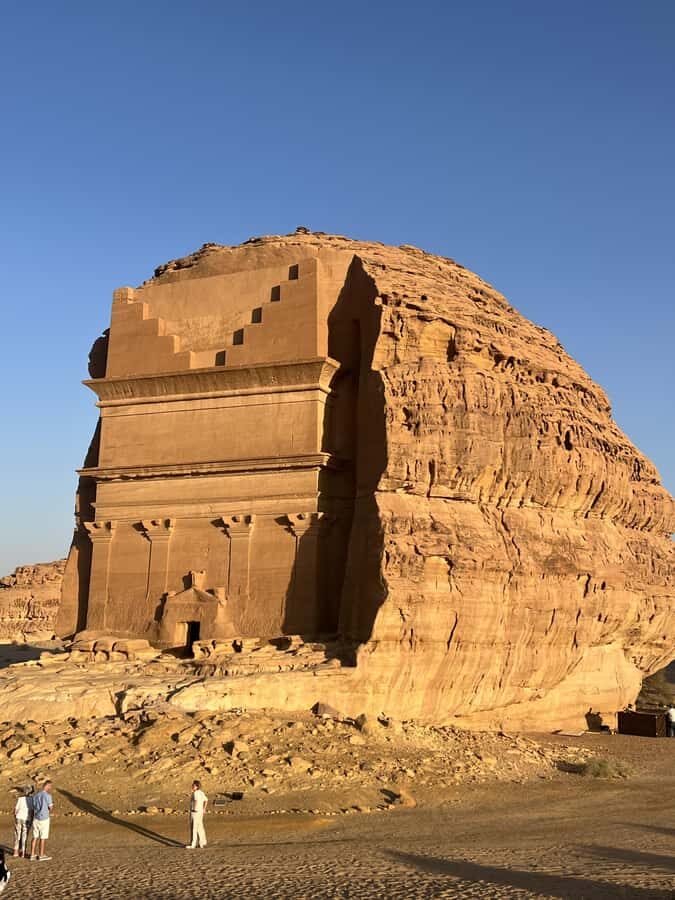
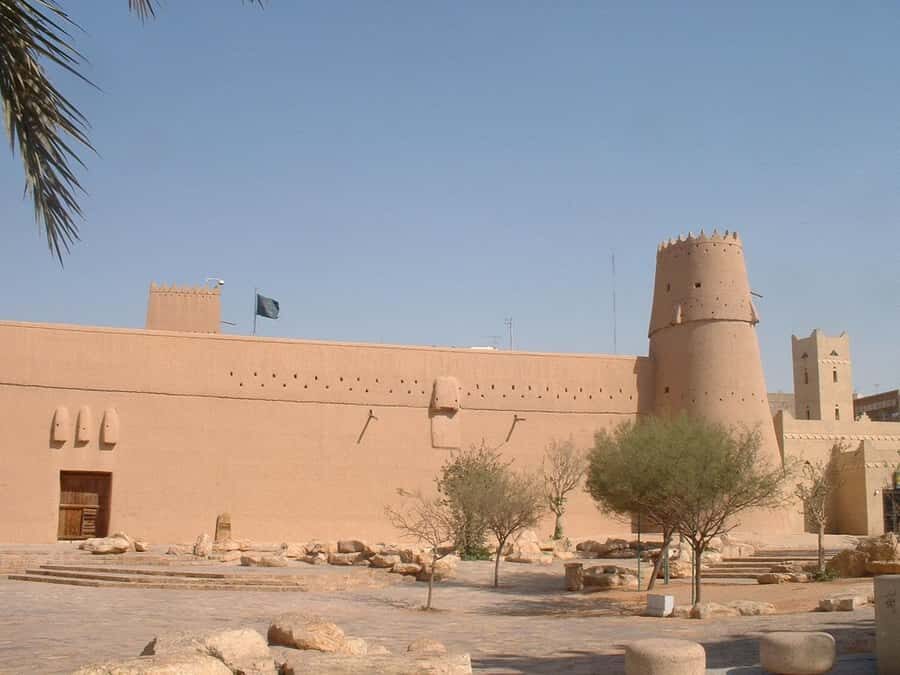
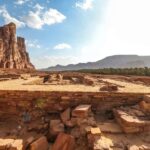
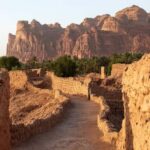
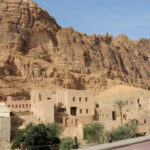
Old Town is the part that helps you understand what AlUla used to be. You’ll walk through a maze of mud-brick houses, narrow alleys, and historic mosques. It’s not just scenic. It’s structured like a place designed for people to live, pray, trade, and move through tight spaces.
A big reason I’d prioritize this stop is that you get numbers that make the scale click. Old Town once supported nearly 900 homes and around 400 shops. You’re also in the right setting to appreciate why this area mattered to travelers: it was a vital stop for pilgrims going to Mecca. That context turns the streets from background visuals into part of the story.
How to enjoy it:
- Wear shoes that can handle uneven ground. Old Town is walk-first.
- Expect some tighter passages, so go slowly and let your guide steer you to the best viewpoints and key structures.
- If you’re into architecture details, this is where you’ll spot how everyday design fits desert life.
The one consideration here is time and energy. Old Town is fascinating, but the same narrow lanes that feel charming can also feel tiring if you’re prone to overheating. Bring a hat and sunscreen and don’t wait until you feel thirsty.
AlUla Oases: Date Palms, Citrus, and Ancient Water Wisdom
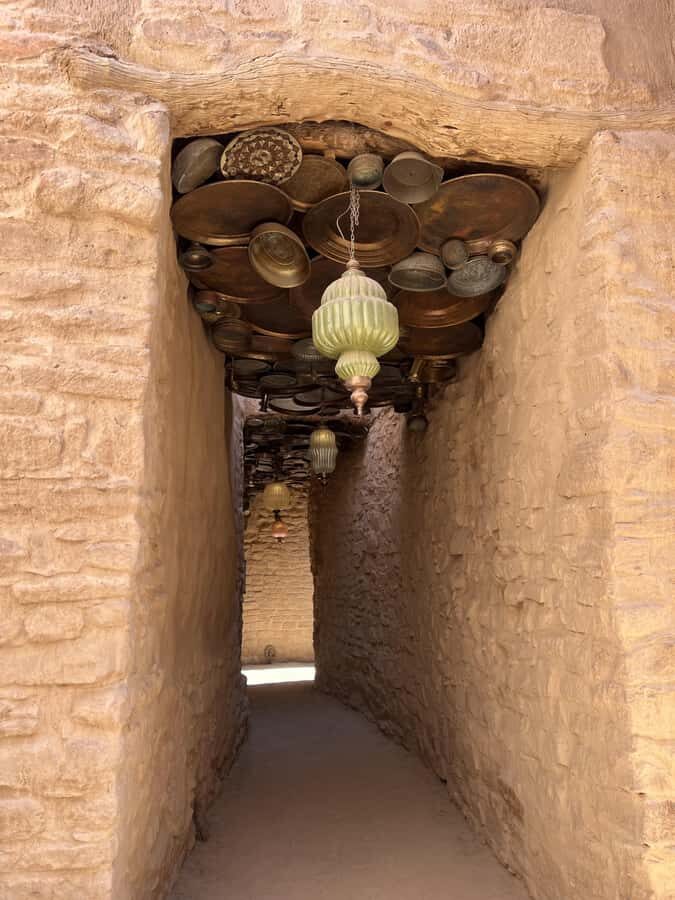
Then you get the contrast your eyes will remember: oases. Amid rugged desert terrain, AlUla’s green pockets are sustained by ancient irrigation systems and natural springs. You’ll see how these fertile areas have been a lifeline for thousands of years.
Why this stop is more than pretty scenery: it helps you read the landscape. When water is scarce, access changes everything. The oasis isn’t a separate attraction. It’s the reason this region could support settlements and trade. You’re surrounded by the evidence in everyday plant life, including date palms, citrus trees, and aromatic herbs.
What I like about this part of the day is the balance. Old Town gives you human-made structures. The oases give you the natural system that made human life possible. Together, you start to see AlUla as an interlocking set of survival skills: water management, trade movement, and community building.
Practical tip: pause often. Even if the walking is manageable, the oasis is a good place to cool down, hydrate, and reset before Hegra. The tour includes snacks, but you still should rely on water you bring yourself.
Hegra UNESCO Site: Nabataean Tombs and Inscriptions You Can Actually Read
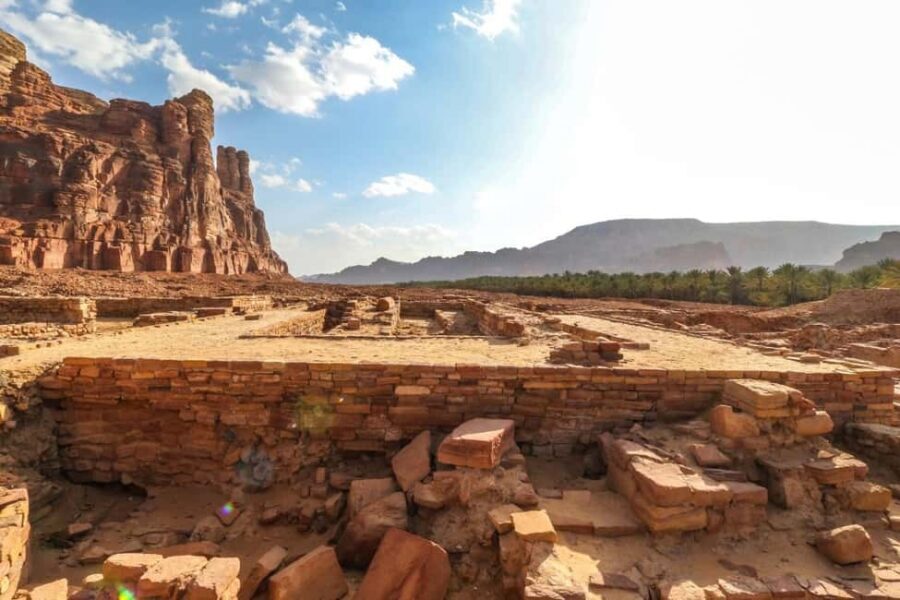
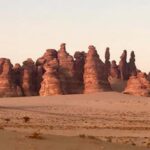
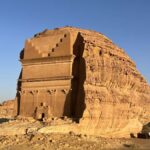
Hegra is the UNESCO-listed centerpiece in this tour, and it’s worth treating as its own experience rather than a stop-by-stop comparison to other desert sites. Hegra was the second-largest city of the Nabataean Kingdom after Petra, and the result is a site packed with rock-cut tombs, intricate carvings, and ancient inscriptions.
Here’s what makes Hegra special: it’s not just one big view. It’s a collection of details cut into stone, tied to how a long-lost civilization expressed status, beliefs, and identity. You’ll also see ancient wells and dwelling ruins, reminders of a society that depended on and controlled vital trade routes.
What to look for during the visit:
- Rock-cut tombs and the way carvings are shaped into the rock
- Inscriptions that your guide can explain in context (especially useful since you’ll see more than you can decode on your own)
- The sense of “city planning” in the way different areas relate to each other
The main drawback is the pacing pressure. The tour is only six hours, so Hegra may feel like a concentrated visit. That can be a positive if you like highlights with guidance. If you’re the type who wants to linger over each inscription for a long time, you’ll want to be mentally ready for a fast but meaningful overview.
Elephant Rock at Sunset: The Desert’s Signature Shape
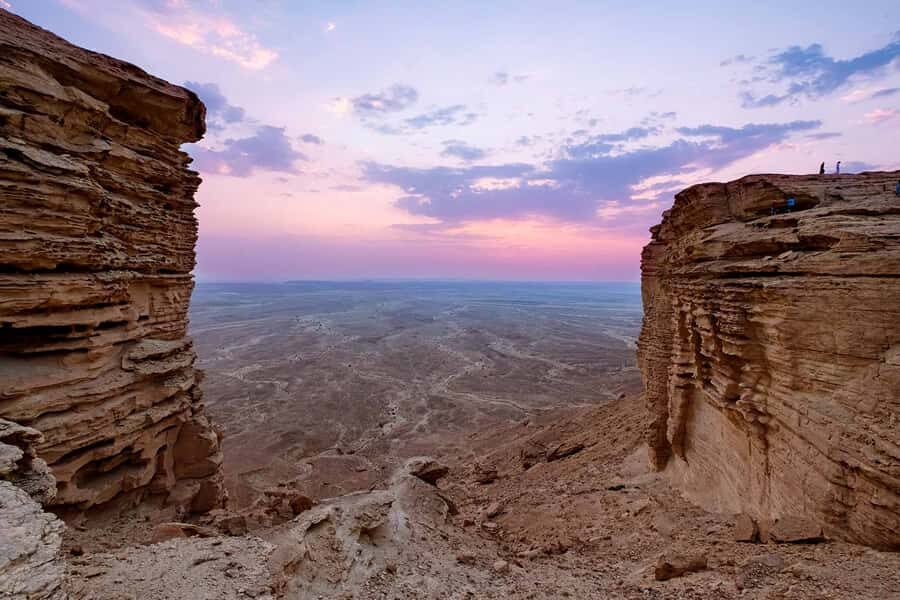
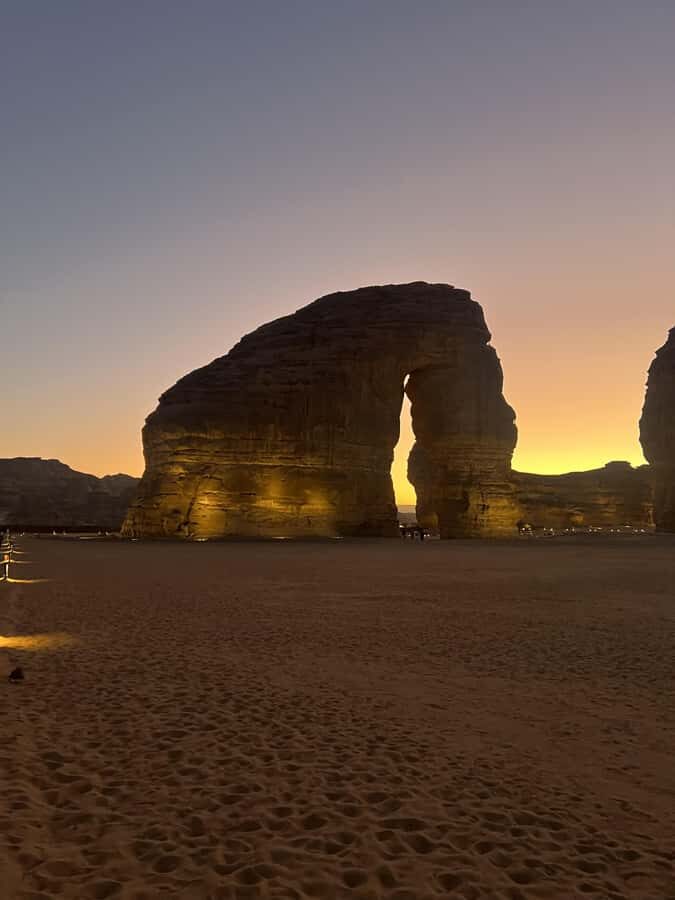
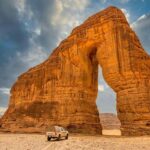
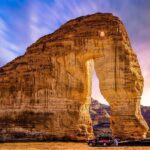
Elephant Rock is the kind of natural landmark people talk about for a reason. It’s a towering sandstone formation sculpted by nature over millions of years, shaped like an elephant with an arching trunk. That silhouette is dramatic in daylight, but it’s best when the desert light turns soft.
The tour is designed so you can see it at sunset. That timing matters because sandstone color changes quickly. One minute it’s flat and chalky; the next it’s glowing. If you care about photos, this is the stop where you’ll want to slow down and let the moment happen.
How to make the most of it:
- Bring your camera gear if you use it, but also take a few minutes to put the phone down and watch the color shift.
- Stay close to your guide. Elephant Rock is iconic, but getting disoriented wastes time when the light is moving.
- Keep hydration on your mind. Sunset can trick you into thinking you’re done with heat.
This is also where the day’s earlier stops pay off. After Old Town’s streets and Hegra’s tombs, you get an almost emotional reset. The desert stops being a backdrop and becomes the main character.
Price and Value: Is $199 Fair for This Mix of Sites?
At $199 per person for a 6-hour guided day with roundtrip transportation and snacks, the value depends on how you travel. If you’re the type who wants everything arranged for you and you don’t want to spend time coordinating between Old Town, Hegra, and Elephant Rock, this price starts to look reasonable.
You’re paying for three things you’d otherwise need to solve:
- Guided context across multiple major sites (Old Town, Hegra, and Elephant Rock)
- Roundtrip transportation that keeps the day efficient
- A structured route that fits into a short stay
Could it be expensive if you already have your own transport and you prefer self-guided visits? Possibly. Also, if you’re a slow walker who needs long breaks, the fixed six-hour window might feel limiting.
But if you want the highlights, and you like learning as you walk, the $199 price is easier to justify. With a rating of 4.9 out of 14 reviews, the overall pattern is that people feel the day hits the key sights with strong guiding and pacing.
What to Pack for AlUla Day Heat and Modesty Rules
This is Saudi Arabia, so dressing matters. The tour asks you to dress modestly, and you’ll do better if you treat that as part of your comfort plan rather than a burden. Light, breathable layers that cover appropriately work best.
You’ll also want practical sun protection. Bring a hat and sunscreen. You’ll be outside for a good chunk of the day, and the tour includes no mention of water beyond what you personally carry, so plan on bringing enough to feel comfortable.
Comfort is non-negotiable. The tour recommends comfortable walking shoes, and you should take that seriously. Even if you’re not running between stops, you’ll be on your feet in desert conditions.
Quick checklist:
- Comfortable walking shoes
- Hat and sunscreen
- Water you can drink throughout the day
- Modest, breathable clothing
Rules are straightforward: no smoking, no alcohol or drugs, and don’t litter. Photography is allowed, but be respectful with what you shoot and how you approach people and sacred spaces.
Who This Tour Suits Best (and Who Should Skip It)
This tour is a great fit if you want a guided overview of AlUla’s most important sights in one compact day. You’ll enjoy it if you:
- Like structured itineraries that still leave space for photos
- Care about understanding how places connect (pilgrimage route to oasis survival to Nabataean tombs)
- Want a sunset finish that feels cinematic but grounded in real geography
It’s less ideal if you have mobility limitations. It’s not suitable for people with mobility impairments or wheelchair users. Also, if you hate walking in strong sun, plan for breaks and pace yourself from the start.
Final Call: Should You Book This AlUla Old Town, Hegra, and Elephant Rock Tour?
I think you should book this tour if your time in AlUla is tight and you want the major sights in a logical order with a live guide who can help you understand what you’re seeing. Guides like Hatim, Rasha, and Mohamed Al Bokhari are highlighted for pacing and making the day feel human, not rushed.
Skip it if you need long, slow stops, or if mobility is a concern. And if you’re the kind of traveler who loves total DIY freedom, you might feel constrained by the six-hour structure.
If you’re somewhere in the middle, this day tour is a smart, efficient way to experience AlUla’s range: old mud-brick life, oasis waterworks, Nabataean rock-cut tombs, and a sunset moment at Elephant Rock that actually lives up to the hype.
FAQ
How long is the AlUla Old Town, Hegra, and Elephant Rock day tour?
The tour lasts 6 hours.
What does the tour cost?
It costs $199 per person.
What’s included in the price?
Roundtrip transportation and snacks are included.
What languages are the guides?
The live tour guide offers Arabic and English.
Where do you get picked up and where do you return?
Pickup and return are both in AlUla.
Are smoking, alcohol, and drugs allowed?
No. Smoking, alcohol, and drugs are not allowed.
Is photography allowed?
Yes, photography is allowed, but you should respect local sensitivities.
Is it suitable for wheelchair users or people with mobility impairments?
No, it is not suitable for people with mobility impairments or wheelchair users.