REVIEW · JEDDAH
Full Day Guided Jeddah City Tour
Book on Viator →Operated by Mohammed Travels and Tours · Bookable on Viator
Jeddah feels like two cities at once. This full-day guided route mixes major landmarks with the old lanes of Al-Balad, so you get a clear feel for how the Red Sea and trade routes shaped Jeddah (Jeddah Promenade and Al-Balad included).
I love the small-group format (max 6) and the guide style of Mohammed, often called Gari, who ties together architecture, religion, and local culture as you move between stops. The only real drawback to consider is pace: several highlights are timed to short visits, so you’ll be doing a lot of seeing and less doing.
In This Review
- Key Highlights You’ll Notice Fast
- What This 7–8 Hour Jeddah Day Really Covers
- What You Pay ($200) and What You’re Getting Back
- A practical value check
- Pickup and Routing: How the Day Starts and Ends
- Stop 1: King Fahd Bin Abdul Azeez Mosque and the Andalusian-Maghreb Look
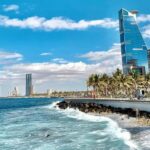
- Stop 2: Jeddah Promenade (Art Promenade) on the Sea
- Stop 3: Al Rahmah Mosque (Floating Mosque) and Its Turquoise Dome World
- Stop 4: Jeddah Yacht Club & Marina and the Premium Waterfront Mood
- Formula One Along the Corniche Circuit: Speed Culture by the Red Sea
- Stop 5: Jeddah Waterfront Harbor and the Sports Track Stretch
- Stop 6: Hassan Enany Mosque and the Precious-Stone Interior Finish
- Stop 7: King Fahd’s Fountain and Its City-Scale Visibility
- The Tall Flagpole Moment: 171 Meters and a Timeline That Matters
- Stop 8: Fish Market Harbour and the Morning-Noise Feel
- Stop 9: Al-Balad for 4 Hours of Souq Time and Historic Neighborhoods
- The architecture story you’ll actually notice
- What you can do with your free time
- Who This Jeddah Tour Fits Best (and When It Doesn’t)
- A Quick Note on Comfort and Planning
- Should You Book This Full Day Guided Jeddah City Tour?
Key Highlights You’ll Notice Fast
- Small-group attention: up to 6 people keeps the day flexible and easier to ask questions.
- Guide Mohammed (Gari): praised for clear explanations on history, culture, and everyday habits.
- Mosques with standout design: Andalusian-Maghreb style at King Fahd Mosque and the turquoise look of Al Rahmah Floating Mosque.
- Seafront mix of old and new: Promenade, marina area, and Corniche views sit side-by-side with historic neighborhoods.
- A long Al-Balad window: around 4 hours of free time for the souq and shopping in the old city.
- Morning-energy option: the Fish Market stop is described as a daybreak scene, so it can feel lively and local.
What This 7–8 Hour Jeddah Day Really Covers
This is a full-day tour built around variety. You’ll start with big, iconic architecture, then shift to Jeddah’s waterfront and modern seafront areas, and end with the slow part: old neighborhoods and shopping in Al-Balad.
The timing matters. At around 7 to 8 hours, you’re not just doing a quick hit-and-run. But because some stops are brief (think 15–30 minutes), the day works best if you like movement and topic changes rather than lingering.
You also get a guided rhythm that’s useful in Jeddah. The city is visually striking, but it can be confusing if you’re trying to connect the dots between old neighborhoods (harat), historic building styles, and modern coastal landmarks. The guide’s job is to help you read the city as you go.
You can also read our reviews of more guided tours in Jeddah
What You Pay ($200) and What You’re Getting Back
The price is $200 per person, and in return you get more than just someone driving you around. It includes an air-conditioned vehicle, bottled water, coffee and/or tea, and all fees and taxes.
That inclusion part can make the day feel more “complete.” You won’t have to budget separately for basic comfort, and the tour covers the costs needed to enter at certain stops. It also helps if it’s hot out, because staying hydrated is part of the plan and you’re not juggling logistics mid-day.
Food isn’t included. Dinner and lunch are on you, along with personal expenses. So if you want a full-food day with zero planning, you’ll need to plan your own meals near the areas you visit—especially around Al-Balad, where you’ll have time to shop and wander.
A practical value check
This tour tends to make sense if:
- you want a guided overview without stitching together multiple tickets and directions yourself
- you care about understanding architecture and culture at each stop
- you’re okay with short visits at several major sights
If you prefer slow, museum-like pacing or you mainly want one neighborhood deeply (only Al-Balad, for example), you might feel this one is “a bit much.”
Pickup and Routing: How the Day Starts and Ends
The tour starts at Red Sea Mall in Ash Shati (your meeting point is listed clearly), and it ends at Bab Alfurdhah in the Al-Balad area, at the gate front of Almahmal Center.
That matters because you’re finishing where the atmosphere is best for wandering. Al-Balad is where you can slow down after the organized portion of the day, and your end point is in the old city zone rather than sending you back to the outer waterfront.
You’ll also have a mobile ticket. Confirmation comes at booking, which is useful if you’re trying to lock in a day with limited flexibility.
And since the group is capped at 6, you’re more likely to have a smoother flow between stops. Bigger groups can feel like herding; here, the day is easier to control.
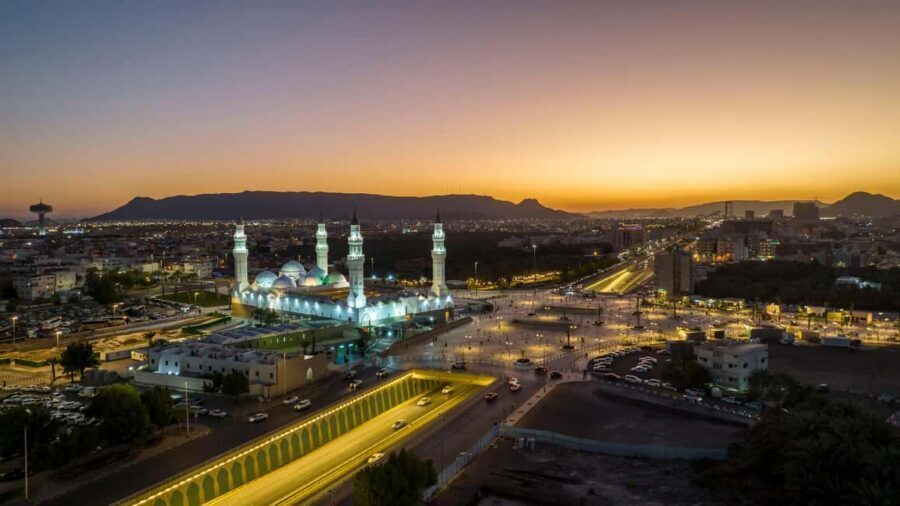
Stop 1: King Fahd Bin Abdul Azeez Mosque and the Andalusian-Maghreb Look
King Fahd Mosque is one of those places where the architecture does half the explaining. The design is described as Andalusian-Maghreb style, with highlights like the portico, internal space, and distinctive square minarets.
Why it’s worth your time: this isn’t just a pretty exterior. The stop is about scale and spatial design—especially if you’re used to smaller neighborhood mosques. With an included admission ticket and a stated visit time of about 20 minutes, it’s a short window, but a meaningful one.
What to expect
- You’ll spend enough time to take in the layout and key exterior details.
- The guide’s role is important here, because a mosque visit is about both form and meaning, and the explanations can help you look past surface decoration.
One consideration
If you’re sensitive to heat or crowds, plan for it. Mosques can feel busy at certain times, and the tour is moving on after the visit.
You can also read our reviews of more city tours in Jeddah


Stop 2: Jeddah Promenade (Art Promenade) on the Sea
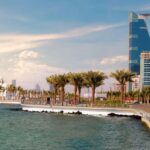
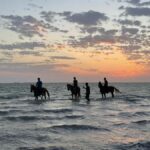
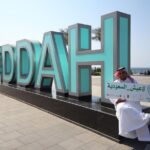
Next you shift to Jeddah’s newer coastal vibe, described as a quiet residential area by the sea extending toward the marina. This is where the “international events” energy can show up, and you can also find places to grab a drink, like Celsius 95 Cafe near the waterfront.
This stop is short (about 15 minutes), but it works because it changes your mental map of the city. You see how the waterfront functions as a social space—walking, events, views—rather than treating Jeddah like only a historic port.
What I like about this kind of stop
Short does not mean unimportant. It gives you a breather and a visual reset before you move into more architectural and religious sites. You’re also near the sea, so you feel that coastal identity quickly.
Stop 3: Al Rahmah Mosque (Floating Mosque) and Its Turquoise Dome World
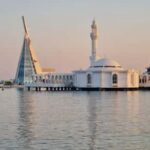
Al Rahmah Mosque is known for its floating-style presence and its look: turquoise domed structure, a white minaret, and 52 outer domes around the main dome. The mosque also includes 23 external umbrellas engraved with verses from the Holy Quran.
This is an included admission stop with about 20 minutes allotted. That’s enough time to notice the repeating dome pattern and the way the mosque is designed as a whole, not just a single focal point.
Why this stop hits
It’s a modern-meets-traditional style statement in Islamic architecture. And it’s visually unforgettable, which means even a brief visit can still feel rewarding.
If you’re the kind of traveler who likes photos, this is one of the best setups on the route. Just keep it respectful—there’s a spiritual context, and the best visits combine seeing with quiet attention.
Stop 4: Jeddah Yacht Club & Marina and the Premium Waterfront Mood
The Jeddah Yacht Club & Marina is described as Saudi Arabia’s first west coast marina, aimed at a premium yachting experience. The stop is about 15 minutes with admission included.
This isn’t the place for deep cultural immersion. It’s more like a viewpoint into how Jeddah has expanded and diversified economically and socially along the coast.
How to get value out of it
Use this stop as your “modern infrastructure” chapter. After seeing mosques and older neighborhoods, the marina area helps you understand the city’s present-day face.
Formula One Along the Corniche Circuit: Speed Culture by the Red Sea
Along the Red Sea coastline, the Jeddah Corniche Circuit is famous as a street circuit and is described as the fastest street circuit ever seen in Formula One.
There’s no set visit time listed for the circuit itself in your provided structure, but it’s included as a stop. For many people, it’s a surprising contrast: you’re in a city where religious landmarks and old trading neighborhoods share the same day with a track associated with global motorsport.
Even if racing isn’t your thing, the Corniche context helps you understand why waterfront promenades matter so much here. The coastline is a stage for both daily life and major international events.
Stop 5: Jeddah Waterfront Harbor and the Sports Track Stretch
Next, you get a glimpse of the waterfront harbor with a 4,500-meter sports track along the area. The visit time is about 20 minutes, and admission is free.
This stop is low-pressure. It’s more about atmosphere than monuments: you can feel how the city encourages movement along the water.
Practical tip
If it’s hot, use this moment strategically. Walk for a few minutes to soak up views, then find shade or a calmer spot rather than trying to cover the entire area.
Stop 6: Hassan Enany Mosque and the Precious-Stone Interior Finish
Hassan Enany Mosque is described as a mosque where everything is planned around it—trees, lighting, and the exterior scene. The interior is said to be richly decorated with expensive precious stones, and the look is supposed to impress enough that people want to see it again.
Admission is included, and the stop is about 20 minutes.
Why I think this is a smart stop
This is the kind of mosque where the visual impact is immediate. Even with limited time, you get a sense of craftsmanship and design intention.
If you’re visiting for photography or architectural appreciation, keep your eyes up and down: exterior lighting setups and interior details can feel different in the way they frame space.
Stop 7: King Fahd’s Fountain and Its City-Scale Visibility
King Fahd’s Fountain is described as a massive fountain that ejects seawater about 200 meters out, visible from around the city. The visit time is about 20 minutes, and admission is free.
This is a landmark stop. It’s not a long stay, and it’s not about ticketed entry. Instead, it helps you anchor Jeddah visually—so later, when you’re looking out at the coastline, you know what you’re seeing.
What to bring mentally
Think of it as “big city coastal engineering.” You don’t need technical knowledge to enjoy it; you just need enough time to watch and take it in.
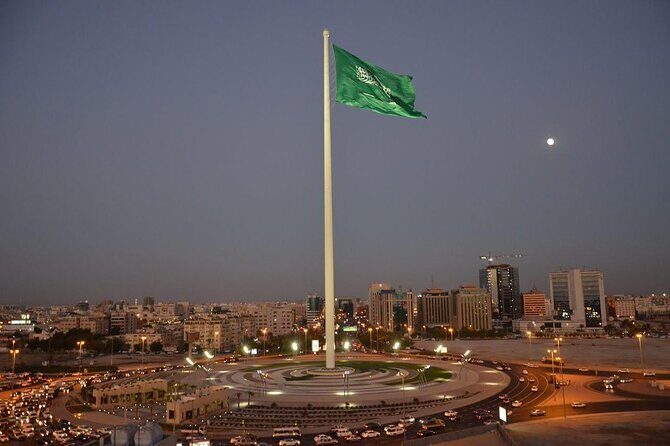
The Tall Flagpole Moment: 171 Meters and a Timeline That Matters
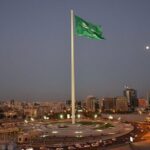
The route also includes a 171-meter (561 ft) flagpole. It was described as the tallest flagpole in the world from September 23, 2014 until December 26, 2021.
Even if you don’t care about records, this is useful context for how modern Jeddah wants to show scale. It’s a reminder that the city isn’t only preserving the past—it’s also building big and visible statements.
Stop 8: Fish Market Harbour and the Morning-Noise Feel
The Fish Market Harbour stop is all about the Central Fish Market, described as the best wake-up call in Jeddah. It comes alive at daybreak, with fishermen offloading hauls onto over 100 stalls and buyers jostling for fresh fish.
Admission is free, and the stop is about 30 minutes.
How to enjoy this stop
Go in expecting sensory intensity: movement, smells, and a busy marketplace tempo. This isn’t a quiet photo stop, and it’s exactly why it feels authentic.
A thoughtful consideration
A fish market is not for everyone, especially if you dislike crowds or strong smells. If you fall into that category, you may want to mentally treat this as a quick, guided look rather than a personal shopping plan.
Stop 9: Al-Balad for 4 Hours of Souq Time and Historic Neighborhoods
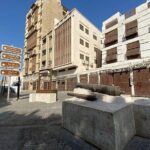
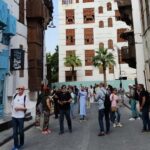
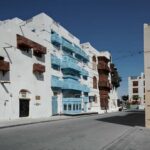
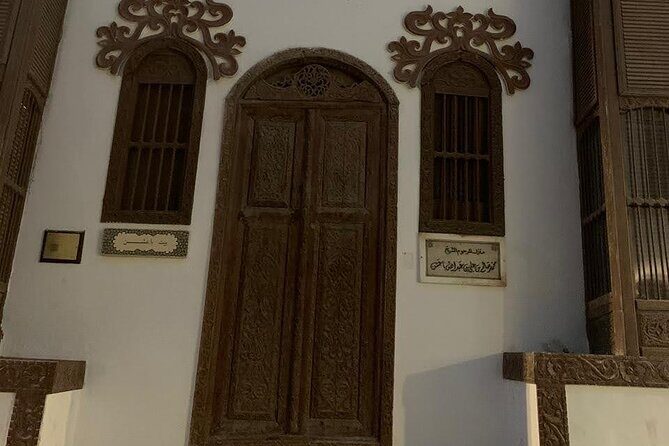
This is where the day shifts from structured sightseeing to your own wandering. Al-Balad is described as a historical area with old neighborhoods (harat), old and famous houses, and a historic mix of mosques and markets, including a private house museum.
The tour structure gives you about 4 hours, and it explicitly includes free time for shopping in the old souq of Al-Balad.
The architecture story you’ll actually notice
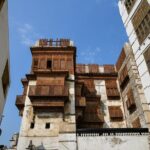
Jeddah’s old city isn’t generic. It’s characterized by distinctive architectural traditions like tower houses built in the late 19th century by mercantile elites. You’ll also see coastal coral building traditions and influences and crafts tied to trade routes.
That’s why the longer time window matters. If you only get 30 minutes here, you’ll miss how the buildings connect to each other and how the streets feel like they evolved from a trading port.
What you can do with your free time
- browse the old souq at a pace that fits you
- look closely at house facades and street texture
- stop in the market-and-mosque zones that feel most interesting
- buy small souvenirs rather than trying to do one huge shopping run
Since the tour ends at Bab Alfurdhah in the Al-Balad area, you’re positioned to keep going after the guided portion. That’s a smart layout because it saves you from commuting back across the city right when you’re in the mood to explore.
Who This Jeddah Tour Fits Best (and When It Doesn’t)
This tour fits best if you:
- want a guided overview of both modern waterfront Jeddah and the older Al-Balad core
- enjoy mosques as architectural and cultural landmarks (not only as religious sites)
- prefer a small group with up to 6 people and a guide who explains context
- can handle short visits at multiple stops and still feel satisfied
It’s less ideal if you:
- want a deep, slow day in only one neighborhood
- dislike marketplaces and prefer quiet attractions only
- need long sits at every major photo spot (the time between stops is fairly structured)
A Quick Note on Comfort and Planning
This experience is designed for moderate physical fitness level, and there’s a stated requirement for good weather. That matters in Jeddah, where conditions can shift quickly, and walking happens in multiple older areas.
Food and personal expenses aren’t included, so you’ll want a simple plan for lunch and snacks. Also, bring light layers and enough water. Even though bottled water is included, you’ll still want to stay ahead of heat.
Should You Book This Full Day Guided Jeddah City Tour?
Yes, if your goal is to get oriented fast and see the key sides of Jeddah in one day. The value comes from combining air-conditioned transport, water and drinks, guided explanations by Mohammed (Gari), and a long Al-Balad window for real browsing and shopping.
Skip it or reconsider if you hate pace. With multiple short stops and only a few longer moments, this is best for travelers who enjoy variety and can handle a tight schedule of big sights.
If you want a one-day “make sense of Jeddah” experience with a local guide and time in Al-Balad, this is a strong choice.