REVIEW · JEDDAH
Guided Tour in Jeddah by local woman
Book on Viator →Operated by Ferial · Bookable on Viator
Jeddah makes more sense with a local woman. In a short half-day, you get Ferial’s point of view on Saudi history and daily life as you walk through Al-Balad and wrap with a stop at the world’s tall Jeddah Flagpole area.
What I like most is the small-group feel (max 10). You’ll also get real conversation time, with a guide named Ferial who answers questions directly and helps you read what you’re seeing, not just where to stand for photos.
One thing to keep in mind: it’s still a walking tour. Old streets mean uneven footing and lots of moving in 3 to 4 hours, so plan for comfortable shoes and a steady pace.
In This Review
- Key tour highlights (quick hits)
- Entering Al-Balad: why Bab Jadeed sets the tone
- A small group walk with Ferial: the value of a 10-person cap
- Price and time: is $109 worth your afternoon?
- Al-Balad in 7th-century context: UNESCO explains the why
- Mosque, museum, and the quiet details you might miss alone
- Jeddah Flagpole at King Abdullah Square: the 171-meter contrast
- Food, coffee, and small tastings that feel local
- Practical pacing: what to plan for during the 3–4 hours
- Who should book this guided walk (and who might want a different plan)
- Should you book the Ferial Al-Balad tour?
- FAQ
- How long is the Jeddah guided tour?
- How much does the tour cost?
- Where does the tour start?
- Where does the tour end?
- Who is the guide for this experience?
- Is the group small?
- What stops are included?
- What ticket do I receive?
- Is there a free cancellation option?
- Are service animals allowed?
Key tour highlights (quick hits)
- Female-guided walk with Ferial and a Saudi woman’s perspective on culture and change
- Max 10 people, which keeps it personal and question-friendly
- Al-Balad UNESCO story in real streets, including the old neighborhoods and architectural details
- Food and drink stops built into the route, like Arabic coffee, dates, and local snacks
- Jeddah Flagpole at King Abdullah Square, a giant 171-meter landmark stop
Entering Al-Balad: why Bab Jadeed sets the tone
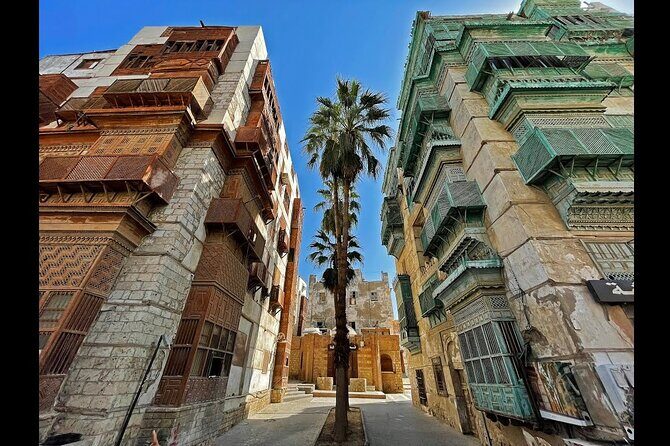
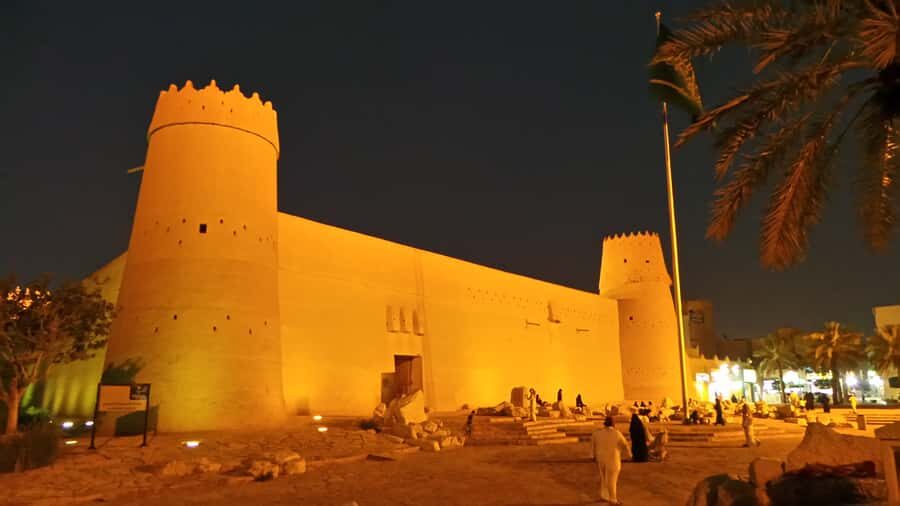
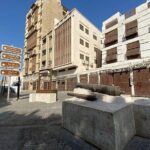
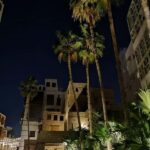
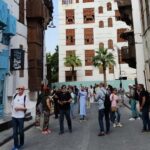
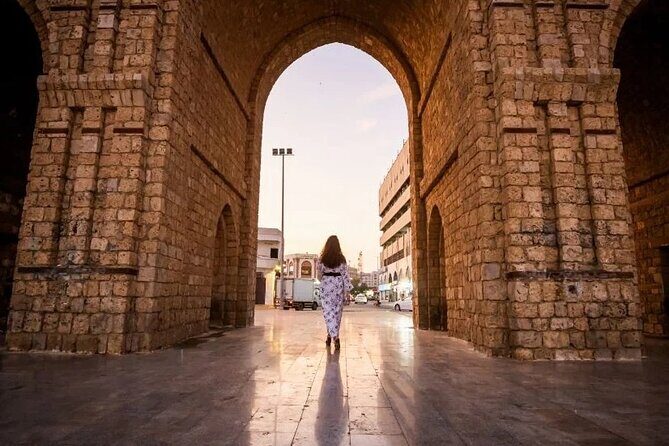
The tour starts in Al-Balad, often beginning near Bab Jadeed—the kind of place where you instantly feel the difference between a city you’re visiting and a city people actually live in. Right away, the guide frames what you’re seeing: the old buildings, the way streets connect, and how the area’s role in Jeddah’s story stretches back centuries.
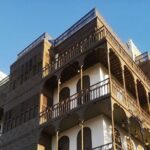
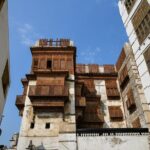
The big theme here is context. Al-Balad is historically tied to Jeddah’s early importance, and you get that timeline in plain language while you’re still walking. There’s also a helpful focus on how the old architecture worked. One detail I love is the way balconies and window colors could signal jobs and trades—so the buildings aren’t just pretty walls. They’re clues to work and community life.
And yes, you do cover a few key public sights. But the point is the in-between moments: the narrow lanes, the places where people pause, and the small stops that explain how the neighborhood functions now, not just how it used to look.
You can also read our reviews of more guided tours in Jeddah
A small group walk with Ferial: the value of a 10-person cap
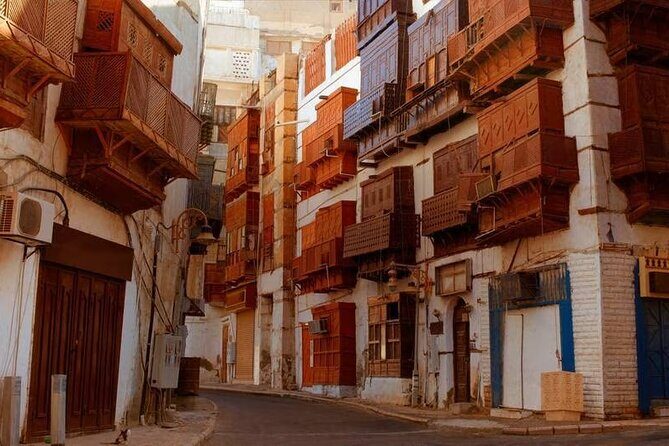
A tour is only as good as its rhythm. This one keeps the pace human because the group size is capped at 10 travelers. That matters in Al-Balad, where a crowd can turn a “look around” into a shuffle. Here, you get time to ask questions and hear answers in English, with Ferial able to explain things clearly and patiently.
Ferial’s approach shows up in the details people highlight. You’re not pushed toward shopping. You’re pointed toward what’s worth noticing, from architecture to everyday customs. In several accounts, guests also mention tastings and coffee breaks that feel like part of the experience, not an afterthought.
If you’re visiting Jeddah solo and want a comfort layer, a female guide can also change the whole tone of the day. People specifically mention feeling safe and relaxed while moving through the area with her.
Price and time: is $109 worth your afternoon?
At $109 per person for about 3 to 4 hours, this tour sits in the “small-group guided value” category rather than the “big-bus sightseeing” one. You’re paying for two things that are hard to replace on your own:
- A local interpreter of the place: Al-Balad isn’t just a list of sites. The guide helps you understand why certain buildings look the way they do, how neighborhoods developed, and what changed over time.
- Practical moments built in: coffee, snacks, and tasting stops cost money and take time to organize when you’re on your own. Here, it’s part of the flow.
You also get a short, satisfying mix: old town walking plus a major city landmark. That makes it a great first or second day activity—especially if you want direction before you explore further.
The only cost trade-off is your own energy. Since it’s a walking experience, you’ll want to treat it like an activity day, not a “quick photo stop” plan.
Al-Balad in 7th-century context: UNESCO explains the why
Al-Balad’s story starts much earlier than many visitors expect. It was founded in the 7th century and served as the center of historical Jeddah. When you hear that on the street, the neighborhood stops feeling like a themed district and starts feeling like a living layer of time.
There’s also the UNESCO angle. Al-Balad was nominated for World Heritage status in 2009 and accepted in 2014. That detail is useful because it tells you why you’re seeing an emphasis on preservation and why restoration matters right now.
You should also expect some of that modern reality. People note the old town is undergoing renovations. That’s not a deal-breaker. It just means you’ll see the neighborhood as it is today—working, improving, and changing—rather than as a perfect postcard.
One practical perk: the guide helps you notice the “architecture for clues,” like the job-related window and balcony color cues, plus the way spaces offered comfortable places to sit and gather. In a place where it’s easy to get lost, those explanations make the walk feel organized.
Mosque, museum, and the quiet details you might miss alone
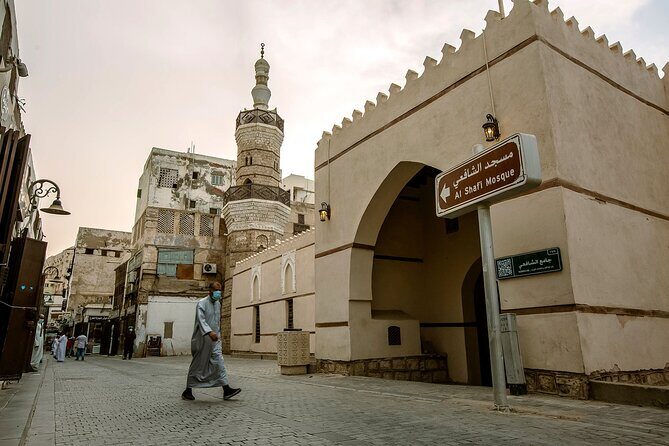
Your route through Al-Balad can include stops that go beyond street-level sightseeing. Based on how the experience is described, you may visit places like the Al Shafee Mosque and the Nassif House Museum area.
What makes these stops worth it isn’t just the name on a sign. It’s the framing. A guide helps you read religious and cultural sites without guessing at meaning. You’ll also get help connecting what you see to larger themes—how neighborhoods changed, what stays, and how people interpret modern life next to the old streets.
Several guests also mention extra points of interest that add texture, like time in coffee shops and local eateries, plus cultural encounters such as meeting local artisans or visiting a studio connected to a Saudi royal artist. Those moments matter because they’re not the “tourist version” of Saudi culture. They’re human-scale interactions.
If you love photos, you’ll still get them. But the better win is understanding what you’re looking at while you’re standing there.




Jeddah Flagpole at King Abdullah Square: the 171-meter contrast
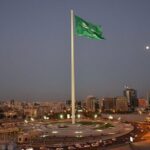
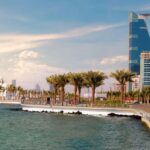
The tour includes a stop at the Jeddah Flagpole in King Abdullah Square. This is the tall one—171 meters high—and it was the tallest flagpole in the world for a period. Even if you don’t care about records, it’s a useful contrast after the tight lanes of Al-Balad.
Why I think it’s a smart pairing: it helps you see Jeddah as both layered and forward-looking. You start with streets shaped by age and trade. Then you look up at a monument that signals ambition and modern scale.
It’s also a “reset” point. After hours of walking, stepping into a wider square gives your legs and your head a break.
Food, coffee, and small tastings that feel local
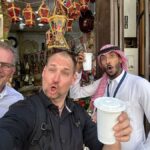
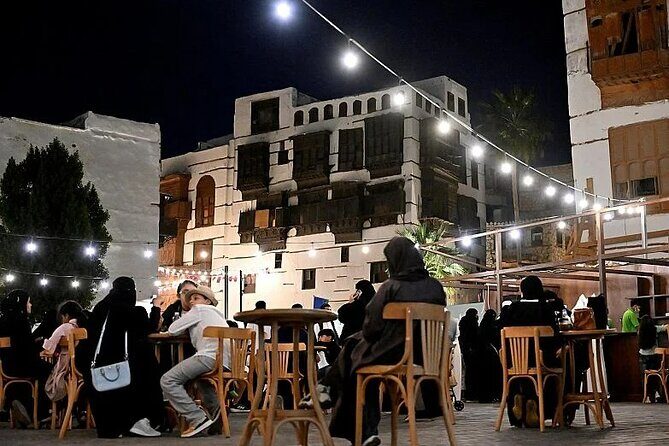
Food is where a guided walk becomes memorable. Guests describe tastings like Arabic coffee, street food, and dates, with coffee shop stops where you get to pause and talk. In one account, people even mention camel milk as part of the experience.
Even when the tastings aren’t a full meal, they do two helpful things:
- They slow the day down so you can process what you’re learning.
- They help you connect the neighborhood to daily life, not just history.
Ferial also appears to guide people in a low-pressure way around local snacks and places to eat afterward. A few guests mention she recommended a local dinner restaurant after the tour, which is exactly the kind of follow-through that makes a guide more than a “walk leader.”
If you have dietary restrictions, you’ll want to mention them early. The route includes food stops, so planning ahead keeps the experience comfortable.
Practical pacing: what to plan for during the 3–4 hours
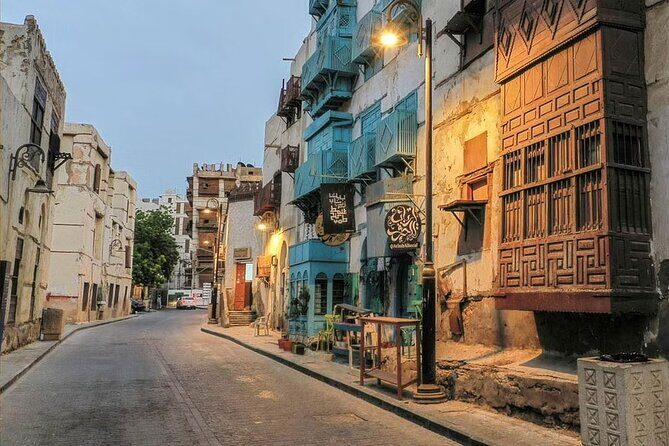
Think of this tour as a guided walk plus culture stops—not a museum marathon. The time window is right for:
- Getting your bearings in Al-Balad
- Learning how to read architectural details
- Trying a few local tastes
- Finishing with the flagpole landmark
Because it’s in old town alleys and shared spaces, the day can feel busy in a physical sense. Wear shoes you trust. Bring water if you’re the type who drinks often, even though you might get cold drinks during the tour.
Also, expect renovation elements. That doesn’t mean it’s unpleasant. It means you’ll see the neighborhood changing in real time.
Who should book this guided walk (and who might want a different plan)
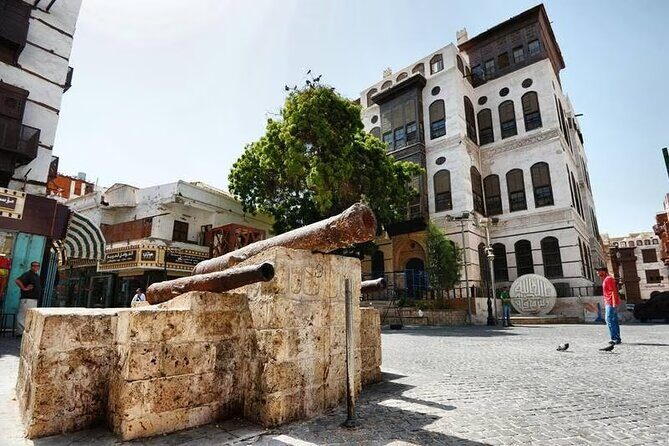
I think this is a strong fit for:
- First-timers in Jeddah who want a clear entry into Al-Balad
- Solo travelers who want a comfortable, female-guided day
- People who care more about understanding culture than checking boxes
- Anyone who appreciates small-group pacing and Q&A time
You might choose something else if you want:
- A long, sit-down museum-heavy schedule
- A tour that’s mostly indoor and minimal walking
- A strictly monument-only route
For most people, though, this is a great “get oriented fast” experience.
Should you book the Ferial Al-Balad tour?
Yes, if you want Jeddah that feels explained from inside the community, not just listed from the outside. The combination of Al-Balad context, cultural stops, and food-and-coffee moments makes the $109 feel like it goes toward time, guidance, and practical local access.
Book it especially if you’re curious about Saudi culture through the eyes of a local woman. Ferial’s style is frequently described as warm, interactive, and careful about keeping the tour pressure-free.
One last tip: if you only have half a day, this is a smart use of it. You’ll finish with a stronger sense of what to explore next.
FAQ
How long is the Jeddah guided tour?
It runs about 3 to 4 hours.
How much does the tour cost?
The price is $109.00 per person.
Where does the tour start?
The meeting point is near Jeddah Old Gate, in the Al-Balad area (specified by the location reference provided).
Where does the tour end?
The tour ends at Bab Alfurdhah in Al-Balad (also given by the location reference provided).
Who is the guide for this experience?
The experience provider is Ferial.
Is the group small?
Yes. The tour has a maximum of 10 travelers.
What stops are included?
The experience includes a visit to Al-Balad and a stop at the Jeddah Flagpole in King Abdullah Square.
What ticket do I receive?
You get a mobile ticket.
Is there a free cancellation option?
Yes. You can cancel up to 24 hours in advance for a full refund.
Are service animals allowed?
Yes, service animals are allowed.