REVIEW · RIYADH
Riyadh: Masmak Fort, Souq AlZal, and Murabba Palace Tour
Book on GetYourGuide →Operated by Abha Trips · Bookable on GetYourGuide
Saudi Riyadh has a story you can walk. This 6-hour guided loop links key sites like Masmak Fort and Souq AlZal, so you experience Riyadh’s turning points and its everyday trading life in one go.
I love how the history feels physical at Masmak Fort, built from clay and mudbrick, then flips into real street energy at Souq AlZal with sellers calling out antiques and old-world finds. One thing to plan for: the day includes several walks in strong sun, so pack for the heat and wear comfortable shoes.
In This Review
- Key highlights at a glance
- Masmak Fort and Murabba Palace: Riyadh’s story, in two strong locations
- Souq AlZal antiques and the thrill of old-school shopping
- Walking by Darah and into the Murabba area’s cultural context
- National Museum Riyadh: artifacts that help you read the country
- Al Bujairi Heritage Park: At Turaif and Wadi Hanifah from a higher viewpoint
- Najdi Village: a heritage-style food stop with local flavors
- Price and logistics: is $149 worth 6 hours of Riyadh?
- Who this tour fits best (and who should rethink it)
- Should you book the Masmak Fort, Souq AlZal, and Murabba Palace tour?
- FAQ
- How long is the Riyadh Masmak Fort, Souq AlZal, and Murabba Palace tour?
- Where can the tour pick me up?
- What language is the live tour guide?
- What does the tour include?
- Is there time for food at Najdi Village?
- What should I bring?
- Is photography allowed?
- Are there any rules I should follow?
- What’s the cancellation policy?
Key highlights at a glance
- Masmak Fort’s unification story tied to a historic battle and the House of Saud
- Souq AlZal’s 100-year alley feel with antiques, rare coins, old utensils, and instruments
- Murabba Palace’s central foyer layout ordered by King Abdulaziz and designed around traditional forms
- National Museum scale and artifacts featuring stories across 3,700 items
- Al Bujairi Heritage Park viewpoints toward At Turaif (UNESCO) and Wadi Hanifah
- Live guide support in English/Arabic with standout friendliness credited to guides like Sultan and Thamer
Masmak Fort and Murabba Palace: Riyadh’s story, in two strong locations
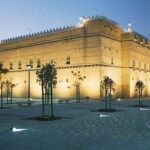
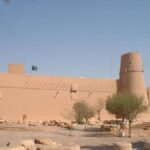
If you want Riyadh to make sense fast, start with the places where the city’s political story got decided. Masmak Fort is one of those spots. It’s known as a symbol of Saudi Arabia’s unification, and the tour links it to the historic battle that shifted control in favor of the House of Saud and helped pave the way for modern-day Saudi Arabia.
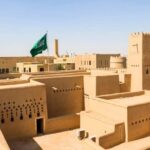
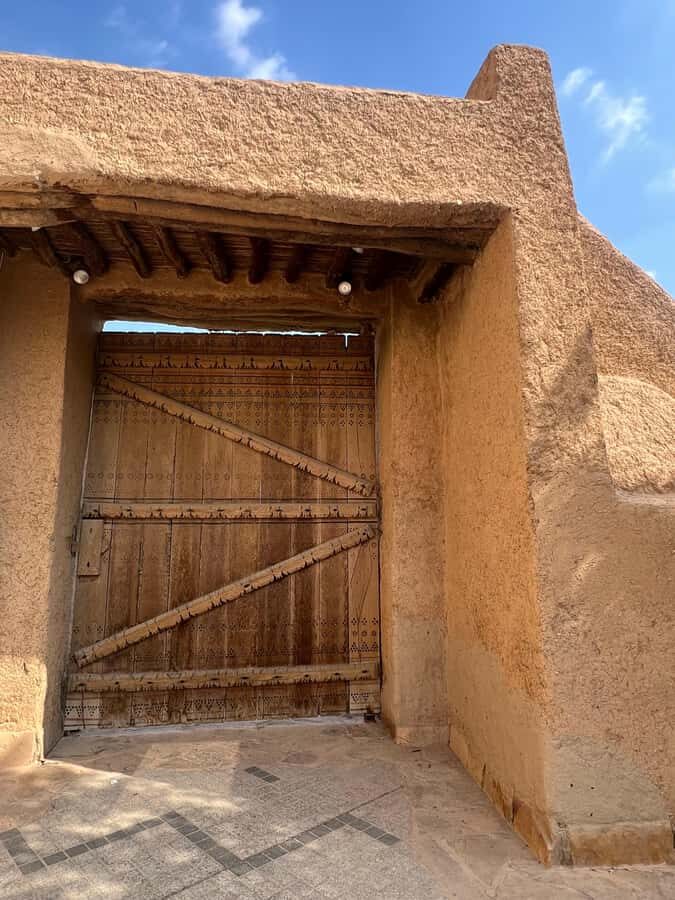
What makes Masmak Fort more than a photo stop is the building itself. You’re looking at a fort made from clay and mudbrick. That matters because it reminds you this wasn’t built for comfort or display. It was built for defense, and that physical reality helps the history land in your head.
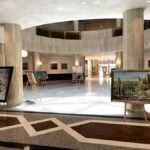
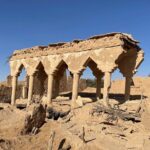
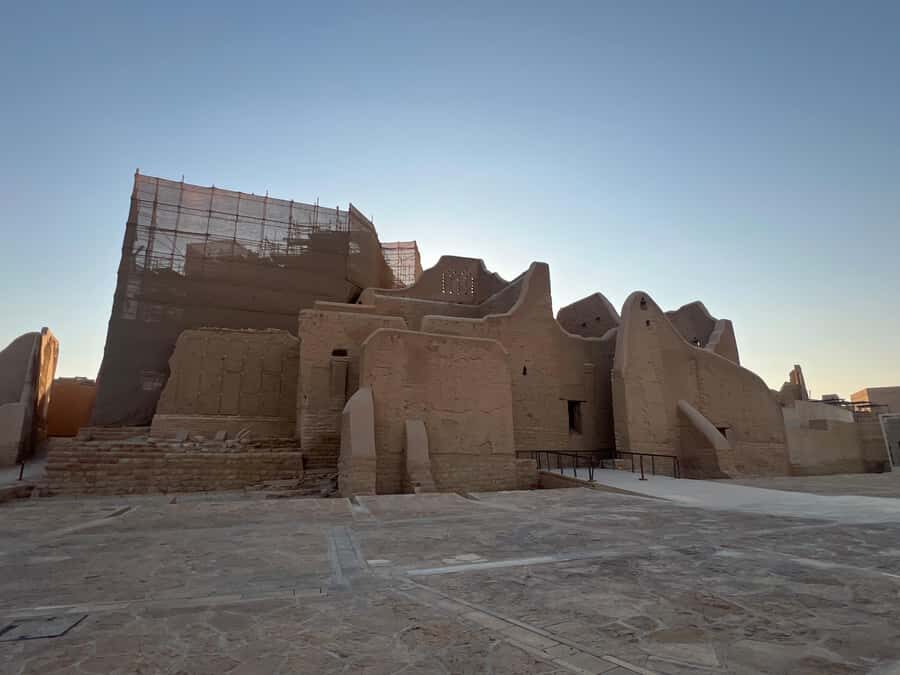
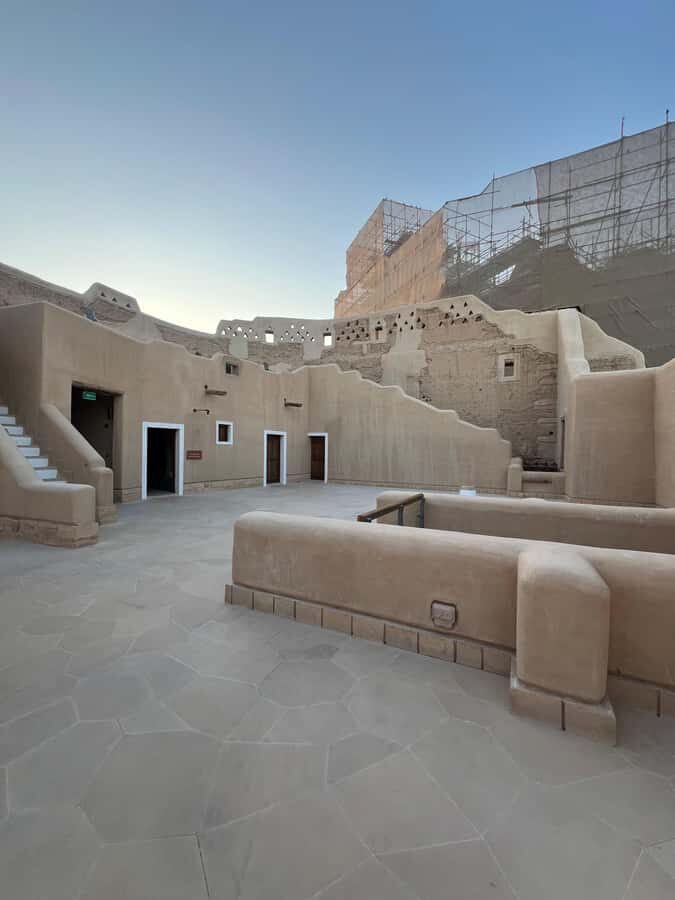
Then you move from fort to palace: Murabba Palace. This place was established by order of King Abdulaziz, and it’s famous for a layout that follows traditional design thinking. Pay attention to the foyer in the center of the palace, because the rooms circle around it. It’s a simple idea, but it changes how you understand the space: everything feels organized around a central hub, not a random collection of rooms.
Practical tip: when you’re walking through these sites, try to keep one question in mind—what was the building meant to do? Forts defend. Palaces organize power and daily life. Once you view them that way, the architecture stops being abstract.
You can also read our reviews of more tours and experiences in Riyadh.
Souq AlZal antiques and the thrill of old-school shopping
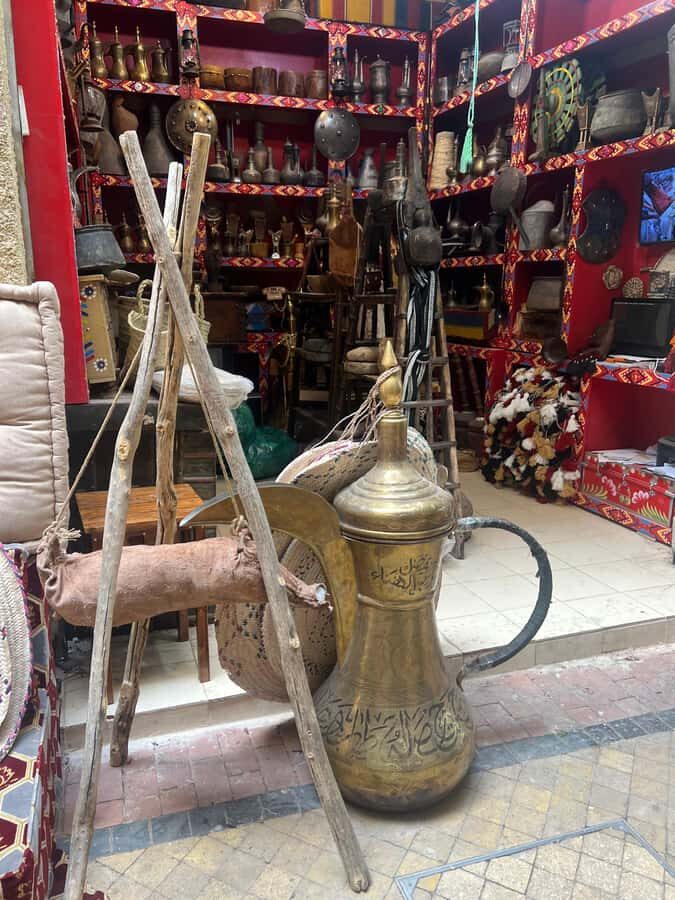
Souq AlZal is where the tour shifts from monuments to motion. This is one of Riyadh’s oldest traditional markets, and the experience is designed around that “you stepped back in time” feeling. You’ll walk through alleyways that carry about 100 years of history, and the sound of sellers calling out is part of the atmosphere.
This souq has a reputation for antiques and unusual collectibles. You may see rare coins and old utensils, plus the kind of items that feel like they should be in a folk-heritage display—musical instruments, old record players, and plenty of other objects with stories. Even if you don’t plan to buy, the variety makes it fun just to browse.
One realistic consideration: Souq AlZal shopping can be fast and full of sights, so your best move is to set expectations. Go in for curiosity first. If you plan to purchase anything, give yourself time to compare items and don’t feel pressured.
Also, keep your photos practical. Photography is allowed, but be respectful of local sensitivities. If someone seems uncomfortable, shift to observing rather than forcing a shot.
Walking by Darah and into the Murabba area’s cultural context
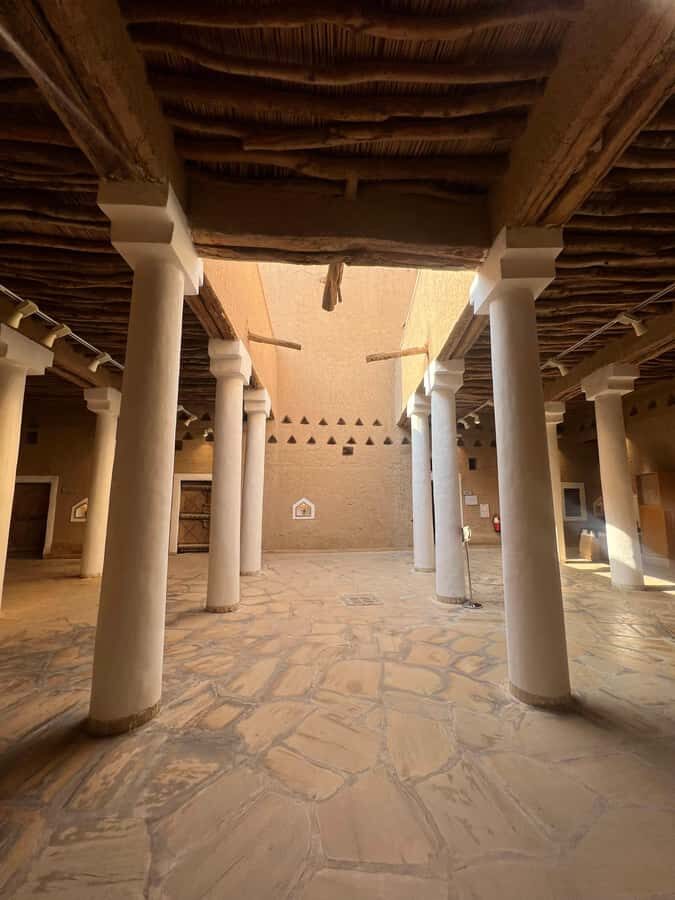
On the way to Murabba Palace, the tour includes a stop at the King Abdulaziz Foundation for Research and Archives (Darah). This is a useful add-on because it gives the history a “source” feeling, not just a story told at buildings.
Darah supports history, geography, literature, and heritage of the Kingdom of Saudi Arabia. In other words, it connects what you’re seeing—forts, palace rooms, museum artifacts—to the bigger idea that Saudi heritage isn’t just old walls. It’s also documents, scholarship, and preservation.
Even if you’re not a museum-lecture person, this stop helps you understand why the rest of the day emphasizes artifacts and architecture. It’s the bridge between place-based history and evidence-based history.
National Museum Riyadh: artifacts that help you read the country
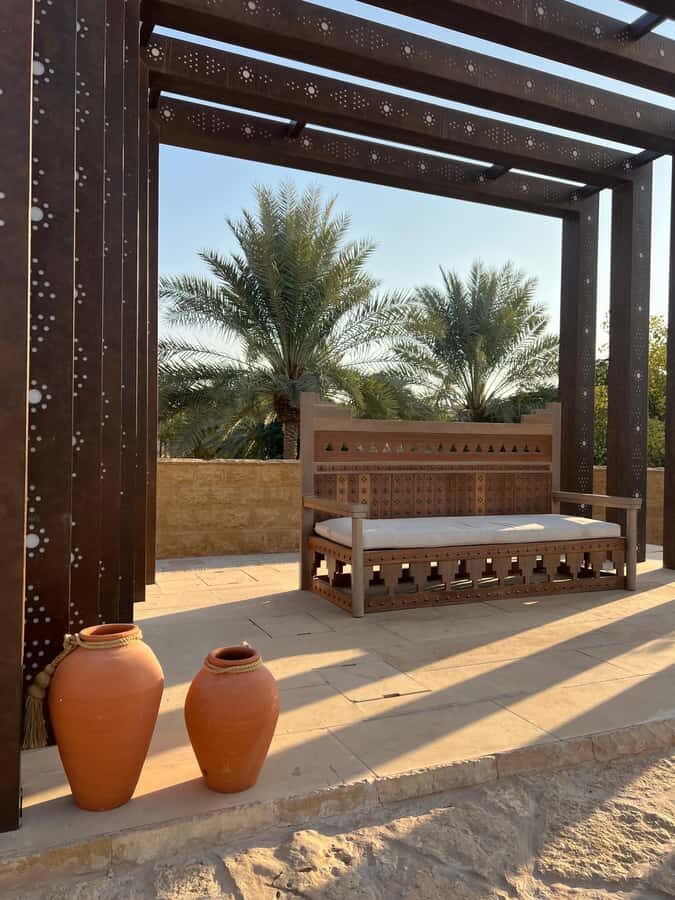
After forts and palaces, the National Museum changes the pace. This is where you go from living history in structures to history told through objects—statues, scripts, and sculptures that help you interpret the region’s artistic and historical development.
The tour highlights the museum’s scale in a very specific way: it presents 3,700 artifacts, and it’s described as covering a distance of 17,000 km². The exact math doesn’t matter as much as the takeaway: this isn’t a tiny stop. It’s a serious collection, designed to tell the story of Saudi Arabia through tangible pieces.
You’ll also be in the Al-Murabba neighborhood, near King Abdulaziz Palace. That location choice is smart because it keeps your mental map consistent. You’re not bouncing between random neighborhoods; you’re working within a cluster of sites tied to the same royal and cultural context.
Practical drawback to keep in mind: museum time can feel like it “moves fast” if you’re not into reading labels. If you prefer structure, use your guide. Ask them what to look for first, and focus on the themes they mention rather than trying to see everything.
Al Bujairi Heritage Park: At Turaif and Wadi Hanifah from a higher viewpoint
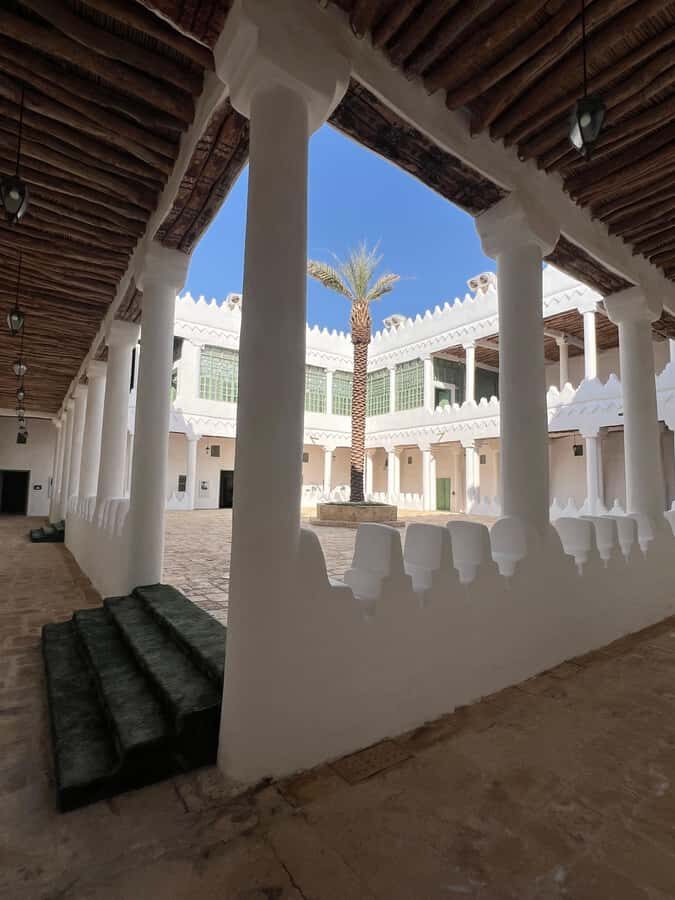
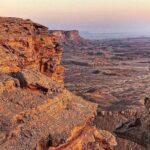
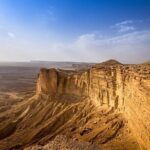
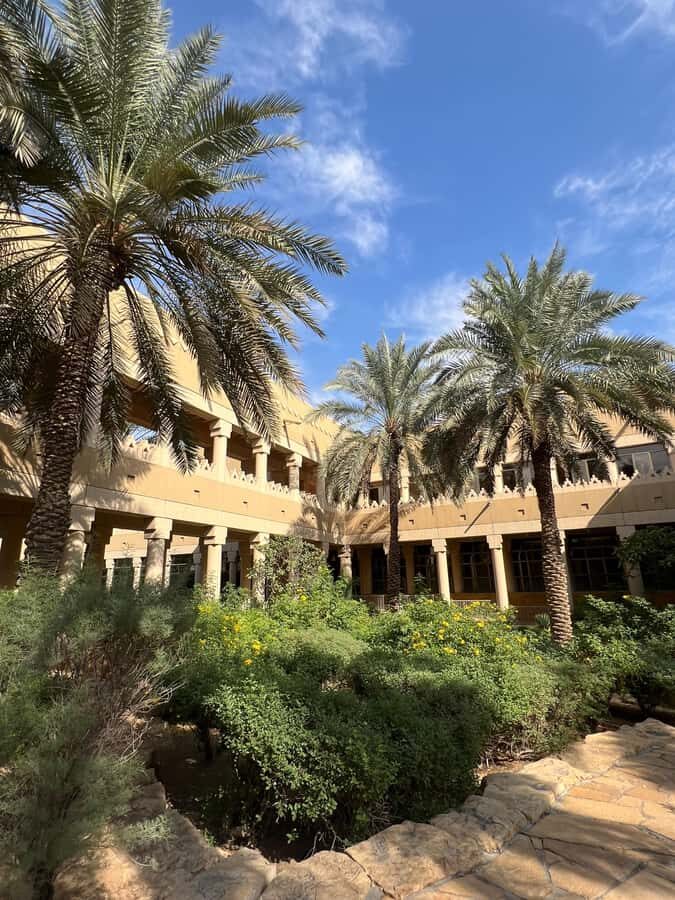
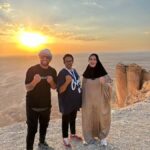
One of the best “breathing space” moments on the tour comes at Al Bujairi Heritage Park. It overlooks At Turaif, a UNESCO World Heritage Site, and also gives you a view toward Wadi Hanifah, described as a desert oasis in the heart of the historical Diriyah district.
This stop is valuable because it adds geography back into the history. Forts and palaces matter, but so does where people lived and how the land shaped settlement patterns. Seeing the valley setting helps you connect the story from artifacts and architecture to real space.
If you like viewpoints, this is one of your anchors for the day. It gives your eyes a change of focus after long indoor time at museums and guided walking through heritage sites.
Tip: bring your camera, but also pause without it. The best photos often come after you’ve taken in the scene once with your own eyes.

Najdi Village: a heritage-style food stop with local flavors
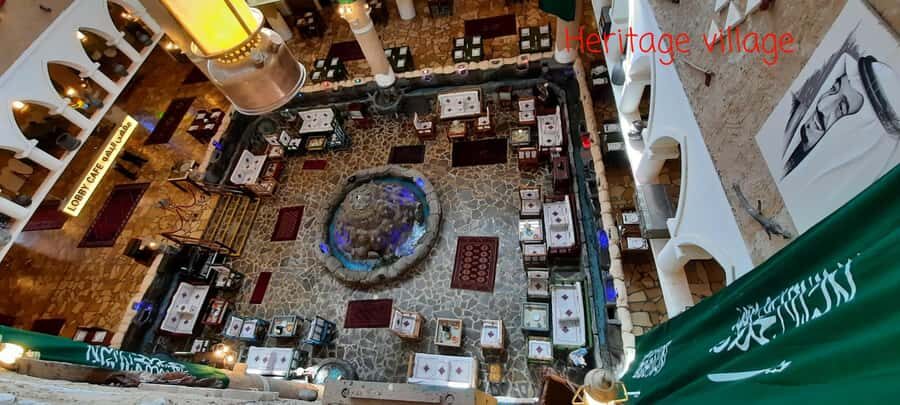
The tour ends with food time at Najdi Village, a restaurant with a heritage character that serves popular Saudi cuisine, especially Najdi dishes.
Even if you’re not a big foodie, this part is worth treating as part of the cultural context, not just a meal break. You’ll be tasting regional flavors right after you’ve toured historic sites tied to Saudi identity, so the food lands as one more layer of understanding.
One planning note: the tour description emphasizes a meal stop, but personal expenses aren’t included in what’s listed. So budget for the meal rather than assuming it’s automatically covered. If you want to stay on budget, ask your guide what’s typically ordered or what to expect before you commit.
Price and logistics: is $149 worth 6 hours of Riyadh?
At $149 per person for 6 hours, this tour is priced like a guided “great hits” day. What helps the value is that the tour isn’t only guided walking. It bundles hotel pickup and drop-off, entrance to Masmak Fort, admission to the National Museum, a Murabba Palace tour, and exploration at Al Bujairi Heritage Park, plus the guided stop at Souq AlZal.
That matters because entrance fees and transport time add up when you plan your own day. Here, you’re paying for someone else to connect the dots—where to go, what order makes sense, and what details to notice at each site.
Timing is another part of the value. Pickup options are practical: you can start from the Kingdom Centre area or King Khalid International Airport, and drop-off options also match those points. That makes it easier if you’re arriving or departing around the same day.
One more practical reality: the tour requires comfortable walking shoes and you’ll be outside enough to need protection from the sun. The tour suggests bringing a hat and sunscreen, and it’s smart advice. If your body hates heat-walking, you’ll feel it.
Who this tour fits best (and who should rethink it)
This is a strong choice if you:
- want a structured first look at Riyadh tied to major sites
- like history that’s tied to real places—fort walls, palace rooms, museum artifacts
- enjoy markets and antiques, not just shopping for souvenirs
- want a guide to point out what’s important so you don’t get lost in the scale of it all
You might want to skip or consider something else if:
- you prefer minimal walking or you’re sensitive to sun exposure
- you have mobility concerns, because the activity lists wheelchair accessibility but also says it’s not suitable for people with mobility impairments. That contradiction is a big enough flag to ask questions before booking.
Should you book the Masmak Fort, Souq AlZal, and Murabba Palace tour?
I’d book this if you want a single day that connects Saudi identity through architecture, artifacts, and everyday market life. The best part is the variety: Masmak Fort’s clay-and-mudbrick battlefield story, Souq AlZal’s old utensils and rare coins, Murabba Palace’s unusual central-foyer layout, then museum artifacts that give you something to hold onto later.
Go in with two expectations: you’ll walk, and you’ll want to slow down at least once. If you do that, this day feels less like a checklist and more like Riyadh making sense.
If your top priority is purely relaxation, or if mobility is a challenge for you, pause and ask your questions first. Otherwise, this is a good-value way to see major Riyadh highlights in one coherent route.
FAQ
How long is the Riyadh Masmak Fort, Souq AlZal, and Murabba Palace tour?
It lasts 6 hours.
Where can the tour pick me up?
Pickup is available from either the Kingdom Centre or King Khalid International Airport.
What language is the live tour guide?
The guide speaks English and Arabic.
What does the tour include?
It includes hotel pickup and drop-off, entrance to Masmak Fort, visits to Souq AlZal and Murabba Palace, admission to the National Museum, and exploration of Al Bujairi Heritage Park.
Is there time for food at Najdi Village?
You’ll stop at Najdi Village, which serves Saudi cuisine with a focus on Najdi food. Personal expenses are not included, so plan for your meal.
What should I bring?
Bring comfortable shoes, a hat, a camera, and sunscreen.
Is photography allowed?
Photography is allowed, but you should respect local sensitivities.
Are there any rules I should follow?
Smoking is not allowed.
What’s the cancellation policy?
Free cancellation is available up to 24 hours in advance for a full refund.