REVIEW · RIYADH
Half Day in Riyadh, Almasmak, National Museum, Kingdom Tower
Book on GetYourGuide →Operated by Archinations · Bookable on GetYourGuide
Riyadh turns into a story in half a day. This guided route strings together old Riyadh landmarks and modern skyline viewpoints, with a local guide who can make the history feel human—Saad is a standout example. You’ll move site to site with pick-up and drop-off, so you spend less time figuring things out and more time looking.
I like the way the tour uses Al-Masmak Fortress as your starting point, because it sets the tone: Riyadh didn’t become what it is overnight. Next you’ll shift gears to royal-era sights and major museum stops, then finish with a high viewing point for context on where the city is heading.
One thing to consider: at $270 per person, you want strong guiding. If the guide on the day isn’t as strong—or if there’s a last-minute replacement—you may get the same stops but less depth than you paid for.
In This Review
- Key highlights you should notice right away
- Why this half-day Riyadh mix makes sense for first-timers
- Al-Masmak Fortress: where Riyadh’s early story starts
- Al Murabba Palace: Saudi royalty told through a former residence
- National Museum: the places where history turns into exhibits
- King Abdulaziz Historical Center: understanding the founding father in context
- Kingdom Tower views: reading Riyadh from the top
- Price and value at $270 per person (and what can affect it)
- Who this Riyadh tour is best for
- Should you book this tour? My practical take
- FAQ
- How long is the Riyadh tour?
- What locations are included?
- Is transportation included?
- Who provides the tour?
- What languages are available?
- Is there a way to pay later?
- What is the cancellation policy?
- How much does the tour cost?
- What can I expect from the guide?
Key highlights you should notice right away
- Al-Masmak Fortress: a strong first anchor for understanding Riyadh’s earlier chapters.
- Al Murabba Palace: royal splendor tied directly to King Abdulaziz’s residence.
- National Museum: exhibits that connect ancient civilizations, Islamic heritage, and Bedouin culture.
- King Abdulaziz Historical Center: focused perspective on the founding father of Saudi Arabia.
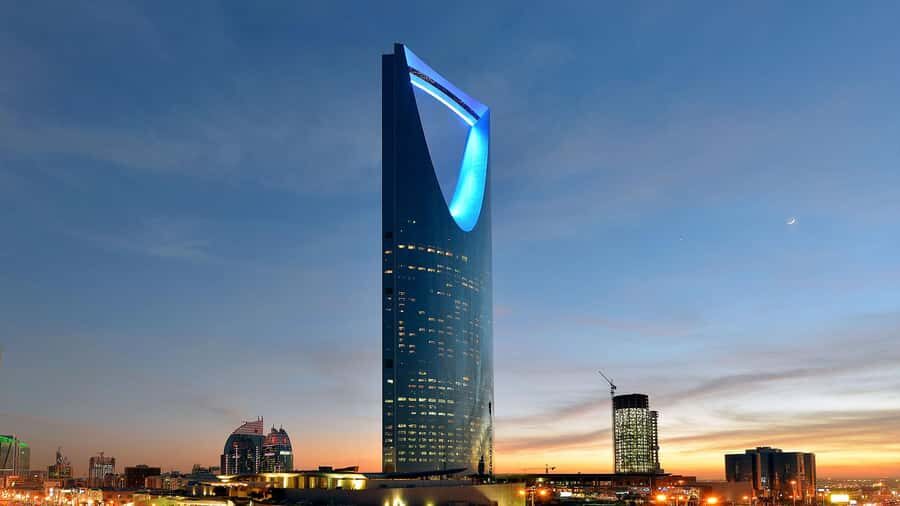
- Kingdom Tower (Kingdom Centre Tower): panoramic views that help you connect the geography to the story.
- Local guide storytelling: English, Arabic, and Japanese options, with guides who can keep things lively.
Why this half-day Riyadh mix makes sense for first-timers
This tour is built like a timeline you can walk through. You start in the older fabric of the city—fortress walls and palace settings—then you move toward museum interpretation, and finally you cap it with a high view over Riyadh’s modern build-out.
I like that the itinerary isn’t only about looking at buildings. It also tries to explain why each place matters, from early local resilience to the founding story and the present-day skyline. If you’re short on time, that sequencing helps your brain connect the dots instead of collecting disconnected photos.
The “half-day” format is also practical. You get a full set of major stops—Al-Masmak, Al Murabba Palace, the National Museum, the King Abdulaziz Historical Center, and Kingdom Tower—without turning the day into a logistics marathon.
You can also read our reviews of more tours and experiences in Riyadh.

Al-Masmak Fortress: where Riyadh’s early story starts
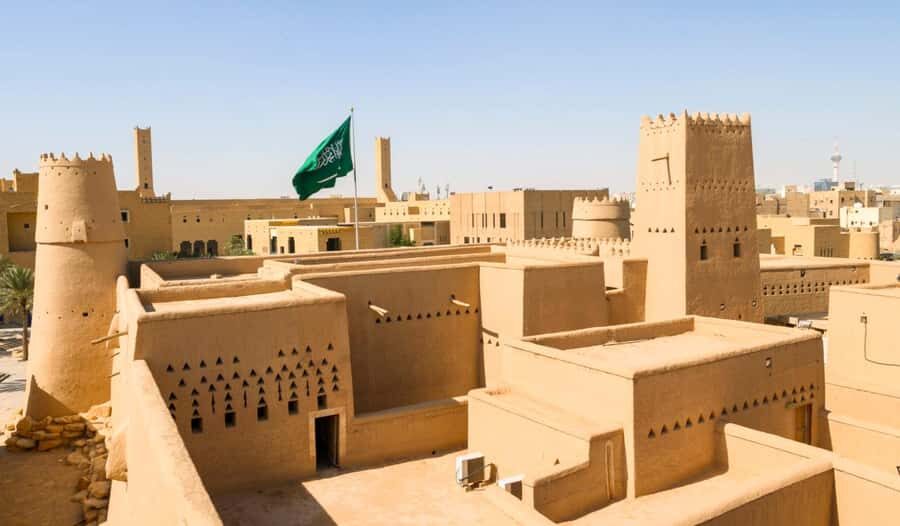
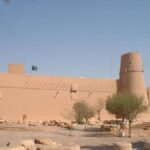
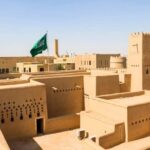
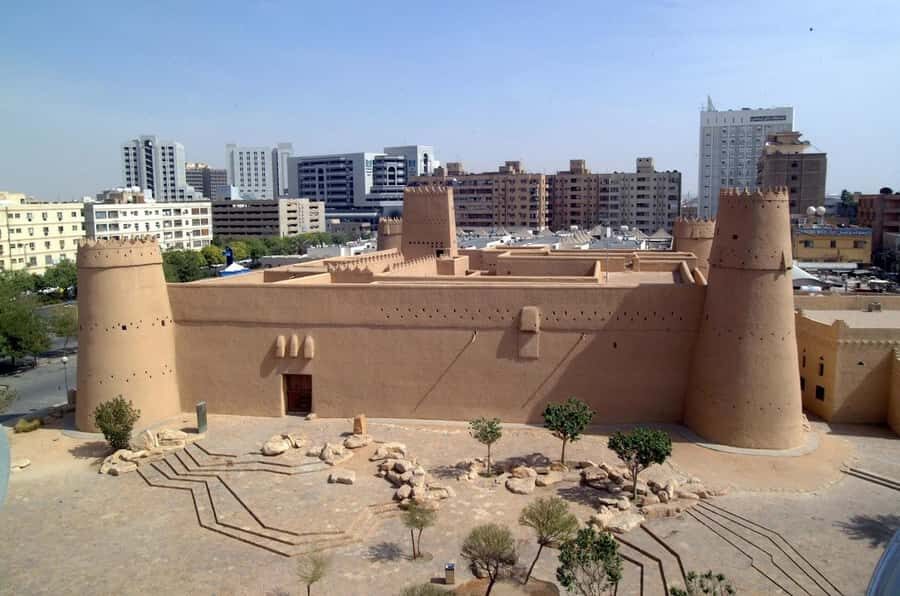
Your morning (or afternoon) begins at Al-Masmak Fortress, described as an iconic symbol of Riyadh’s history and culture. Even before you get into museum-style learning, the fortress format does a lot for you: thick walls, defensive design, and the sense of place that you just can’t recreate on a screen.
In practical terms, I’d think of Al-Masmak as your orientation stop for the whole city tour. It’s the moment the guide can ground you in the city’s heritage and resilience—so when you later visit places tied to the kingdom’s founding and royal life, those stories land with more weight.
What you’ll get here is less about “quick photo, next stop” and more about narrative context. The strongest guiding approach makes the fortress feel like the beginning of the bigger Saudi story, not a standalone monument.
Al Murabba Palace: Saudi royalty told through a former residence
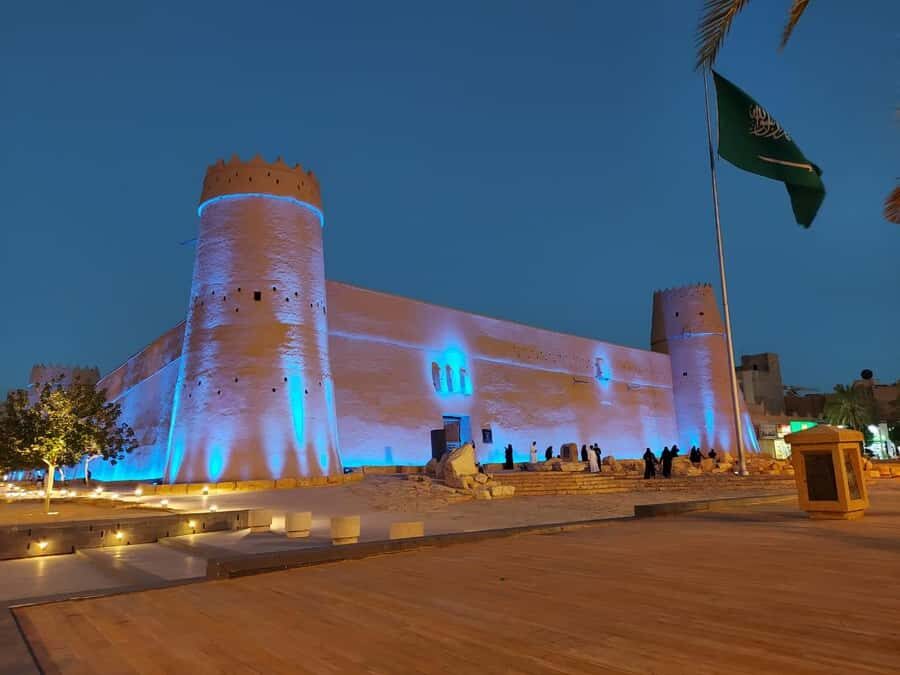
Next comes Al Murabba Palace, and the key detail is that it was once the residence of King Abdulaziz. That fact changes how you experience the site. A palace isn’t just architecture; it’s a reminder of how leadership, household life, and state identity often overlap.
I like that the tour doesn’t treat this as a distant museum object. Instead, it frames Al Murabba Palace as part of the lived world of Saudi royalty, which helps explain why the founding period is so central to how the country presents itself today.
One potential drawback of palace stops on any short itinerary: you may not get as much time as you’d like for lingering in quieter corners. If you’re the kind of traveler who hates rushing, plan to focus on the biggest takeaways—layout impressions, royal-era atmosphere, and the way the guide connects the palace to the broader founding narrative.
National Museum: the places where history turns into exhibits
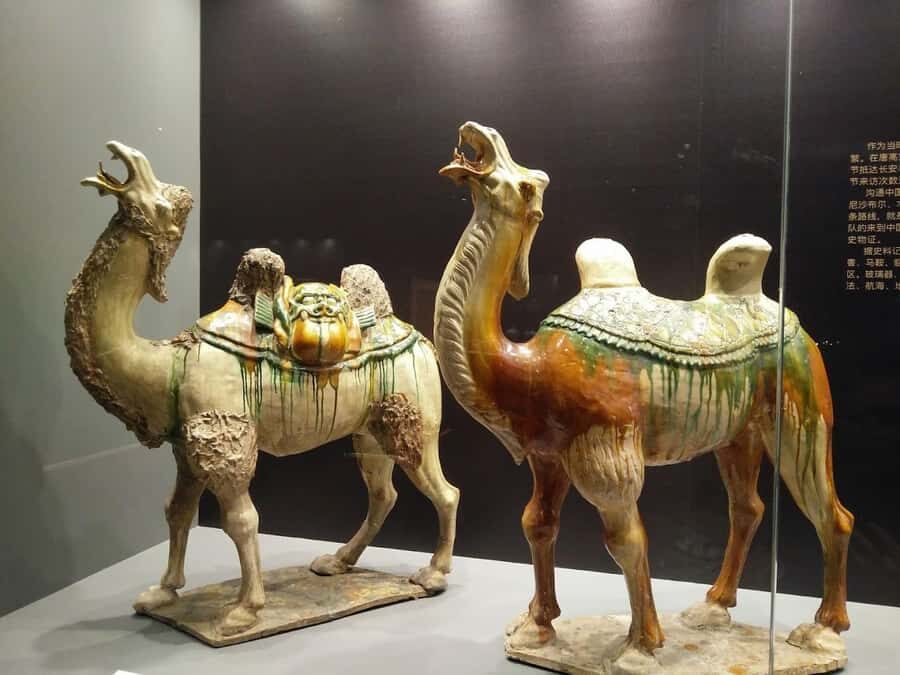
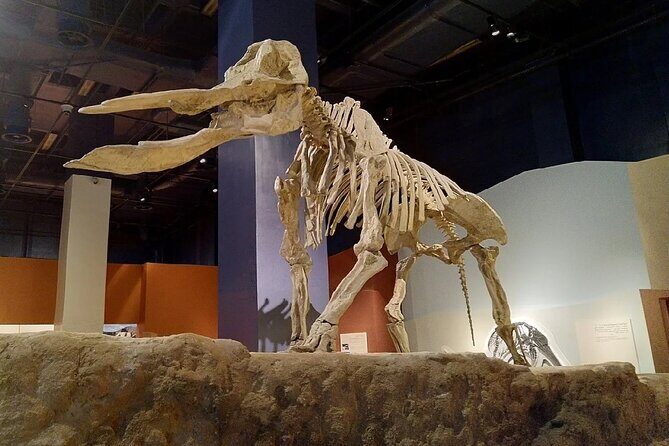
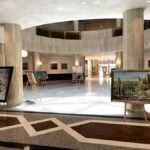
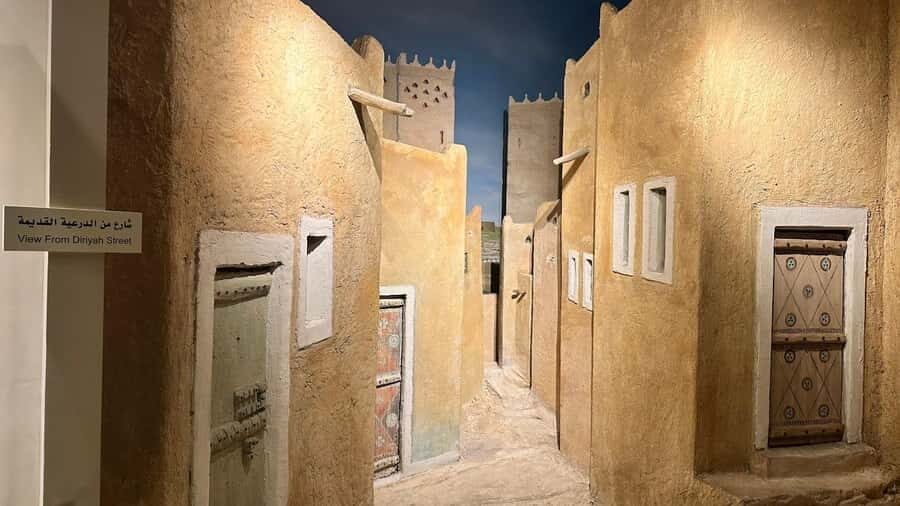
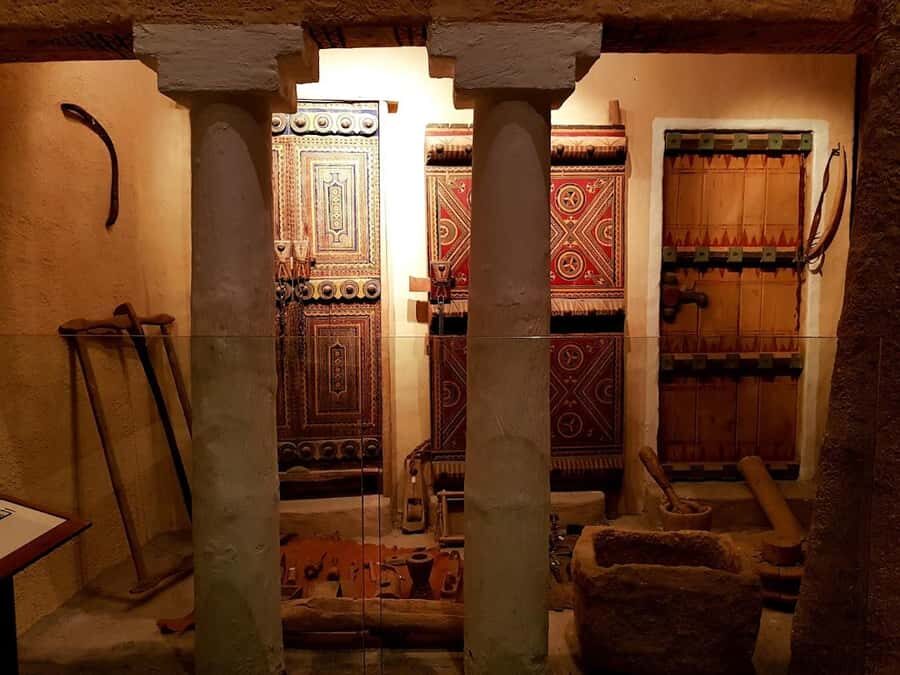
At the National Museum, the tour shifts from palace atmosphere and fortress symbolism into interpretive learning. The museum focus is clear: you’ll learn about the country’s past through exhibits that touch ancient civilizations, Islamic heritage, and Bedouin culture.
This is the portion of the day I think most travelers appreciate, because museums are where stories become structured. Even if you only catch the major themes, you still leave with a clearer sense of what people mean when they talk about Saudi Arabia’s cultural foundations.
I also like that the museum portion is described as interactive and immersive through displays. That matters on a half-day schedule. Instead of only hearing facts, you can often connect those facts to visuals and setup, which makes the learning stick better when you’re moving quickly.
King Abdulaziz Historical Center: understanding the founding father in context
After the museum overview, the tour turns to the King Abdulaziz Historical Center, centered on the founding father of Saudi Arabia. This stop narrows the lens. Instead of scanning broad categories, you’re meant to concentrate on the person and the founding story.
For your mental model, this is a good design. The National Museum gives you cultural and historical background; then the Historical Center gives you a more targeted thread that ties leadership and modern identity together.
If you’re history-minded, this is where your guide’s storytelling really matters. A strong guide can turn a biographical topic into a sense of how events shaped the kingdom. And if your guide is the type who talks in a clear, engaging way (Saad’s style is a great example from the local guide feedback), you’ll likely feel like you’re following a coherent narrative instead of collecting separate facts.


Kingdom Tower views: reading Riyadh from the top
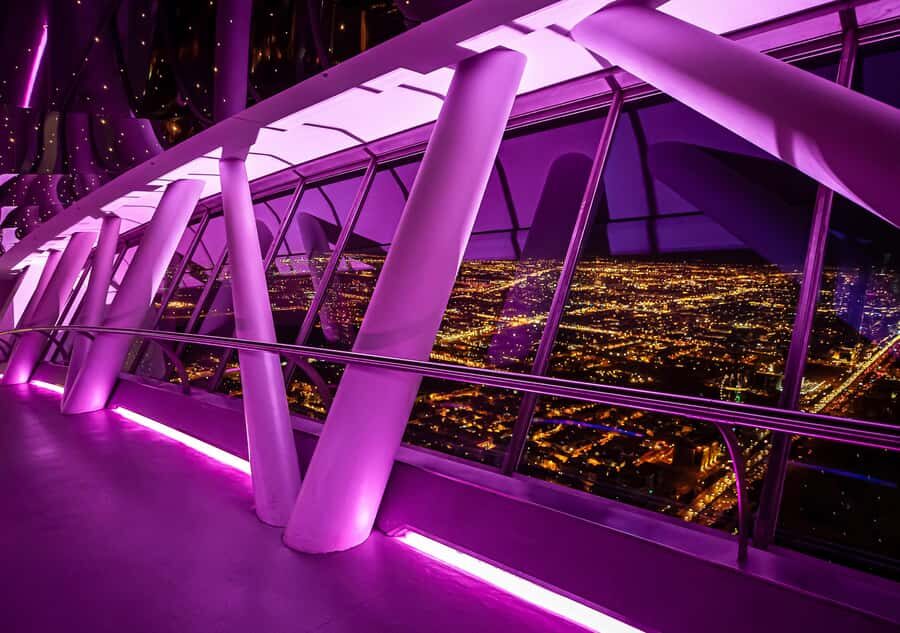
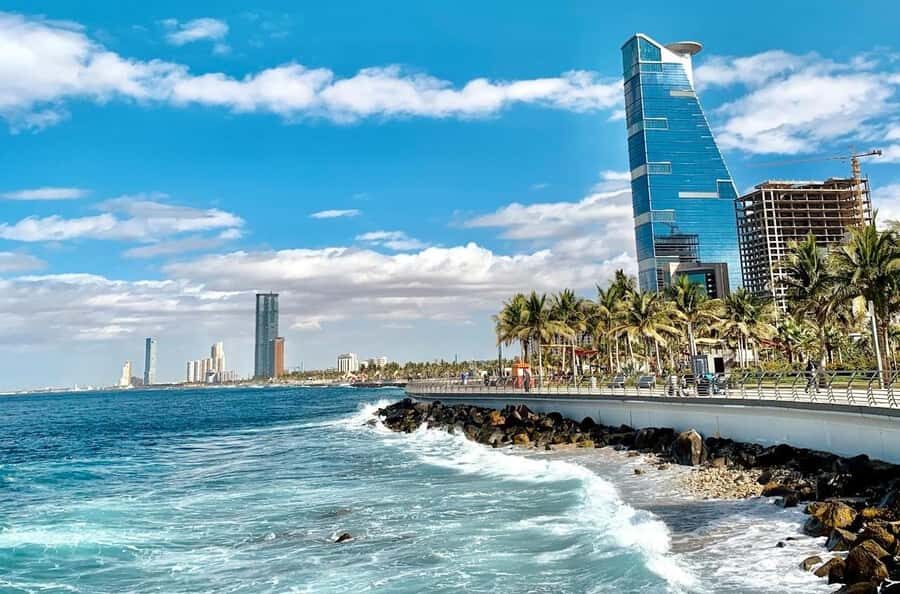
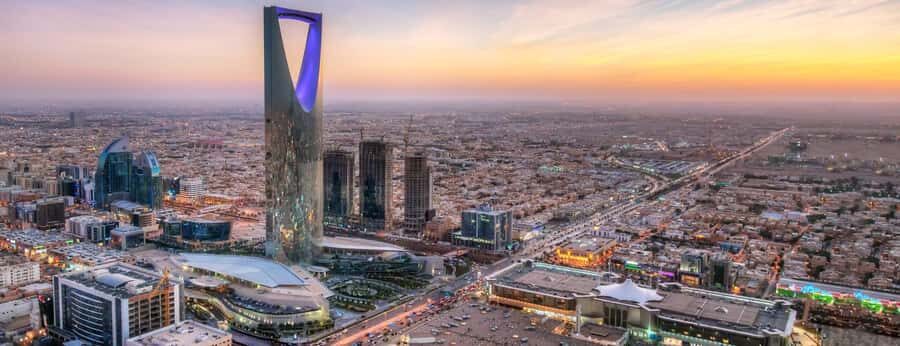
Finally, you end with Kingdom Tower—the city’s highest viewing point—with panoramic views. This is where the tour becomes genuinely satisfying for travel-brain: you finally see the “present Riyadh” in one wide frame.
The tour description points to gleaming skyscrapers and futuristic designs, which is exactly why a top viewpoint works. Without it, modern Riyadh can feel like just another skyline. From the viewing point, you can start connecting the city’s geography to what you learned below—where the historic feel sits compared to where development pushes upward.
I also think this is a good finish time-wise. After museum and history stops, your eyes get a reset. You’re not trying to read labels; you’re scanning. That keeps the day from turning into one long lecture.
Practical note: a high viewpoint is best for photos and orientation, but it’s still a time-limited stop on a half-day tour. If you want a lot of photos, give yourself a moment to step away from the densest crowd areas and just look.
Price and value at $270 per person (and what can affect it)
Let’s talk about $270 per person, because this is the part that can make or break your satisfaction. On paper, the value looks strong: it’s a guided group tour with pick-up and drop-off, and it hits multiple major Riyadh destinations—fortress, palace, two cultural-history stops, and a top-city viewing point.
So when does it feel worth it? When you want guided context. If you’re the kind of traveler who learns better from a human story—especially someone who can connect architecture and exhibits into a timeline—then the guided format is doing real work for you. Strong guiding is also one of the most praised elements tied to Saad, with people pointing out both the knowledge and the humor.
When might it feel overpriced? If the guide quality on the day isn’t at the level you expected. There’s at least one account of a last-minute guide change, where the replacement was still a nice person but clearly not as strong on knowledge as required. I can’t control that for you, but I can tell you how to protect yourself: ask what language options are confirmed (English, Arabic, Japanese are supported) and be ready to make peace with a half-day that can’t cover everything.
My quick rule: this tour is a good value if you’re there for guidance and interpretation. It’s less satisfying if you want a highly detailed, deep-study experience at every single stop.
Who this Riyadh tour is best for
This half-day tour fits best if you’re:
- A first-time visitor who wants a hit list without spending the whole day commuting.
- A history buff who likes a guided narrative rather than reading everything on your own.
- An architecture-focused traveler who wants to compare fortress, palace, and modern skyline in one sequence.
- Someone who prefers a structured overview of Saudi culture through museum exhibits and historical context.
It may be less ideal if you hate group pacing. It’s also not built as a slow, take-your-time day at each site. You’ll be seeing a set of major anchors, not maximizing time in one single place.
Should you book this tour? My practical take
Book it if you want a guided, well-paced introduction to Riyadh: Al-Masmak Fortress to set the historical tone, Al Murabba Palace to connect the royal residence to King Abdulaziz, the National Museum for cultural themes like Islamic heritage and Bedouin culture, and the King Abdulaziz Historical Center for the founding focus—ending with Kingdom Tower for modern orientation.
Think twice if you’re extremely sensitive to guide quality or if you’re the type who expects ultra-deep detail at every stop. At this price point, your learning experience depends heavily on how strong the guide is in the moment—Saad’s example is proof that the right guide can make the day feel lively and memorable.
If you do book, I’d choose a language option that matches your comfort level (English, Arabic, or Japanese), because clarity makes history easier to absorb fast. And if you’re photo-minded, treat Kingdom Tower as your big end-of-day moment: it’s the best place to breathe and capture Riyadh as a whole.
FAQ
How long is the Riyadh tour?
It is a half-day guided city tour.
What locations are included?
The tour includes Al-Masmak Fortress, Al Murabba Palace, the National Museum, the King Abdulaziz Historical Center, and Kingdom Tower.
Is transportation included?
Yes. The tour includes pick-up and drop-off from your location.
Who provides the tour?
The experience provider is Archinations, with guided group tour support from local expert guides.
What languages are available?
The tour is offered in English, Arabic, and Japanese.
Is there a way to pay later?
Yes. Reserve & Pay Later is offered, so you can book your spot and pay nothing today.
What is the cancellation policy?
You can cancel up to 24 hours in advance for a full refund.
How much does the tour cost?
The price is listed as $270 per person.
What can I expect from the guide?
Expect local expert guidance that covers Saudi architecture and cultural context across the major stops, with interpretive storytelling tied to each site.