REVIEW · RIYADH
Riyadh: King Fahad National Library Guided Tour
Book on GetYourGuide →Operated by Archinations · Bookable on GetYourGuide
Big architecture, real books, and clear guidance. This 2-hour visit to the King Fahad National Library in Riyadh pairs Gerber Architekten design details with a practical look at one of Saudi Arabia’s top cultural institutions. I like that the tour doesn’t treat the building like a postcard, it explains how the structure evolved.
I especially enjoy the way the guides connect the cuboid exterior story to what’s happening inside, including the “building within a building” idea and how the historic elements are preserved. You also get a close-up style focus on the rebuilt dome—originally concrete, now presented in a striking steel and glass form.
One possible drawback: the tour is only two hours, so if you want long, independent browsing with no momentum, you’ll feel the time limit.
In This Review
- Key Takeaways Before You Go
- Arriving at the Main Entrance on King Fahd Road
- How the Cuboid Design Tells a Preservation Story
- The Rebuilt Dome: Concrete Past, Steel-and-Glass Present
- Inside the Library: What 2.5 Million Sources Feels Like
- What the 2-Hour Experience Looks Like (and Where It Might Feel Fast)
- Guides: The Difference Between Hearing and Understanding
- Price and Value: Is $65 Worth It?
- Who Should Book This Tour (and Who Might Skip It)
- Small Practical Tips That Make a Big Difference
- Should You Book This King Fahad National Library Guided Tour?
- FAQ
- How long is the King Fahad National Library guided tour?
- What is the price per person?
- Where does the tour start?
- What languages are offered for the live guide?
- Is there an express security check?
- Is transportation included?
- Is the tour suitable for children?
Key Takeaways Before You Go
- Small group (max 6): More time for questions, and you’re not lost in a crowd.
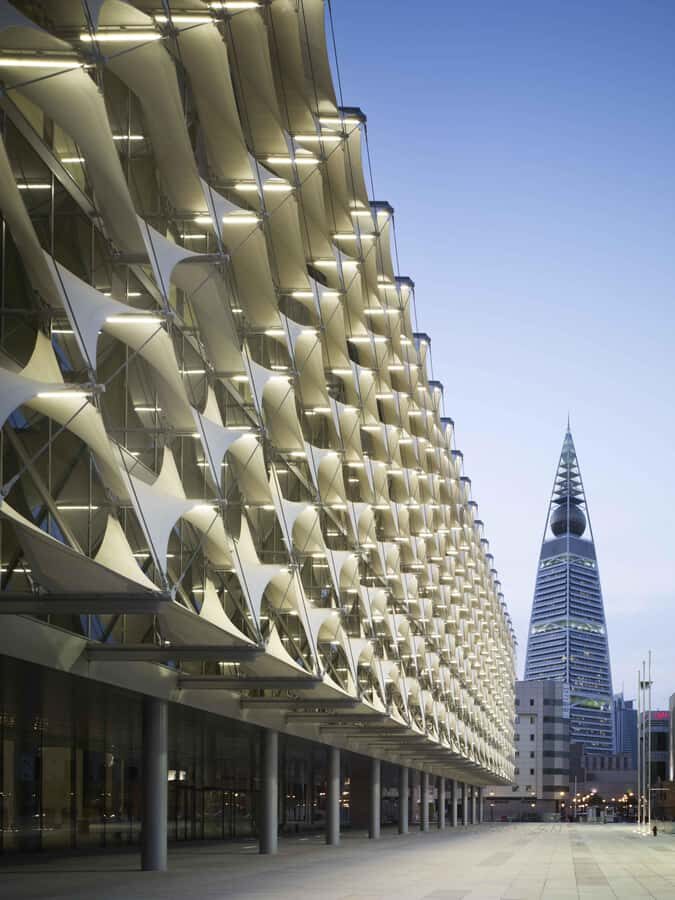
- Architecture you can actually understand: The tour explains the cuboid design and preservation approach.
- Dome transformation is a standout: The shift from an older concrete dome to steel and glass is part of the story.
- 2.5M+ sources as context: You learn what that scale means for students, researchers, and readers.
- Skip-the-line security: You’ll use an express check so you spend more of your time inside.
Arriving at the Main Entrance on King Fahd Road
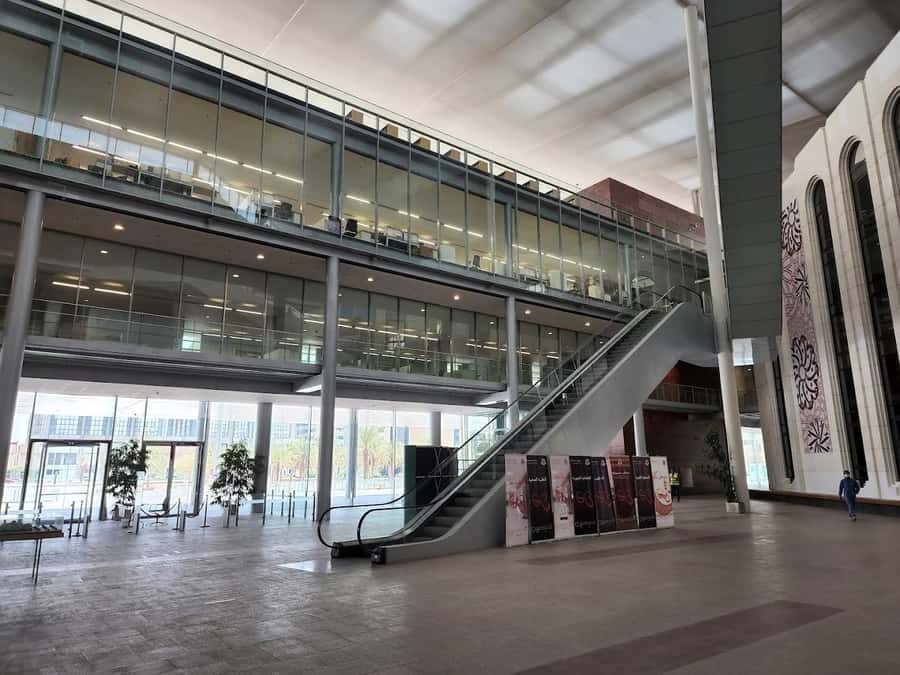
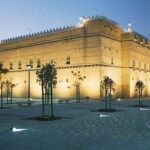
The tour starts at 6757 King Fahd Rd, at the main entrance on the eastern side with direct access from the park. That matters because it helps you orient quickly, especially in a city where signage and spacing can feel like a maze the first time you visit.
Once you’re in, expect a smooth transition into the guided portion. The experience includes an express security check, so you’re not stuck waiting around before you even get started. You’ll also get water and refreshments, which is a small but real comfort in Riyadh.
A quick practical note: plan for comfortable movement inside. Bring comfortable shoes and a camera (or a charged smartphone), because this building is designed to be looked at from multiple angles.
You can also read our reviews of more guided tours in Riyadh

How the Cuboid Design Tells a Preservation Story
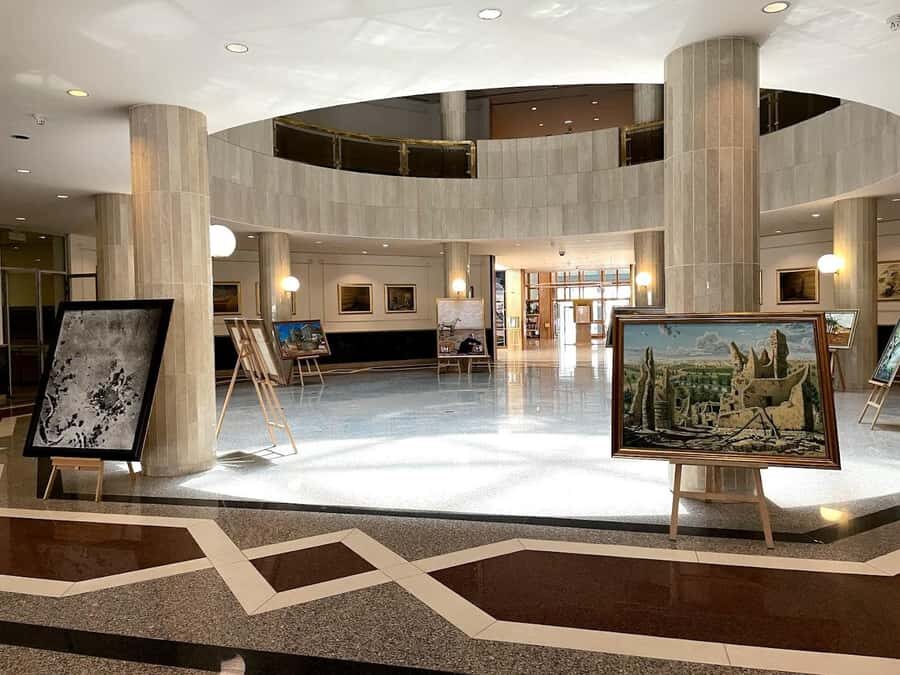
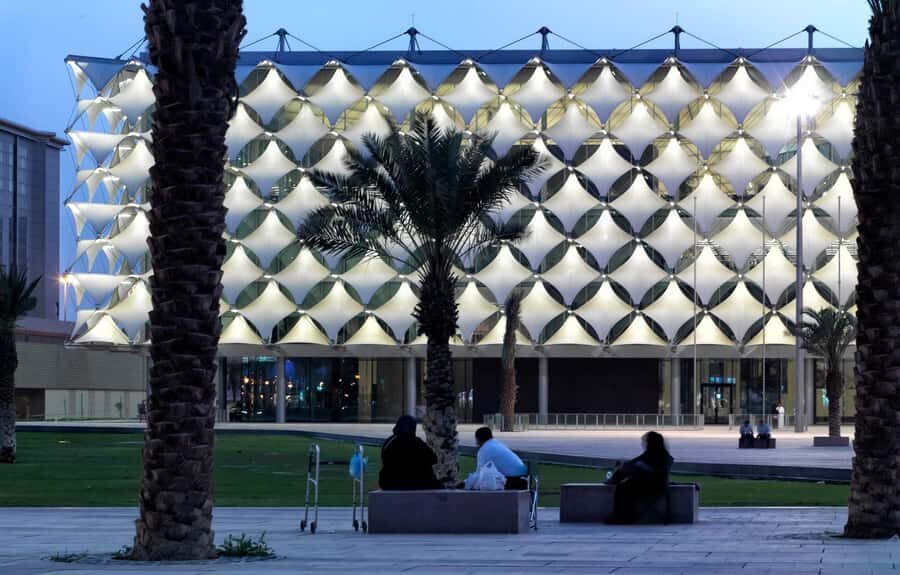
The heart of the tour is architectural interpretation—how the library looks now, and what it protects from the past. The building is known for its bold cuboid presence, designed by Gerber Architekten, and the tour helps you read that form instead of just noticing it.
One of the most useful ideas they’ll bring to the front is the “building within a building” concept. In simple terms, you’re seeing a modern design that keeps older structure elements in play. That approach is not just aesthetic; it’s about continuity—keeping recognizable historic pieces while giving the facility a clearer, modern function.
You’ll also learn how the new design integrates an existing cruciform structure. That detail is worth paying attention to because a cruciform plan can be easy to miss from the outside. The guided explanation helps you understand why certain internal views and spatial rhythms feel the way they do.
If you care about design theory, this part is where the tour earns its value. It turns the building into a lesson you can repeat: modern form + careful preservation + purposeful connection.
The Rebuilt Dome: Concrete Past, Steel-and-Glass Present
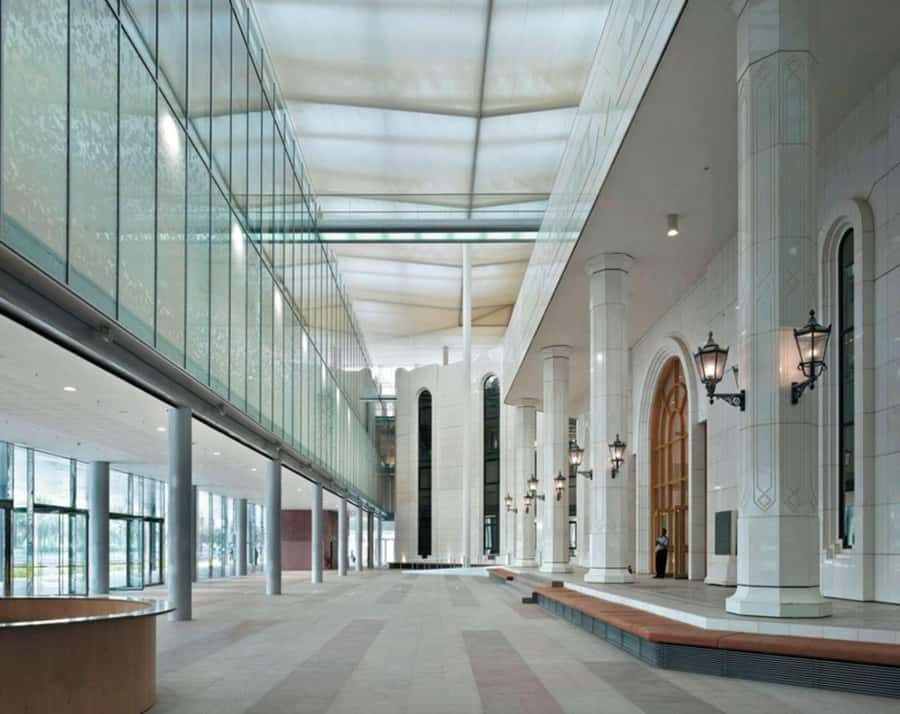
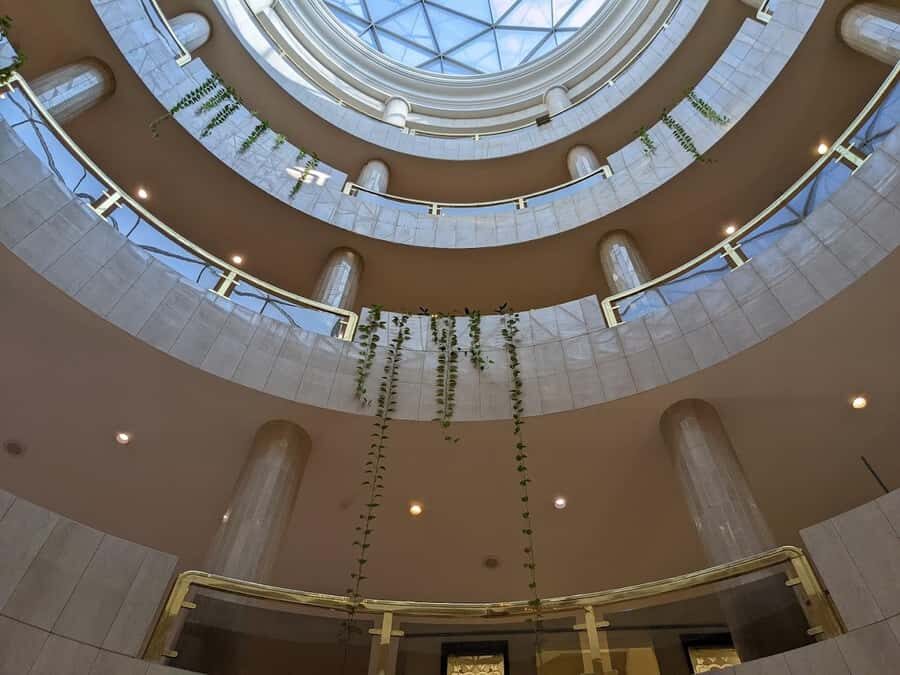
Another highlight is the library’s dome story. The tour focuses on the reconstruction of the library’s older iconic concrete dome, which you’ll see presented in a steel and glass form now.
This is more than a “look how cool it is” moment. The dome is a visible symbol of how the library handles change: rather than erasing what came before, the design reworks it into a new visual language. Watching that transformation makes it easier to understand the broader theme of the tour—heritage plus innovation.
When you’re in the right viewpoints, the dome changes your sense of scale. It also helps you understand how natural light and openness can be part of library design, not just stacks and silence.
Inside the Library: What 2.5 Million Sources Feels Like
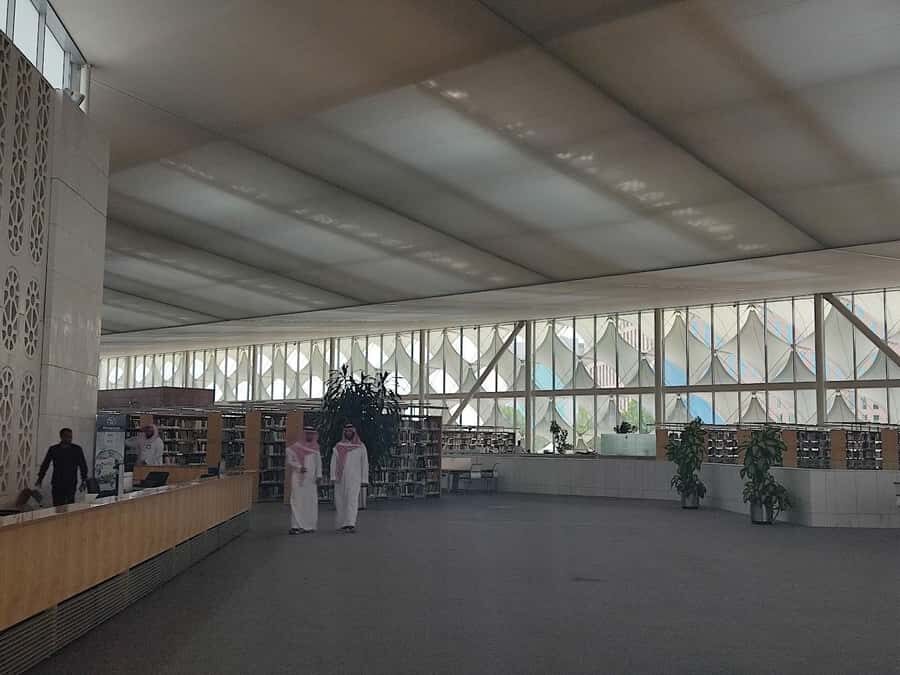
After the architecture portion, the tour shifts to the library as an institution. The big number is part of the pitch: the library has over 2.5 million sources, including materials like books, manuscripts, and audio-visual resources.
But here’s why I think that number is valuable for you, not just impressive for them. When you understand the variety—printed books alongside manuscripts and media—the library stops being a quiet building and starts behaving like a research tool. It’s built to serve students, researchers, and regular readers, not only specialists.
During the guided time, you’ll move through halls and shelves where that collection is organized and presented. The tour gives you context for how the spaces function as reading and reference zones, so you’re not just looking at shelves; you’re learning the logic behind the layout.
The library is also framed as a hub for intellectual discourse and cultural exchange. In practice, that means it’s positioned as more than a warehouse for books. You’ll get a clearer sense of the library’s role as a major cultural institution in Saudi Arabia, which helps explain why so much effort goes into the building’s design and preservation approach.
What the 2-Hour Experience Looks Like (and Where It Might Feel Fast)
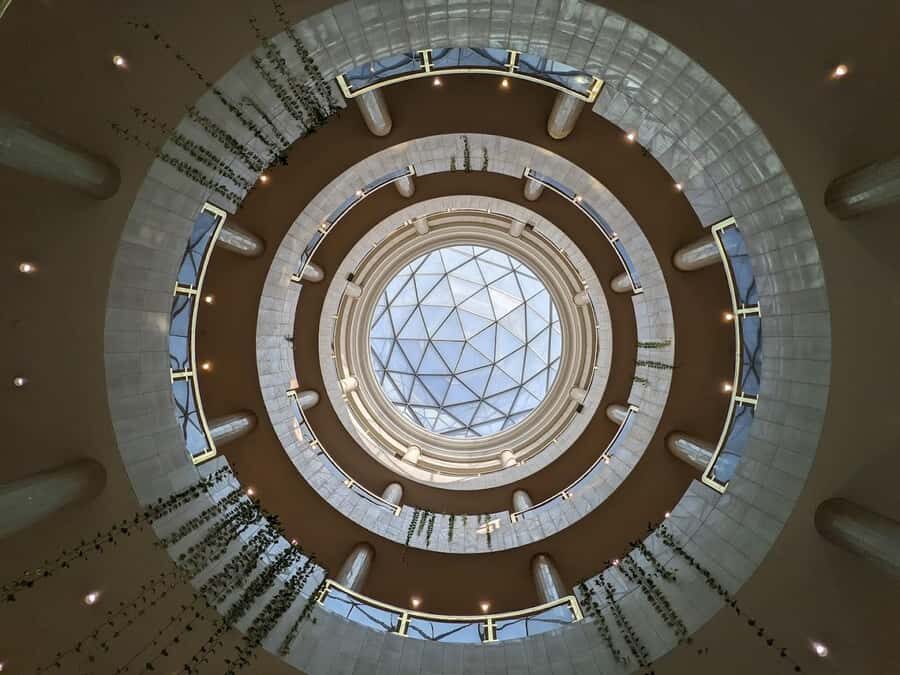
The tour runs for 2 hours, which is a sweet spot if you like a guided structure but don’t want to burn half a day. The flow is essentially: entrance and orientation, express security, then architecture-focused exploration followed by collection-and-institution context.
Because it’s small-group (limited to 6 participants), you’ll feel the difference in pacing. Instead of the guide rushing to cover everything, you’re more likely to get direct answers and follow-up questions when they fit the moment.
Where it can feel tight is in how much you can absorb. The architecture details—the cuboid integration, cruciform structure relationship, and dome reconstruction—are concept-heavy. Pair that with the collection scale (2.5 million sources), and you may find you’re taking in a lot, then wishing you had another hour to linger without a schedule.
If your priority is learning, the 2 hours works well. If your priority is long wandering and quiet reading, plan to visit again on your own time after the tour, if that’s possible for you.





Guides: The Difference Between Hearing and Understanding
The quality of the guide is a huge part of why this tour lands well. The group tour is led by local staff under the provider Archinations, and the tour supports Arabic, Japanese, and English.
In the feedback I’m drawing from, the guides named Ahmed and Rawan come up for a reason: they’re described as genuinely invested and able to explain building details clearly. Another key theme is that guides stick around for questions, including ones that get technical about structure and design.
That matters because library architecture isn’t always obvious at first glance. If your guide can connect the visible exterior to the preserved internal elements, your photos and your understanding both improve.
One practical suggestion: if you’re even slightly interested in architecture, come with one or two questions in mind. For example: what does building-within-a-building preserve? What makes the cruciform integration matter? Asking a single question early can pull the rest of the tour into sharper focus.
Price and Value: Is $65 Worth It?
The price is $65 per person for a 2-hour guided tour. At first glance, it’s not the cheapest thing you’ll do in Riyadh, but the value is in the combination.
You’re paying for:
- a guided group experience limited to 6 participants
- express security check, saving time
- water and refreshments
- interpretation in Arabic, Japanese, or English
- a focused architectural + institutional explanation, not just a general walk-through
If you compare this kind of tour to self-guided entry, the difference is time and structure. With a guide, you get the building’s evolution explained—especially the cuboid design, cruciform integration, and dome reconstruction details—plus the meaning behind the library’s collection scale.
The only cost consideration is transportation. Pick-up and drop-off can be arranged for an extra fee, and transportation to other locations isn’t included. So if you’re already planning to be near King Fahd Rd, you’ll likely get more value with less added logistics.
Who Should Book This Tour (and Who Might Skip It)
This is a strong fit if you:
- care about architecture and want the story behind the design
- like cultural institutions with real research relevance
- prefer small groups with room for questions
- want an English/Japanese/Arabic guide depending on your travel style
It’s also a good option if you’re in Riyadh for a short stay and want one stop that combines form and function. You’ll walk away with more than photos; you’ll understand what you saw.
It may be less ideal if:
- you want a long, quiet visit with zero structure
- you’re traveling with very young children (it’s not suitable for children under 6, and babies under 1 are also not suitable)
On the positive side, the tour is wheelchair accessible, which is helpful for travelers who need step-free routing.
Small Practical Tips That Make a Big Difference
A few things will make your time smoother:
- Wear comfortable shoes. Even a short guided tour involves walking and repositioning for viewpoints.
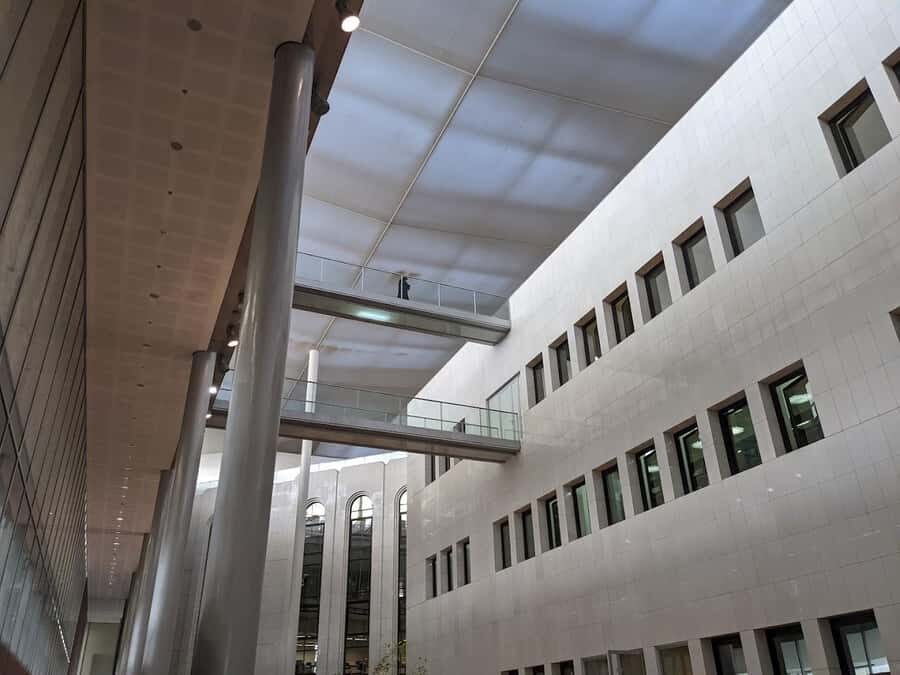
- Bring a charged smartphone or camera. This building rewards photos, especially when the dome and interior structure are part of the explanation.
- Dress for comfort. The tour is outdoors-to-indoor, and you’ll likely want breathable clothing.
Also, if you like flexibility, note that the experience offers free cancellation up to 24 hours in advance and reserve now, pay later. That can be useful if your Riyadh plans shift.
Should You Book This King Fahad National Library Guided Tour?
I’d book it if you want a two-hour Riyadh stop where the guide helps you understand the building instead of just touring the surface. The standout value is the architecture explanation—Gerber Architekten’s cuboid concept, the cruciform integration, the building-within-a-building preservation approach, and the steel-and-glass dome transformation—paired with real context for a library holding over 2.5 million sources.
I’d skip it if your goal is slow personal browsing or if you’re traveling with kids under the stated age range. Otherwise, this tour is one of those smart “learn something real” experiences that makes Riyadh’s culture feel tangible rather than abstract.
FAQ
How long is the King Fahad National Library guided tour?
The tour duration is 2 hours.
What is the price per person?
The price is $65 per person.
Where does the tour start?
The meeting point is at the main entrance on the eastern side, with direct access from the park, at 6757 King Fahd Rd.
What languages are offered for the live guide?
The live guide is available in Arabic, Japanese, and English.
Is there an express security check?
Yes. The tour includes express security check so you can skip the regular line.
Is transportation included?
Transportation to other locations is not included. Pick-up and drop-off can be arranged for an extra fee.
Is the tour suitable for children?
It is not suitable for children under 6 years and babies under 1 year.