REVIEW · MECCA
Makkah: Jabal Al-Nour, Cave Hira, and Mount Arafat Tour
Book on GetYourGuide →Operated by Mohammed Alharbi · Bookable on GetYourGuide
Some mountains change how you look at worship.
This Makkah heritage and Hajj-sites tour pairs sacred geography with story-led stops, from the first revelation at Jabal Al-Nour to the refuge at Jabal Thawr. I love how the tour connects each place to the human moments of the Prophet Muhammad (PBUH), especially through Cave Hira storytelling. One thing to consider: the schedule can flex around prayer times and traffic, so build in a little patience on pickup.
Two of my favorite parts are the pace and the way your guide frames what you’re seeing. With Mohammed Alharbi, you get a bilingual English/Arabic guide who ties the locations to Qur’anic verses and hadith and keeps you from feeling rushed at each stop. The possible drawback is time: at 4 hours, you’ll see a lot, so if you want long museum browsing or lots of slow wandering, you might feel a bit “on the move.”
In This Review
- Key things to know before you go
- Sacred geography in Makkah: how the route makes the meaning click
- Mohammed Alharbi and the story style: less rushing, more meaning
- The Hajj Journey route: Arafat, Muzdalifah, and Mina explained fast but clearly
- Mount Arafat: the 1-hour guided focus
- Muzdalifah: resting after the standing
- Mina: symbolic stoning as part of the story
- Jabal Al-Nour and Cave Hira: the setting of the first revelation
- Jabal Thawr and Cave Thawr: refuge, timing, and the Abu Bakr (RA) connection
- Makkah Museum and the Hira Cultural Museum: what exhibits add to the sites
- Price and value: what $125 buys in a 4-hour private tour
- Logistics that really affect your day: pickup, traffic, and prayer times
- What to bring (and what to skip) for a smoother sacred-mountain day
- Who should book this tour, and who might want a different plan
- Should you book the Makkah Jabal Al-Nour, Cave Hira, and Arafat Tour?
- FAQ
- How long is the Makkah Jabal Al-Nour, Cave Hira, and Mount Arafat Tour?
- What major places does the tour include?
- Is hotel pickup and drop-off included?
- Are museum tickets or meals included in the price?
- Is the guide available in English and Arabic?
- What should I wear and bring?
- Is smoking allowed?
- Is the tour wheelchair accessible for people with mobility concerns?
- Does prayer time affect the tour?
Key things to know before you go
- Arafat, Muzdalifah, and Mina in one route: you’ll follow the Hajj Journey sequence and what each stop means.
- Cave Hira and Jabal Al-Nour: the tour is built around the first revelation setting and the mountain atmosphere.
- Cave Thawr and Jabal Thawr: you’ll hear the refuge story of the Prophet (PBUH) and Abu Bakr (RA).
- Makkah Museum / Hira Cultural Museum focus: exhibits help you notice details you might miss with only sightseeing.
- Private group energy: you’re not stuck with a rigid crowd tempo; Mohammed Alharbi can adjust the pace.
- Weather and timing matter: bring a hat and expect prayer times to influence the flow.
Sacred geography in Makkah: how the route makes the meaning click
This is the kind of tour where the city isn’t just a backdrop. In a few hours, you connect the dots between mountains tied to the Prophet Muhammad (PBUH), the key Hajj stations, and museum exhibits that ground the stories in artifacts and context.
What makes it feel special is the pairing: you stand where events happened, then you get the meaning of what you’re standing on. You’re not only taking photos of sites like Mount Arafat and Cave Hira—you’re learning how people understand them during Hajj and Umrah-era devotion.
You can also read our reviews of more tours and experiences in Mecca.

Mohammed Alharbi and the story style: less rushing, more meaning
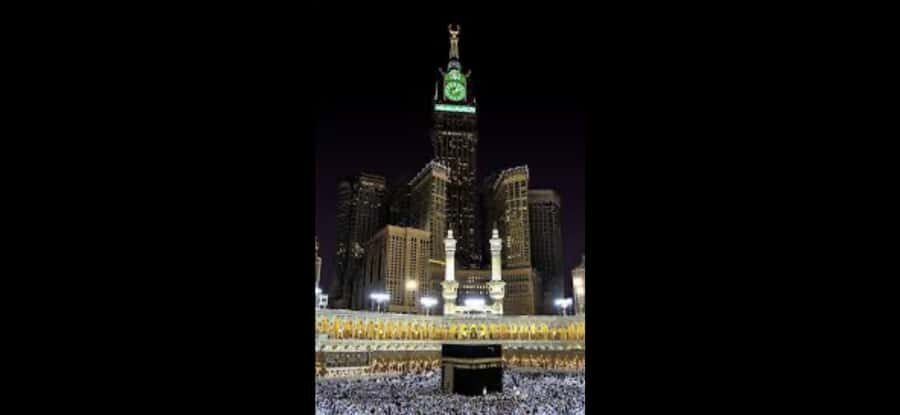
Your guide for this experience is Mohammed Alharbi, and the way the tour runs is built around clarity and calm pacing. He communicates with a bilingual English/Arabic approach and uses historical storytelling tied directly to the locations you’re visiting.
You’ll notice a few practical things about his style. First, he gives you enough time at each stop rather than “photo-then-go.” Second, he uses Qur’anic verses and hadith references that help you connect a site to faith, not just facts.
The Hajj Journey route: Arafat, Muzdalifah, and Mina explained fast but clearly
Even if you’ve studied Hajj in the past, seeing the stations in a guided flow can help it stick. This tour is designed as a short “walkthrough” of the journey logic—where pilgrims gather, rest, and perform the major rites.
Mount Arafat: the 1-hour guided focus
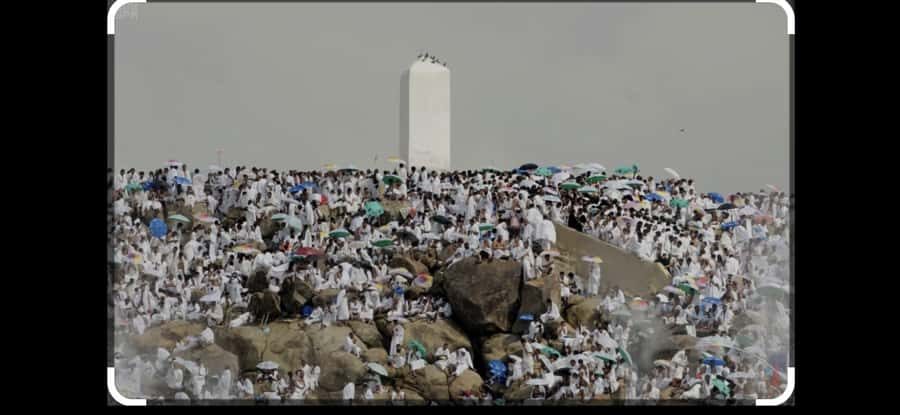
Mount Arafat is the anchor point of the experience. You’ll spend about 1 hour there with guided time, which is a good length for getting the spiritual weight of the place without turning it into a race.
Arafat is described in the tour as the most significant site of Hajj, where pilgrims gather for the essential ritual of standing. In plain terms, this stop sets the tone: it’s the moment the rest of the journey starts to make emotional sense.
Muzdalifah: resting after the standing
After Arafat, the route moves to Muzdalifah, where pilgrims rest before heading onward. This part matters because it shows Hajj isn’t only about one peak moment—it’s about the transition between rites, the rhythm of gathering and then moving again.
If you’re used to “checklist travel,” Muzdalifah can feel different. The point here is the pause, the shift from standing-focused attention to the next rite.
Mina: symbolic stoning as part of the story
The last major Hajj station on this route is Mina, known for the symbolic stoning of the devil. Even if you’ve never been during Hajj season, the guided explanation helps you understand why the rite is tied to remembrance, intention, and perseverance.
In a short tour, Mina can turn into a quick “here’s what people do.” This one works better because it frames the symbolism so you’re not just seeing a place—you’re understanding the message.
Jabal Al-Nour and Cave Hira: the setting of the first revelation
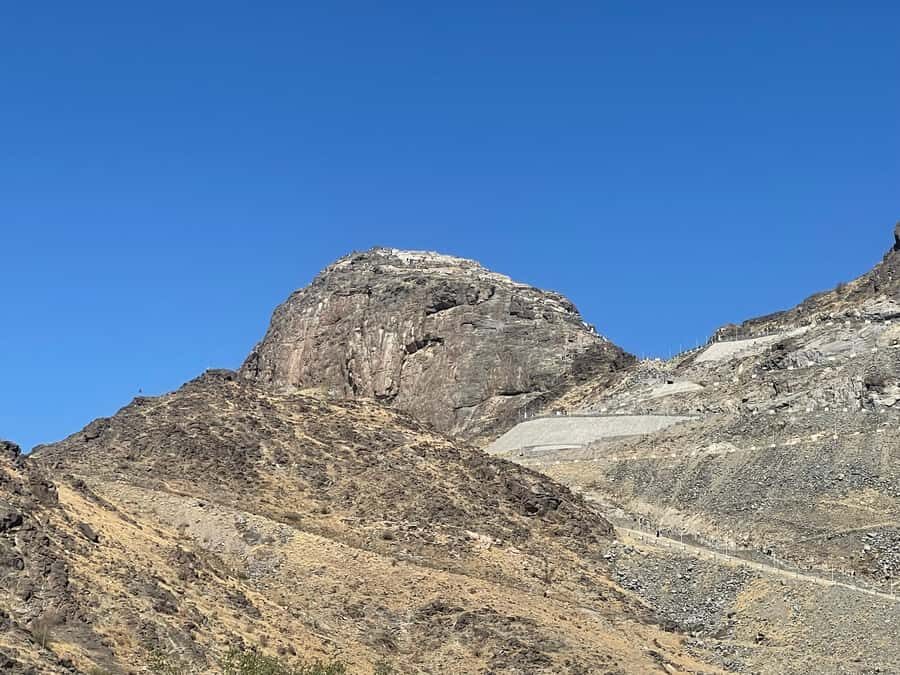
Jabal Al-Nour is part of why this tour feels more than standard sightseeing. You’re visiting the mountain tied to the story of the first revelation sent to the Prophet Muhammad (PBUH).
Cave Hira sits at the heart of that connection. The way it’s presented is atmospheric and spiritual: you’re meant to feel the weight of solitude and reflection associated with that moment.
A practical note: when a tour centers on a mountain and a cave area, the experience is more about patience than speed. Comfortable shoes and sunscreen aren’t optional here if you want the visit to stay pleasant.
Jabal Thawr and Cave Thawr: refuge, timing, and the Abu Bakr (RA) connection
Another sacred-mountain stop on this route is Jabal Thawr, home to the Cave of Thawr. This is where the Prophet Muhammad (PBUH) and his companion Abu Bakr (RA) took refuge during the migration to Madinah.
That story adds a different emotional color than Hira. If Hira is about revelation and mission beginning, Thawr is about protection, trust, and moving through fear with faith.
This stop is also a reminder that Islamic history isn’t only about public moments. It includes the quiet in-between steps that kept the mission alive until it could unfold.
Makkah Museum and the Hira Cultural Museum: what exhibits add to the sites
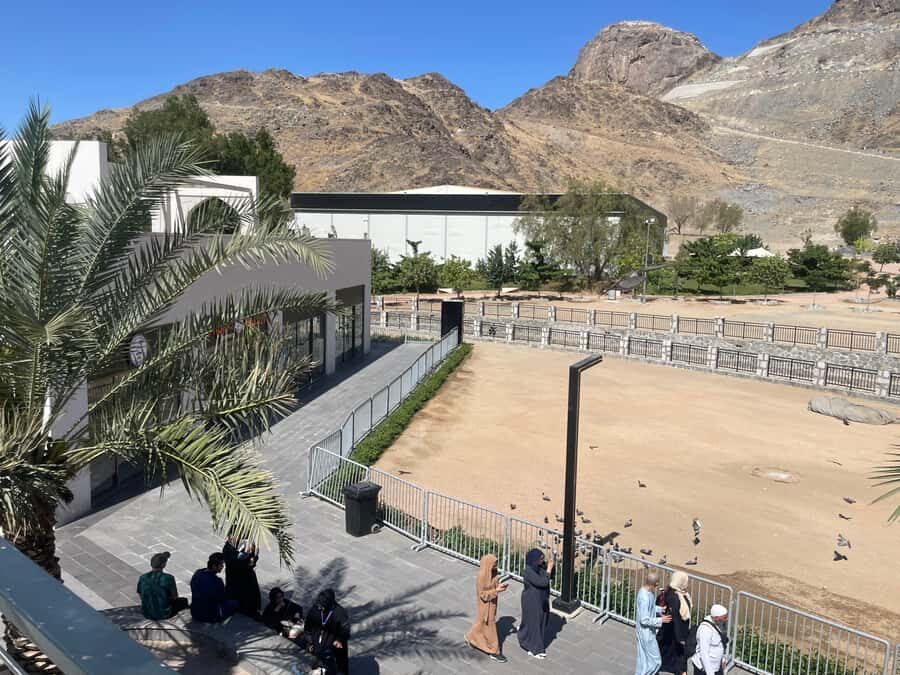
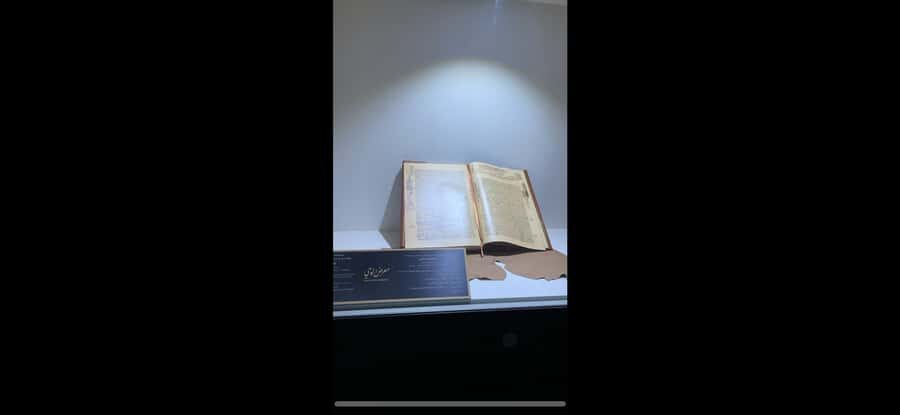
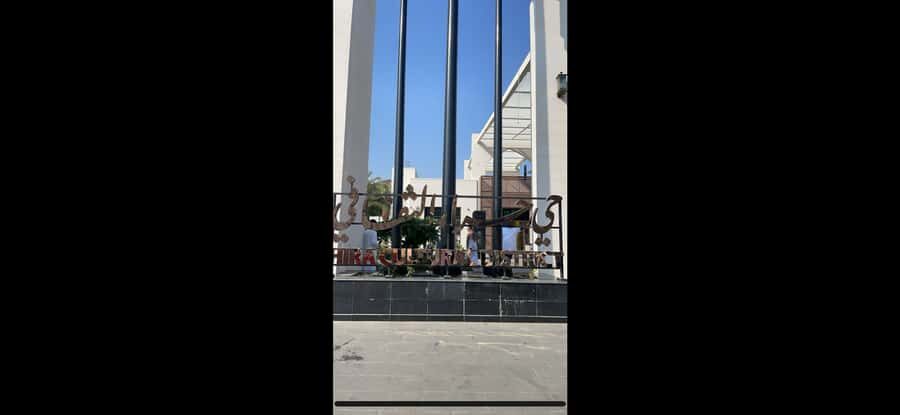
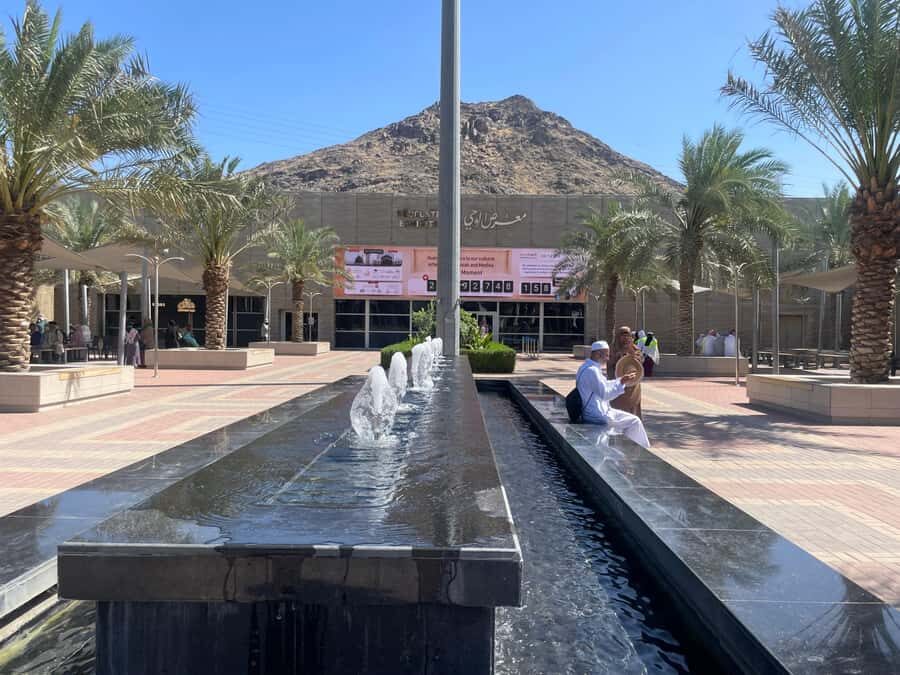
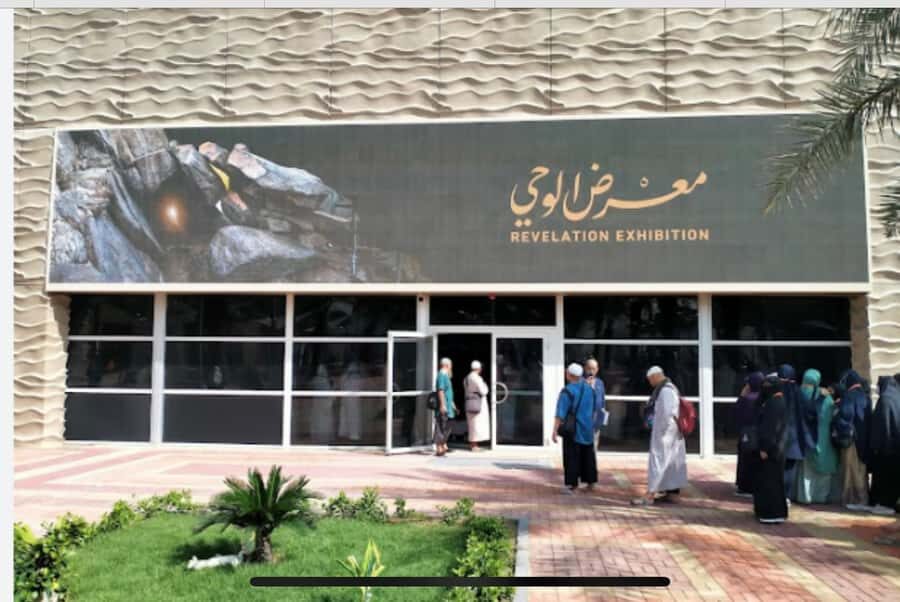
The tour includes museum time, including the Makkah Museum and a stop described as the Hira Cultural Museum. The value of museum visits here is practical: they help you notice patterns and details when you’re back outside looking at the mountains or the Hajj sites.
Museums work best on this kind of tour because the storytelling becomes more than narration. Instead of only hearing a timeline, you start seeing how artifacts, displays, and educational context support the places you visited.
If you’re the type who likes to understand before you photograph, you’ll appreciate this added layer. And if you’re short on time in Makkah, the museum stop is efficient—fast context without turning the day into a long museum marathon.
Price and value: what $125 buys in a 4-hour private tour
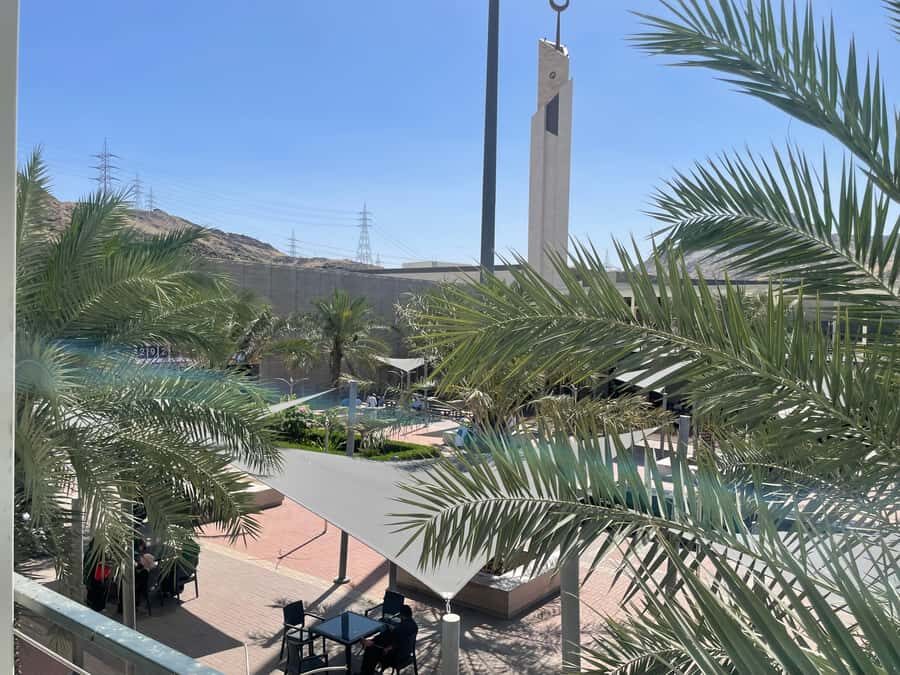
At $125 per person for roughly 4 hours, the value comes from several bundled pieces, not just the sites. You get hotel pickup and drop-off in Mecca, transportation, sightseeing time, and historical storytelling with a bilingual guide (English and Arabic).
You also get water and juice refreshments, which matters in Makkah where the heat can make even a short tour feel longer. This is especially helpful on days when you’re already planning prayers and walking near major areas.
Tickets and meals are not included, so don’t assume museum admission (or any food time) is fully covered. If you know you’ll need a meal, plan for it separately so the tour stays enjoyable rather than rushed.
Logistics that really affect your day: pickup, traffic, and prayer times
Pickup is included, and the meeting point can change based on traffic around Alharam. That’s normal in a city with shifting flows, so it’s smart to be flexible and ready when the guide contacts you.
Also, prayer times may affect the tour schedule. This doesn’t have to ruin your day, but it does mean you should keep your next commitments loose.
Dress modestly, covering shoulders and knees. Bring a valid photo ID, and plan to arrive about 15 minutes early so you don’t start the tour already stressed.
What to bring (and what to skip) for a smoother sacred-mountain day
Bring comfortable shoes first—this is a “walk and stand and look” kind of tour. Add a hat and sunscreen because the mountain and outdoor segments can be demanding under the sun.
A camera is allowed, and you’ll want it. Just keep the moments respectful: you’re visiting places with deep religious meaning, so take photos when it feels right and don’t block others.
Not allowed: smoking. Keep it simple and focus on the visit.
Who should book this tour, and who might want a different plan
This is a strong fit if you want a guided, faith-centered route that connects Hajj stations and sacred mountains in a short time window. It’s also great if you prefer a private group, because the pace can feel more natural and personal.
It may be less ideal if you want extended free time at museums or you dislike structured pacing. And on the logistics side, there’s an important caution: the activity lists wheelchair accessible, but it also says it’s not suitable for people with mobility impairments. If this applies to you, contact the provider directly and ask how the stops and movement will work in practice.
Should you book the Makkah Jabal Al-Nour, Cave Hira, and Arafat Tour?
If you want a compact tour that makes Arafat, Muzdalifah, and Mina feel meaningful—and you also want the Prophet Muhammad (PBUH) story tied to Jabal Al-Nour/Cave Hira and Cave Thawr—this is a good choice.
Book it if you value a bilingual guide, clear storytelling, and a schedule built around sacred meaning rather than random stops. Skip or reconsider if you need a lot of long museum time, have strict mobility constraints, or can’t handle a route that may shift with prayer times and traffic.
If your goal is to understand the geography of worship in Makkah without spending your whole day traveling, this one is designed for that.
FAQ
How long is the Makkah Jabal Al-Nour, Cave Hira, and Mount Arafat Tour?
The duration is listed as 4 hours.
What major places does the tour include?
It includes the sacred mountain sites connected to Jabal Al-Nour (Cave Hira) and Jabal Thawr (Cave of Thawr), the Makkah Museum, and the Hajj Journey route covering Mount Arafat, Muzdalifah, and Mina.
Is hotel pickup and drop-off included?
Yes. Hotel pickup and drop-off in Mecca are included, and the pickup point may be adjusted depending on traffic around Alharam.
Are museum tickets or meals included in the price?
Meals are not included. Tickets are also listed as not included.
Is the guide available in English and Arabic?
Yes. The guide provides bilingual support in English and Arabic.
What should I wear and bring?
Wear modest clothing that covers shoulders and knees. Bring comfortable shoes, a hat, sunscreen, and a camera. You also need a valid photo ID.
Is smoking allowed?
No, smoking is not allowed.
Is the tour wheelchair accessible for people with mobility concerns?
The activity lists wheelchair accessible, but it also states it is not suitable for people with mobility impairments. If you’re concerned about mobility, it’s best to check directly with the provider about how the stops will be handled.
Does prayer time affect the tour?
Yes. Prayer times may affect the tour schedule.