REVIEW · JEDDAH
From Jeddah: Boat Trip and Diving for Certified Divers
Book on GetYourGuide →Operated by Haddad Scuba · Bookable on GetYourGuide
That first descent is the whole point.
This Jeddah boat trip is built around two guided dives at major Red Sea locations, moving you by yacht to spots like reefs and wrecks so you spend more time underwater. I like that it’s run by a professional dive center (Haddad Scuba) with a live guide in multiple languages, and the group stays small.
I also like the practical stuff that makes the day easier: tanks and a weight belt are included, and you get snacks and soft drinks on board. The timing is structured too, with a boat transfer, two separate dive blocks, and a real break in between.
One drawback to plan around: you only dive if you have logged dives within the last 6 months. If not, you’ll switch to snorkeling instead, so double-check your logbook dates and what you’ll do on the day.
In This Review
- Key things to know before you go
- Price and value for two boat dives from Jeddah
- The meeting point: Al-Haddad Scuba and how the day flows
- Boat transfer on the yacht: more time on the water, less time waiting
- Dive block one: one hour underwater with a guided plan
- Break time after the first dive: fuel, regroup, and gear reset
- Dive block two: second hour, different site feel
- Equipment, rentals, and what you should pack
- The logbook rule: when you’ll snorkel instead of scuba
- Group size and who you’ll share the boat with
- What’s actually happening at each stop (the day at a glance)
- Safety mindset: what you should insist on
- Who this trip suits best
- Should you book this scuba trip from Jeddah?
- FAQ
- Where does the trip start?
- How long is the overall experience?
- Are tanks and weight belts included?
- What dive gear is not included and might need to be rented?
- What happens if I haven’t logged dives in the last 6 months?
- What languages does the live guide speak?
Key things to know before you go
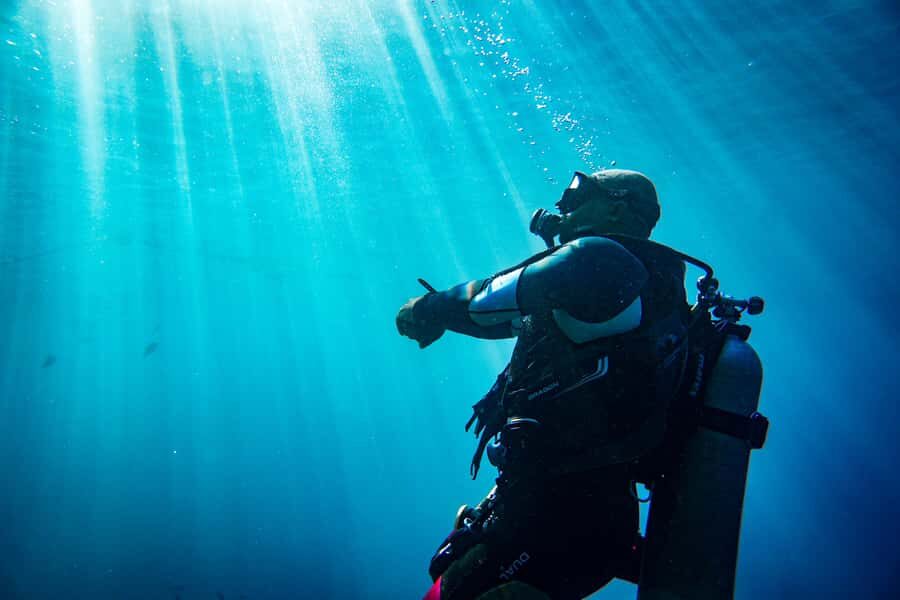
- Small group size (up to 10) with mixed snorkelers and divers depending on demand
- Two boat dives with guides who move you between regional sites and wreck-style stops
- Tanks and weight belt included, but most core rental gear costs extra
- Your logbook matters: no logged dives in the last 6 months means snorkeling instead
- Snack-and-drink break on board during the trip for a calmer, longer day
Price and value for two boat dives from Jeddah
At $93 per person for about 330 minutes (around 5.5 hours), this price can be a good deal if you’re already traveling light and you only need a minimal rental. You’re not just paying for “being taken somewhere.” You’re paying for two guided scuba sessions from a boat, plus the included essentials: tanks and a weight belt, and food-on-the-water basics in the form of snacks and soft drinks.
The catch is that the price doesn’t include the usual rental package (BCD, regulator, wetsuit, mask, fins). The listed estimate is around 145 SAR to rent those items. So if you do need the full set, you should think about the true day cost as the tour fee plus rentals.
Nitrox tanks are also not included. If you’re a Nitrox diver and that’s part of your plan, you’ll want to confirm options ahead of time since they aren’t part of what’s listed.
In plain terms: this is best value when you (a) already have some of your gear, and (b) you want a guided, boat-based route rather than a simple shore dive.
You can also read our reviews of more boat tours in Jeddah
The meeting point: Al-Haddad Scuba and how the day flows
Your day starts at Al-Haddad Scuba. From there, the schedule is built around moving you to the marina and then out on the yacht.
I like this kind of structure because it reduces the “where do we go next” stress. The itinerary is clearly paced: first you get underway (the yacht portion is listed as about 1 hour), then you dive for about an hour, then you take a break for about an hour, then you dive again for about an hour, and then you return to the dive center (about 80 minutes on the way back).
There’s also a quick breakfast window listed (about 15 minutes). It’s not a full meal replacement in terms of time, but it fits the reality of a long water day: snack energy before the first dive and then time to reset between dives.
Boat transfer on the yacht: more time on the water, less time waiting
The yacht leg is where the trip starts to feel like a real outing rather than a rushed appointment. It’s listed as about 1 hour before the first scuba session.
This portion matters because it sets expectations for how your body will feel once you’re geared up. If you’re prone to motion sickness, this is the part where you should plan ahead (hydration helps; you’ll want to avoid heavy, greasy meals right before departure since the schedule includes breakfast only briefly).
The other practical benefit: the center can stage gear and group flow before you hit the water. When operations are smooth, it usually shows up early like this, with equipment getting handed over and the group organized before the marina turn.
Dive block one: one hour underwater with a guided plan
The itinerary calls for the first scuba dive to run about 1 hour. Exact timing underwater can vary based on depth and conditions, but the “about an hour” block is your reality marker.
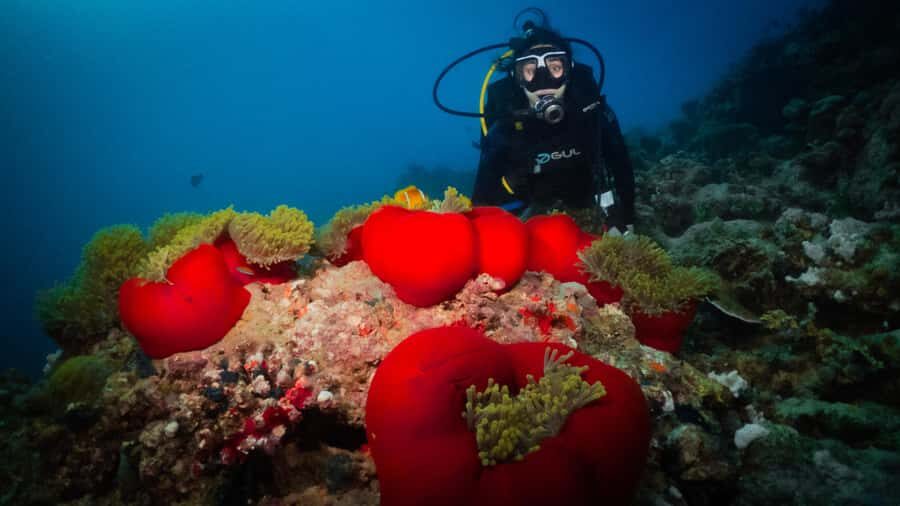
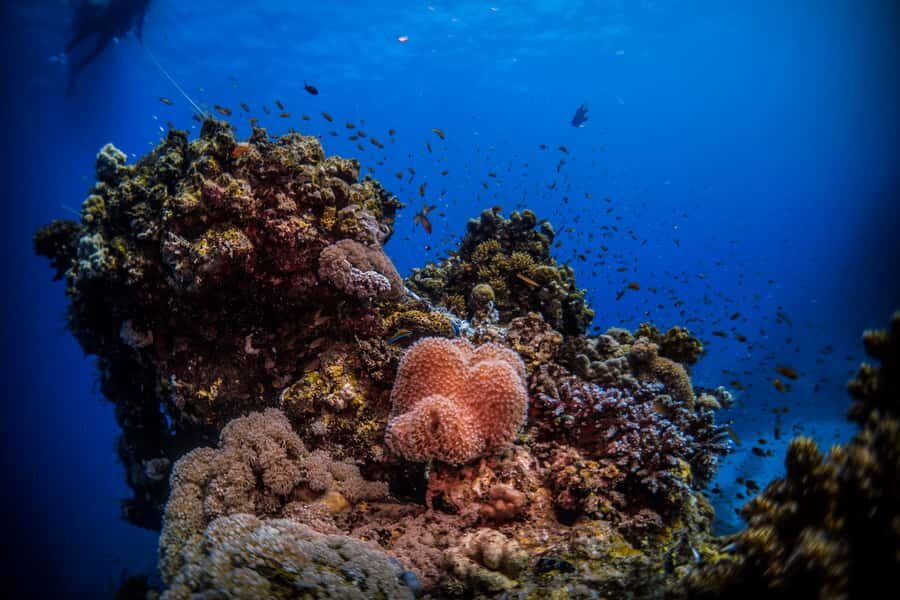
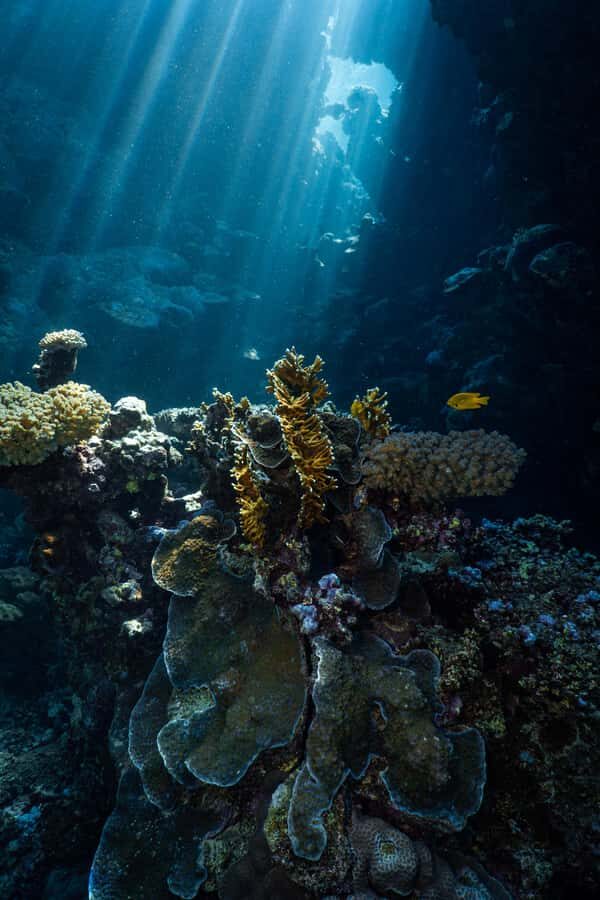
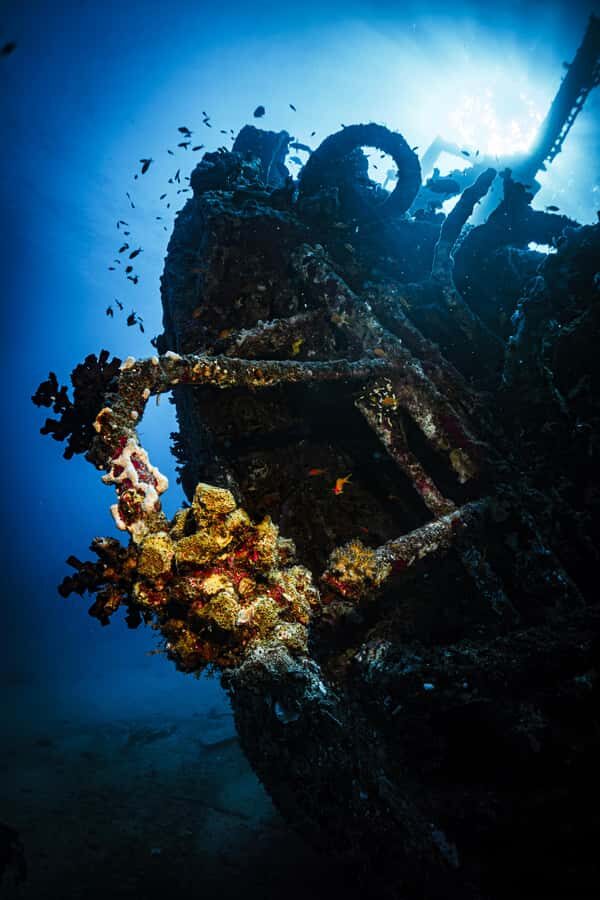
You’re not just being dropped at a single generic spot. The trip can target different areas, including a set of named locations such as Anas Reef, Duqais, Chicken Wreck, and Crazy 8 (and more). That matters because wreck-leaning sites and reef sites tend to deliver different viewing angles and different types of marine life.
The guide role is central here. A good team doesn’t only lead; they manage the whole sequence: entry, staying oriented, timing your ascent, and keeping the group together. With boat dives, the site is the plan, but the guide is what makes the plan actually work.
Break time after the first dive: fuel, regroup, and gear reset
After dive one, you have about 1 hour of break time. This is where you can do the important but unglamorous stuff: hydrate, dry off what you can, reset your breathing rhythm, and check that your kit is ready for the second session.
The schedule also includes snacks and soft drinks on board. I like having something consistent here because it takes the edge off between dives. Even if you’re not starving, a little salt-and-carbs support can make a later dive feel easier.
This is also your window to ask questions if anything felt unclear during the first dive. If you’re new to boat diving or new to the Red Sea ecosystem, you’ll get more out of the second dive by getting oriented now.
You can also read our reviews of more scuba diving tours in Jeddah
Dive block two: second hour, different site feel
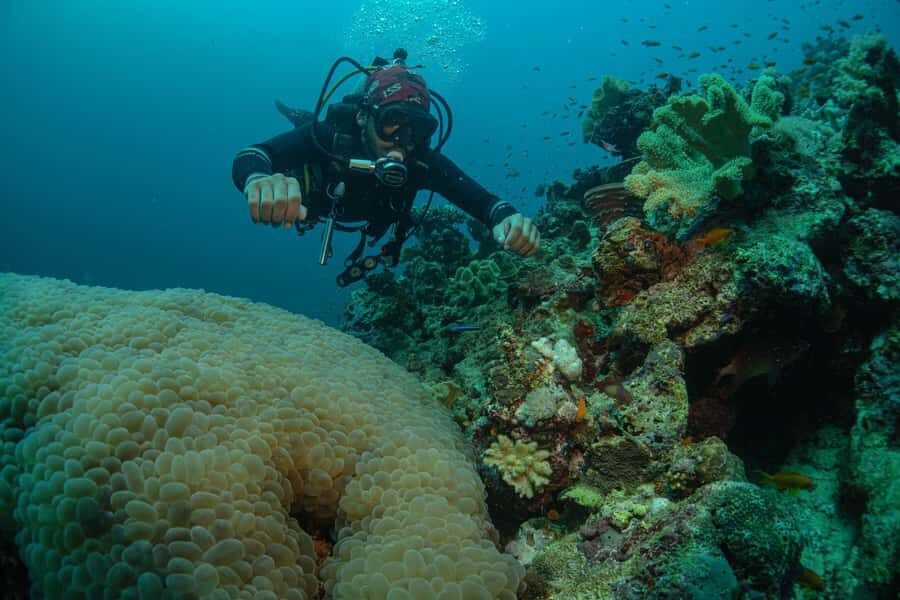
The second scuba session is also listed for about 1 hour. This is where the boat format really pays off. Two dives from one outing lets you sample more than one type of environment without burning extra travel time.
If dive one was reef-focused, dive two might deliver wreck geometry and different fish behavior. If dive one was a wreck-style site, dive two might open up visibility over coral areas. The exact mix can change, but the concept is steady: you’re maximizing underwater time across at least two distinct site experiences.
If you’re certified and comfortable with buoyancy, you’ll likely feel the rhythm: swim, look, pause, and let the guide manage movement. If you’re less confident, the best move is to stick close to the guide’s pacing and avoid trying to “win the dive” by moving ahead.
Equipment, rentals, and what you should pack
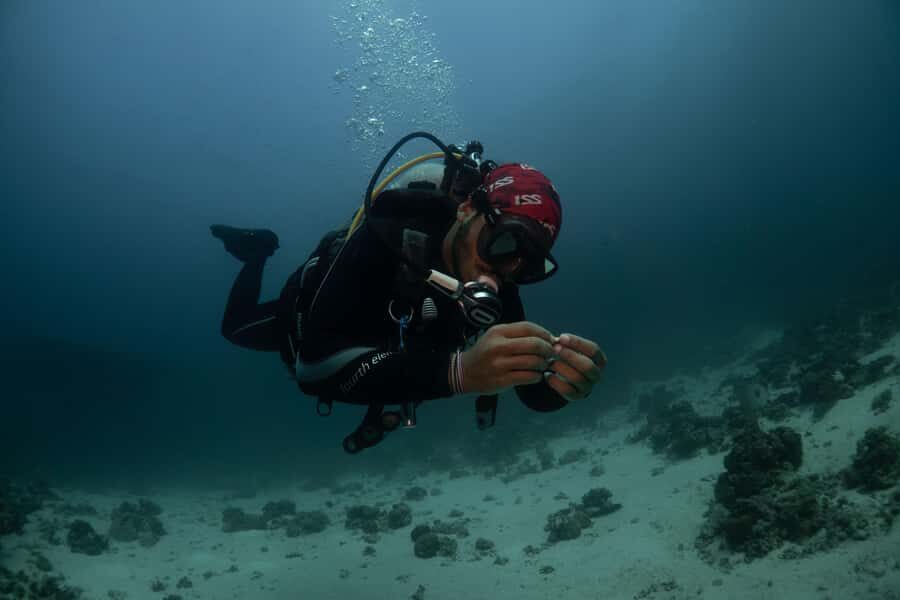
Here’s what’s included: tanks and weight belt. That’s a big deal because it removes the hassle of matching your own cylinder and weight setup.
Everything else may need to be rented, including: BCD, regulator, wetsuit, mask, and fins. The rental estimate given is around 145 SAR.
Also note: Nitrox tanks are listed as not included. If you’re used to Nitrox, plan for the logistics rather than assuming it’s available.
One more practical note that matters more than it sounds: bring ID. People have been advised to carry passport or visa documentation during the boat ride. Even if you’ve dived in other countries without much ID friction, Saudi operations can be stricter about what you show at check-in.
For your personal pack, focus on the boring essentials:
- A form of ID (passport/visa)
- Your dive certification documentation
- A light layer for after the second dive
- Anything you personally need for comfort, since towels and a full meal aren’t included
The logbook rule: when you’ll snorkel instead of scuba
This trip is for certified divers, but there’s a clear eligibility condition: if you don’t have logged dives within the last 6 months of your activity date, you won’t be allowed to dive and you’ll do snorkeling instead.
That rule is the big decision point. If you haven’t been in the water recently, you might not get the scuba experience you paid for in practice, even if the tour is marketed as diving.
Also be smart about what “refresh” means on the day. In at least one case, a diver who needed to refresh was reportedly handled differently than expected, with added time and cost tied to getting up to speed. I can’t promise that scenario will happen to you, but it’s a strong reminder: confirm your dive eligibility and what the provider will do if you’re not current.
Best approach: check your logbook dates now. If you’re borderline, try to get in a quick refresher dive before you travel so you’re not gambling with eligibility.
Group size and who you’ll share the boat with
The group is small, capped at 10 participants. Depending on demand, you may not have a full dive-only group. Some trips run with divers plus snorkelers, and the boat can feel lively but still manageable.
I like small groups because it reduces waiting around and keeps the guide focused. You’re more likely to get attention if you have questions or if something with your setup needs fixing.
At the same time, the group mix can affect the experience. If you’re a diver, you’ll want to make sure your dive plan stays solid and that the schedule matches what you’re expecting—especially if the day includes snorkelers.
What’s actually happening at each stop (the day at a glance)
Here’s the flow you’re buying, translated into real-world pacing:
- Starting location: Al-Haddad Scuba
Gear check and group coordination before departure.
- Yacht (about 1 hour)
Travel out to the diving area, time to settle in and get ready.
- First scuba session (about 1 hour)
One guided dive at a selected site, potentially reef or wreck related.
- Break time (about 1 hour)
Rest, snacks and soft drinks, and gear reset.
- Breakfast window (about 15 minutes)
Short fueling moment that fits between dive blocks.
- Second scuba session (about 1 hour)
Second guided dive at another spot, or another section of the plan.
- Return yacht transfer (about 80 minutes)
Head back to the dive center.
This is a well-contained arc. If you like having a clear schedule (and you don’t want a half-day that turns into chaos), that structure is a plus.
Safety mindset: what you should insist on
The tour is described as led by expert guides with a focus on safety, and the small-group setup supports that.
Still, safety isn’t a vague promise. When you arrive, check for the basics:
- Your gear is actually available before you’re stranded in limbo
- An instructor or divemaster is present and briefing the group
- Your dive eligibility matches the logbook rule
- You know what you’re doing between dive one and dive two
Some guests have reported issues where equipment and staffing were not what they expected. I don’t mean to scare you off. I mean this: show up early, confirm your setup, and don’t hesitate to ask direct questions until you’re confident the plan is real and complete.
Who this trip suits best
This is a strong fit for:
- Certified divers who want two guided boat dives in one day
- Divers who like a structured schedule and small group pace
- People planning a Red Sea sample, especially if you’re interested in the mix of reefs and wreck-style sites like Chicken Wreck and Crazy 8
It may be a rough fit if:
- You haven’t logged dives in the last 6 months and you’re hoping to dive anyway
- You’re looking for all gear included (most core rental gear costs extra)
- You want a guaranteed dive-only group with no snorkelers present (the day can mix)
If you’re new to boat diving, the guide-led format is often reassuring. Just be honest with yourself about comfort and buoyancy before you agree to two sessions.
Should you book this scuba trip from Jeddah?
I’d book it if you meet the key conditions: you’re dive-current under the 6-month logbook rule, you’re okay with renting additional gear if needed, and you want a tight schedule that prioritizes two guided underwater experiences.
Before you go, do three quick checks:
- Confirm your logbook dates so you don’t get switched to snorkeling
- Ask what equipment rentals cost and which items you’ll need (the estimate is around 145 SAR)
- Bring ID documentation, since you may be asked for passport/visa during the boat ride
If you want a Red Sea day that feels organized, with two site experiences and a small group atmosphere, this is the kind of outing that can deliver real value. If your diving status is uncertain or you’re traveling with full uncertainty about eligibility, it’s worth sorting those details first so your day doesn’t turn into Plan B.
FAQ
Where does the trip start?
The activity starts at Al-Haddad Scuba.
How long is the overall experience?
The duration is listed as 330 minutes.
Are tanks and weight belts included?
Yes. Tanks and weight belt are included for all divers.
What dive gear is not included and might need to be rented?
BCD, regulator, wetsuit, mask, and fins are not included. The approximate rental cost listed is 145 SAR.
What happens if I haven’t logged dives in the last 6 months?
If you do not have logged dives within the last 6 months of your activity date, you will not be allowed to dive and will do snorkeling instead.
What languages does the live guide speak?
The live tour guide is listed as speaking Arabic, English, Italian, and Russian.