REVIEW · JEDDAH
Jeddah: Al-Balad Old Town Tour with Guide
Book on GetYourGuide →Operated by Saudi Tours Co. 71304444 · Bookable on GetYourGuide
Old Jeddah is all alley turns and old stone.
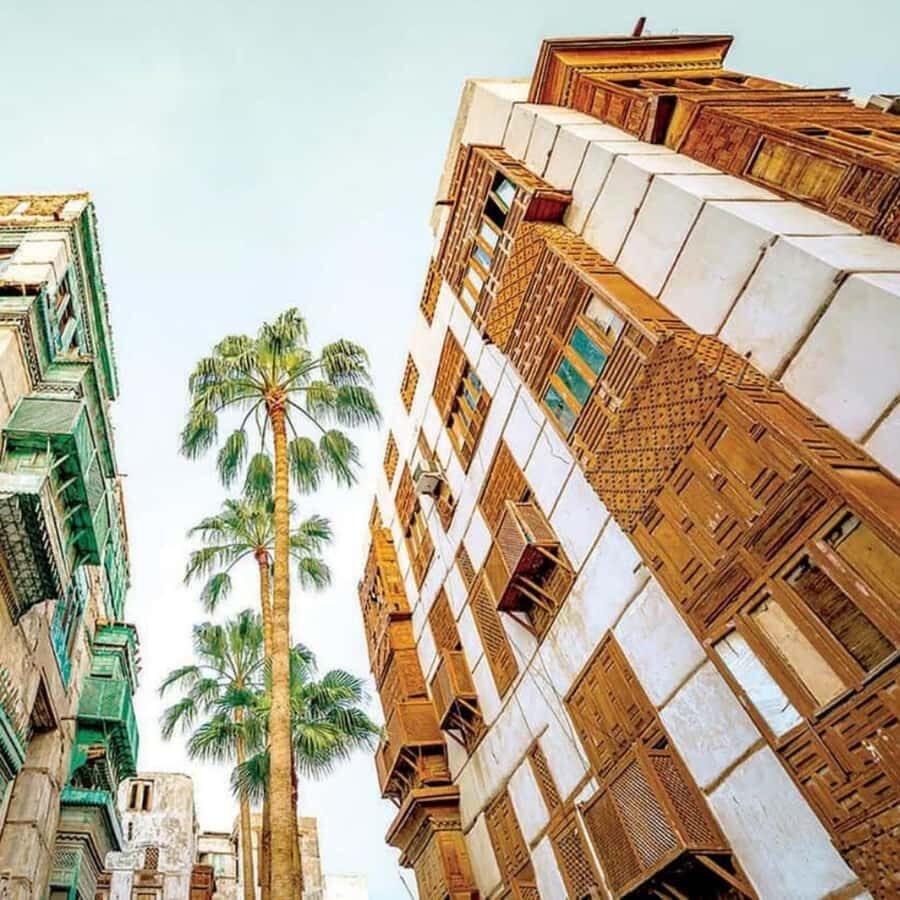
This walking tour puts UNESCO-listed Al-Balad right at your feet, with a guide who knows where to slow down and what to look for, including the signature roshan balconies and coral-stone houses. I particularly like the chance to see historic Jeddah as something lived-in, not just photographed.
My favorite part is how the tour mixes key landmarks with practical, everyday culture—like stopping for Arabic coffee with dates and shopping in souqs for oud, spices, textiles, and handmade souvenirs. The only real consideration: it’s a walk-based experience, so if you hate narrow lanes, market crowds, or you get tired easily, you’ll want to choose a daytime slot that matches your pace (and wear good shoes).
In This Review
- Key highlights to look for
- Why Al-Balad’s coral-stone lanes feel like a time machine
- Price and what you actually get for $88
- Day vs night: how the experience shifts after sunset
- Nassif House Museum: Ottoman-style details and the tree-in-the-courtyard moment
- Coffee in the old town: a short pause that helps you notice more
- Al Alawi Souq and Bedouin Market: shopping with context, not just browsing
- Bab Makkah, Bab Medina, and Jeddah Old Gate: gates that mark the city’s spine
- Al-Shafei Mosque: nearly a thousand years of quiet details
- Suq Al Jami and the last stretch: where shopping finishes and memories stick
- What kind of guide experience to expect (English, Arabic, and real local pacing)
- Walking comfort: how to make 2–6 hours feel good
- Who should book this Al-Balad walk (and who might not love it)
- Should you book this Al-Balad Old Town tour?
- FAQ
- How long is the Jeddah Al-Balad old town tour?
- What does the tour include?
- Can I choose a daytime or night tour?
- Is pickup from my hotel available?
- Which main sights will I see?
- What should I bring for the walk?
Key highlights to look for
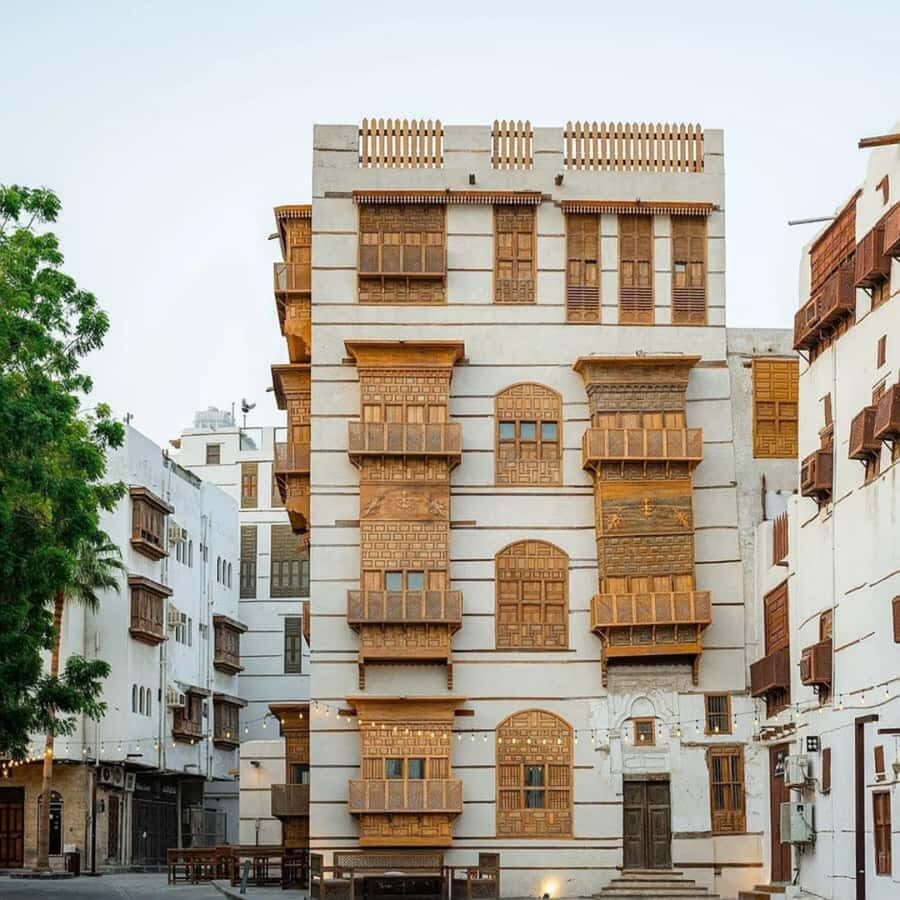
- UNESCO Al-Balad on foot: narrow alleys, coral-stone buildings, and recognizable roshan wooden lattice balconies.
- Bayt Nassif (Nassif House Museum): restored merchant home with Ottoman-style architecture and a tree growing inside the courtyard.
- Souq time that feels local: Al Alawi Souq plus stops for Bedouin products, threads, textiles, and traditional clothing.
- Mosque history you can actually see: Al-Shafei Mosque with parts dating nearly a thousand years and a wooden minaret.
- Gates and old walls: Bab Makkah, Bab Medina, and Jeddah Old Gate, including foundations tied to the old city wall.
Why Al-Balad’s coral-stone lanes feel like a time machine
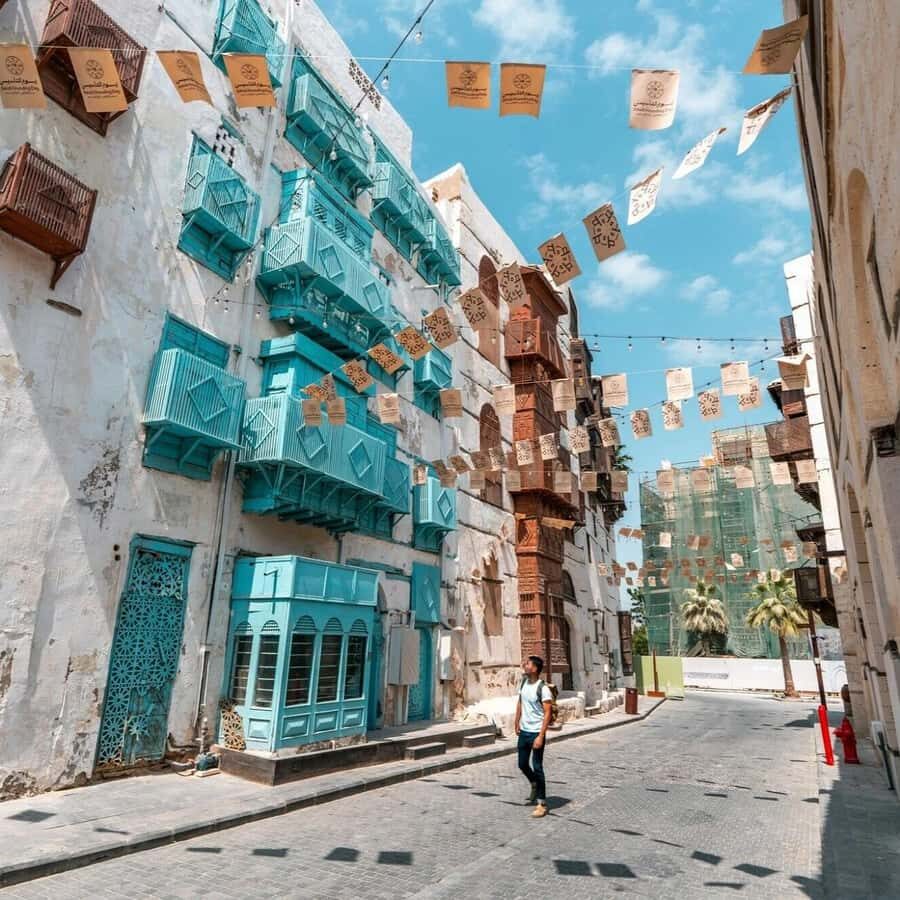
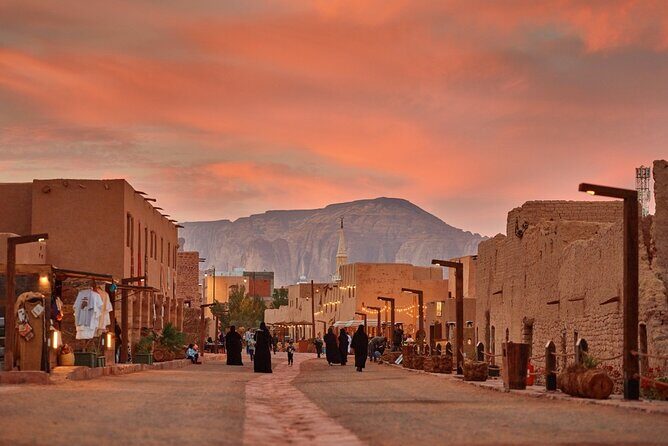
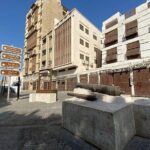
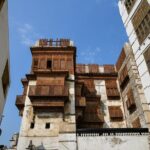
Jeddah’s Al-Balad doesn’t work like a museum. You don’t just stand in front of stuff and move on. You walk through it—past coral-stone facades, into tight passages, and up to street-level views of historic balconies that still shape how people move through the neighborhood.
What I love is the contrast between the simple street scale and the detailed building craft. Coral limestone and wooden lattice work aren’t just pretty; they’re part of how homes handled light and air long before modern systems.
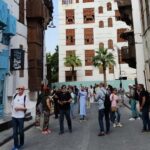
If you come for photos, you’ll get them. If you come to understand the city, you’ll notice something else: the “points of interest” are connected by daily life—souqs, courtyards, and small streets that still feel like part of Jeddah, not a staged zone.
You can also read our reviews of more guided tours in Jeddah

Price and what you actually get for $88
At $88 per person for a 2–6 hour tour, this isn’t a budget snack tour. It’s a guided walk that includes a guide (English or Arabic speaking), bottled water, and entry fees where applicable.
The value comes from the structure. You’re not just wandering Al-Balad and hoping to stumble on the right context. You get specific stops you can’t easily piece together on your own—like Nassif House Museum and the older mosque—and you get the “why” behind the architecture and gates.
Also, the tour offers a meaningful choice: daytime or night. That matters because Al-Balad changes character after sunset, and the guide’s timing can shape what you notice.
Day vs night: how the experience shifts after sunset
This is one of those places where timing changes the whole mood. In the daytime, you get clearer views of building details: roshan balconies, coral-stone texture, and the layout of gates and market lanes.
At night, the neighborhood comes alive. You’ll be walking through a cooler-feeling atmosphere with glowing lanterns, people out in the souqs, and sea breezes that make the streets more comfortable.
A practical tip: pick your night start with your energy in mind. One guide recommendation I liked from past guests is to do night around 7:30pm, because that’s when the markets really feel active. If you’re sensitive to crowds, earlier night tours may feel easier to manage.
Nassif House Museum: Ottoman-style details and the tree-in-the-courtyard moment
A strong start helps any walking tour, and this one begins with the Nassif House Museum (Bayt Nassif). You’re looking at a restored merchant’s house that now functions as a museum and cultural center.
What makes this stop memorable is the courtyard layout and the mix of influences. The building is known for Ottoman-style architecture, and there’s that standout detail: a tree growing inside the courtyard. It’s the kind of image you’ll remember because it breaks the expectation that courtyards are only stone and shade.
Time-wise, plan for about 20 minutes here. It’s enough to understand the house and see key features, but not so long that you get stuck indoors in a neighborhood where the real fun is outside.
Coffee in the old town: a short pause that helps you notice more
Between historic architecture and market lanes, you’ll have a brief stop for Arabic coffee and tea. It’s only around 10 minutes, but it works.
Here’s why: pacing. Al-Balad moves fast on foot. A short sit helps you reset your attention, so when you re-enter the streets you’re better at noticing the details the guide points out—balconies, building entrances, and the shifts between residential and commercial areas.
If you’re the type who learns through conversation, this is the part you’ll enjoy most. It’s a comfortable moment to ask questions about what you just saw.




Al Alawi Souq and Bedouin Market: shopping with context, not just browsing

Next comes souq time, and the tour doesn’t treat shopping like an afterthought. You’ll visit Al Alawi Souq (Souq Al Alawi), described as one of the oldest markets in Jeddah, then continue to a Bedouin Market stop.
At Souq Al Alawi, you’re likely to run into stalls focused on spices, oud, textiles, antiques, and traditional clothing. This is where you can pick up souvenirs that feel connected to local craft rather than generic tourist stock.
Then you shift gears at the Bedouin Market, where fabrics, fabrics-related items, and Bedouin-focused goods show up more clearly. Expect a short break and photo stop, then browsing time and a bit of walking—about 10 minutes in this area.
One consideration: souqs can be intense. If you dislike negotiation or shopping crowds, decide ahead of time what you want to buy. The tour’s built for browsing, so you’ll enjoy it most if you go in with a loose plan, like choosing one or two categories (oud or spices, for example) rather than trying to do everything at once.
Bab Makkah, Bab Medina, and Jeddah Old Gate: gates that mark the city’s spine
Walking among gates is a smart way to understand how Al-Balad worked historically. These aren’t abstract monuments; they mark transitions—between areas, between streets, and between the old city’s “inside” and “outside” logic.
You’ll see Bab Makkah, traditionally linked to the start of pilgrims. You’ll also stop for Bab Medina, where you can look at foundations of the old city wall, which gives you a sense of scale and boundary even when much of the wall isn’t standing.
Later, you’ll have time around Jeddah Old Gate as another photo-and-look stop. These are generally short segments (often 10–20 minutes each), but the guide context makes them easier to read.
If you like architecture, this is a good part of the walk. If you prefer long museum-style explanations, you might want to balance this stop with the Nassif House Museum earlier so you still feel you got enough “story” in one outing.
Al-Shafei Mosque: nearly a thousand years of quiet details
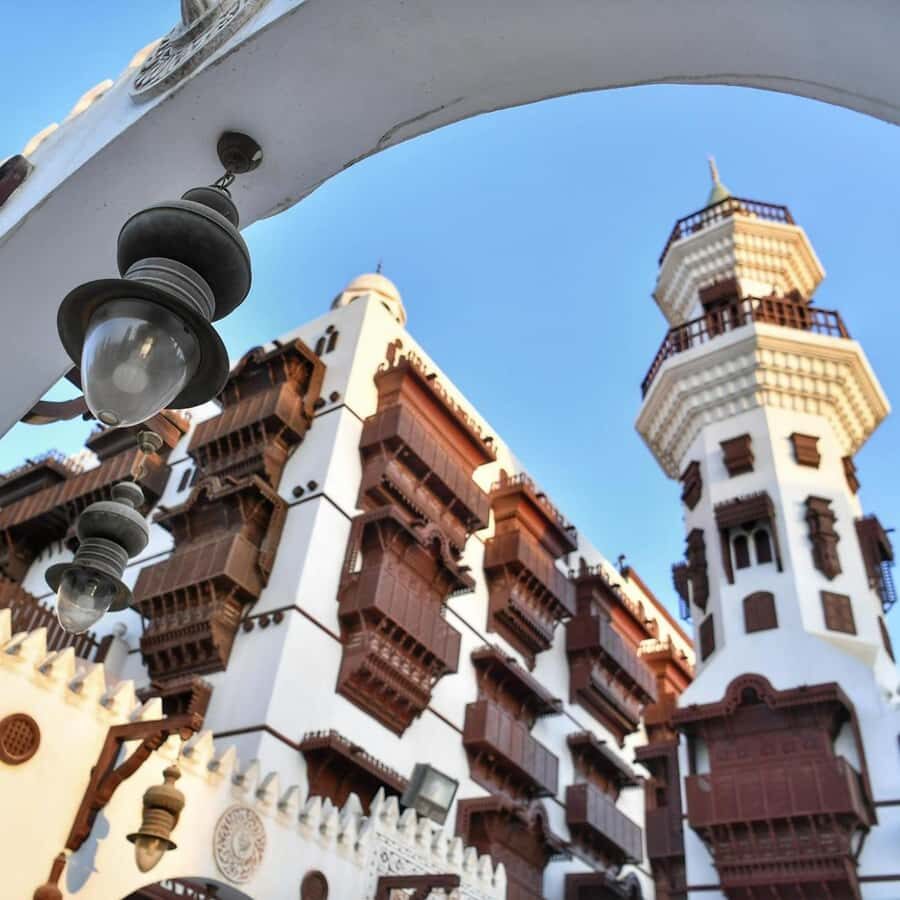
The Al-Shafei Mosque stop is one of the more grounding moments of the route. It’s described as one of Jeddah’s oldest mosques, with parts dating back nearly a thousand years.
Look for the wooden minaret and take in the atmosphere—quiet, slower, and less focused on sales than the streets around it. You’ll have around 20 minutes, including a guided visit and time to walk through the area.
This stop gives you a different texture of the neighborhood: not just trade and housing, but religious life that has been embedded in the city for a very long time.
Suq Al Jami and the last stretch: where shopping finishes and memories stick
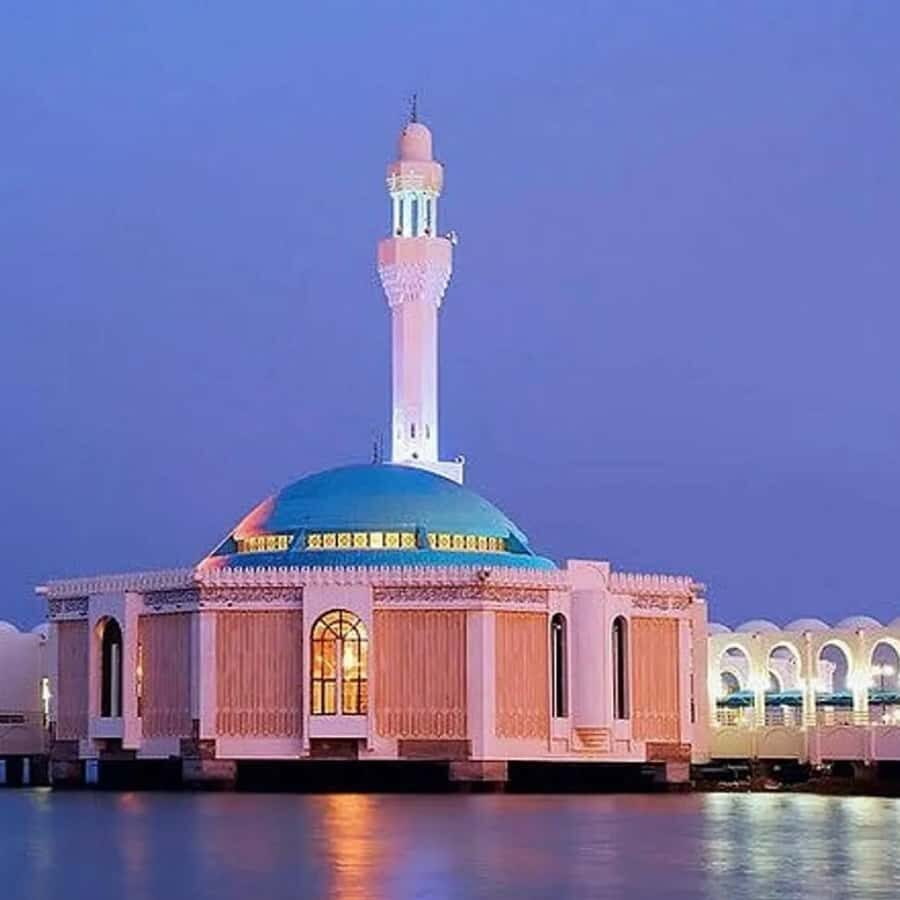
As the tour moves toward the end, you’ll reach Suq Al Jami, another short walk-and-shop segment (around 10 minutes). This is a good place to pick up something small if you’ve been saving your purchases until the end.
Then you’ll circle through the remaining old-gate viewpoint area before finishing with drop-off at one of the listed locations. Because the tour is a walk of many short stops, the ending tends to feel like a summary walk through the same kinds of scenes you saw earlier—only now you’ll recognize them.
A nice bonus from guide style: past guests described guides like Mahmoud as flexible, even making adjustments when traffic conditions got messy (including Saudi National Day). That kind of responsiveness can make a big difference when you’re spending hours on foot in a busy city.
What kind of guide experience to expect (English, Arabic, and real local pacing)
This tour is led by an English or Arabic-speaking guide, and the experience can vary depending on the person you get. I like that some guests reported guides such as Reem and Mahmoud creating a tour that fits the group’s interests, not just a rigid script.
One thing that comes up in feedback is patience. For instance, guests described having time for photos and time adjustments if their schedule shifted. Another shared highlight: a guide detour to show King Fahad’s Fountain on the way back after someone couldn’t see it—proof that the day can include small extras if they make sense with the route.
Walking comfort: how to make 2–6 hours feel good
This tour is built around walking narrow streets, stopping often, and moving between markets and monuments. That means your comfort matters more than usual.
Bring:
- Comfortable shoes you can walk in for hours
- A sun hat (especially for daytime tours)
- Comfortable clothes that work for heat and occasional crowding
For daytime, take sun seriously. For night, expect cooler air but still be ready for uneven sidewalks and packed market areas.
Also, plan your pace. The tour duration is listed as 2–6 hours, so choose based on your energy and whether you want a slower shopping-and-photo style or a quicker highlights focus.
Who should book this Al-Balad walk (and who might not love it)
You’ll likely love it if:
- You want UNESCO Al-Balad context without trying to decode it alone
- You like markets and don’t mind spending time shopping
- You enjoy architecture details like coral-stone buildings and roshan balconies
- You want a family-friendly walking plan that includes both history and everyday culture
You might not love it if:
- You strongly prefer museum-only stops over street-level walking
- You don’t enjoy shopping environments (souqs are a core part of the route)
- You’re sensitive to crowds, even at night
If you’re a solo traveler, you’ll probably appreciate the guide doing the connecting work—finding the right gates, mosques, and house-museum stops so you don’t feel lost.
Should you book this Al-Balad Old Town tour?
Book it if you want Jeddah’s old center with a guide who can point out what you’d miss on your own, then give you time to enjoy the souqs at a sensible pace. The mix of Nassif House Museum, Al-Shafei Mosque, and the old city gates hits the key “read the city” moments, while the coffee stop and market time keep it human.
If you’re deciding between day and night, choose based on your comfort: day for clearer building views and easier navigation, night for the lanterns, people out in the markets, and cooler walking conditions.
If you want an experience that feels like you’re learning the city through its streets rather than just touring landmarks, this is a solid pick for $88.
FAQ
How long is the Jeddah Al-Balad old town tour?
The tour duration is listed as 2 to 6 hours, depending on the selected starting time and option.
What does the tour include?
It includes an English or Arabic-speaking guide, entry fees where applicable, and bottled water. You also stop for coffee/tea and spend time walking through Al-Balad’s historic sites and souqs.
Can I choose a daytime or night tour?
Yes. The experience is offered as either a daytime option or an evening/night option, with the night tour described as more atmospheric in the markets.
Is pickup from my hotel available?
Pickup is optional. If you choose the option with transportation, you’ll be picked up from your accommodation in Jeddah. If you choose no transportation, the meeting point is behind the historic gate of the old town at the entrance to Souq Qabil.
Which main sights will I see?
You’ll visit key places including Nassif House Museum (Bayt Nassif), Al Alawi Souq, Bedouin Market, Bab Makkah, Al-Shafei Mosque, Suq Al Jami, and historic gate areas such as Bab Medina and Jeddah Old Gate.
What should I bring for the walk?
Wear comfortable shoes, bring a sun hat, and wear comfortable clothes suitable for walking and market areas.