REVIEW · RIYADH
Al Masmak Fortress, Murabba Palace, and Souq Al Zal Tour
Book on GetYourGuide →Operated by Tours Around Saudi · Bookable on GetYourGuide
Riyadh’s history is right on the street. This guided Old Riyadh tour strings together the story of Saudi Arabia through Murabba Historical Palace, Souq Al-Zal, and Al Masmak Fortress, with a licensed guide explaining what you’re seeing as you move between stops. I like two things most: the way licensed guide Aziz connects the sites to real moments in the country’s past, and the fact that Souq Al-Zal isn’t just a photo stop, it’s a lesson in everyday goods and cultural meaning.
One thing to think about: this tour is built around walking through historic areas and seeing multiple sights in one flow. If you prefer a slow, purely independent pace, you may want extra downtime afterward.
In This Review
- Key highlights worth showing up for
- Riyadh’s “big three” in one guided flow
- Murabba Historical Palace: where leadership met traditional design
- Souq Al-Zal: everyday objects with cultural meaning
- Al Masmak Fortress: the battle that turned into unification
- What you’re paying for (and why $34 makes sense)
- Getting the most out of Aziz’s guided storytelling
- Practical details that shape your day
- Who this tour is best for
- Should you book the Al Masmak Fortress, Murabba Palace, and Souq Al-Zal tour?
Key highlights worth showing up for
- Murabba Palace in context: official workplace and residence connected to King Abdulaziz
- Souq Al-Zal culture, not just shopping: traditional goods explained with usage and meaning
- Al Masmak Fortress story: the battle tied to restoring Riyadh and beginning unification
- Licensed guide with strong Q&A: English and Arabic support, answers your questions clearly
- Practical inclusions: metro ticket between the National Museum and the Souk, plus water
- Aziz’s approach: friendly, responsive, and focused on comfort and making the time enjoyable
Riyadh’s “big three” in one guided flow
If you want Saudi history without turning your day into homework, this is a smart format. You’re not just ticking off buildings. You’re getting a guided thread that moves from governance and palace life (Murabba), to daily commerce and objects people used every day (Souq Al-Zal), and then to a key turning point in the fight to restore Riyadh (Al Masmak Fortress).
I also like that the tour is designed for a start-and-go day. You meet at the National Museum metro station, then you head toward the Souq area with the included metro ticket. That takes one logistical problem off your plate—figuring out transit while you’re trying to stay oriented in a new place.
You can also read our reviews of more tours and experiences in Riyadh.
Murabba Historical Palace: where leadership met traditional design
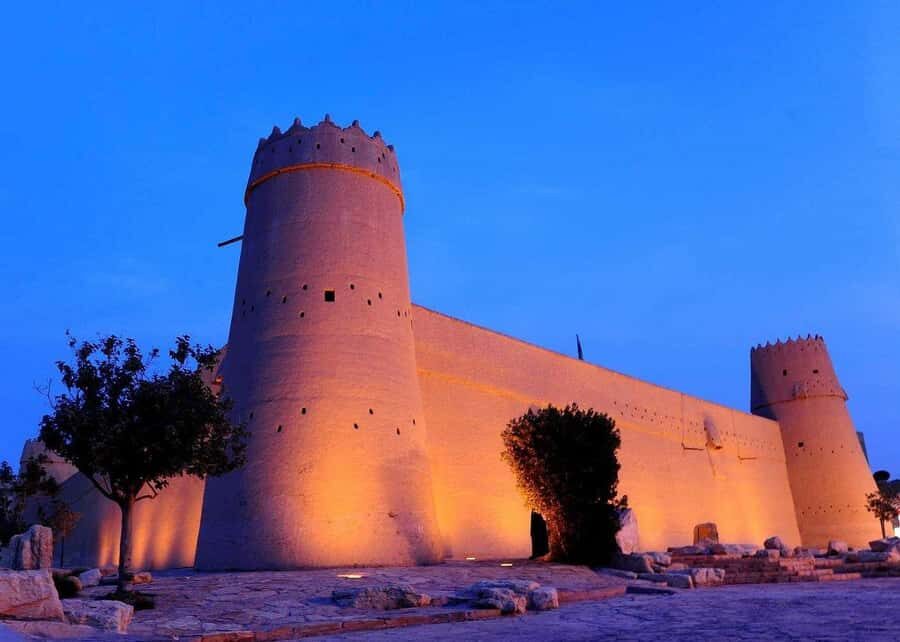
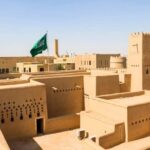
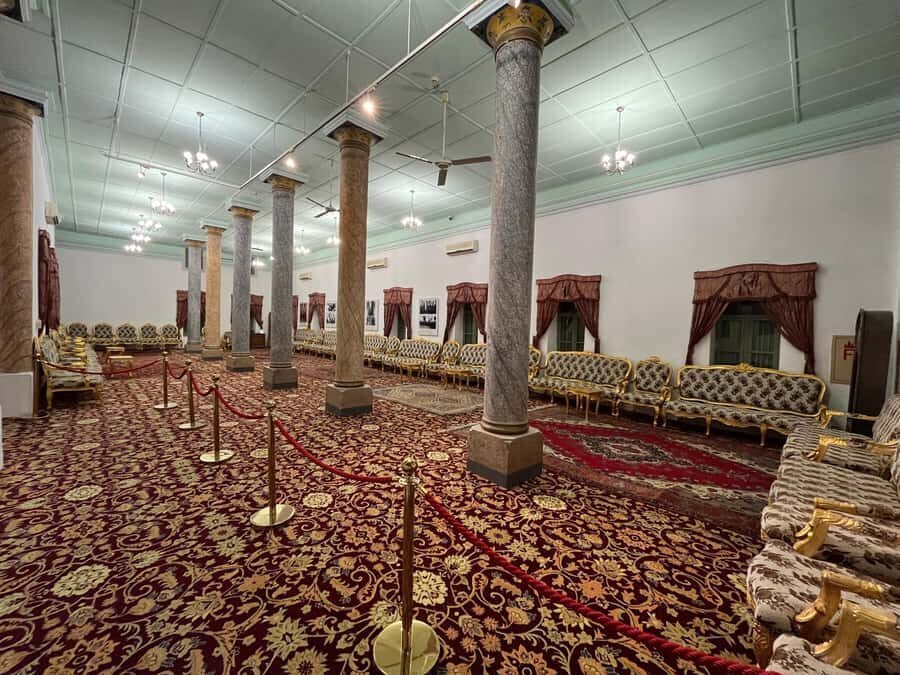
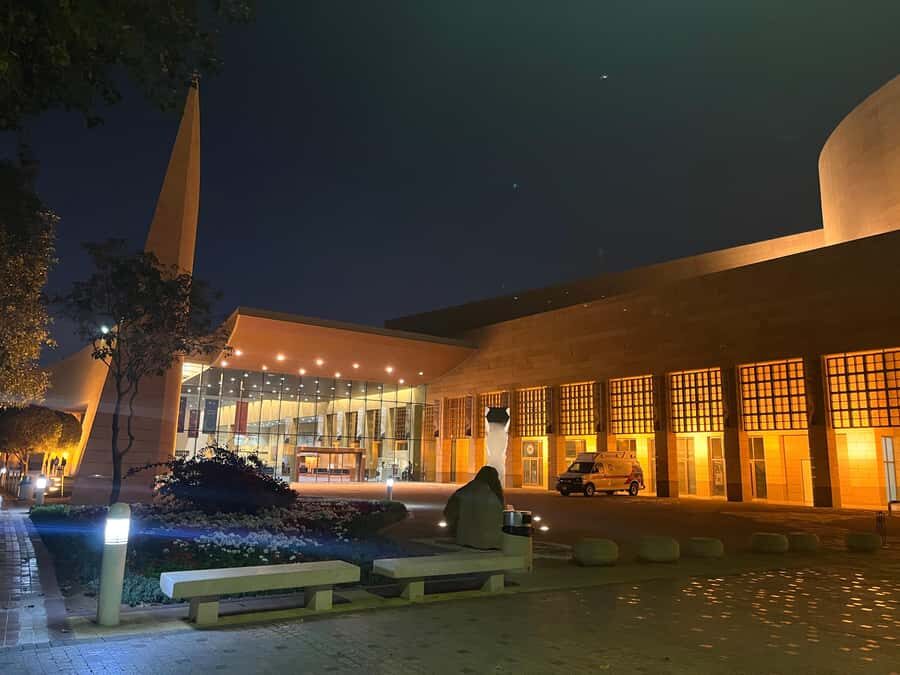
Murabba Historical Palace is often described as a focal point, but the better way to think about it is as a place built for decision-making and residence at the same time. During this stop, you’ll see the palace that served as the official workplace and residence of King Abdulaziz, designed in line with traditional design styles.
Why this matters: palaces can turn into vague “pretty buildings” if you don’t get the context. Here, the explanation ties the architecture to function—this wasn’t only a backdrop. It was where authority, planning, and daily routines sat side by side.
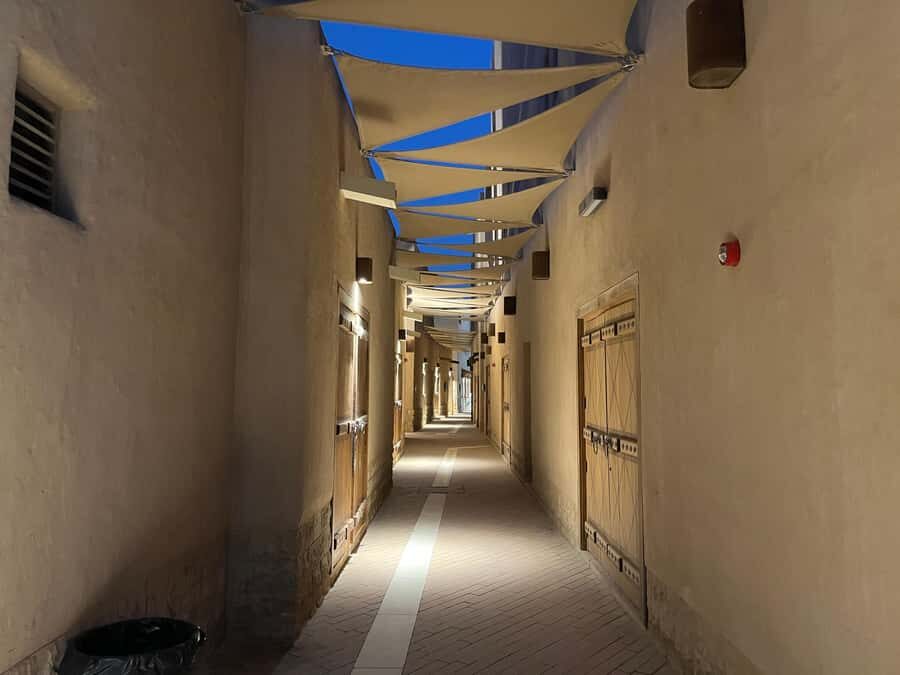
What you’ll likely appreciate on the ground is the shift in scale and detail as you move from open market life toward formal spaces. Even if you’ve seen photos of old Riyadh before, this kind of guided framing helps you notice the layout and the sense of purpose behind the design.
A practical note: palace visits can mean a slower pace and more standing while your guide explains. If you like history told with a narrative, this is the kind of stop that rewards your attention.
Souq Al-Zal: everyday objects with cultural meaning
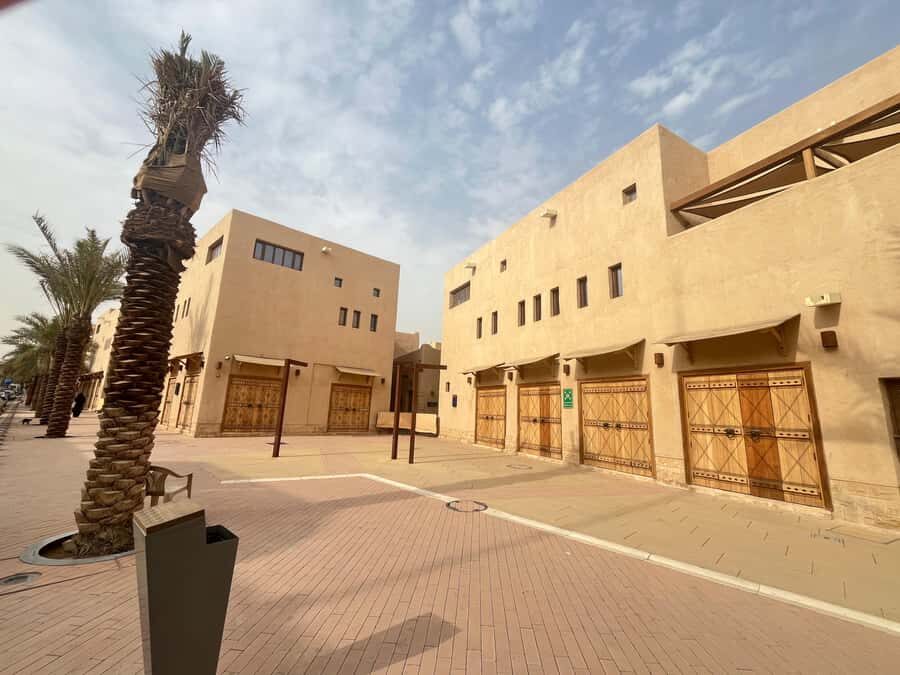
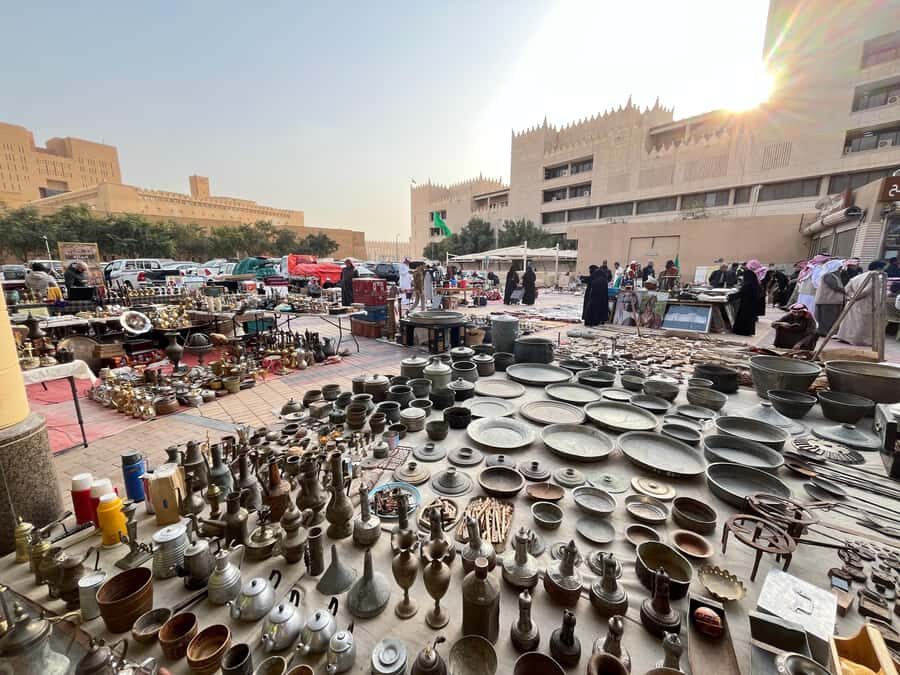
After the palace, Souq Al-Zal changes the tempo. This is the part of the tour where you learn the “what” and the “why” behind traditional goods—how they were used and what they meant in local culture.
The best souqs do two things at once: they show you real commerce and they reveal what people value. On this stop, you get both, because your guide connects items to practical usage and cultural context rather than treating the market like a supermarket for souvenirs.
This is also where you get a more personal sense of Riyadh. The guide’s storytelling helps you recognize that traditional goods aren’t just antiques. They’re tools, traditions, and habits that shaped daily life. Even if you don’t plan to buy much, you’ll understand what you’re looking at, which makes the whole place feel more real.
One consideration: markets can be visually intense. If you’re sensitive to crowds or prefer quieter environments, go in expecting movement and layers—then lean on your guide to keep the experience organized.
Al Masmak Fortress: the battle that turned into unification
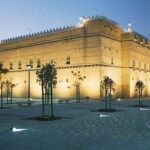
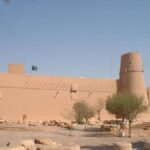
Then comes the emotional center of the tour. Al Masmak Fortress witnessed the scene of the battle to restore Riyadh by King Abdulaziz, and that moment is described as the beginning of his journey to unite Saudi Arabia.
This stop works because it takes a big national story and anchors it to a specific site with clear historical weight. Fortresses have walls for a reason, but on your visit, the guide helps you connect those walls to what happened here—so you’re not just looking at stone, you’re looking at a turning point.
If you like history that’s anchored in places, you’ll probably value how your guide links the battle to the wider purpose afterward. That’s the kind of explanation that makes the site more than a dramatic setting.
It’s also the stop where questions tend to fly. And the reviews you’ll find for this tour point to one strong theme: Aziz answers questions clearly and keeps things interactive without making you feel rushed. That’s ideal when the subject is complex and you want to understand the chain of events.
What you’re paying for (and why $34 makes sense)
The price is $34 per person, which is a reasonable way to cover three major Old Riyadh highlights with real guided interpretation. You’re not just paying for access. You’re paying for:
- a licensed guide in English and Arabic,
- a structured route that reduces your planning stress,
- and practical inclusions that help you move between areas, including a metro ticket and water.
When a tour includes transportation support between the National Museum and the Souq, it’s not a small detail—it affects how much energy you spend. You can focus on learning and looking instead of figuring out how to get from point A to point B.
Also, the strongest praise for this experience centers on Aziz’s approach: he’s described as passionate about the country, genuinely kind, responsive to questions, and attentive to people’s comfort. In other words, you’re paying for the “human explanation” part that makes history actually click.

Getting the most out of Aziz’s guided storytelling
Aziz is the name that comes up again and again, and for good reason. People describe him as:
- cultured and history-focused
- friendly, open, and genuinely enthusiastic
- responsive and communicative
- someone who makes the experience enjoyable even when you’re moving between several sites
That style matters because these locations connect to different angles of Saudi history—political leadership at Murabba, daily life and objects at Souq Al-Zal, and the battle narrative at Al Masmak Fortress. If your guide can connect the dots, you come away with a mental map of how the story unfolds.
A practical tip: come with at least one question you care about. It can be simple—like how traditional design influenced official buildings, or what makes a particular market object culturally significant. With a guide who’s comfortable answering, you’ll turn the day from sightseeing into real understanding.
Practical details that shape your day
This tour starts and ends at the National Museum metro station, so you can plan without worrying about a complicated drop-off. There’s also a metro ticket included for transportation between the National Museum and the Souq area, plus water.
You’ll want to dress for walking in historic neighborhoods. Comfortable shoes matter, because you’ll be moving between places and spending time listening. And since this is a cultural and historic day out, keep your pace flexible—your best moments will come when you slow down just enough to absorb the guide’s explanations.
Language support is another real advantage. The tour lists English and Arabic, which means you’re not locked out of the story if you need clarification. Based on the feedback you’ll see, English delivery is a key strength.
Who this tour is best for
This is a great match if you want:
- an organized way to see major Old Riyadh landmarks,
- a licensed guide who explains the meaning behind what you’re seeing,
- and a mix of palace history, market culture, and a dramatic battle narrative.
It’s also ideal if you’re the kind of traveler who likes to understand the “why” behind a place. If you tend to skim museum labels and miss the context, the guided storytelling here is exactly what helps.
If you prefer to wander without structure, you might find the schedule less flexible. But if you enjoy learning while walking, you’ll probably come away feeling like Riyadh finally makes sense as a story, not a collection of sights.
Should you book the Al Masmak Fortress, Murabba Palace, and Souq Al-Zal tour?
Yes, if your goal is to experience key Old Riyadh sites with real explanation. This tour is good value for $34 because it combines three high-impact stops, includes transportation help by metro between the National Museum and Souq, and throws in water.
You should also book if you like guides who take questions seriously. Aziz’s reputation in the feedback is consistent: friendly, responsive, and invested in making the afternoon enjoyable and informative.
Skip it only if you hate group pacing or you want a purely self-directed tour with no guidance. In that case, you’ll likely prefer a flexible pass and map-based exploring instead.
If you’re aiming for a guided evening or afternoon where Saudi history becomes understandable and not just impressive, this one is an easy yes.