REVIEW · RIYADH
Riyadh: Al Diriyah Tour
Book on GetYourGuide →Operated by Saudi Arabia Tours Dot Net · Bookable on GetYourGuide
Mud-brick heritage meets a stylish dining break. This Al Diriyah tour strings together three big names of Riyadh’s past—Diriyah, At-Turaif (UNESCO), and the modern social scene at Bujairi Terrace—in one smooth, guided loop.
I love how the experience is built for your time: a small group (up to 5) and an English-speaking tour leader/driver who stays focused from pickup to drop-off. I also like that you’re not just looking at ruins—you’re getting context about why these places mattered, including Diriyah as the birthplace of the first Saudi state and a key crossroads for pilgrims and traders.
One thing to consider: at this price point, timing and site hours matter. There are reports of closures and delays in at least one booking, so it’s smart to confirm day-of conditions if you’re counting on lunch stops or specific restaurant areas being open.
In This Review
- Key things to know before you go
- Where this Al Diriyah day really shines
- Pickup and the first drive: your guide sets the pace fast
- Historical Diriyah: the gateway to the first Saudi state
- Bujairi Terrace: modern dining culture with heritage views
- At-Turaif UNESCO site: the mudbrick power center
- Optional Najd Saudi lunch: a chance to slow down (if it’s open)
- Price and value: what $300 per person buys
- Logistics you’ll actually feel during the day
- Who this tour fits best
- Should you book Al Diriyah Tour?
- FAQ
- What locations does the Al Diriyah tour include?
- How long is the tour?
- What is the group size?
- How do I meet the tour leader or driver?
- Is there an English-speaking guide?
- Are entrance fees included?
- Are hotel transfers included?
- Is lunch included?
- What about tipping?
- What’s included in the price besides the tour itself?
- FAQ
- What languages are supported?
- Is wheelchair access available?
- Is cancellation free, and how far in advance?
- Can I reserve first and pay later?
- How flexible is the itinerary?
Key things to know before you go
- Small group, up to 5 participants means less waiting and more back-and-forth with your guide
- Bujairi Terrace is positioned as a luxury dining zone with standout names like TATEL, Hakkasan, and Long Chim
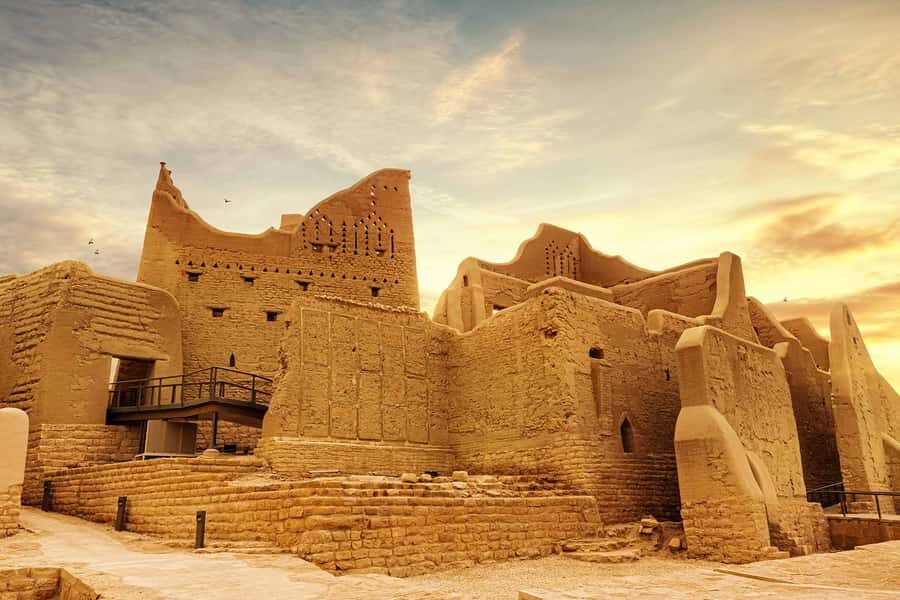
- At-Turaif is UNESCO and you’ll see the First Saudi State’s royal residence and seat of governance
- Mudbrick Najdi architecture isn’t just aesthetic here—it’s tied to how the First Saudi State ruled and built
- Optional Najd Saudi lunch adds a traditional meal at a dedicated restaurant if you want the full cultural sit-down
Where this Al Diriyah day really shines
Riyadh can feel massive and modern, but this tour helps you shift gears quickly. You get a guided path through Historical Diriyah and then on to At-Turaif, one of Saudi Arabia’s most important heritage landscapes. The contrast is part of the charm: old mudbrick governance zones, followed by a contemporary dining terrace designed for a night-out kind of atmosphere.
The biggest value is that the stops aren’t random. Diriyah is introduced as the gateway to the past—linked to the first Saudi state, the capital, and the period when Saudi Arabia took shape. Then At-Turaif reframes what you thought you knew: this wasn’t just settlement life; it was royal residence and government in mudbrick form.
You can also read our reviews of more tours and experiences in Riyadh.

Pickup and the first drive: your guide sets the pace fast
The day starts simply: your tour leader/driver meets you at your Riyadh hotel holding a sign with your name. You don’t have to hunt them down, and the guide keeps your attention right from the beginning.
Once you’re in the air-conditioned van, the guide talks you through what’s ahead and fills in the connections between the places you’ll visit. This matters more than people think. Diriyah and At-Turaif can look like “more heritage sites” if you walk in blind. With the narration, you’re better able to spot what makes the architecture and layout meaningful—especially the Najdi style elements that are central at At-Turaif.
Tip for you: be ready with a couple of questions. If you’re curious about what you’re seeing—trade routes, the early Saudi state, or the mudbrick building style—your guide is the best tool in the van before you hit the ground.
Historical Diriyah: the gateway to the first Saudi state
Your first major stop is Diriyah, described as Historical Diriyah—the gateway to the past. This is where the tour focuses on why Diriyah mattered long before today’s Riyadh skyline.
The way this area is framed is specific:
- Diriyah is presented as the birthplace of the first Saudi state
- It’s positioned as the crib/capital of that earliest state period
- It’s also tied to the era of when Saudi Arabia was established
- And it’s described as a historical crossroads of pilgrims and traders
That last point—crossroads—is useful because it explains why heritage here isn’t only about rulers and buildings. It’s also about movement: people coming through, ideas traveling, commerce flowing. If you like history with a sense of human flow, Diriyah is a strong start.
Practical consideration: this is a heritage visit, so plan for a walking/standing experience around historic zones. The tour is 6 hours total, so you won’t get an all-day, slow museum pace. It’s more of a guided circuit where you’re expected to keep moving.
Bujairi Terrace: modern dining culture with heritage views
After the historic focus, the tour shifts to Bujairi Terrace. This part is less about formal archaeology and more about experiencing Riyadh’s “heritage-meets-lifestyle” angle.
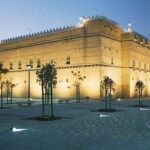
Here’s what makes this stop interesting: Bujairi Terrace is described as an upscale outdoor dining destination, with the view line toward At-Turaif. So even when you’re in a contemporary dining district, you’re still visually anchored to the mudbrick heritage behind it.
You’ll also have a chance to discover the terrace’s restaurant lineup. The information provided highlights that it includes over 20 new restaurants, with named examples such as:
- Bruno (award-winning)
- TATEL
- Hakkasan
- Long Chim
And a second set of famous openings you can look out for:
- Angelina Paris
- Brunch & Cake
- Café de L’Esplanade
- Flamingo Room by tashas
- Sarabeth’s
- Villa Mamas
Important for your expectations: this stop is framed as discovery. The tour doesn’t clearly say that a meal here is included as part of the package. What you should plan for is time to walk the area, take in the setting, and check out where you might want to return later on your own if you find a restaurant that fits your style.
Small-group advantage: because the group is limited to 5, you’re less likely to feel “herded” through a dining zone. You can stop for photos, ask questions about the area, and keep the day’s rhythm without a crowd pressure.
At-Turaif UNESCO site: the mudbrick power center
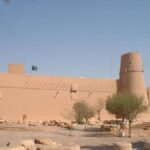
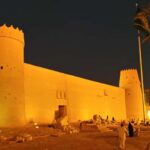
Then comes the centerpiece: AT-TURAIF, the UNESCO World Heritage Site of Historical At-Turaif.
This part is described in clear, high-impact terms:
- It was the royal residence of the First Saudi State
- It served as the seat of governance
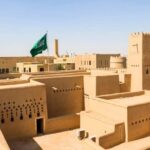
- It’s one of the world’s most historically significant and architecturally impressive mudbrick settlements
- It’s built in the distinctive Najdi style
So when you’re standing in At-Turaif, you’re not looking at a theme park version of the past. You’re seeing a settlement that tied daily life and authority together in mudbrick form.
What I’d pay attention to as you go:
- The shape and texture of the mudbrick structures, since the tour specifically calls out Najdi style
- The sense of organization that comes with a royal residence and governance seat (even if you don’t have a map in your hand)
- The scale: mudbrick can feel “small” from a distance, but at a governance site, the spaces tend to communicate hierarchy and function
Drawback to keep in mind: the tour is 6 hours total, and At-Turaif is a major stop. If you want extended photo time, or you’re someone who always reads every sign, you may feel the schedule tight. The small group helps, but it doesn’t turn this into a half-day wander.


Optional Najd Saudi lunch: a chance to slow down (if it’s open)
If you want more than a sightseeing-and-photo rhythm, there’s an optional lunch: Saudi Lunch at Najd traditional Saudi top restaurant.
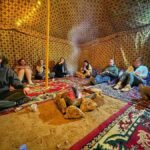
This is positioned as a convenient meal stop with heritage and atmosphere, and it’s described as offering traditional Saudi meals in seating inspired by the ancient past of Saudis.
I like this option because it gives you a cultural “reset” mid-tour. After a site like At-Turaif, it’s nice to shift from interpretation to appetite. Also, lunch time is where you can ask the guide to recommend what to order based on what you already saw—again, useful context.
One caution: the tour information makes lunch optional, but in at least one reported booking, restaurants were closed and lunch didn’t happen as planned. So if lunch is a key part of your plan, build in flexibility and keep your expectations realistic.
Price and value: what $300 per person buys
The summary price is $300 per person for a 6-hour tour, with a small group limited to 5 participants. That means your cost is paying for more than a driver. You’re paying for:
- Hotel transfers in a modern air-conditioned van
- An English-speaking tour leader/driver
- Entrance fees
- Service charges and taxes
- And the option to customize your itinerary to your preferences
Is $300 “cheap”? No. But is it always unreasonable? Not necessarily.
Here’s how to judge value for you:
- If you hate group chaos and want a guide who can keep attention and answer questions, the small group can justify the cost.
- If you’re using this as your “heritage orientation” day—Diriyah for the early state story, then At-Turaif for UNESCO mudbrick governance—there’s real on-the-ground educational payoff.
- If you mainly want a quick photo stop and don’t care about context, you might feel the price more than the experience.
Also pay attention to currency fluctuations and booking rates. One review highlighted that the cost felt very high when priced at about 508€ for two people. So if you’re traveling as a pair or family, it’s worth checking whether the per-person price matches what you’re actually getting during that time window (including whether lunch plans are realistic on your day).
Logistics you’ll actually feel during the day
A few practical notes that can make or break the experience:
- Name-sign pickup: your driver will be waiting with a sign of your name, so you avoid the stress of scanning the lobby.
- English guide + car narration: you’re not just dropped at entrances; you should get explanations while you travel.
- Air-conditioned van: in Riyadh, that matters. You’ll appreciate not spending your whole day in the heat.
- Entrance fees included: you won’t need to negotiate entry costs mid-day.
- Tipping not included: so if you like to tip, factor that into your budget.
And yes, the biggest risk isn’t the itinerary—it’s timing. In one unhappy booking report, a site was closed and restaurant stops were affected, and the day didn’t go as expected. That’s not something you can fix, but you can reduce your stress by staying flexible and keeping your schedule clean for that day.
Who this tour fits best
This is a great match if you:
- Want a guided, interpretation-heavy day rather than a self-guided drive
- Like UNESCO sites, especially when the guide explains how architecture connects to governance and society
- Enjoy the blend of heritage and modern lifestyle—Diriyah/At-Turaif plus a terrace where big-name restaurants gather
- Prefer small group movement over big bus tours
It might be less ideal if you:
- Expect a long, slow, museum-style pace (this is 6 hours)
- Care primarily about eating at specific restaurants at Bujairi Terrace, since the tour’s meal portion is optional elsewhere
- Are extremely price-sensitive for a short day with only a few stops
If you’re traveling with someone who loves photos, this day is good. You’ll get multiple “look up, look around” angles: historic zones at At-Turaif and the modern terrace perspective.
Should you book Al Diriyah Tour?
I’d book it if you want a focused heritage day with a guide who helps you understand what you’re seeing—Diriyah as the early state story, then At-Turaif as the UNESCO mudbrick governance center, with Bujairi Terrace as a pleasant change of pace.
But before you commit, do a quick reality check for your own priorities:
- If lunch is important, make sure you’re okay with it being optional and subject to day conditions.
- If you’re paying close to the high end, confirm you’re getting the full value: entrance fees covered, guide time, and the exact stops you care about.
- If you’re risk-averse and hate delays, keep your next-day plans flexible.
Given the small group size and the heritage weight of At-Turaif, this tour can be a strong value when it runs on schedule—and a frustrating one if something is closed on the day. Choose based on what you can flex.
FAQ
What locations does the Al Diriyah tour include?
The tour includes Diriyah (Historical Diriyah), Bujairi Terrace, and At-Turaif, which is a UNESCO World Heritage Site.
How long is the tour?
The tour lasts 6 hours.
What is the group size?
It’s a small group limited to 5 participants.
How do I meet the tour leader or driver?
They will be waiting for you holding a sign with your name. You do not need to look for them.
Is there an English-speaking guide?
Yes. The tour leader/driver speaks English (and Arabic is also available).
Are entrance fees included?
Yes, entrance fees are included.
Are hotel transfers included?
Yes, all transfers are by a modern air-conditioned van from your hotel in Riyadh.
Is lunch included?
Lunch at Najd traditional Saudi top restaurant is described as highly recommended and optional. It is not listed as part of the standard included items.
What about tipping?
Tipping is not included.
What’s included in the price besides the tour itself?
The included items are transfers, an English-speaking tour leader/driver, entrance fees, and all service charges and taxes.
FAQ
What languages are supported?
The tour lists English and Arabic.
Is wheelchair access available?
Yes, the tour is wheelchair accessible.
Is cancellation free, and how far in advance?
Free cancellation is offered up to 24 hours in advance for a full refund.
Can I reserve first and pay later?
Yes, it offers reserve now & pay later.
How flexible is the itinerary?
It offers flexibility to customize your itinerary to your own preferences.