REVIEW · RIYADH
Riyadh : Diriyah Historic
Book on GetYourGuide →Operated by Tour & Trip · Bookable on GetYourGuide
Mudbrick streets in Saudi start here. This 3-hour guided trip from Riyadh takes you into Diriyah, where the At-Turaif District (UNESCO-listed) helps you picture the kingdom’s early days in a very tangible way.
I love two things in particular: the small group size (max 6), which makes it easier to ask questions, and the mix of sights plus breaks—especially the chance to enjoy Arabic coffee, dates, and local food around Bujairi.
One possible drawback: you should expect a fair bit of walking, and Riyadh heat can be intense during the day—so plan your clothing and shoes like you mean it.
In This Review
- Key points to know before you go
- Getting from Riyadh to Diriyah without the headache
- What makes At-Turaif District so important (and how to see it well)
- Mudbrick streets: what you’ll notice once the guide points it out
- Bujairi Terrace: culture, coffee, dates, and a more human pace
- Bab Samhan Hotel: Najdi feel in an old-school setting
- Hanifa Valley views: a scenic reset for tired legs
- Price and value: is $195 worth it?
- Guides matter: Mohammed and Sara set the tone
- Practical stuff: what to wear, bring, and respect
- Who should book this Diriyah heritage tour?
- Should you book this tour? My take
- FAQ
- How long is the Riyadh: Diriyah Historic tour?
- Is pickup and drop-off included?
- What languages are the guides?
- What group size is this tour?
- What should I bring or wear?
- Is the tour suitable for very young children or older adults?
Key points to know before you go
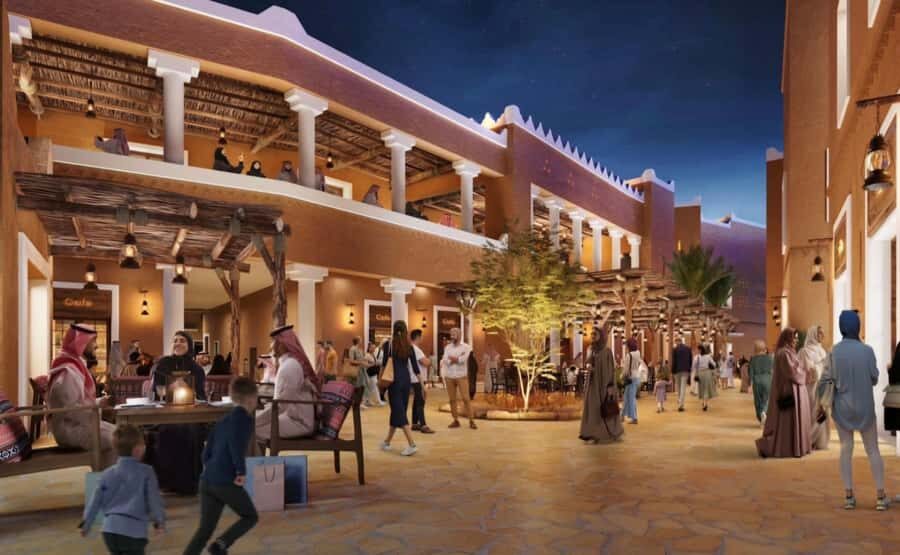
- UNESCO At-Turaif District: mudbrick architecture tied to the Emirate of Diriyah and early Saudi statehood.
- Real guide time with English and Arabic: you’ll get narration and context, not just a stop-and-snap routine.
- Bujairi Terrace culture and dining: a more social, street-level side of Diriyah for coffee, dates, and food.
- Bab Samhan Hotel: a taste of Najdi feel in an old-style setting.
- Hanifa Valley scenery: a calmer moment after the denser heritage areas.
- Max 6 people: easier pacing and more personal attention.
Getting from Riyadh to Diriyah without the headache
This tour is built for convenience. You’re picked up in Riyadh, and you also return to Riyadh at the end. Pickup is complimentary when it’s arranged, which matters because Diriyah is not something you want to “wing” on your first trip—especially if you’re thinking in terms of timing and not just distance.
The tour runs about 210 minutes total (a little over 3 hours). That’s a sweet spot: long enough to cover the core heritage areas with explanation, short enough that you’re not stuck sightseeing all day in the sun.
You’ll also have one small comfort detail done for you: water is included. It sounds basic, but in Riyadh Province it’s the difference between a fun walk and a slow, sweaty shuffle.
You can also read our reviews of more historical tours in Riyadh

What makes At-Turaif District so important (and how to see it well)
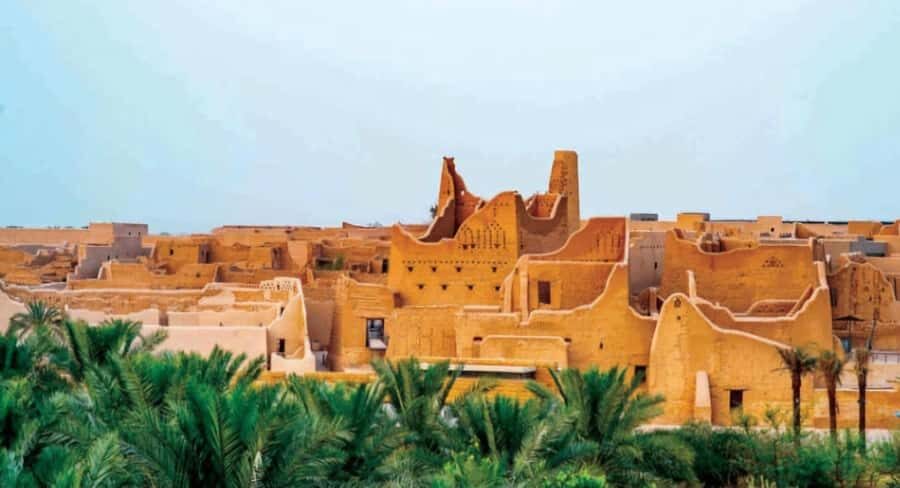
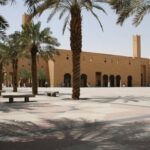
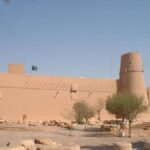
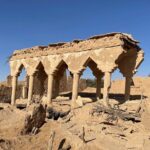
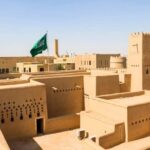
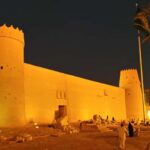
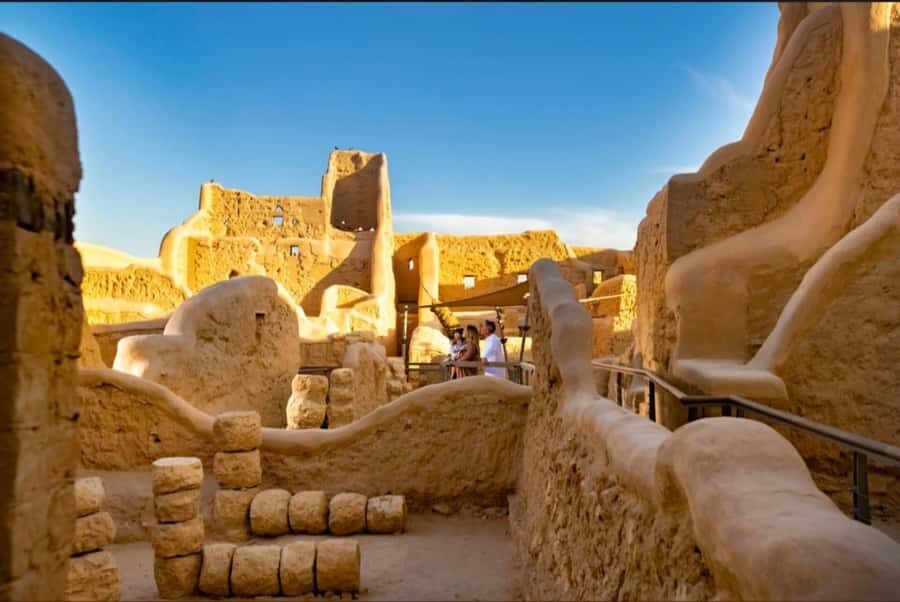
At-Turaif is the headline. This mudbrick area is part of a UNESCO World Heritage listing, and it’s tied to Diriyah’s role as the capital of the Emirate of Diriyah—often described as the first Saudi state.
What I like about seeing At-Turaif on a guided tour is that the place isn’t just “old buildings.” You get help reading the site: why the city took this shape, how the mudbrick construction worked as a living system, and how the streets and structures connect to the story of early Saudi Arabia. When you know what you’re looking for, the walls start telling you something.
Plan to walk. Expect uneven textures and narrow spaces. If you’re the type who likes to linger for photos, go for it—but do it without slowing down the group to a crawl. The tour pace is designed to fit the time you’ve got.
Mudbrick streets: what you’ll notice once the guide points it out
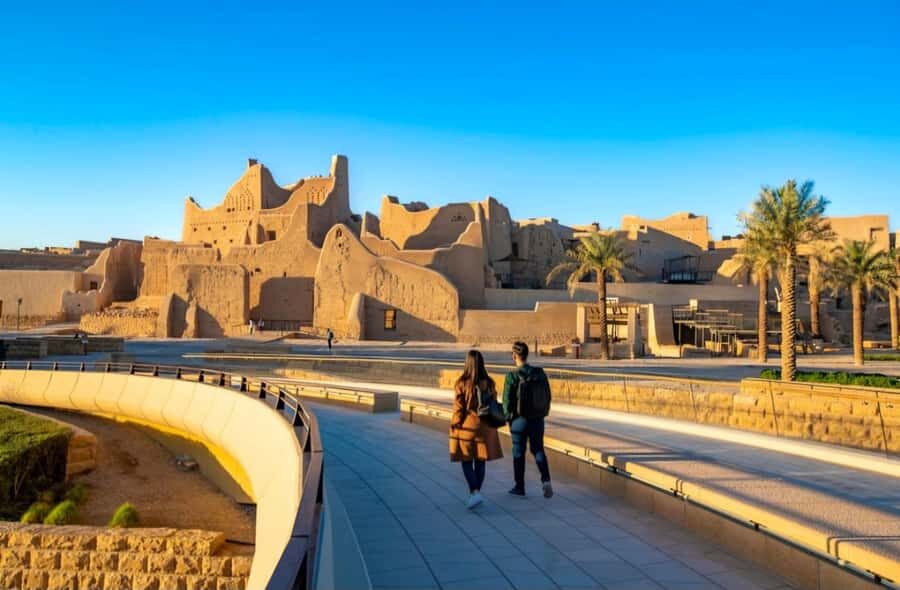
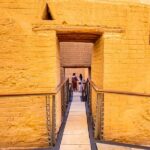
In places like At-Turaif, your first impression might be “wow, it’s old.” With a good local guide, that becomes “wow, it was engineered for life here.”
You’ll likely spend a chunk of time in the core heritage area, then continue on to other parts of Diriyah. The magic is in the handoff: you see the architecture, then you move into nearby cultural spaces where the story continues in daily form.
Two practical tips help you get more out of it:
- Wear comfortable, grippy shoes. This is not the time for fashion sneakers that only handle sidewalks.
- Bring your phone battery. You’ll want photos, and you’ll also want to capture details while you’re being guided.
Bujairi Terrace: culture, coffee, dates, and a more human pace
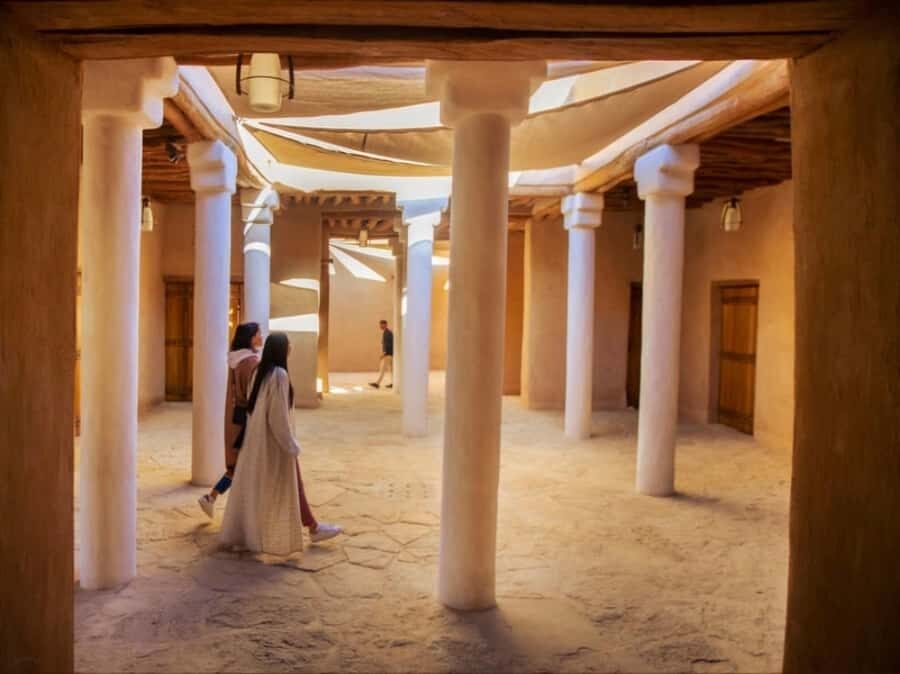
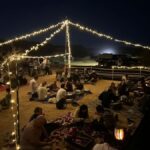
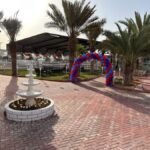
After the UNESCO site, the energy shifts. Bujairi Terrace is where Diriyah turns from “historical site” into “living culture.” It’s known as a place for culture and distinctive dining, and it’s also a strong moment for people who want a break from constant walking.
This is where you’ll appreciate the tour’s timing. Your feet need recovery after the denser heritage areas, and Bujairi gives you that calmer rhythm. It’s also a good time to taste local treats. In past tours, people have highlighted time to enjoy Arabic coffee, dates, and local foods—exactly the kind of pause that makes the history stick instead of bouncing off your brain.
If you’re thinking about what kind of photos to take, focus on people and texture here: the terrace vibe, food moments, and the everyday details that don’t fit in a UNESCO photo set.
Bab Samhan Hotel: Najdi feel in an old-school setting
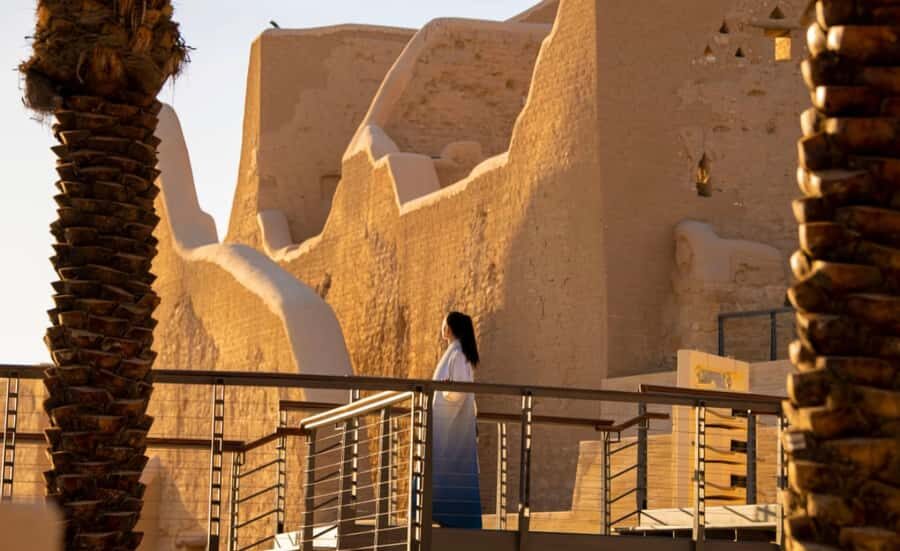
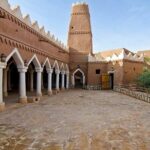
You’ll also have time connected to Bab Samhan Hotel, described as an authentic Najdi experience. Even if you’re not spending hours inside, the area’s style adds a layer you won’t get from architecture alone.
Why it matters: historical sites can sometimes feel like museums. A Najdi-style stop helps you reconnect the past to the way people actually live—through hospitality, design, and the feel of a place rather than only its official importance.
Keep your expectations flexible. You’re there to experience the atmosphere and the local mood, not to check off an endless list of rooms.

Hanifa Valley views: a scenic reset for tired legs
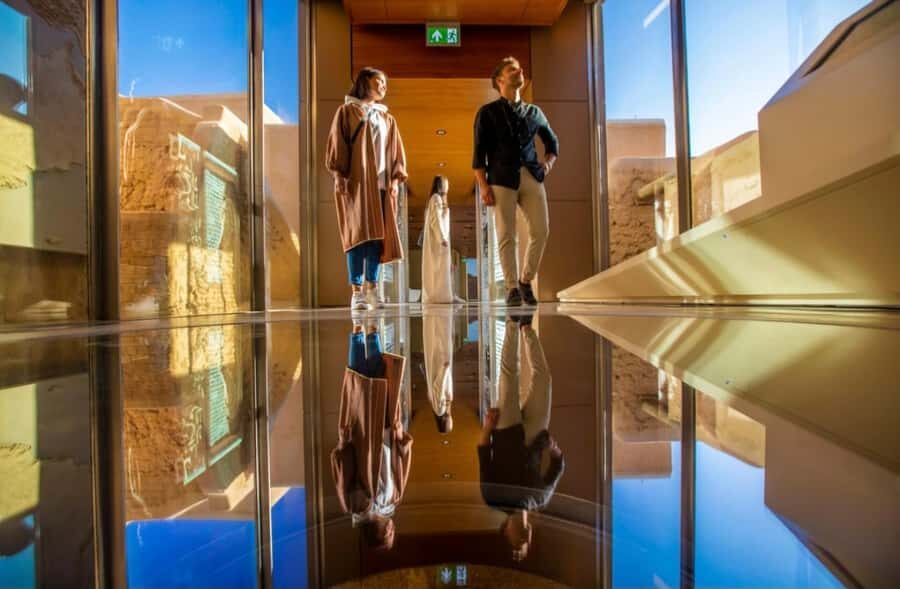
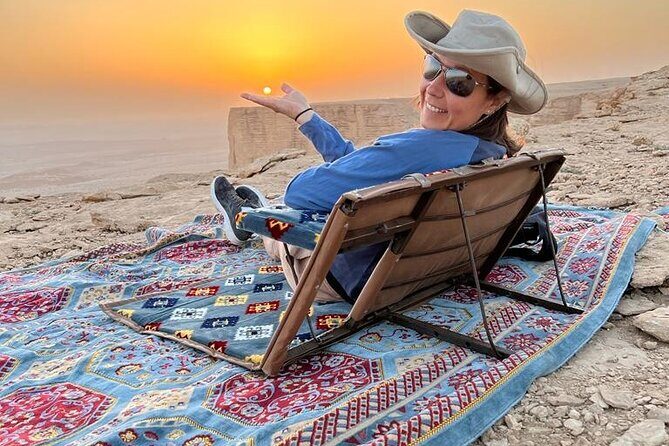
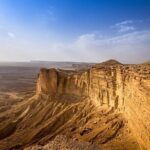
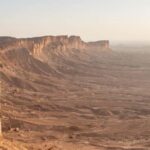
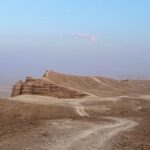
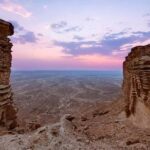
Diriyah is also about space and surroundings, not only buildings. The tour includes the Hanifa Valley area, which is a nice reset after the tight, heritage-focused walking.
This part of the experience works for two types of travelers:
- If you love photos, you’ll usually appreciate the wider views.
- If you just want a breather, this is your moment.
It’s also a good time to hydrate again and adjust your clothing for temperature changes. Riyadh can swing between hot days and cooler evenings, so layered modest clothing and sun protection can keep you comfortable longer.
Price and value: is $195 worth it?
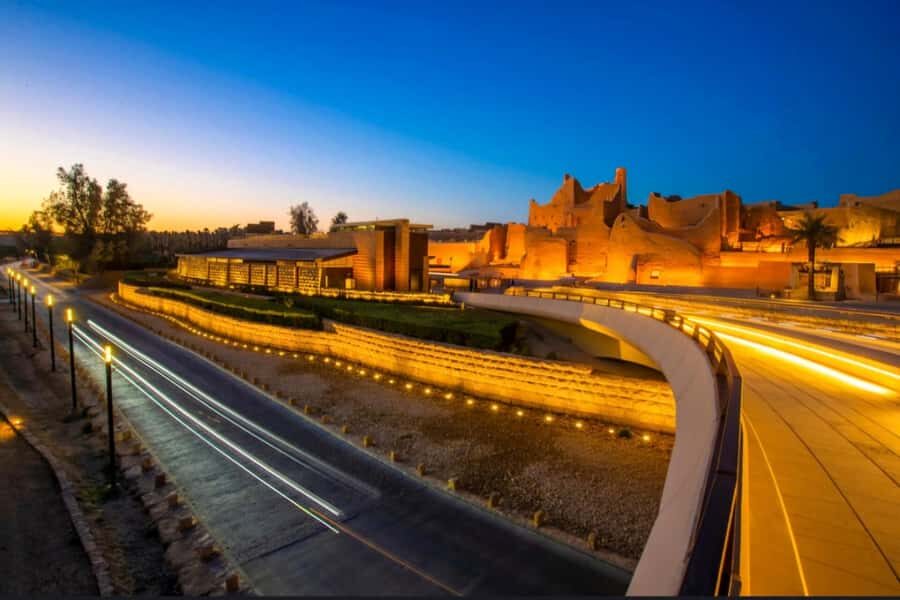
At $195 per person, this tour isn’t a bargain-basement outing. But it also isn’t trying to be. You’re paying for three main things:
1) A local expert guide (Arabic and English), which is what turns At-Turaif from “old walls” into a coherent story.
2) A small group setting (max 6), so you’re not rushed or lost in a crowd.
3) Pickup and drop-off within Riyadh when arranged, plus water.
If you’re the kind of traveler who likes context—why a place looks the way it does—this price makes more sense. If you prefer to wander independently with an audio app and you already know Diriyah’s background, you might find it easier to DIY.
For most visitors, though, the guide-driven format is the point. And the small-group limit tends to show in the overall experience quality.
Guides matter: Mohammed and Sara set the tone
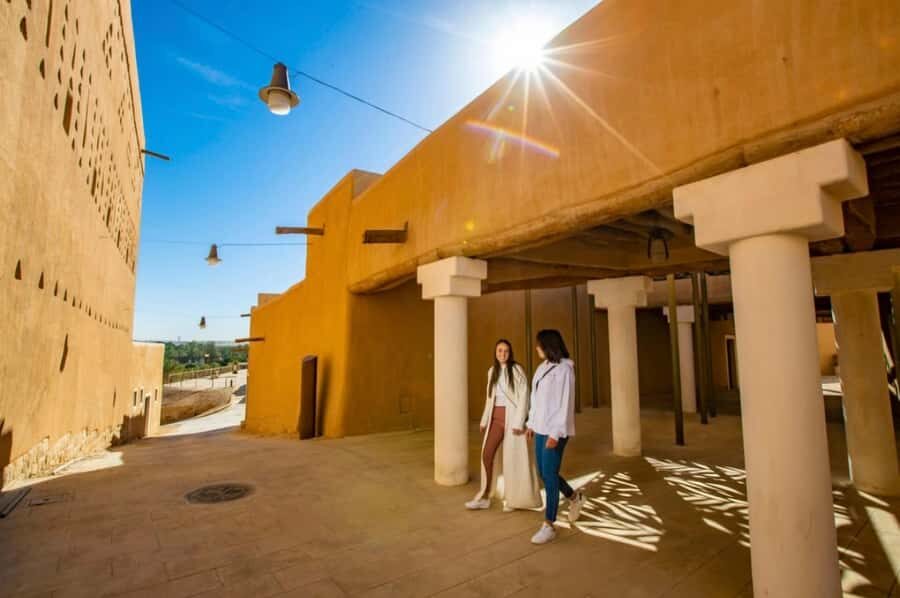
The strongest pattern from high ratings is not just that the guide talks—it’s that the guide connects. In these tours, Mohammed and Sara are repeatedly credited for being kind, communicative, and prepared, with clear explanations that cover culture, religion, and history.
What that means for you: if you’re curious and you ask questions, the guide can meet you there. It’s also why people mention feeling welcome. In a place where local customs matter, a guide who knows the rhythm of respectful interaction helps you relax and enjoy.
When you book, choose the time slot that best matches your energy. A small group tour runs best when you can fully participate instead of fighting fatigue.
Practical stuff: what to wear, bring, and respect
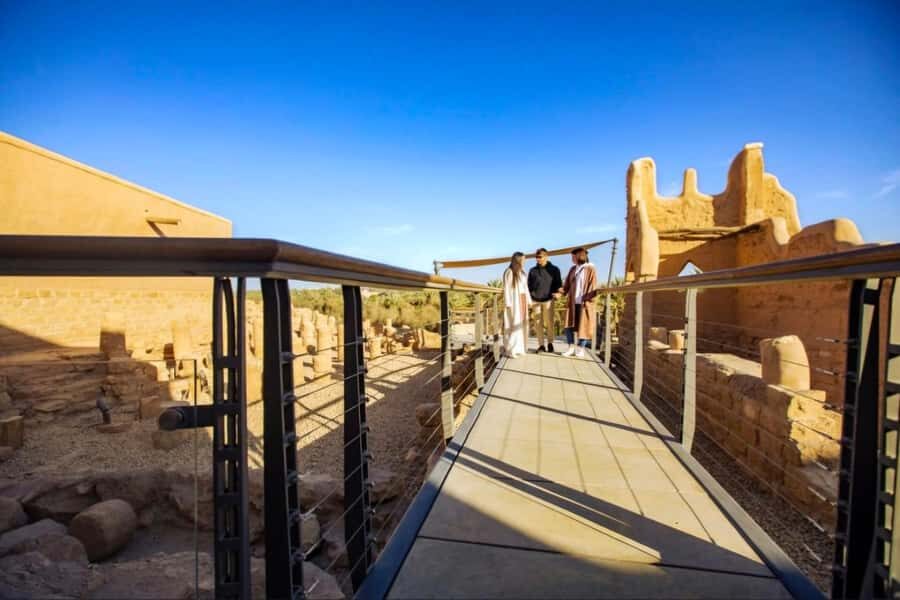
This is a modest-dress situation. Bring comfortable clothes and dress respectfully, especially around religious sites. Riyadh daytime heat is real, so you’ll want comfortable walking shoes plus sun protection.
The tour’s own guidance is worth following closely:
- Carry sunscreen, and consider a wide-brimmed hat and sunglasses.
- Stay hydrated (water is included, but you’ll still sweat).
- Bring a mobile battery pack so you don’t lose your photos mid-walk.
Also note the rules: no alcohol and no drugs.
Who should book this Diriyah heritage tour?
This works best for:
- First-time visitors who want Saudi origins explained clearly
- People who prefer small groups and question-friendly guides
- Travelers who like a mix of major heritage sites and cultural stops
- Anyone who appreciates a coffee-and-dates break rather than sprinting from point to point
It might not be ideal for:
- Anyone who struggles with walking, even at a casual pace (you’ll be on your feet)
- Very young children, since it’s not suitable for babies under 1 year
And there’s a clear age limit at the top end: it’s not suitable for people over 95.
Should you book this tour? My take
If your main goal is to understand Diriyah instead of just photographing it, I’d book this. You get the UNESCO At-Turaif District context, plus the cultural counterweight of Bujairi Terrace and the Najdi-feel stop at Bab Samhan. Add in Hanifa Valley scenery, and you’ve got a balanced 3-hour mix.
If you hate walking, or if you’re traveling without the flexibility to handle sun and modest clothing, I’d reconsider and plan a different day (or a shorter, lighter format). Otherwise, this is a strong choice for seeing the birthplace story in a way that actually makes sense.
FAQ
How long is the Riyadh: Diriyah Historic tour?
The tour duration is 210 minutes, about 3 hours and 30 minutes.
Is pickup and drop-off included?
Pickup and drop-off in Riyadh are complimentary, but they’re described as upon arrangement.
What languages are the guides?
The live tour guide speaks Arabic and English.
What group size is this tour?
It’s a small group limited to 6 participants.
What should I bring or wear?
Wear comfortable, modest clothing and comfortable walking shoes. It also helps to bring sunscreen, a wide-brimmed hat and sunglasses, and a mobile battery pack.
Is the tour suitable for very young children or older adults?
It’s not suitable for babies under 1 year and not suitable for people over 95 years.