REVIEW · RIYADH
From Riyadh: Diriyah UNESCO Heritage Tour
Book on GetYourGuide →Operated by Gray Line UAE & OMAN · Bookable on GetYourGuide
Diriyah can feel like Saudi Arabia’s origin story, not a museum. This 4-hour heritage outing takes you to Ad-Diriyah, the birthplace of the first Saudi Kingdom, inside the UNESCO-listed zone of Najdi architecture. You’ll spend time walking the historic grounds—then head back toward Riyadh, where you can spot how fast the modern capital is growing.
I like this stop for its directness: you get hotel pickup/drop-off plus site entrance, so you’re not hunting transport or tickets on your own. I also like that the drive itself adds context, since you pass through the broader Riyadh area and learn where Ad-Diriyah sits along the Wadi Hanifah dry riverbed (water runs only after big rains).
One thing to consider: this experience can run closer to a transfer with an entry ticket than a fully guided walk. In some accounts, people noted there was little on-site guiding, plus construction-related closures at the most interesting sections—so if you want deep narration, you may want to plan to ask the driver up front or do a bit of pre-reading.
In This Review
- Key highlights that make this worth your time
- The 4 hours from Riyadh: how the timing really works
- The drive to Ad-Diriyah and the Wadi Hanifah setting
- Entering the UNESCO zone: Najdi architecture you can actually read
- What you’ll explore on the ground: palaces, alleyways, and the old mosque
- The history lesson that actually matters: Najd capital and early statehood
- Price and value: when it makes sense (and when it doesn’t)
- “Tour” vs “transfer”: how to get the best out of this style
- Who should book this Diriyah-from-Riyadh visit
- Practical tips so your 4 hours feel smooth
- Should you book this Diriyah UNESCO Heritage Tour from Riyadh?
- FAQ
- How long is the Diriyah heritage tour from Riyadh?
- What’s included in the price?
- What’s not included?
- How far do you drive from Riyadh to Diriyah?
- What languages are available for the driver?
- Is there free cancellation?
- Can I reserve without paying right away?
- Is the tour fully guided at the UNESCO site?
Key highlights that make this worth your time
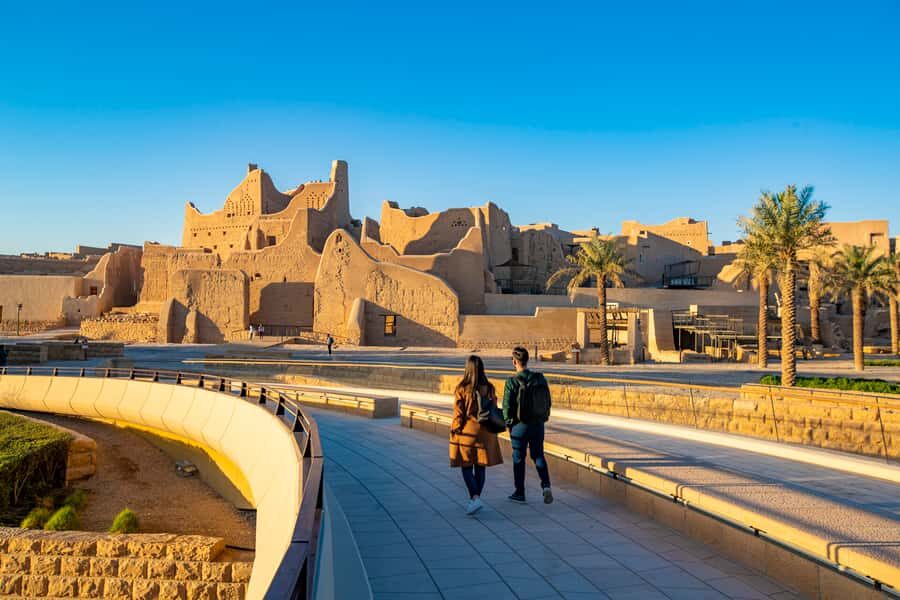
- UNESCO World Heritage (2010): Ad-Diriyah is listed for its Najdi architecture—mud-brick form, blocky wind-tower silhouettes, and the way the old city layout still reads.
- A short, practical trip: A 30-minute drive each way fits neatly into a half-day schedule without eating your whole day.
- Historical location, not just scenery: The town served as a capital of Najd from the 15th century into the early 18th century.
- Trade and pilgrimage crossroads: The area sat on older routes linking parts of Asia, Africa, and Europe.
- Riyadh’s growth backdrop: On the ride back, you can often look for clues of the city’s planned expansion over the next decade.
The 4 hours from Riyadh: how the timing really works
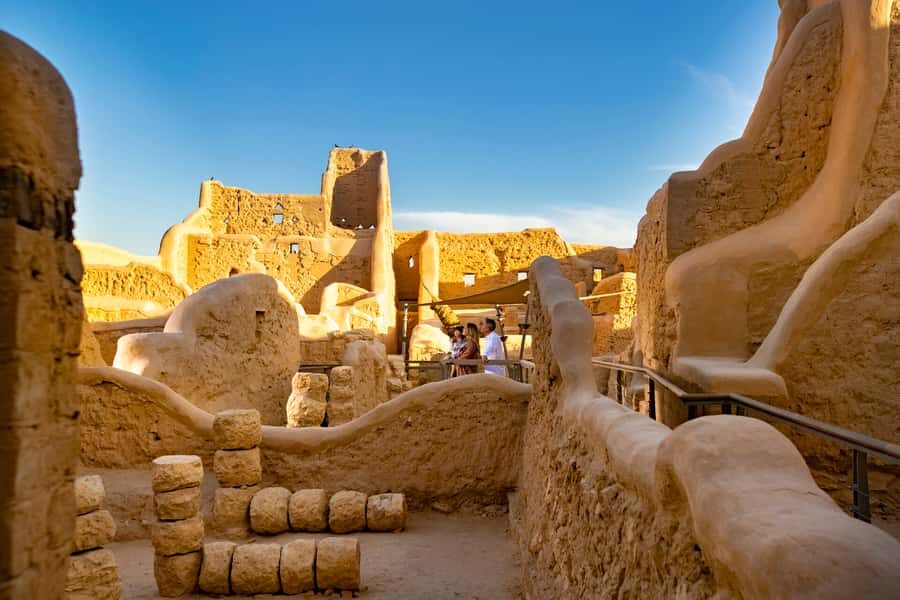
This outing is built around a simple rhythm: pick up in Riyadh, drive out, spend your time at Dirriyah (Ad-Diriyah), then return. The drive is about 30 minutes one way, with the rest of the time focused on exploring the historic zone.
That structure matters, because Diriyah is best approached with the mindset of “walk, look, understand what you’re seeing”—not “cover everything in one perfect loop.” If some palaces or passages are closed due to ongoing work, you’ll still have enough time to wander major corridors and take in the architecture styles that made the place UNESCO-worthy in the first place.
Also, because it’s only 4 hours total, it’s not the kind of outing where you want to arrive stressed. Give yourself a little buffer before pickup so you’re not rushing once you get there.
You can also read our reviews of more historical tours in Riyadh


The drive to Ad-Diriyah and the Wadi Hanifah setting
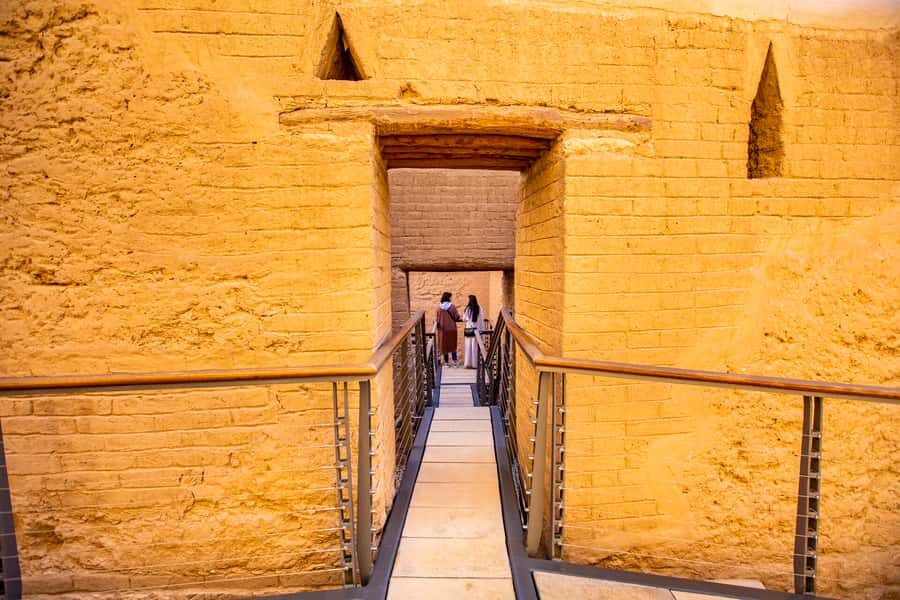
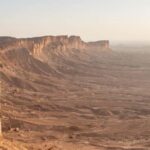
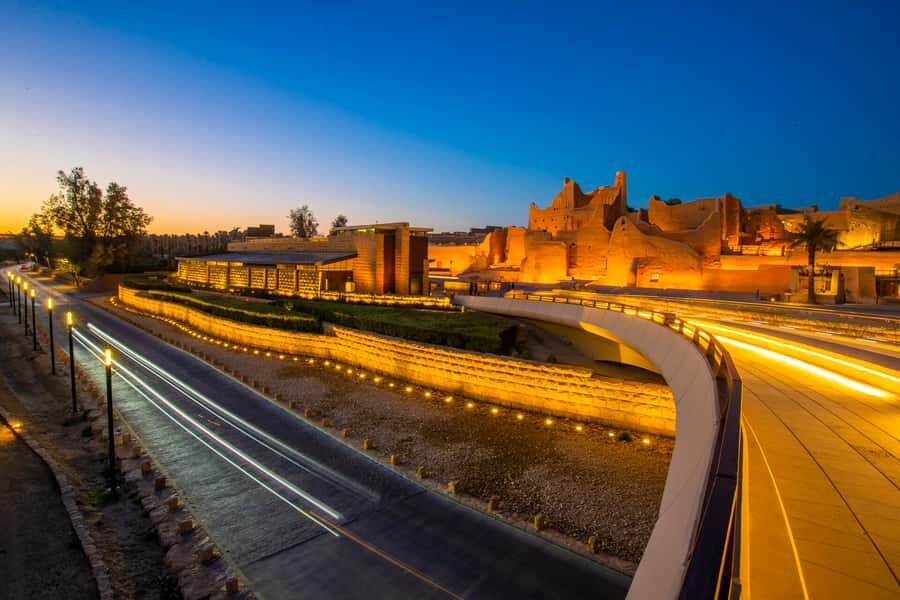
Part of the value here is the “where is this, exactly?” context. Ad-Diriyah sits on the western bank of Wadi Hanifah, described as a dry riverbed—meaning it’s typically dry, with water flowing only after major rainfall.
Why you should care: that detail helps you understand why the old settlement patterns made sense in a land shaped more by arid rhythms than constant waterways. You’re not just looking at old walls; you’re seeing how people built where water was limited and movement was driven by routes, stops, and seasonal realities.
As you leave Riyadh, you’ll also get a view of modern planning. On the way back toward downtown, the driver notes Riyadh’s rapid development, including plans to grow into a major regional metropolis in the coming decade. Even from the car, it’s a good mental contrast: the world that built the first Saudi Kingdom side-by-side with the future Saudi capital.
Entering the UNESCO zone: Najdi architecture you can actually read
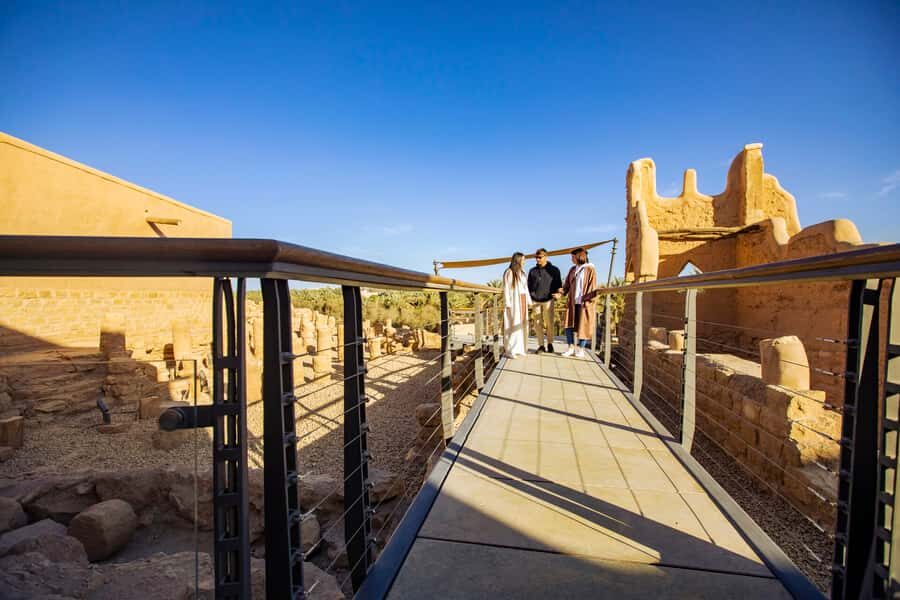
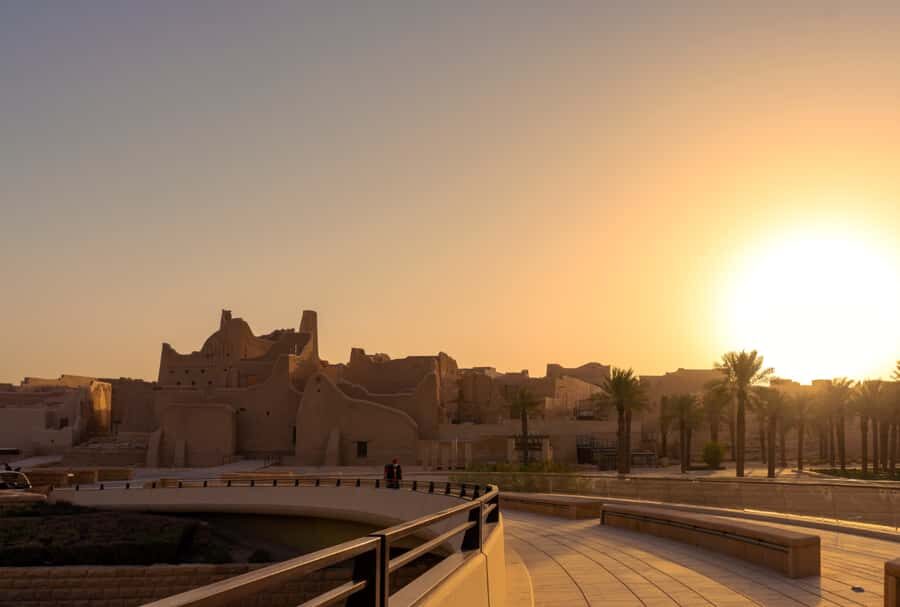
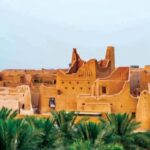
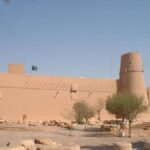
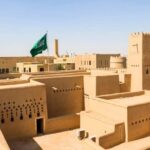
The UNESCO listing isn’t for a single monument—it’s for a whole architectural language. Ad-Diriyah is recognized as the “most brilliant example” of Najdi architecture, which is a fancy way of saying the style is coherent, legible, and historically meaningful.
Here’s what you should train your eyes to spot as you walk:
- Mud-brick textures and massing: Many buildings feel thick and fortress-like, not light and decorative.
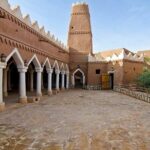
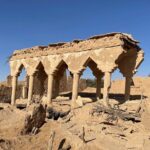
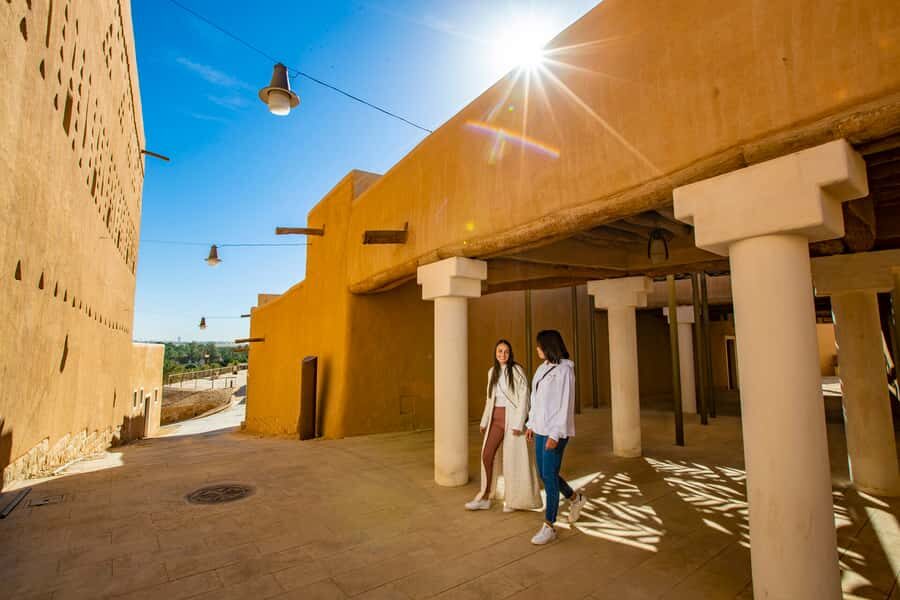
- Old-city layout: Alleyways and passageways help the city feel lived-in, even if you’re seeing it partly in ruins.
- Palace forms and fortification logic: The way spaces cluster gives you a sense of power, family life, and control of movement.
If you end up doing the visit with minimal commentary, that’s still okay. You can get a lot out of the architecture by looking for patterns: where the city opens, where it narrows, and how walls and openings guide movement. You’re basically decoding an older “map” made out of stone, mud, and space.
What you’ll explore on the ground: palaces, alleyways, and the old mosque
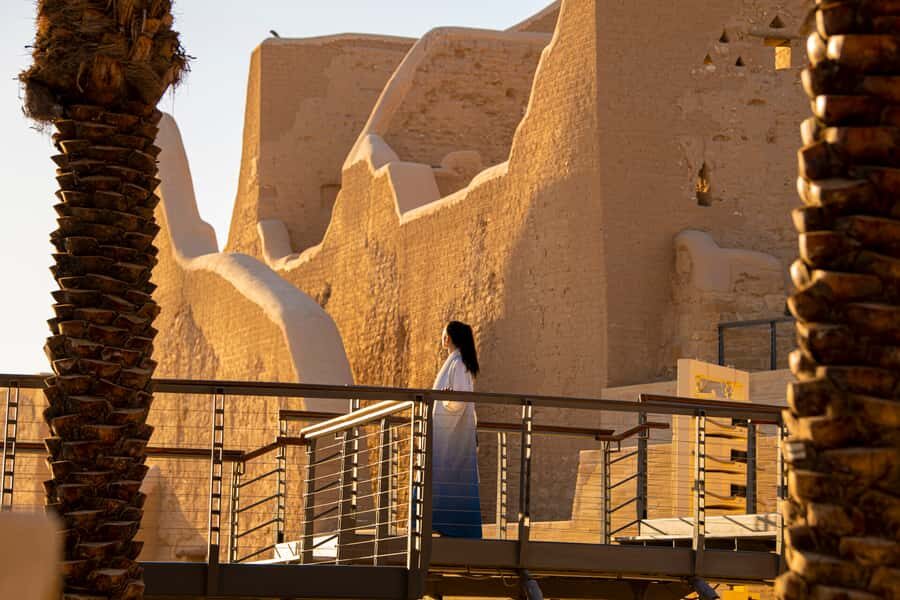
The highlight areas are the heart of the old settlement. Expect to spend time around the alleyways, palaces, and the old mosque area within the historic site.
Even without a detailed guide, the way the buildings sit will give you clues:
- Palace zones can help you connect the place to its status as the birthplace of the first Saudi Kingdom.
- Alleyways show how everyday movement worked—narrow corridors, shaded edges, and the way the city turns corners rather than offering big open panoramas.
- The old mosque area gives a different kind of reading—more about communal life and religious continuity than defensive architecture.
One practical note: construction has been reported during some visits, and that can mean parts of the most interesting palaces or sections are closed. If you see barricades, don’t waste time backtracking in frustration. Instead, shift your walking toward the open corridors and outer structures—you’ll still get the architectural story.
The history lesson that actually matters: Najd capital and early statehood
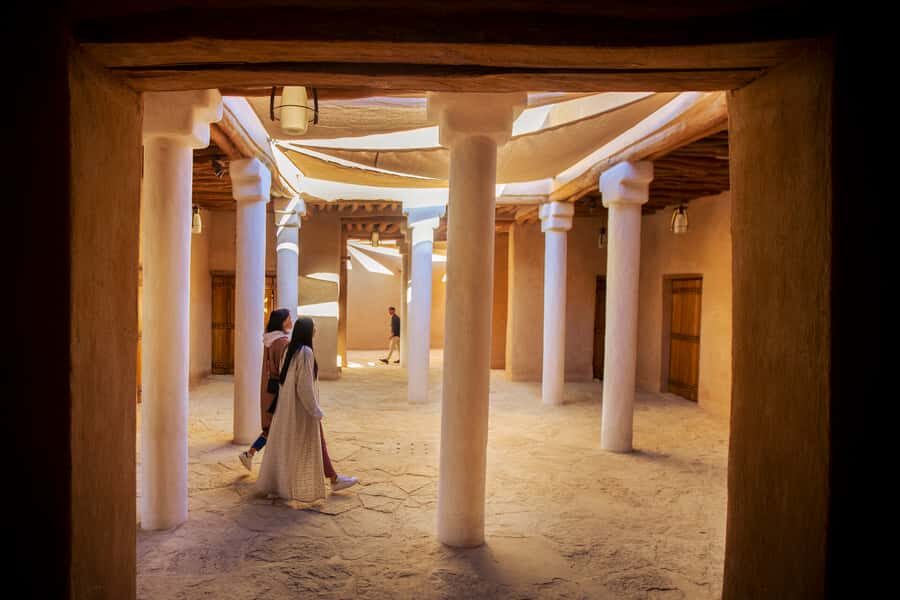
Ad-Diriyah mattered because it functioned as the capital of Najd from the 15th century until the beginning of the 18th century. That date range is your shortcut to understanding why the city feels “important” in a way that goes beyond aesthetics.
It was also positioned on older trade and pilgrimage routes, acting as a meeting point for travelers moving between Asia, Africa, and Europe. That’s a big deal because crossroads cities accumulate more than goods—they absorb languages, crafts, and building influences over time.
So when you’re standing in Dirriyah looking at architectural forms, you’re really looking at an urban center that sat at the intersection of politics and movement. UNESCO recognizes the architecture, but the city’s role helps you understand why that architecture developed as it did.





Price and value: when it makes sense (and when it doesn’t)
This outing is priced at about $57 per person and includes entrance plus pickup/drop-off. That can be fair value if you get more than transportation—especially if your driver provides meaningful orientation and helps you make sense of what you’re seeing.
But here’s the honest reality: some accounts describe it as basically a taxi ride to Diriyah with drop-off and entry, with little or no guided walking at the UNESCO site. Other accounts describe a standout guide experience, including one named Rakan, praised for being extremely welcoming and helpful.
So your decision comes down to what kind of experience you want:
- If you’re happy to use your own phone/maps and you mostly want the chance to see the architecture up close with an entrance ticket handled, this can be a good, time-friendly option.
- If you expect a true guided heritage walkthrough at At-Turaif-style core areas and detailed explanations throughout, the risk is you’ll feel it’s overpriced for what ends up being mostly transfer service.
A practical move: before you go, do a quick check of expected entry pricing for Dirriyah and compare that to what you’d pay for a private ride. If entry + transport is roughly in line, you’re paying mainly for convenience.
“Tour” vs “transfer”: how to get the best out of this style
Because the experience can vary in how much guiding you get, you’ll get more value if you treat the driver like your first resource.
When you meet your driver:
- Ask what the main open sections are right now (especially if there’s construction).
- Ask which areas you should focus on for architecture versus palace/fortification layout.
- If the driver offers language-based guidance, take it. Even short explanations help you connect what you’re seeing to why UNESCO cared.
Then, on-site, use the architecture-first approach. When you’re on the ground, don’t rely on big “tour moments.” Look for the shapes and patterns. Even with limited narration, you can still build a clear mental picture of what Najdi architecture looks like in a living urban layout.
Who should book this Diriyah-from-Riyadh visit
This works best if you:
- Want a half-day heritage plan that doesn’t blow up your schedule.
- Care about architecture and urban layout more than a long lecture.
- Prefer a simple setup—pickup, entrance, and a return ride—rather than figuring logistics from scratch.
It might not fit if you:
- Want uninterrupted, highly structured guiding and deep context at every stop.
- Are visiting specifically hoping to see every single palace interior and segment, with the expectation that nothing will be closed.
Practical tips so your 4 hours feel smooth
Food isn’t included, so plan for that. The site visit is time-limited, and you don’t want to spend your best walking hours hunting for snacks.
A few smart habits:
- Wear comfortable shoes. The experience is built around walking among historic streets and structures.
- Expect some areas to be closed if there’s ongoing work. When that happens, shift your route instead of getting stuck.
- Bring water if you need it. The data only says food and drinks aren’t included, so you should assume you’ll be responsible for your own.
- If you like history, do a little reading before you arrive—knowing that Ad-Diriyah was Najd’s capital makes what you see click faster.
If English is your preference, you can book with an English-speaking driver. Arabic is also an option, depending on the assignment.
Should you book this Diriyah UNESCO Heritage Tour from Riyadh?
I’d book it if you want an efficient way to get to Ad-Diriyah with entrance handled and you’re excited by Najdi architecture and historic urban layout. The time limit is also a plus: you get a heritage hit without sacrificing your whole day in Riyadh.
I would hesitate if your dream version of Diriyah is a fully guided, detailed heritage walk throughout the UNESCO core with no gaps. Since some experiences describe it more like a transfer than a tour, double-check what you value more: convenience or deep guiding.
If you go, go with the right expectations. You’ll still end up with a clear sense of why UNESCO protected this place—and you’ll walk away with a stronger mental picture of Saudi origins, not just photos.
FAQ
How long is the Diriyah heritage tour from Riyadh?
The duration is listed as 4 hours.
What’s included in the price?
Pickup and drop-off from your hotel area, driver assistance, and entrance to Dirriyah are included.
What’s not included?
Food and drinks are not included.
How far do you drive from Riyadh to Diriyah?
You drive about 30 minutes to reach Ad-Diriyah.
What languages are available for the driver?
The driver assistance is listed in English and Arabic.
Is there free cancellation?
Yes. You can cancel up to 24 hours in advance for a full refund.
Can I reserve without paying right away?
Yes. You can reserve now and pay later.
Is the tour fully guided at the UNESCO site?
The activity information focuses on driver assistance, and experiences may vary. Some visits have been described as mostly drop-off with entry, so if you want detailed guiding during the walk, it’s smart to ask the driver what guidance you can expect once you arrive.