REVIEW · MEDINA
Al Madinah: City Sightseeing Hop-On Hop-Off Bus Tour
Book on GetYourGuide →Operated by City Sightseeing Worldwide · Bookable on GetYourGuide
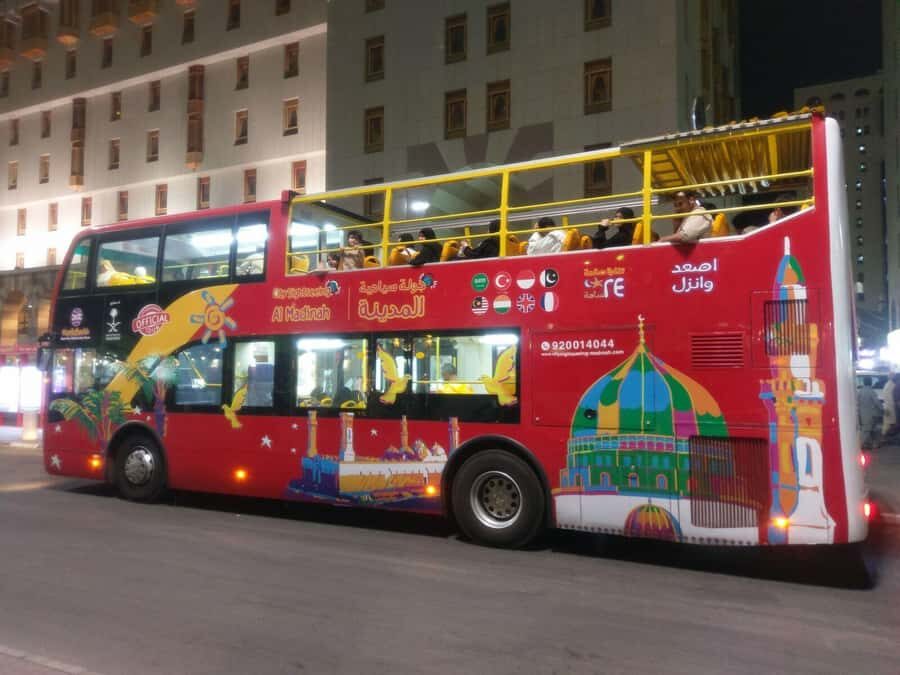
Getting your bearings fast helps in any holy city. This open-top, hop-on hop-off bus tour makes Al Madinah’s highlights easy to reach in one day, with two routes and 24-hour flexibility. I like the fact that the buses are open-top double-deckers, so you can scan streets and landmarks without constantly checking maps. I also like the built-in audio commentary in 16 languages, which turns road time into useful context. The one thing to weigh: some stops involve walking and site time, and entry isn’t included, so you’ll need to plan around what you want to pay for separately.
If you structure your day around the loop timing, this is a smart value play. You can ride, get off, explore, then jump back on at any of the stops. Just keep in mind that one of the listed stops is affected by construction right now, so you’ll want a Plan B if that museum stop matters to you.
In This Review
- Key things to know before you ride
- Planning Your Day Around the 6am–1pm and 4pm–12am Runs
- Price and What $22 Really Covers (and What It Doesn’t)
- Green Route: Al Masjid an Nabawi, Baqi’, and the City Gate View
- Al Masjid an Nabawi (start point for many riders)
- Al Baqi’
- Al Manakha Square
- Al Salam Gate
- Red Route: Uhud, the Trench, Quba, and the Qiblatain Mosque
- Uhud Battlefield
- Al Noor Mall: the practical reset stop
- Abu Bakr, Al Saddiq Road (Sultanah Road listed)
- Al Qiblatain Mosque
- The Trench Battlefield
- Quba Mosque
- Al Hijaz Railway Station (Hijaz Railway Museum area is not accessible)
- Quba Square
- Onboard Audio in 16 Languages: How to Use It Without Tuning Out
- Headphones, Open-Top Decks, and the Simple Pleasure of Seeing From Above
- Important Reality Checks: Entry Fees, Food, and the Construction Detour
- Who Should Book This Hop-On Hop-Off Bus Tour
- Should You Book It? My Take for a One-Day Plan
- FAQ
- How long does each route take?
- Is the ticket valid for more than one day?
- How often do the buses run?
- How many stops are included in total?
- Are audio headphones included?
- Do I need my passport or ID?
- Is entry to the sights included?
- What languages are available for the audio commentary?
- Is the Hijaz Railway Museum stop accessible right now?
Key things to know before you ride
- Two routes, 12 stops total: Green and Red split the city’s biggest sights so you don’t waste time backtracking.
- 60 minutes per route loop: The timing is tight enough to see a lot, but loose enough to hop on and off.
- Every 30 minutes: You’re not stuck waiting long between your favorite stops.
- 16-language audio with headphones: Road noise drops away and you can follow the story as you ride.
- Stop 11 is currently inaccessible: The Hijaz Railway Museum area is unavailable due to construction.
Planning Your Day Around the 6am–1pm and 4pm–12am Runs
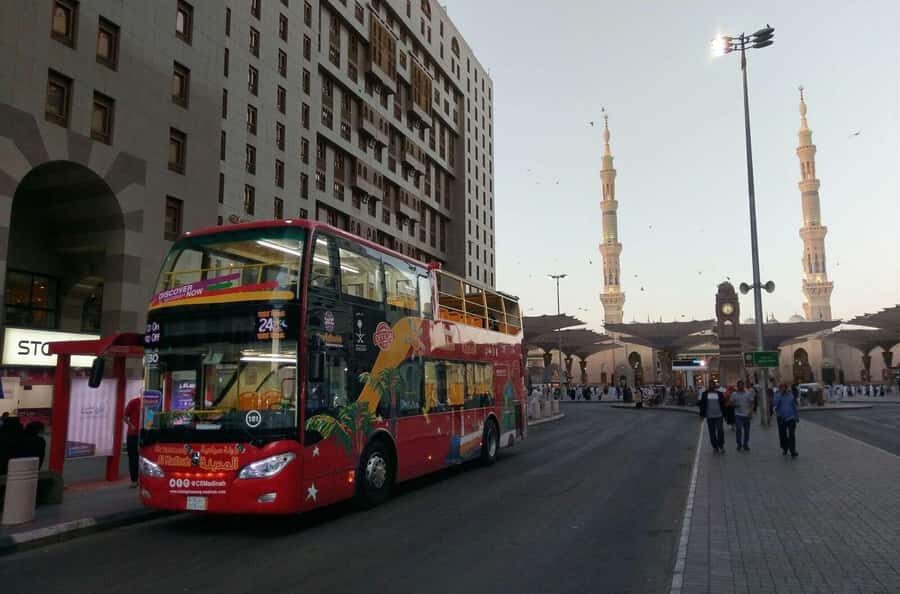
This tour is built around two service windows. In the AM shift it runs from 6am to 1pm, then the PM shift runs from 4pm to midnight. Buses come about every 30 minutes, and each full route loop takes about 60 minutes, which is key for planning.
Here’s the practical way to use that: pick one route as your “must-see” backbone, then use the second route as your flexible add-on. If you’re starting early, do the route that matches your priorities first, then return later for the rest while the buses keep cycling. If you’re starting later, the PM window still gives you enough time to hop off at multiple stops, as long as you don’t get stuck only browsing one location for too long.
Also note the meeting logic is simple: while the first listed stop for the Green Route is Almasged Alnabwi, and the first listed stop for the Red Route is Uhud Battlefield, you can board at any stop. That’s helpful if you’re already near a landmark or you’re timing your day around prayer times and your own pace.
You can also read our reviews of more city tours in Medina
Price and What $22 Really Covers (and What It Doesn’t)
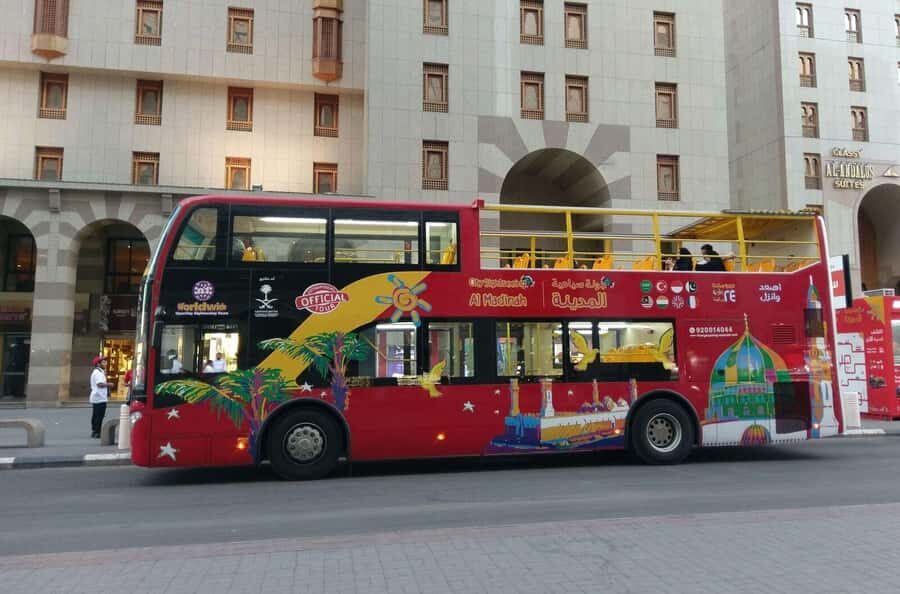
At $22 per person for a 1-day ticket, this is mainly paying for transport plus interpretation. You’re getting access to the 24-hour hop-on hop-off service, with 12 stops across two routes, plus onboard audio and basic onboard comforts like headphones and Wi-Fi.
What isn’t included is just as important. Food and drink aren’t covered, and entry to sites isn’t included either. So think of this as a fast, structured way to get you to the right places, not as a full ticket package to everything you’ll see once you step off.
Value improves if you use hopping to match your interests. If you want architecture, you can focus on Al Masjid an Nabawi and nearby stops. If you want military history, you can build your day around Uhud and the Trench Battlefield. If you want a break, Al-Noor Mall gives you a change of pace without losing access to the rest of the route.
Green Route: Al Masjid an Nabawi, Baqi’, and the City Gate View
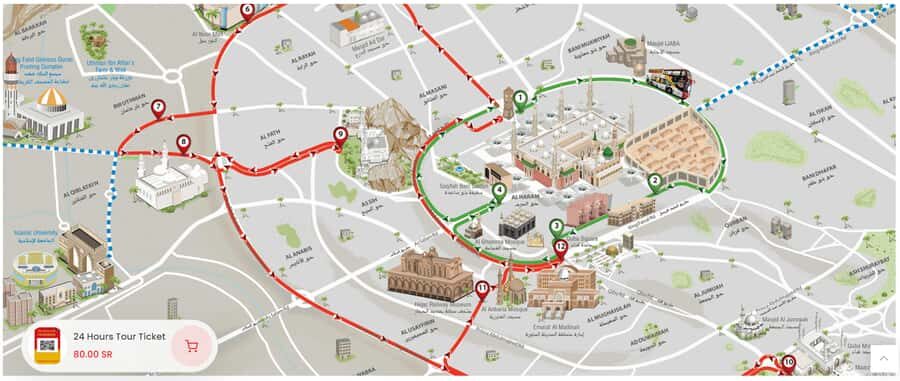
The Green Route is the “start here” feeling of the day because it centers on Al Madinah’s most magnetic landmark and nearby context. It includes four stops in total: Al Masjid an Nabawi, Al Baqi’, Al Manakha Square, and Al Salam Gate.
Al Masjid an Nabawi (start point for many riders)
This stop is the anchor. You’ll be able to enjoy the area right away, and the bus ride gives you a high, wide view as you approach. If you’re the type who likes to take in scale before you walk, the open-top deck helps you orient quickly before you head into the complex area on foot.
A practical tip: this stop works best when you’re ready to spend time. It’s not just a photo stop. Even if you don’t stay long, stepping off here early can help your brain map the rest of the day.
Al Baqi’
Next up is Al Baqi’, a significant cemetery where relatives and companions connected to Prophet Muhammad are buried. The value of hopping off at this stop is that the bus drops you right at a place that shapes much of Al Madinah’s spiritual and historical landscape.
One consideration: if you prefer quieter breaks between more intense sites, you might want to time this stop so you don’t cram it back-to-back with another emotional location. You’ll likely want a few minutes to slow down and observe without rushing.
Al Manakha Square
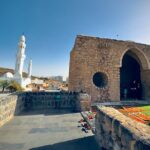
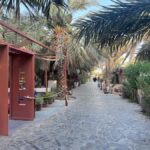
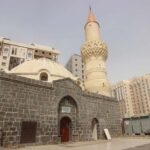
This is more of a “breather and street view” stop. Squares often help you reset because you can reorient, check your surroundings, and grab a moment to cool down or regroup before moving toward the gate area.
Think of it as a waypoint. If you’ve been riding a lot, it also helps to step out and feel the city’s rhythm for a bit rather than spending the entire day on board.
Al Salam Gate
Ending the Green Route at Al Salam Gate gives you that city-edge perspective. Gates can be a useful way to understand how neighborhoods and movement channels work, especially if you like to walk afterward and want to know which direction you’re moving.
If you’re building a walkable mini-loop after the bus, this is the stop where it’s easiest to figure out your bearings before you head back to other sights.
Red Route: Uhud, the Trench, Quba, and the Qiblatain Mosque
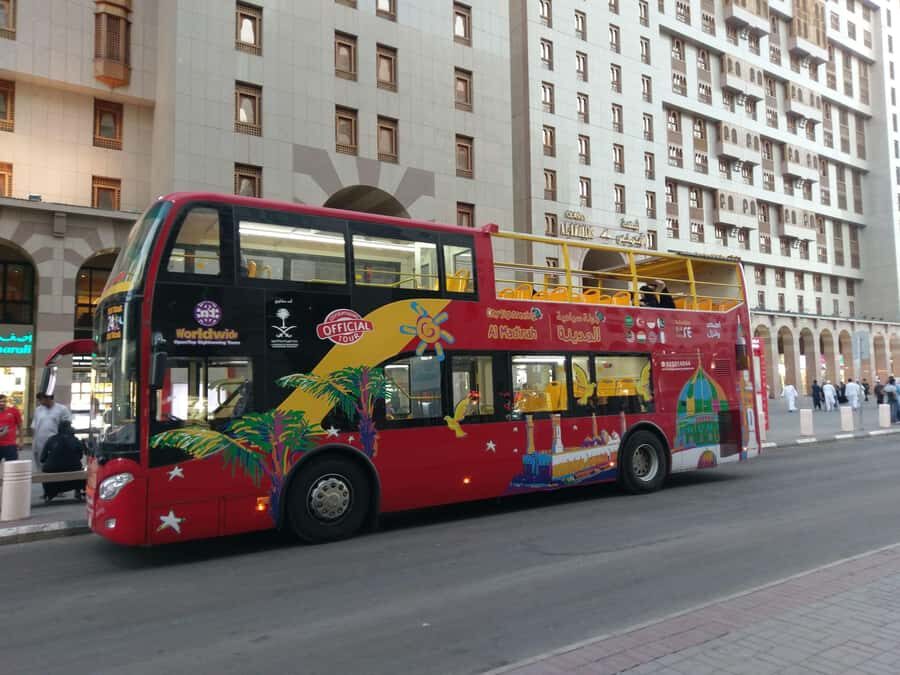
The Red Route packs more stops and leans harder into history and heritage. It includes: Uhud Battlefield, Al Noor Mall, Abu Bakr, Al Saddiq Road (listed stop), Al Qiblatain Mosque, The Trench Battlefield, Quba Mosque, Al Hijaz Railway Station, and Quba Square.
Uhud Battlefield
Uhud Battlefield is a heavy hitter for anyone interested in the major battles tied to the early Muslim community. Hopping off here from the bus is convenient because you’re taken straight to the historic ground without needing local navigation.
The open-top views help here, too. Even if you don’t spend all your time inside any formal interpretation space, you can understand why this terrain mattered. Plan for a respectful pace; battle sites are not like typical museum stops where you speed-read labels.
Al Noor Mall: the practical reset stop
This is where the tour becomes genuinely traveler-friendly. If your feet are tired or you need a break from constant walking, you can hop off at Al Noor Mall. It’s also a smart moment to grab water or a snack, since the tour itself doesn’t include food and drink.
I like this kind of stop because it keeps the day from turning into nonstop sightseeing. You can reset, regroup, and still get back on the bus to continue to more serious sites.
Abu Bakr, Al Saddiq Road (Sultanah Road listed)
This stop is essentially a city-street hinge. It can be useful if you want to see the surrounding road area from the sidewalk and connect your route planning to the next heritage sites. Since it’s not framed as a single named landmark in the stop list, treat it like a practical access point.
If you’re pressed for time, you might not need long here. If you enjoy street-level exploring, it can be a good moment to step out and observe the city as it lives, not just as it’s presented.
Al Qiblatain Mosque
Al Qiblatain Mosque is an important stop for its religious significance. The bus helps you get there in a straightforward way, and the audio can give you context while you’re still in transit.
Like many religious landmarks, it’s a place where your own pace matters. If you’re touring with questions on your mind, this stop is one where the audio narration can make your time on-site feel more connected.
The Trench Battlefield
This is another major battle-related location, paired with Uhud as one of the big two in this tour’s historic storytelling. The Trench Battlefield stop is especially valuable because it gives you access to a different part of the historical narrative rather than repeating the same theme.
A planning note: if you get off at both Uhud and the Trench Battlefield, treat the middle of the day as your buffer. That’s where Al Noor Mall works well as your reset.
Quba Mosque
Quba Mosque brings you from battle history back into religious heritage. It’s a strong stop for people who want a mix of meanings across one day: history, spirituality, and place.
I’d treat it as a “slow down” stop. Even with a short visit, it tends to shift your mindset, and that’s the point of mixing these stops instead of doing one single-topic day.
Al Hijaz Railway Station (Hijaz Railway Museum area is not accessible)
This is one of the few points where the tour needs a reality check. Stop 11 (Hijaz Railway Museum) is currently inaccessible due to construction work, and there is no access to the museum itself. That doesn’t ruin the day, but it changes how you should plan if rail history is a priority.
If you still get off at the general railway station area, you might find something to look at from outside, but the museum component is off the table for now. Build your schedule assuming you’ll move on fairly quickly from this stop.
Quba Square
Finishing with Quba Square gives you a more open, city-facing end. Squares are useful because they let you regroup and decide whether you want to continue exploring on foot or simply return to the bus for another route loop.
It’s also a good stop to use for practical logistics like checking your bearings before you head out to dinner or your next plan.
Onboard Audio in 16 Languages: How to Use It Without Tuning Out
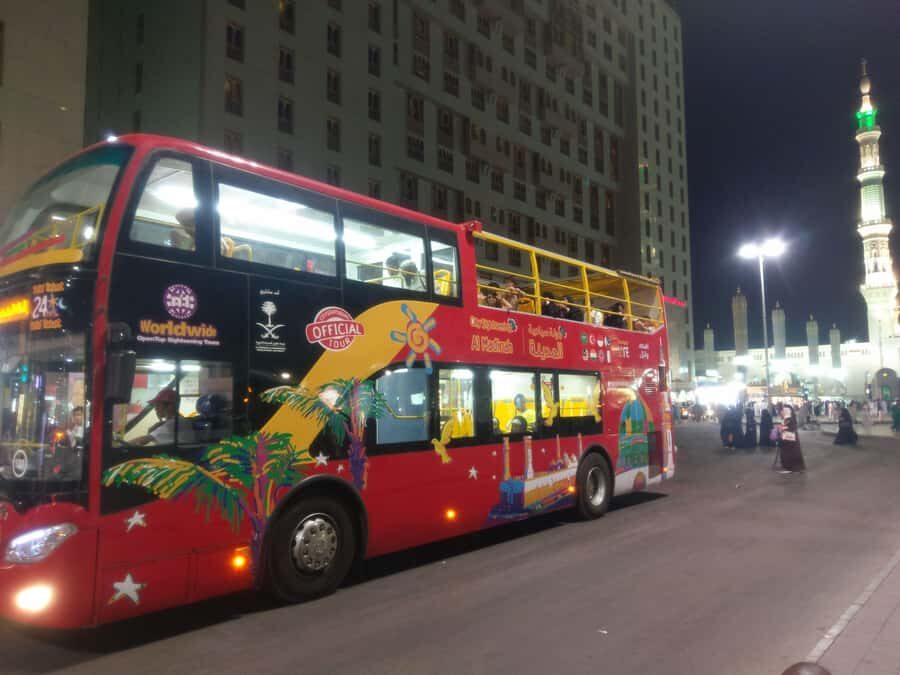
This tour’s best “hidden feature” is the onboard commentary in 16 languages, delivered through included headphones. Languages listed include Turkish, Urdu, English, French, Indonesian, Arabic, Spanish, German, Chinese, Russian, Malay, Persian, and Hindi.
Here’s how to make it work for you: don’t keep the audio on at full volume the whole time. Use it like a guided tour on demand. Listen as you roll into each stop, then turn it down or pause while you’re walking. You’ll remember more if your brain isn’t trying to do two jobs at once.
The Wi-Fi onboard is also handy. If you want to check prayer times, confirm walking routes between stops, or store quick notes for later, it’s there. Just remember you’re riding an open-top bus, so outdoor wind can change how comfortable it is to listen for long stretches.
Headphones, Open-Top Decks, and the Simple Pleasure of Seeing From Above
Open-top double-deckers are not just a marketing detail. In Al Madinah, streets can look similar block to block, and landmarks can appear suddenly. A higher viewing level helps you recognize where you are before you reach your stop.
Also, you’ll likely appreciate the way the bus keeps you moving between sites. You get that “see more with less stress” effect, especially if you’re spending a day that includes walking to multiple stops.
The one drawback is weather exposure. If it’s hot or windy, plan your time at each stop accordingly. Short visits and smart hopping can keep the day enjoyable rather than exhausting.
Important Reality Checks: Entry Fees, Food, and the Construction Detour
Two things are clearly on you. First, entry to sights isn’t included, so if a stop has a ticketed area, you’ll need to pay separately. Second, food and drink aren’t included, so you’ll want to bring water or plan for purchases off the bus.
The other reality check is construction. The tour’s listed Hijaz Railway Museum stop (Stop 11) is inaccessible right now, and the museum itself can’t be accessed. If rail heritage is part of your reason for doing this route, adjust your expectations ahead of time.
This is why hopping-on and hopping-off is valuable. You’re not committing to one fixed schedule. If you reach a stop and decide it’s not your priority today, you can simply re-board when the next bus comes.
Who Should Book This Hop-On Hop-Off Bus Tour
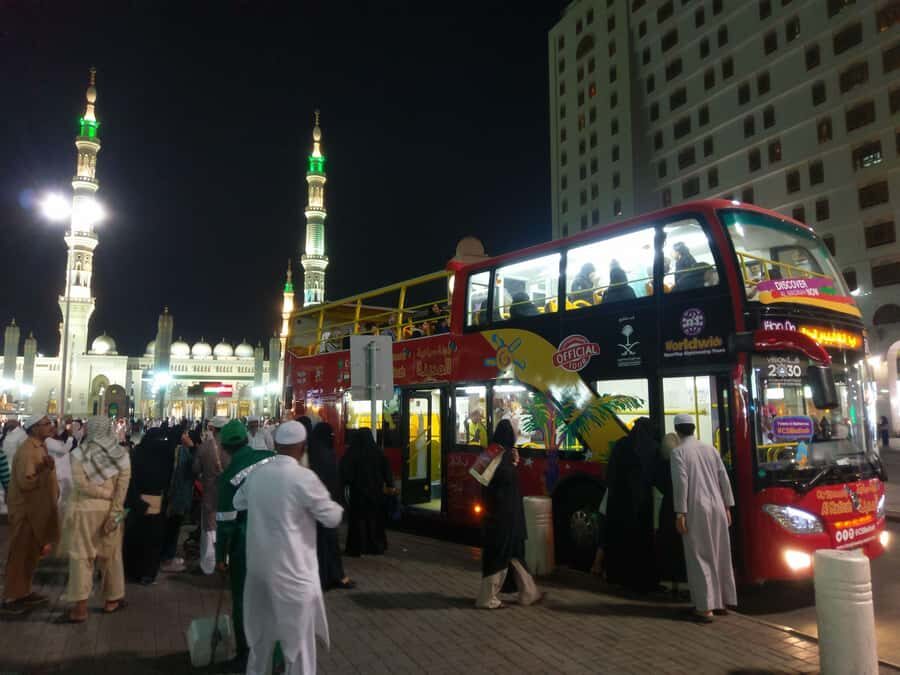
This tour fits well if you want structure without a strict itinerary. I think it’s especially good for:
- First-timers who need an easy way to get oriented to major Al Madinah sights
- People who like a mix of religious landmarks and battle history (Uhud and the Trench Battlefield)
- Travelers who prefer flexible pacing over a full guided walking day
- Anyone who appreciates context delivered by audio, in multiple languages
It may be less ideal if you already know exactly where you want to go and you’re comfortable using local transport. Also, if you specifically want to spend time at the Hijaz Railway Museum, this version won’t meet that goal right now because the museum is inaccessible.
Should You Book It? My Take for a One-Day Plan
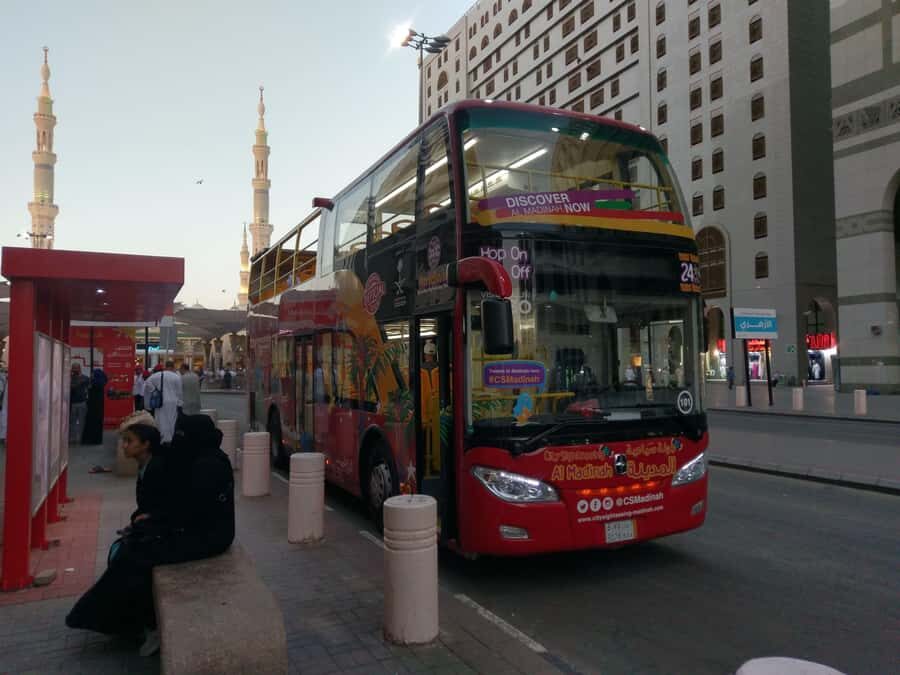
If you want a clean, practical day that connects Al Madinah’s biggest highlights with minimal stress, I’d book this. For $22, you’re buying transport, 12 hop-on hop-off stops, and narration in 16 languages over a full day ticket window. That combination is hard to beat when your goal is to see more than one neighborhood without getting lost.
If you’re more of a deep-research traveler who wants long, ticketed visits at each site, you can still use this bus as your delivery system. Just plan your own entries and snacks, and be ready to skip the museum area at Stop 11 due to construction.
FAQ
How long does each route take?
Each route has a full duration of about 60 minutes.
Is the ticket valid for more than one day?
No. It’s a 24-hour hop-on hop-off ticket for 1 day.
How often do the buses run?
Buses run about every 30 minutes.
How many stops are included in total?
There are 12 hop-on hop-off stops across the two routes.
Are audio headphones included?
Yes. Headphones are included.
Do I need my passport or ID?
Yes. You should bring a passport or ID card.
Is entry to the sights included?
No. Entry to sights is not included.
What languages are available for the audio commentary?
Audio commentary is available in Turkish, Urdu, English, French, Indonesian, Arabic, Spanish, German, Chinese, Russian, Malay, Persian, and Hindi.
Is the Hijaz Railway Museum stop accessible right now?
No. Stop 11 is currently inaccessible due to construction, and there is no access to the museum itself.