REVIEW · MEDINA
From Madinah: Half-Day Ziarah Tour
Book on GetYourGuide →Operated by Gray Line UAE & OMAN · Bookable on GetYourGuide
That first call to history comes from one rocky hill. This half-day Ziarah tour strings together key Madinah sites tied to the Battle of Uhud and the Qibla change, plus Quba and the Seven Mosques. It’s a practical way to see a lot without getting lost in sacred, fast-moving crowds.
I like the structure: you get a clear route—Uhud Mountain, then Masjid al-Qiblatayn, Quba Mosque, and finally the Seven Mosques—so each stop makes the next one easier to understand. I also like the support built in: transport from your Medina hotel, a driver escort, entrance fees included, and audio guiding in many languages.
One consideration: with a 4-hour runtime and five major stops, your time at each place can feel tight—especially if you want long prayer breaks or slow, detailed sightseeing.
In This Review
- Key highlights worth planning around
- 4 hours in Madinah: what the tour flow feels like
- Uhud Mountain and the martyr sites: why this hill matters
- Masjid al-Qiblatayn: the Qibla change, made understandable
- Quba Mosque: first mosque in Islam, and why timing can matter
- The Seven Mosques of al-Masajid as-Sab’a: following the trench story
- Guides, audio devices, and why this tour is easier than DIY
- Price and value: what $28 buys you in Madinah
- Practical tips that make the day smoother
- Who this tour fits best
- Should you book the Madinah Half-Day Ziarah Tour?
Key highlights worth planning around
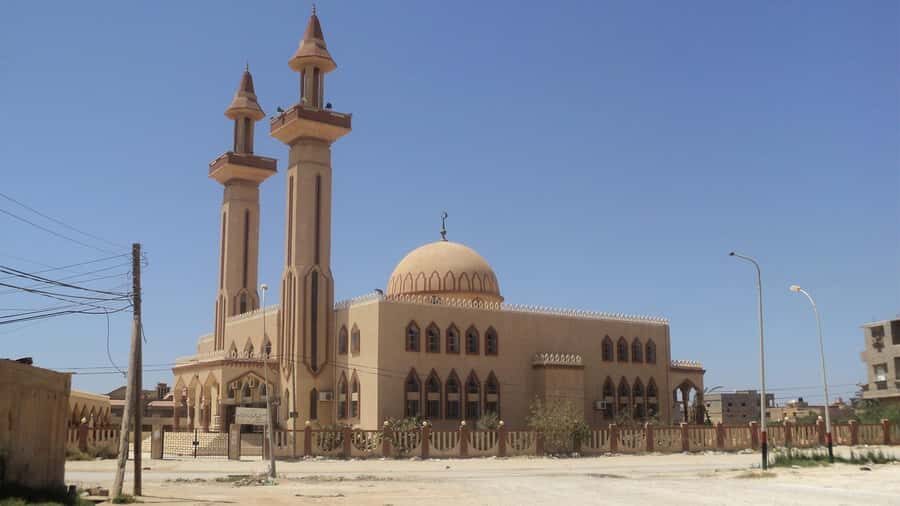
- Uhud Mountain and the martyrs tied to the Battle of Uhud, including Hamza ibn Abdulmuttalib (RA)
- Masjid al-Qiblatayn and the command for the Qibla shift from Al Quds to Makkah
- Quba Mosque as the first mosque in Islam, connected to the Prophet’s (SAW) arrival in Madinah
- Seven Mosques of al-Masajid as-Sab’a linked to positions used during the Battle of the Trench in 627 CE
- Multilingual audio guiding plus a live English/Arabic guide and driver escort
- Return transfer included so your day stays low-stress
4 hours in Madinah: what the tour flow feels like
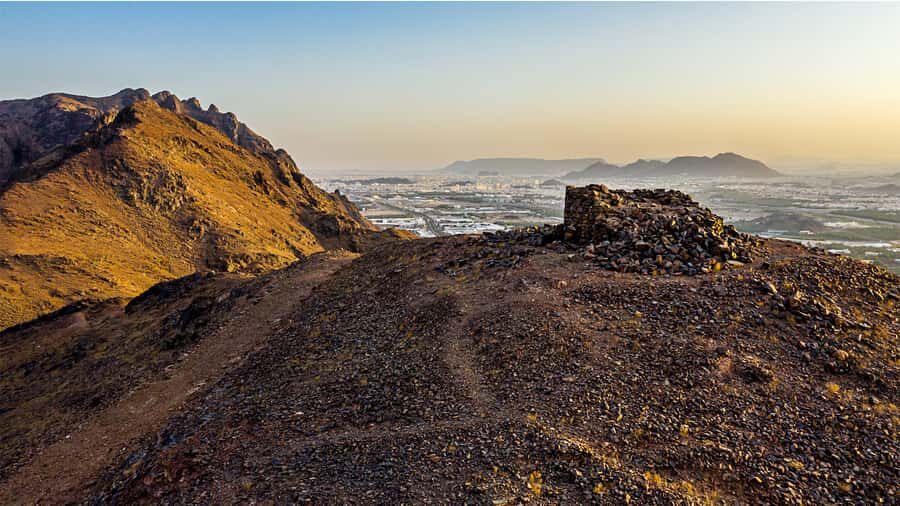
This is a short, focused tour built for people who want meaning, not just photos. In 4 hours, you’ll move through five major landmarks and cover a sweep of events that shaped early Madinah—Uhud, the Qibla shift, Quba’s origin story, and the trench defense.
The biggest advantage is pacing. You’re not trying to coordinate taxis, timing, and entry questions across multiple sites. With transportation and a driver escort included, you can spend your energy on reading the signs, listening to the audio, and keeping your attention on what the sites represent.
The tradeoff is time. Even if the stops are well organized, a half day can’t equal a full pilgrimage day. If your priority is lingering at one mosque or doing extra prayer time at multiple locations, you may find you’re waiting for the next beat of the route.
You can also read our reviews of more tours and experiences in Medina.
Uhud Mountain and the martyr sites: why this hill matters
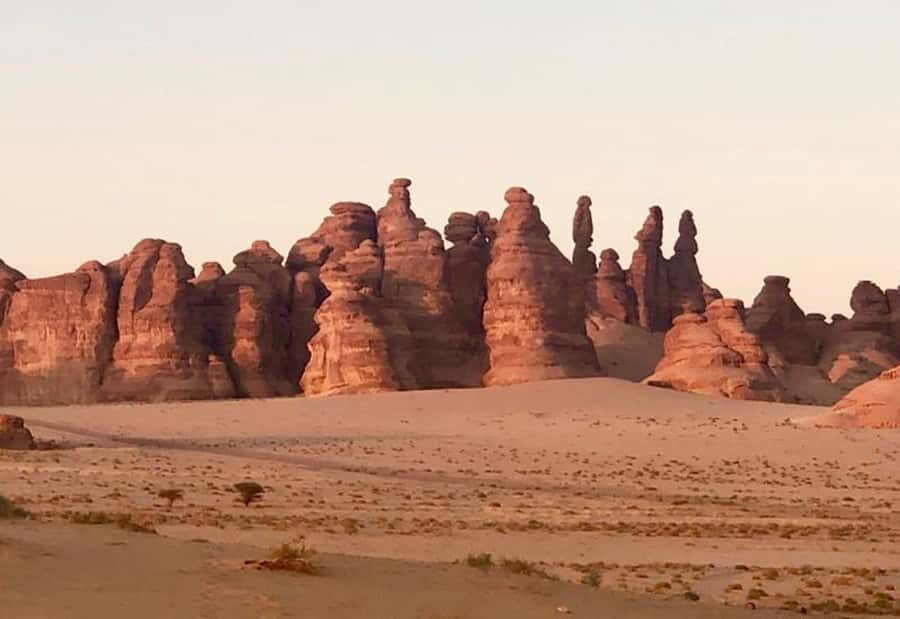
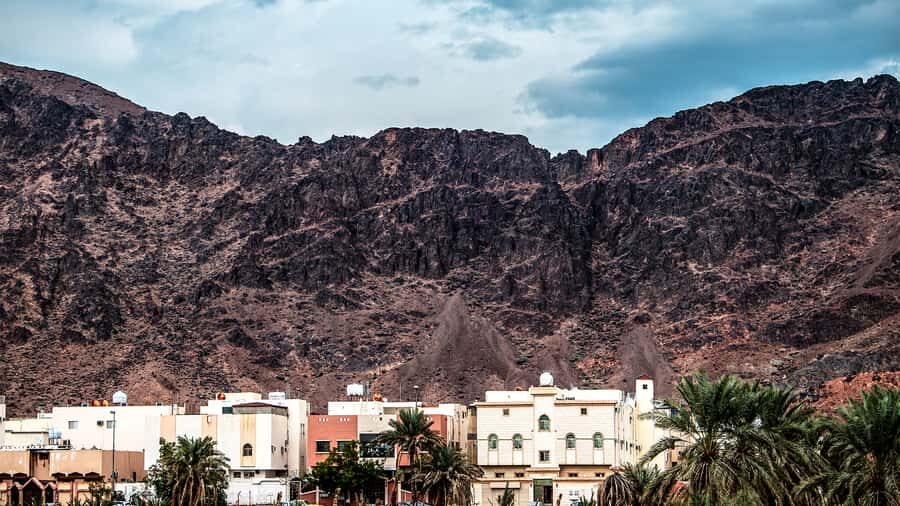
Uhud Mountain is the emotional anchor of the route. It’s named for how it sits apart from the surrounding mountains—isolated, with a strong sense of separation that fits the story attached to it.
At the foot of Uhud, one of the turning points of early Islamic history unfolded: the Battle of Uhud. This tour frames it clearly, including the fact that seventy companions were martyred, among them Hamza ibn Abdulmuttalib (RA), described here as the Master of Martyrs.
What you’ll likely notice as you look around is how the geography supports the narration. You’re not just hearing about a battle—you’re standing near the terrain tied to that moment. That’s where the tour’s value shows: it helps you connect the place to the event without needing to be an expert first.
Practical note: this is a hillside area, and your comfort depends on footwear. Bring sports shoes so you can move without thinking about your feet. Also consider shade planning—a sun hat is listed for a reason.
Masjid al-Qiblatayn: the Qibla change, made understandable
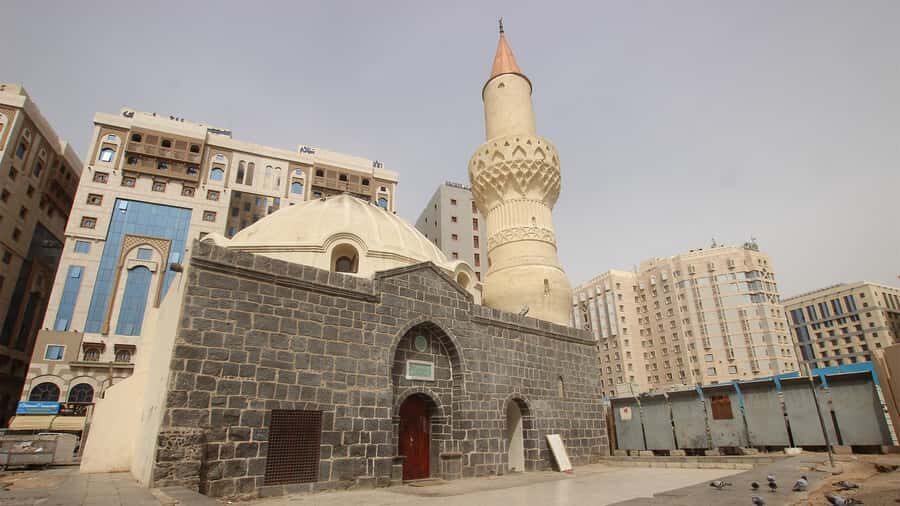
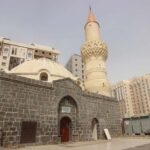
Next comes Masjid al-Qiblatayn, a site that carries a very specific lesson in direction and instruction. The tour explains that Prophet (SAW) received the command to change the Qibla—from Al Quds to Makkah.
That detail matters because it’s not a vague story about Islam’s growth. It’s a precise moment that affects everyday worship. Seeing the mosque as part of this timeline helps you understand why the direction of prayer became more than a detail—it became a lived shift for the community.
Inside and around the mosque, your experience will depend on timing and prayer flow. If you’re able to observe prayer properly, do it. If you’re there outside peak prayer times, use the audio guiding to focus on the meaning rather than trying to cram everything in visually.
Quba Mosque: first mosque in Islam, and why timing can matter
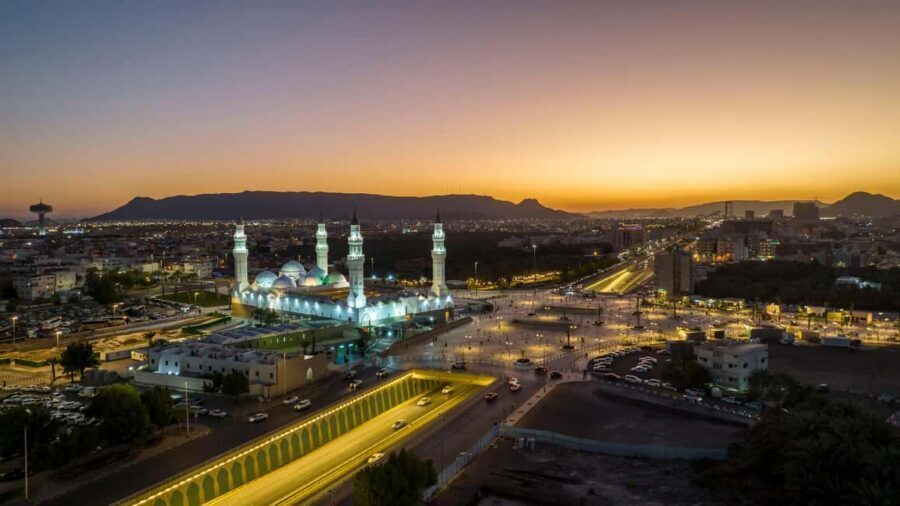
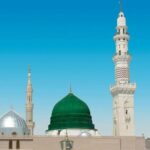
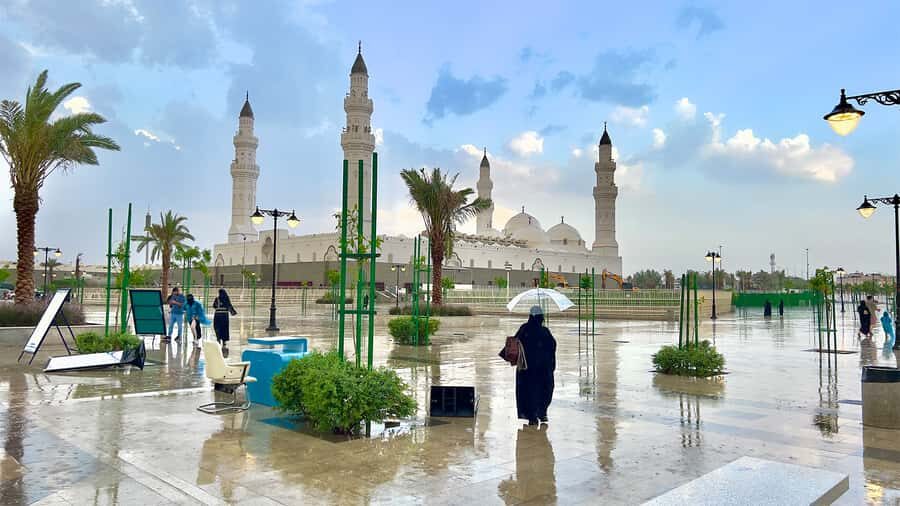
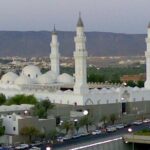
Then you’ll head to Quba Mosque, described here as the oldest mosque in the world and dated to the lifetime of the Prophet (SAW). The tour’s emphasis is on the connection to the Hijrah: the first stones were positioned by the Prophet (SAW) right after his arrival in Madinah.
If you’ve ever wondered why people speak so reverently about Quba, this stop gives you a straight answer: it’s not only historic, it’s linked to the earliest chapter of Madinah life. The tour’s narration typically helps you understand why that timeline matters.
One thoughtful option is time-based. If there’s enough time, you may be able to attend Zuhr prayer. That can change the feel of the visit from sightseeing to worship in a single step. So if you want the religious rhythm of the day, keep your schedule flexible at this stop rather than rushing onward.
The Seven Mosques of al-Masajid as-Sab’a: following the trench story
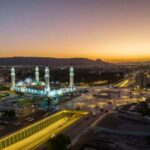
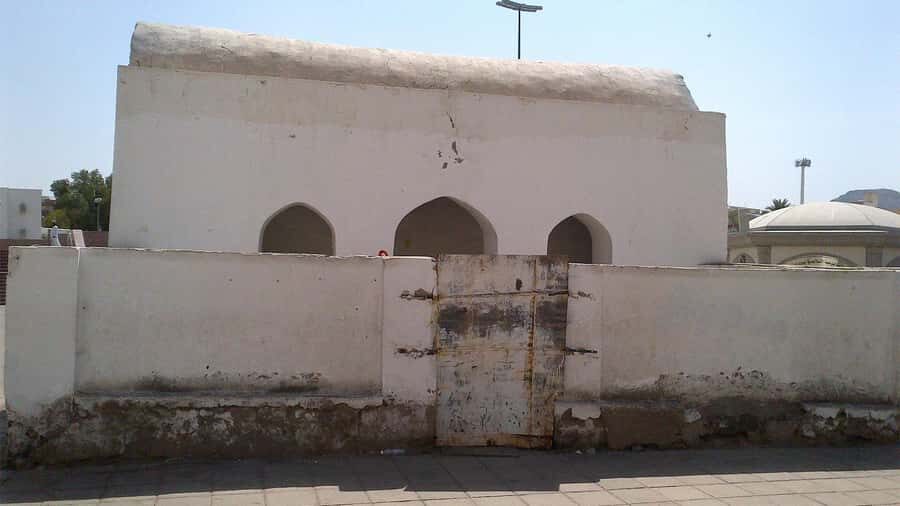
This is the part of the tour that feels like a mini historical map. You’ll visit the Seven Mosques (al-Masajid as-Sab’a) connected to the Battle of the Trench, tied to monitoring points and troop locations used when defending Madinah.
The tour notes that these mosques are on the western side of Mount Sela’. It also connects the story to 627 CE and to the fifth year of Hijra, when the Quraysh marched with allied tribes. In other words, this isn’t just a list of mosque names—it’s a story about defense, strategy, and where people needed to stand and watch.
You’ll also get a naming clue. The tour explains that each mosque’s name is linked to a conquest, except al-Fatah Mosque, which was built at the site of the Prophet’s (SAW) dome area (Qubba). That kind of detail makes the route more meaningful because you’re not treating the mosques like interchangeable stops.
As you walk from north to south (al-Fathah, Salman Farsi Mosque, Abu Bakr Mosque, Umar ibn Khattab Mosque, Ali ibn Abi Talib Mosque, Mosque of Fatima), listen for the logic in the narration. The order helps you track the historical sequence rather than just checking off buildings.
A quick realism check: because there are multiple mosques in sequence, the time spent at each one can be limited within the 4-hour window. If you’re the type who wants longer prayer time at every stop, prioritize. If your goal is to understand the bigger trench story, this format works well.
Guides, audio devices, and why this tour is easier than DIY
You get both a live guide and audio. The live tour guide is listed for English and Arabic, and the audio guide supports a wide set of languages, including English, Arabic, Spanish, Italian, French, German, Russian, Turkish, Chinese, Malay, Indonesian, Hindi, Urdu, and others from the list provided.
That matters because you can follow the route even if your understanding of Arabic is limited. You can also switch modes: listen to the live guide when you’re close, then use the audio for reminders when you’re standing still.
In the reviews people consistently praise a guide named Talha for being informative and supportive, and there’s also mention of Danish in organizational context. I can’t assume you’ll get the same guide, but if you do, you can expect a careful, step-by-step explanation style. That type of guidance is especially helpful at sites like al-Qiblatayn and the Seven Mosques, where the names and events can otherwise blur together.
Price and value: what $28 buys you in Madinah
At $28 per person for about 4 hours, this isn’t just a quick ride. You’re paying for a bundle: transportation and return transfer, driver escort, entrance fees, and a built-in information layer through audio guiding in many languages.
Value comes from reducing friction. A DIY version means coordinating rides across Uhud Mountain, multiple mosques, and timing prayer windows, then figuring out entrances and explanations on your own. This tour wraps the logistics and interpretation into one package so you can focus on the meaning.
What you should budget beyond the tour price: food and beverages are not included, and personal expenses are yours to handle. For a half-day trip, it’s usually manageable—just have water and a snack plan if you know you’ll be out between meals. The tour itself focuses on sacred stops, not dining.
Practical tips that make the day smoother
A few details here are small but important for comfort and rules.
First, bring a sun hat and sports shoes. The route includes walking and time outside, and you’ll feel it more than you expect on a short timeline. Keep your day light: luggage or large bags are not allowed, so plan on what you truly need.
Second, note the restrictions: not suitable for wheelchair users, pregnant women, or people with altitude sickness. If any of these apply, you’ll want to choose a different format rather than trying to force a half-day with multiple stops.
Also remember the clear rule set: alcohol and drugs are not allowed. Keep that in mind for what you pack and what you carry in transit.
Finally, manage your expectations about time. With several key sites in one loop, the best strategy is to decide what you want most: deeper prayer time, or stronger historical context across every stop. This tour is built for balance, but you control your personal priority.
Who this tour fits best
This works especially well if you:
- want a structured way to see major Madinah sites tied to specific events
- like explanations that connect place names to moments in Islamic history
- prefer a low-planning day with hotel pickup and return transfer
- want multilingual support without needing to hire a private guide
It may feel less ideal if you:
- need long, slow visits and quiet time at each mosque
- have mobility limits that make multi-stop walking difficult
- want food included or an all-day schedule
Should you book the Madinah Half-Day Ziarah Tour?
I’d book it if you’re in Madinah for a limited time and want the strongest “story in a short day” format. The combination of Uhud, al-Qiblatayn, Quba, and the Seven Mosques gives you several high-meaning stops that reinforce each other. At $28 with transport, entrance fees, and multilingual audio, it’s a practical value for many visitors.
I’d pause and choose something else if you know you’ll struggle with tight timing. With a 4-hour duration and multiple major stops, you’ll want to be okay with shorter on-site moments at each location.
If you’re aiming for a spiritually focused, historically guided half day with minimal hassle, this is a strong fit.