REVIEW · MEDINA
Prophet Biography Tour of Madinah
Book on GetYourGuide →Operated by DEM AGENCY · Bookable on GetYourGuide
Medina’s landmarks tell one clear story. I like this tour’s stop-by-stop focus on the Prophet Muhammad’s biography, because it turns famous events into places you can point to. I also like the mix of mosques and historic wells, so your photos capture both faith and everyday life details.
With a live tour guide and driver, picked up from your accommodation, you get a smooth route across several must-know sites in 4–6 hours. You’ll also get museum time at Al Safia Museum and an outdoors break at one of Medina’s date farms.
The one catch is price. At $250 per person, the experience needs the right kind of guide; one account felt the guide wasn’t skilled enough for the cost.
In This Review
- Key highlights you’ll feel right away
- How this Prophet Biography route stays focused
- Quba Avenue & Mosque: the first stop that sets the tone
- Al-Sirah Experience: the welcome story that makes it human
- Gars Well: biography told through water
- Jummah Mosque: the weekly prayer landmark
- Qiblatain Mosque: the direction-of-prayer turning point
- Al Faqeer Well, Al-Ghamama Mosque, and Saqifa Bani Saida
- Al Safia Museum: turning stories into artifacts
- Date Farm break: a breath of air with real local taste
- Price and what you’re really buying for $250
- What guide quality can look like in real life
- Who should book this tour (and who might skip)
- Should you book Prophet Biography Tour of Madinah?
- FAQ
- How long is the Prophet Biography Tour of Madinah?
- What’s included in the price?
- Is food included?
- Which languages are available for the tour?
- Which major sites are part of the itinerary?
- Where does the tour start?
Key highlights you’ll feel right away
- Quba Avenue & Mosque: start with the first mosque connected to the Prophet Muhammad
- Al-Sirah Experience: learn the story of the Prophet’s welcome by Al-Ansar
- Gars Well and Al Faqeer Well: biography lessons tied to water landmarks
- Jummah Mosque and Qiblatain Mosque: prayer and direction-of-prayer history in one route
- Al Safia Museum + Date Farm: artifacts indoors, fresh air outdoors
- Live guide in Arabic, Urdu, or English: ask questions and keep the story straight
How this Prophet Biography route stays focused
This tour is built like a timeline you can walk alongside. Instead of treating Medina like a checklist, it connects each stop to a specific moment from the Prophet Muhammad’s biography or early Muslim community life. That approach matters because Medina can feel huge and spiritual on its own; a guided storyline helps you remember what each location represents.
You’ll be moving between key sites across Al Madinah Province with a live tour guide and driver. The route is designed for a half-day format, so it’s best if you want meaningful context without turning your day into a full travel marathon.
The other practical win: museum tickets are included, so you don’t have to add extra purchases to your day. Food is not included, so plan to eat before or after.
You can also read our reviews of more tours and experiences in Medina.
Quba Avenue & Mosque: the first stop that sets the tone
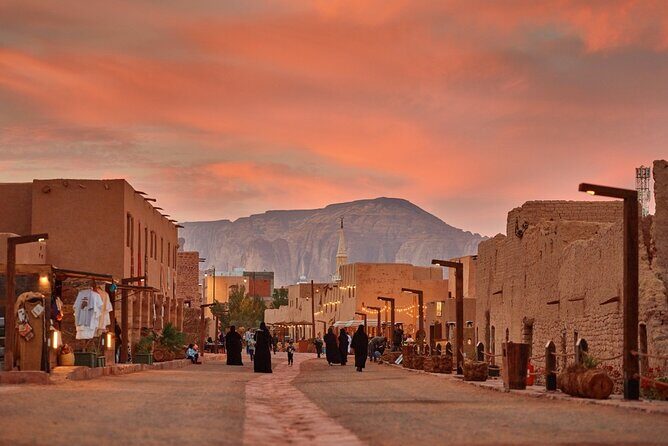
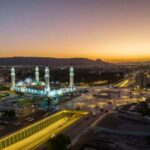
The day starts at Quba Avenue & Mosque, described as the first mosque built by the Prophet Muhammad. That gives this visit extra weight. You’re not just seeing an old building—you’re starting with a place tied to the earliest stages of community life.
What I like about this first stop: it’s both spiritual and practical. The venue area includes souvenir shops and local delicacies, which means you can quickly get oriented and grab something small without waiting until the end of the tour.
One consideration: early on, it can be tempting to split your attention between photos, shops, and the guide’s explanation. If you want the biography to stick, let the guide finish the key points before you wander too far.
Al-Sirah Experience: the welcome story that makes it human
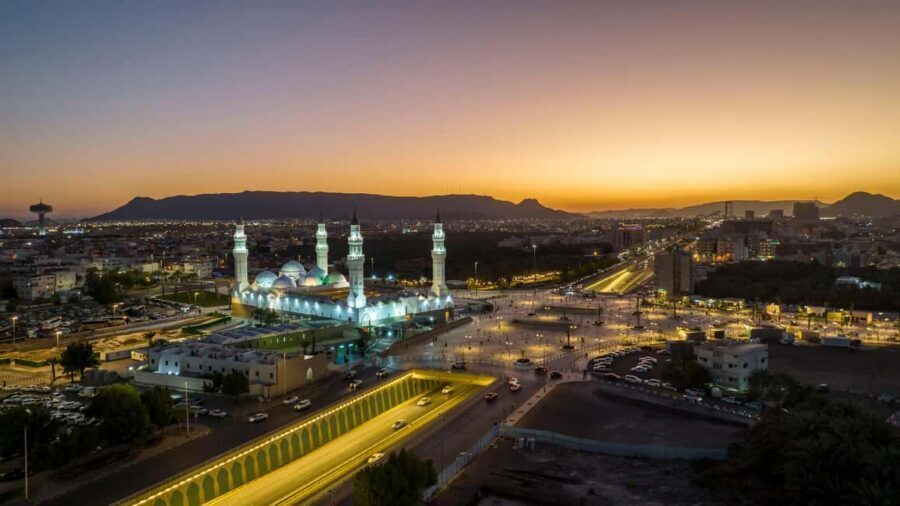
Next comes the Al-Sirah Experience, focused on the history of Prophet Muhammad (PBUH) and the welcome extended by the people of Medina, known as Al-Ansar. This is the part of the itinerary that shifts the feeling from sites to people—gratitude, hospitality, and the emotional center of the story.
Why it’s valuable: it helps you understand why Medina matters beyond dates and architecture. A mosque visit can stay abstract if you only hear about structures. This segment aims to give the human side, so the places feel earned, not random.
A tip for getting value: if you’re traveling in Arabic, Urdu, or English, lean on the language your guide speaks best. The tour lists those language options, and using the right one helps you ask clean questions when something sounds unfamiliar.
Gars Well: biography told through water
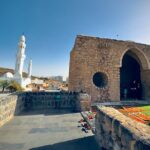
After that, you visit Gars Well, connected to a moment where the Prophet washed himself from its waters. The details here are specific: the well continues to flow to this day, carrying a tangible sense of continuity with the past.
I like well stops like this because they do something mosques often can’t: they connect sacred story to a daily-life resource. Water is practical. When the story says the well still flows, it pushes the lesson from legend into a place you can stand in and picture.
Practical consideration: wells and outdoor landmarks can mean more sun and less shelter than indoor sites. If you go at a hot part of the day, bring a plan for staying comfortable.
Jummah Mosque: the weekly prayer landmark
The itinerary then moves to the Jummah Mosque, the famous mosque associated with the Friday prayer. This stop is about religious observance and a major place in Medina’s routine of worship.
What you’ll get from this visit is context. The tour frames it as one of the key sites for Friday prayer, so you’re not only viewing a structure; you’re learning how it functions in the community’s rhythm.
If you’re a photo person, this is the kind of place where it helps to take a few wide shots first, then return for details. The guide’s explanations help you decide what to photograph so you don’t come home with only angles.
Qiblatain Mosque: the direction-of-prayer turning point
One of the most dramatic stops is Qiblatain Mosque. It’s described as the mosque that witnessed the pivotal moment when the qibla changed from Jerusalem to Mecca. Even if you already know the story, seeing the specific location tied to it gives the idea a clear setting.
I appreciate how this fits naturally with the previous prayer landmark. Friday prayer is one layer of Islamic practice, while qibla direction is another layer of belief and daily orientation. Together, they help you understand why places of worship carry memory.
One thing to keep in mind: whenever a tour covers moments like this, the guide may spend time explaining the significance before you fully appreciate the architecture. Don’t rush. Let the story land, then look again.
Al Faqeer Well, Al-Ghamama Mosque, and Saqifa Bani Saida
This section clusters several sites tied to early Islamic history, and it works best when you listen for how the names connect.
- Al Faqeer Well is linked to Salman Al Farsi and his significant contributions to Medina’s history.
- Al-Ghamama Mosque and Saqifa Bani Saida are presented as central sites in the early Muslim community and its developments.
Why these stops can be powerful: they show how the biography isn’t only about major events at major buildings. It also includes helpers, community decisions, and real development moments tied to named places.
If you’re short on patience for details, this is where it’s easy to zone out. The names are many. Use the guide actively: ask one focused question about who the site connects to, or what role it played. That turns a list of stops into a connected story.
Al Safia Museum: turning stories into artifacts
Next is Al Safia Museum, described as a cultural gem showing artifacts and exhibits from Medina’s history. If you want the day to feel more than a set of outdoor monuments, this museum stop is the anchor.
The value here is simple: artifacts help you slow down. At mosques, you often absorb through sight and space. In a museum, you absorb through objects and curated context (and the tour includes museum tickets, which is a real convenience).
One practical note: since food is not included, plan the museum timing so you’re not starving during exhibits. A small snack beforehand can keep your attention sharp.
Date Farm break: a breath of air with real local taste
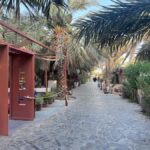
Finally, you end with Date Farm time—relax, enjoy the fresh air, learn about date cultivation, and savor local produce. This is a good way to balance the spiritual and historical weight of the earlier stops.
Why it makes sense at the end of the day: it’s an easy transition from remembering stories to tasting the region. Dates are a staple in the area, and the tour frames the farm as both learning and enjoyment.
Consideration: if you’re sensitive to time changes, keep your energy steady here. Date farm stops are usually where you’ll want to slow down for photos and taste samples, and that can stretch beyond your mental idea of an ending.
Price and what you’re really buying for $250
At $250 per person, this tour sits in a mid-to-higher range for a half-day format. The best argument for the price is what’s included: a live tour guide and driver, pickup from your accommodation, and museum tickets. When the guide is strong, that combination can turn a few scattered stops into a coherent learning experience.
The less comfortable argument is the one caution you should take seriously: one account felt the tour wasn’t worth the cost because the guide wasn’t skilled enough in the job. That doesn’t mean the tour is bad overall, but it does mean you should treat guide quality as part of the value.
My practical advice: before you commit your day, think about what you want from a guided tour. If you want clear explanations and you’ll ask questions, this can feel worth it. If you mostly want sightseeing with minimal commentary, you might feel the price is harder to justify.
What guide quality can look like in real life
From the guidance names shared in feedback, two examples stand out: Kashan and AbdulRahman were praised for being fantastic and patient at every stop. That kind of pacing matters in Medina, where you’re bouncing between places with different meanings.
On the flip side, there’s also the caution that some guides may not deliver the depth you’d expect at this price. So here’s what you can do: be ready with one or two questions. Ask for the connection between the stop and the biography moment. If the answers feel vague, you’ll know quickly and can adjust your expectations.
Who should book this tour (and who might skip)
This experience fits you if you want Medina in story form—linked to Prophet Muhammad’s biography and early community milestones. It also suits you if you enjoy photos but want your camera work guided by meaning, not only angles.
It may be less ideal if:
- You’re looking for a low-cost sightseeing ride and don’t care about explanations.
- You’re very sensitive to guide performance and want expert-level detail without gaps.
- You’re not comfortable with an itinerary that includes multiple sites in one stretch.
If you’re traveling with someone who likes history but also wants moments to rest (the museum and date farm help), this kind of pacing can make everyone happy.
Should you book Prophet Biography Tour of Madinah?
Yes—if you want a guided story connecting Quba, wells, prayer landmarks, early community sites, and then a museum and date farm finish. The included museum tickets and live guide-driver setup are strong value points for the money, especially when the guide is patient and organized.
I’d book with one mindset: treat the guide time as your best asset. Ask questions at the mosques and wells, and don’t let the day become just photos and moving buses. If you’re willing to work with the guide, this tour has the ingredients for a satisfying Medina day.
FAQ
How long is the Prophet Biography Tour of Madinah?
The tour duration is 4–6 hours.
What’s included in the price?
The included items are the tour highlights at each listed stop, a live tour guide and driver, starting from your accommodation, and tickets for museums.
Is food included?
No. Food is not included.
Which languages are available for the tour?
The tour is available in Arabic, Urdu, and English.
Which major sites are part of the itinerary?
The tour includes Quba Avenue & Mosque, Al-Sirah Experience, Gars Well, Jummah Mosque, Qiblatain Mosque, Al Faqeer Well, Al-Ghamama Mosque and Saqifa Bani Saida, Al Safia Museum, and Date Farm.
Where does the tour start?
It starts from your accommodation.