REVIEW · JEDDAH
Jeddah:Discover old Jeddah AlBalad
Book on GetYourGuide →Operated by Local guide Muhammad · Bookable on GetYourGuide
Old Jeddah feels like time travel. In this 3-hour walk, local guide Muhammad leads you through Al Balad, a UNESCO-listed old quarter on the Red Sea, where stone, streets, and markets map a 3,000-year story.
I love how Muhammad connects landmarks to daily Saudi life, and I like the pacing: photo stops, guided explanations, and real free time for wandering and shopping.
The only drawback is simple: it’s still a walking tour. If your group wants a slower, longer explore of every doorway, treat this as the highlight reel—not the full movie.
In This Review
- Key highlights you’ll actually care about
- Old Jeddah’s Al Balad: what this walk really shows
- Who Muhammad is and how his local style changes the tour
- The route you’ll follow: from Bab Makkah to Bait Nasseef
- Souk Al Alawi and the markets: herbs, textiles, and real browsing
- Photo stops and free time: how to get the best shots
- Included items vs what you’ll need to pay for
- What this tour feels like on the ground
- Who should book this and who should look elsewhere
- Should you book Discover old Jeddah Al Balad?
- FAQ
- How long is the Old Jeddah Al Balad tour?
- Where does the tour start and is pickup available?
- What language is the live guide?
- Is food included in the price?
- What is included besides the guide?
- Are there drop-off locations at the end?
- Is the tour wheelchair accessible?
- Is this a private tour?
- How much is the tour?
- Is cancellation free?
Key highlights you’ll actually care about
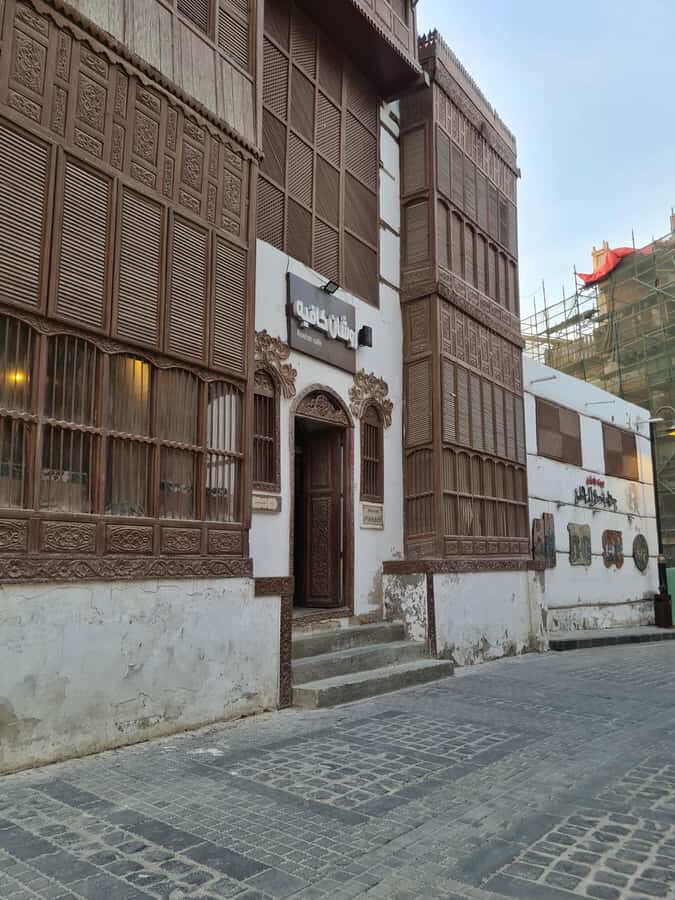
- Al Balad (UNESCO) with 600+ historic buildings you can spot while you walk
- A guided route from Bab Makkah to Bait Nasseef plus major neighborhood sights nearby
- Souk time—including markets tied to herbs and textiles, plus browsing opportunities
- Muhammad’s local storytelling in English or Arabic with plenty of room for questions
- Cooler-hour walking often feels best for views and comfort, especially in evening slots
Old Jeddah’s Al Balad: what this walk really shows
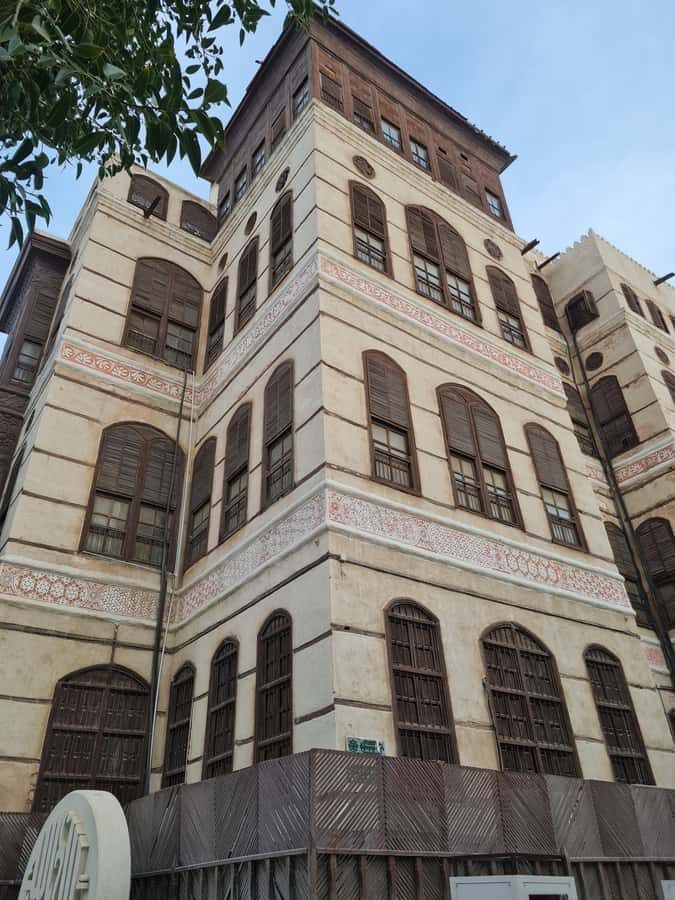
This tour focuses on the Jeddah Historic District, known as Al Balad—a UNESCO World Heritage Site built on coastal land in the Red Sea city of Jeddah. The key idea is that you’re not just looking at old buildings. You’re moving through a living trading and pilgrimage gateway that, historically, welcomed people from many backgrounds.
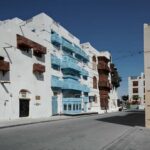
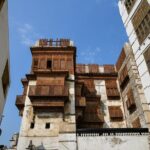
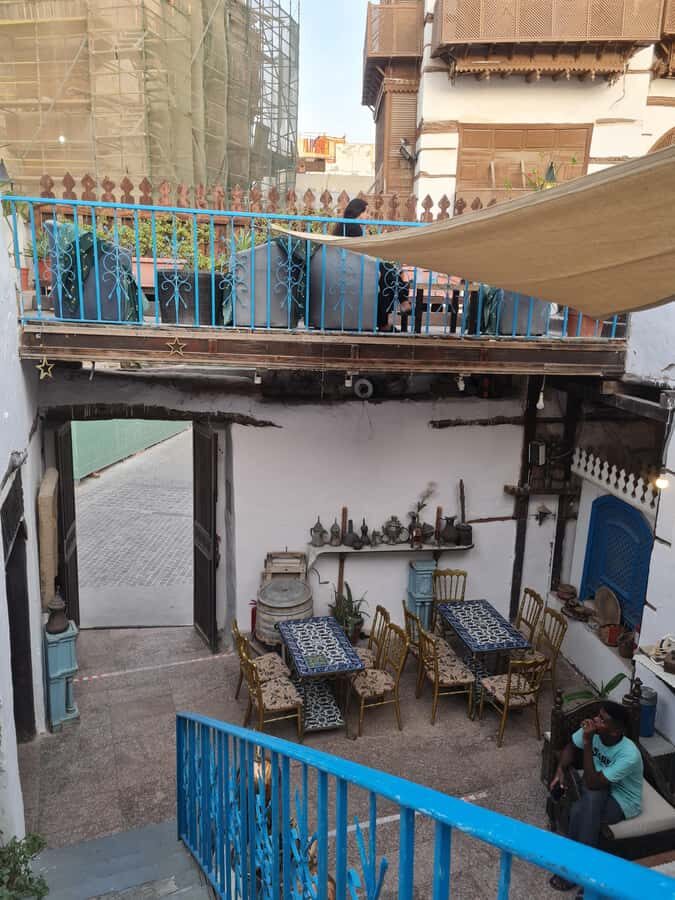
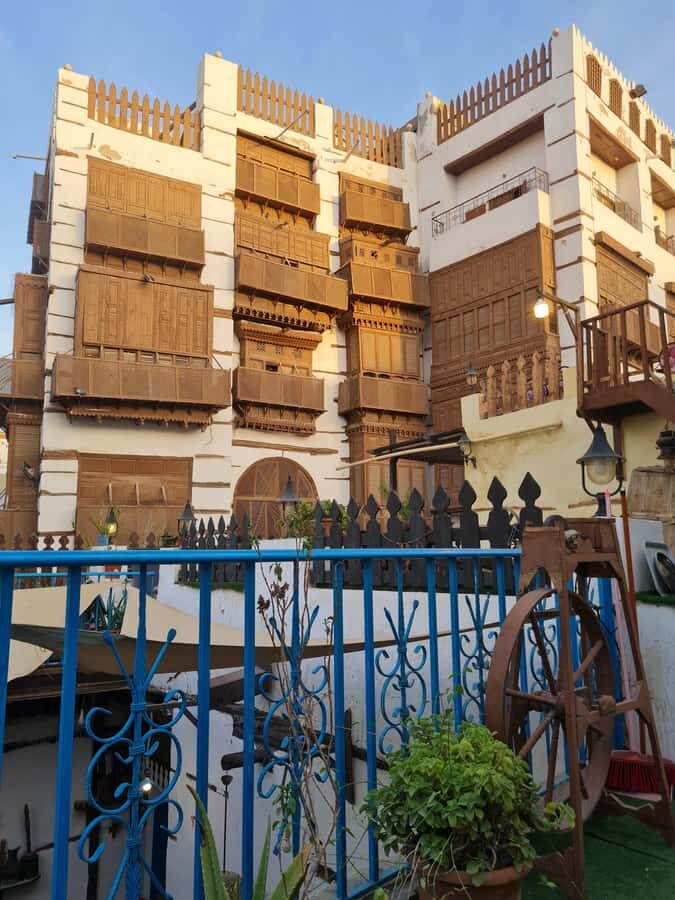
You’ll walk through a maze-like old-town pattern where history shows up in details. Expect to hear what you’re seeing: older trade routes, traditional architecture elements, and how the neighborhood functioned as a connection point for pilgrims traveling toward the holy mosques. The story is also told through specific architectural features mentioned for this area, like Mangabi Stone and roshans (those projecting wooden elements you’ll notice on older homes).
One thing I appreciate about this approach is that it doesn’t treat the district like a frozen museum. Al Balad is described as a place with more than 30 mosques and 5 historic souks, plus over 600 historic buildings. That scale matters. It helps you understand why the city grew here, why trade followed the coastline, and why markets remain part of the experience.
You can also read our reviews of more tours and experiences in Jeddah.

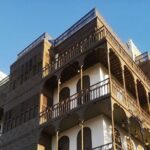
Who Muhammad is and how his local style changes the tour
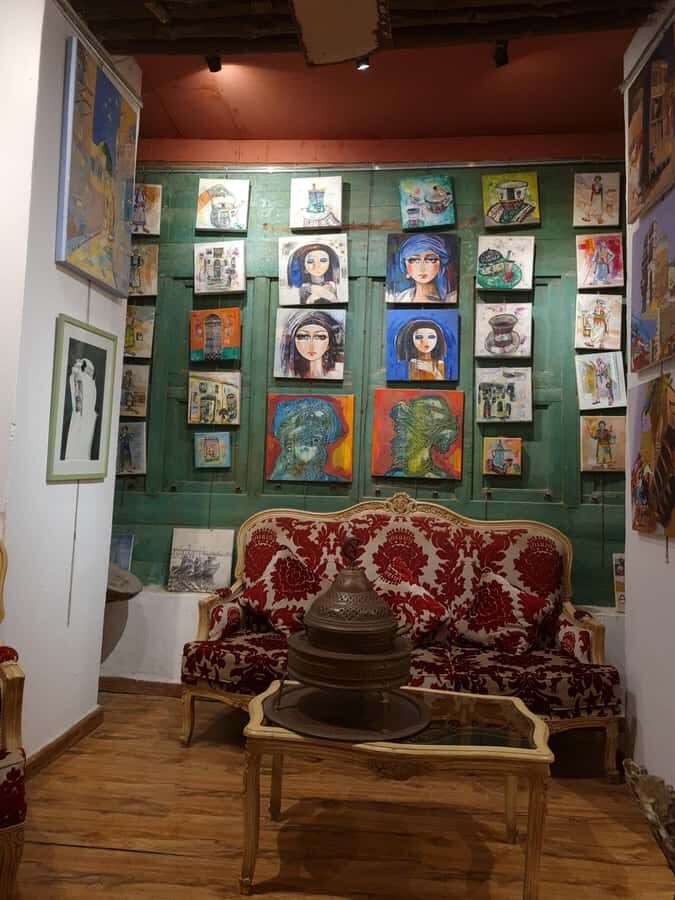
The biggest difference-maker is your guide. The tour is led by Muhammad, and the consistent theme from past guests is his warmth, ease, and clarity. People specifically praise that he’s approachable—easy to talk to—and that his explanations stay grounded, not academic.
You can expect:
- English and Arabic interpretation, so you’re not stuck piecing things together
- An ability to answer questions on the spot while you’re walking
- A pace that can include pauses for photos and shorter breaks, rather than constant motion
- Flexibility if your interests shift mid-walk
What I like most about this kind of local guiding is how it turns signage and streets into meaning. Instead of just naming places, Muhammad ties the landmarks to why they exist in the first place—architecture, neighborhood use, and the way people have lived around this heritage area.
And yes, there are practical perks too. Guests note that Muhammad often helps with recommendations for food and local spots—and can even help with ordering preferences. That’s not just nice. In a place like Old Jeddah, it can save you time and help you eat like a human instead of scanning menus while hungry.
The route you’ll follow: from Bab Makkah to Bait Nasseef
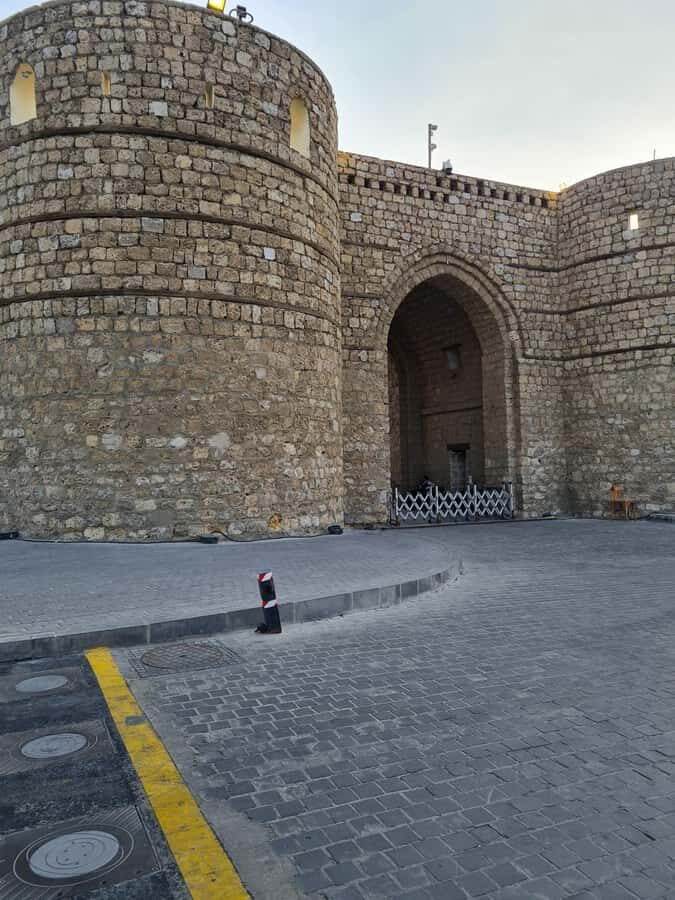
The tour’s core energy comes from tracing the old-town steps through major waypoints. The plan is built around a walk that starts at the old quarter and moves through key stops such as Bab Makkah, then onward to Bait Nasseef and Masjid Al-Mi’maar.
Here’s what those stops mean in plain terms:
Bab Makkah
This is the kind of landmark you use to get oriented fast. It’s an anchor point that helps you understand you’re entering an older layer of the city—before the wider streets and modern growth took over.
Bait Nasseef
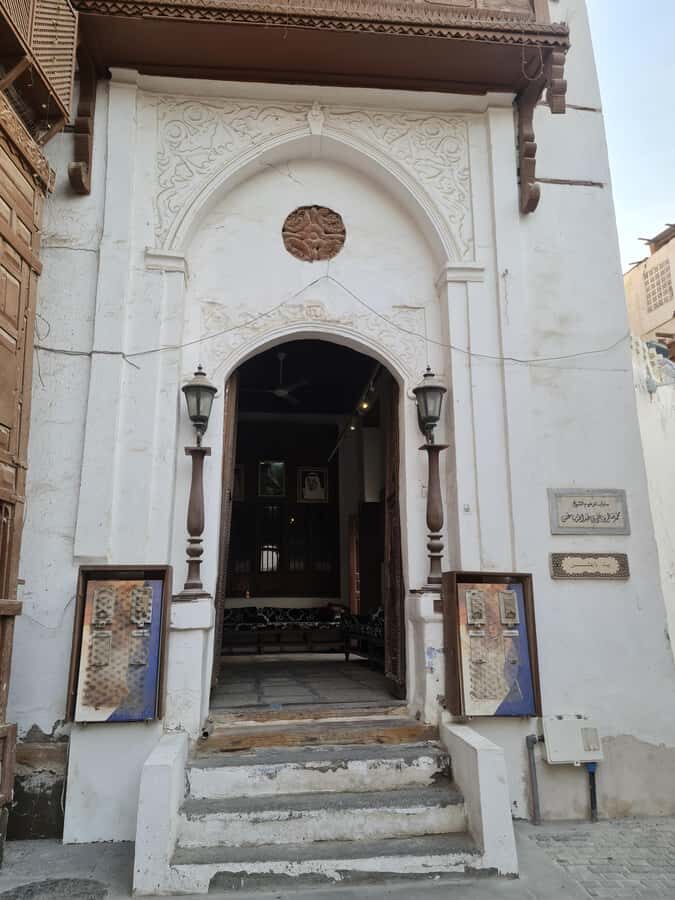
This is where you’ll likely slow down. The old houses in Al Balad aren’t random. They’re part of how the district functioned—trade wealth, family life, and architectural style all mixed together. Your guide can help you spot the differences and understand what you’re seeing.
Masjid Al-Mi’maar
Mosques in old districts aren’t only religious anchors. They’re also part of how neighborhoods grew and organized daily movement. Seeing the mosque within the flow of the streets helps you connect faith, community, and architecture.
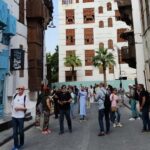
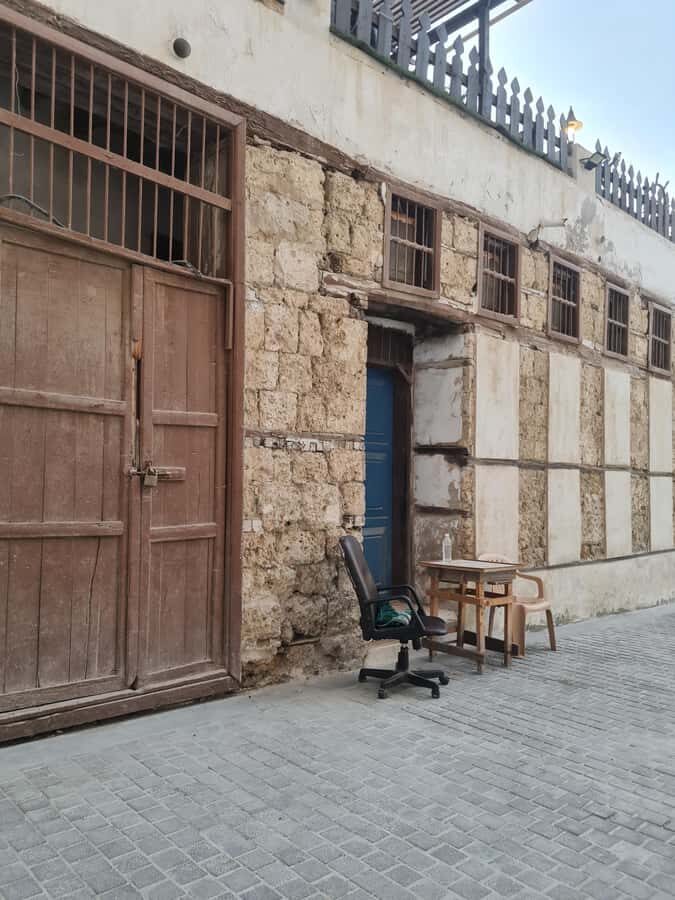
Between these points, you’ll pass by the small-scale texture that makes Old Jeddah memorable—street edges, doorways, and the kind of details you’d miss if you were rushing through alone. The tour includes guided explanations plus enough time to take photos and look around.
One practical note: the total duration is listed as 3 hours, but the on-the-ground schedule can feel like it includes a longer chunk inside Al-Balad with an additional nearby stretch. The main takeaway is to expect the center of gravity to be Al-Balad first, then a shorter run around additional nearby highlights.
Souk Al Alawi and the markets: herbs, textiles, and real browsing
A major highlight is time in and around the souks. The description calls out Souk Al Alawi, and it’s portrayed as a sensory mix—herbs and textiles with color and variety that makes the area feel like a working market, not a staged set.
This is the part of the tour where shopping and browsing become useful instead of stressful. You get guided context first, so you’re not just hunting souvenirs. Then you’re given free time to shop, sightsee, and walk through the stalls.
Also, the old quarter is described as having 5 historic souks, so you’re not stuck in one small lane. In a short tour, that variety matters because it gives you a quick overview of how trade functioned across different goods.
A small food note that shows up in guests’ experiences: Muhammad may include thoughtful tastings or sweet stops such as dates, and he’s known for helping people find great local places to eat. That’s especially helpful if you’re trying to get a taste of Jeddah without wasting time guessing.
Photo stops and free time: how to get the best shots
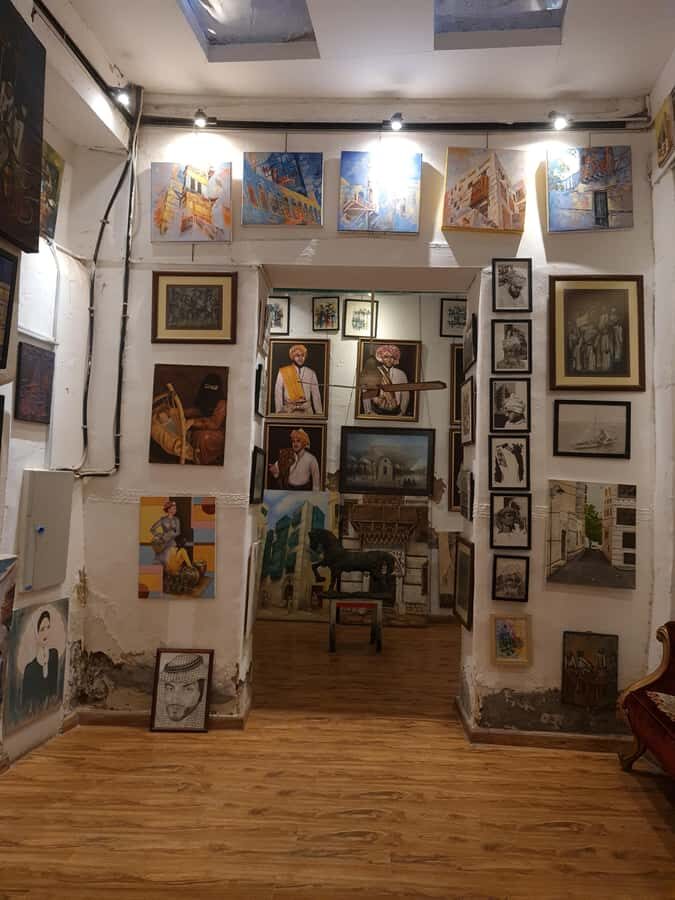
The tour includes photo stops and free time, and that’s a big deal for two reasons.
First, Al Balad photography isn’t only about wide shots. It’s doorways, textures, and street angles. You need time to step off the main line and frame things.
Second, the district’s streets can feel tight. If you rush, you’ll miss the details your guide points out—things like older stonework and the recognizable elements of roshans.
Timing is the other factor. Guests specifically suggest choosing cooler hours. One set of notes points out that sunset and nighttime walking can feel perfect for both temperature and views—more light, more atmosphere, and less heat pressure.
If you can choose a time slot, I’d lean toward an evening start when possible. Just be sure you’re ready to walk on older pavement and through lively market lanes.





Included items vs what you’ll need to pay for
Let’s talk value. The price is $109 per person for a tour lasting about 3 hours. That price covers a few key things:
Included:
- Tour guide (English or Arabic)
- Bottled water
- Parking fee
Not included:
- Food
- Souvenirs and personal expenses
So the real question is: is $109 worth it? For me, it makes sense when you want more than a basic guided walk. A good local guide can turn landmarks into meaning, and Muhammad’s reputation is strongly about explanation, Q&A, and flexibility. Also, bottled water and parking remove annoying extras.
Where you’ll want to budget is food. The tour doesn’t include meals, and Old Jeddah is full of places to stop. Plan to snack or eat after the walk, or bring extra money for a date box, a drink, or small purchases if you want them.
If you’re traveling as a couple or a small group, there’s also private group availability, and you might find better value when you want more direct attention instead of splitting your questions across a larger crowd.
What this tour feels like on the ground
You should expect a guided walk that mixes:
- sightseeing and photo stops
- guided storytelling at key monuments
- time to browse and shop
- neighborhood flow that moves you through the old quarter
It’s also described as having wheelchair access, which is a strong point if mobility is a concern. Still, Old Jeddah’s streets can be uneven. The tour says it’s wheelchair accessible, but I’d still consider your group’s comfort level for short distances and tight streets.
Finally, the tour includes pickup optional and drop-off options in the area. Pickup depends on your selected option, but knowing the tour is designed around dropping you back in or near Al-Balad can make logistics easier.
Who should book this and who should look elsewhere
This tour fits you best if:
- You want a focused, 3-hour orientation to Old Jeddah’s Al Balad
- You like history that’s explained through architecture and everyday streets
- You’d rather have a local guide handle the “what am I looking at?” moments
- You want time for photos and some shopping without turning it into a rushed sprint
It might not fit as well if:
- You already know the architecture and want a long, self-guided deep wander
- Your group needs very long rest stops between every landmark (this is a short tour)
- You’re hoping for a full meal included in the price (food isn’t included)
If you’re the kind of traveler who enjoys meeting a guide and asking questions while walking, you’ll probably leave feeling like you understand why Jeddah’s old quarter mattered—and still matters.
Should you book Discover old Jeddah Al Balad?
Yes, if your goal is a high-impact first look at Al Balad with a guide who can explain what you’re seeing and keep things comfortable. The combination of UNESCO district access, major landmarks like Bab Makkah, and souk time tied to real neighborhood trading makes it a strong use of a half-day.
I’d book it especially if:
- you value story + landmarks over just strolling
- you want an English or Arabic guide for questions
- you can choose a cooler time slot, where photos and walking feel easier
Skip it (or add your own time) if you want every alley explored for hours. This is built as a short, structured walk—perfect for getting your bearings fast, then exploring further on your own after.
FAQ
How long is the Old Jeddah Al Balad tour?
The duration is listed as 3 hours.
Where does the tour start and is pickup available?
Pickup is optional. The starting location depends on the selected option.
What language is the live guide?
The live tour guide is available in English and Arabic.
Is food included in the price?
No. Food is not included. Bottled water is included.
What is included besides the guide?
Included items are bottled water and the parking fee, plus the tour guide.
Are there drop-off locations at the end?
Yes. Drop-off locations are listed as Al-Balad, باب جدة القديم, and Jeddah.
Is the tour wheelchair accessible?
The tour is listed as wheelchair accessible.
Is this a private tour?
Private group availability is offered.
How much is the tour?
The price is listed as $109 per person.
Is cancellation free?
Free cancellation is available up to 24 hours in advance for a full refund.